

A Breakthrough in Understanding Monarch Migration
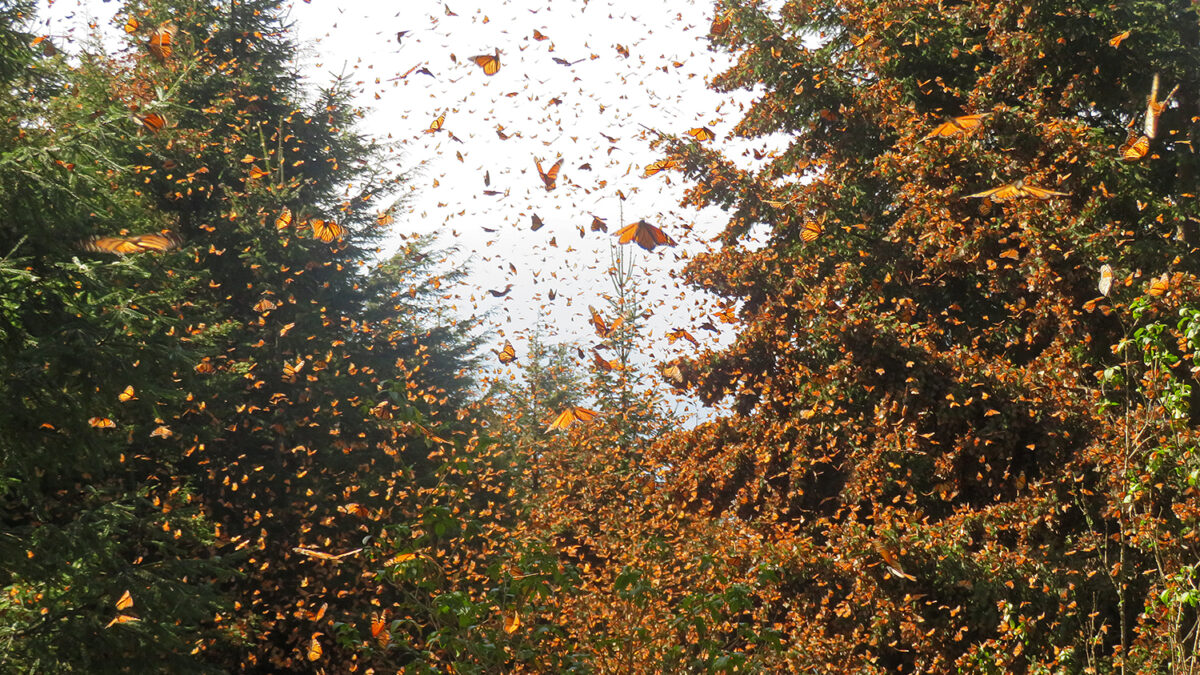
For decades, the migration of monarch butterflies has been one of nature’s most captivating and least understood phenomena. Every year, millions of monarchs travel thousands of miles across North America, navigating vast distances to reach overwintering sites in central Mexico. Until now, scientists could only study this journey at a population level. According to a recent report by PBS NewsHour new technology is finally allowing researchers to track individual monarch butterflies, opening an unprecedented window into their extraordinary migration.
This breakthrough marks a major shift in how scientists study insect movement. Rather than relying on tagging recoveries or broad population trends, researchers can now follow single butterflies across parts of their journey. This level of detail is transforming understanding of how monarchs navigate, survive, and respond to environmental pressures.
Why Monarch Butterflies Matter to Science
Monarch butterflies are more than a visual symbol of nature. They are key indicators of ecosystem health, reflecting changes in climate, land use, and biodiversity. Their migration, which spans multiple generations, has long fascinated scientists because no single butterfly completes the entire round trip.
Understanding monarch migration is critical not only for conservation but also for broader ecological research. The ability to track individual butterflies provides insight into how small animals make complex navigational decisions, offering clues that could apply to other migratory species as well.
The Challenge of Tracking Tiny Migrators
Tracking monarch butterflies has always been exceptionally difficult. Traditional tracking devices are too heavy for insects that weigh less than a gram. For years, researchers relied on lightweight tags placed on wings, hoping the butterflies would be recaptured later. While this method helped identify migration routes, it offered limited data and depended heavily on chance.
The new approach described by PBS NewsHour overcomes many of these limitations. Advances in microtechnology, sensors, and data collection have enabled scientists to gather movement data without significantly affecting the butterflies’ natural behavior. This represents a technological leap forward in wildlife research.
How the New Tracking Technology Works
The technology being used involves ultra-lightweight tracking tools that can be carried by individual monarchs. These tools interact with monitoring systems placed along migration corridors, allowing researchers to record movement patterns with far greater precision than before.
Instead of waiting for butterflies to be found months later, scientists can now observe when and where individual monarchs travel, rest, or change direction. This real-time or near-real-time data allows for a much clearer picture of migration dynamics and decision-making.
Revealing Individual Migration Paths
One of the most exciting outcomes of this technology is the discovery that monarchs do not all follow identical routes. While they share general migration corridors, individual butterflies may take slightly different paths depending on weather conditions, habitat availability, and timing.
This finding challenges earlier assumptions that monarch migration was largely uniform. By tracking individuals, scientists can now see how flexible monarchs are in responding to environmental variables, which may be key to their long-term survival.
What Scientists Are Learning About Navigation
Monarch butterflies are famous for their ability to navigate vast distances despite never having made the journey before. Researchers have long suspected that monarchs rely on a combination of the sun’s position, Earth’s magnetic field, and internal biological clocks.
Individual tracking data is helping scientists test these theories more directly. By observing how butterflies adjust their routes when conditions change, researchers can better understand the cues monarchs use to orient themselves during migration.
Climate Change and Migration Behavior
Climate change poses one of the greatest threats to monarch butterflies. Rising temperatures, shifting weather patterns, and habitat loss all affect migration timing and success. With individual tracking, scientists can now measure how monarchs respond to these changes in real time.
Early data suggests that monarchs may alter their pace or routes in response to unusual weather events. This information is invaluable for predicting how future climate scenarios could impact migration and identifying regions where conservation efforts are most urgently needed.
Implications for Monarch Conservation
Monarch populations have declined significantly in recent decades, raising alarms among conservationists. Habitat loss, pesticide use, and climate stress have all contributed to the decline. Understanding migration at the individual level provides new tools for protecting the species.
Tracking data can help identify critical stopover sites where monarchs rest and refuel. Protecting these areas could have an outsized impact on survival rates, making conservation strategies more targeted and effective.
A New Era for Insect Research
The success of monarch tracking technology represents a broader shift in how scientists study insects. Traditionally, detailed movement tracking was reserved for larger animals like birds and mammals. Advances in miniaturization are now bringing similar capabilities to insect research.
This opens the door to studying other migratory insects, such as dragonflies or bees, whose movements have remained largely mysterious. Monarch butterflies are leading the way in demonstrating what is now possible.
Public Engagement and Citizen Science
Monarch butterflies hold a special place in public imagination, and this new research has the potential to deepen public engagement. By sharing migration data and visualizations, scientists can help people connect more directly with the journey of individual butterflies.
Citizen science initiatives may also benefit from this technology. Public observations, combined with tracking data, could create richer datasets and foster greater awareness of monarch conservation challenges.
Technological Innovation Meets Ecology
The monarch tracking project highlights the power of combining cutting-edge technology with ecological research. Tools originally developed for other scientific or industrial purposes are now being adapted to study nature in ways that were previously impossible.
This interdisciplinary approach reflects a growing trend in science, where collaboration between technologists and biologists leads to breakthroughs that neither field could achieve alone.
Ethical Considerations in Wildlife Tracking
As with any wildlife research, ethical considerations remain important. Scientists involved in monarch tracking emphasize that the devices used are designed to minimize impact on the butterflies’ health and behavior.
Ongoing monitoring ensures that the technology does not interfere with flight, feeding, or survival. Maintaining this balance is crucial as tracking methods become more advanced and widespread.
What This Means for the Future of Monarchs
By finally being able to track individual monarch butterflies, scientists are gaining insights that could shape conservation efforts for years to come. Understanding how monarchs move, adapt, and survive provides a stronger scientific foundation for protecting them.
The data collected today may help predict how monarch migration will change in the future, allowing conservationists to act proactively rather than reactively
A Deeper Appreciation of a Natural Wonder
Beyond its scientific value, this research deepens appreciation for one of nature’s most remarkable journeys. Seeing migration through the lens of individual butterflies makes the phenomenon more personal and awe-inspiring.
Each tracked monarch represents a unique story of survival, resilience, and instinct, reminding us how much remains to be discovered about the natural world.
Conclusion: Technology Unlocks a Long-Held Myster
The use of new technology to track individual monarch butterfly migrations marks a historic moment in ecological research. For the first time, scientists can follow these delicate insects as individuals rather than anonymous members of a massive population.
This breakthrough not only enhances understanding of monarch biology but also strengthens efforts to conserve a species facing growing threats. As technology continues to advance, it is revealing that even the smallest creatures can teach us profound lessons about adaptation, navigation, and the interconnectedness of life on Earth.


