
Google Pushes AI Video Creation Into the Vertical Era
Google has introduced a significant update to its generative video model, Veo 3.1, allowing users to create vertical videos using reference images. The update, first reported by TechCrunch, reflects a strategic move to align AI video generation with how modern audiences actually consume content. Vertical video has become the dominant format across social platforms, and Google’s latest update positions Veo as a tool designed for real-world creator workflows rather than experimental demos.
With Veo 3.1, Google is signaling that AI video generation is moving beyond novelty and toward practical, production-ready use cases. By enabling creators to guide video output using reference images and vertical framing, the company is addressing two of the biggest barriers to adoption: creative control and platform compatibility.
What Veo 3.1 Is Designed to Do
Veo is Google’s advanced generative video model, developed to transform text prompts and visual references into high-quality video clips. Earlier versions focused primarily on cinematic, landscape-style outputs, often optimized for wide screens and experimental storytelling. Veo 3.1 expands this capability by supporting vertical video formats, a change that reflects how content is increasingly produced for mobile-first platforms.
The ability to use reference images adds a new layer of precision. Instead of relying solely on text descriptions, creators can now guide the AI using visual inputs, ensuring the generated video aligns more closely with a desired style, subject, or composition. This shift brings Veo closer to professional creative tools rather than purely generative systems.
Why Vertical Video Matters So Much
Vertical video is no longer a niche format. It has become the standard for short-form content consumed on smartphones. From social media storytelling to brand marketing and digital advertising, vertical video dominates engagement metrics. Google’s decision to prioritize this format acknowledges a fundamental shift in media consumption.
By supporting vertical outputs natively, Veo 3.1 removes a major friction point for creators who previously had to crop, reframe, or regenerate content to fit mobile platforms. This update suggests Google understands that AI tools must adapt to existing creator habits, not force creators to adapt to AI limitations.
Reference Images Change the Creative Equation
One of the most impactful aspects of the Veo 3.1 update is the introduction of reference images as creative anchors. Generative video systems often struggle with consistency, producing outputs that vary widely from prompt to prompt. Reference images help solve this problem by grounding the AI’s interpretation.
With a visual reference, creators can guide character appearance, environments, lighting, or overall mood. This capability is particularly valuable for brands, filmmakers, and designers who require visual continuity across multiple assets. It also makes AI-generated video more predictable and usable in professional contexts.
How Veo 3.1 Fits Into Google’s AI Strategy
Google has been steadily expanding its generative AI portfolio, integrating models across text, images, audio, and video. Veo 3.1 represents a key piece of this broader strategy, positioning Google as a serious contender in AI-driven creative tools.
Rather than competing solely on raw model capability, Google appears focused on usability and workflow integration. By adding features like vertical video support and reference-based generation, Veo becomes more relevant to creators who need practical results rather than experimental output
Lowering the Barrier to Video Creation
Video production has traditionally required specialized skills, equipment, and time. AI tools like Veo 3.1 aim to lower those barriers, enabling individuals and small teams to produce visually compelling content without extensive technical expertise.
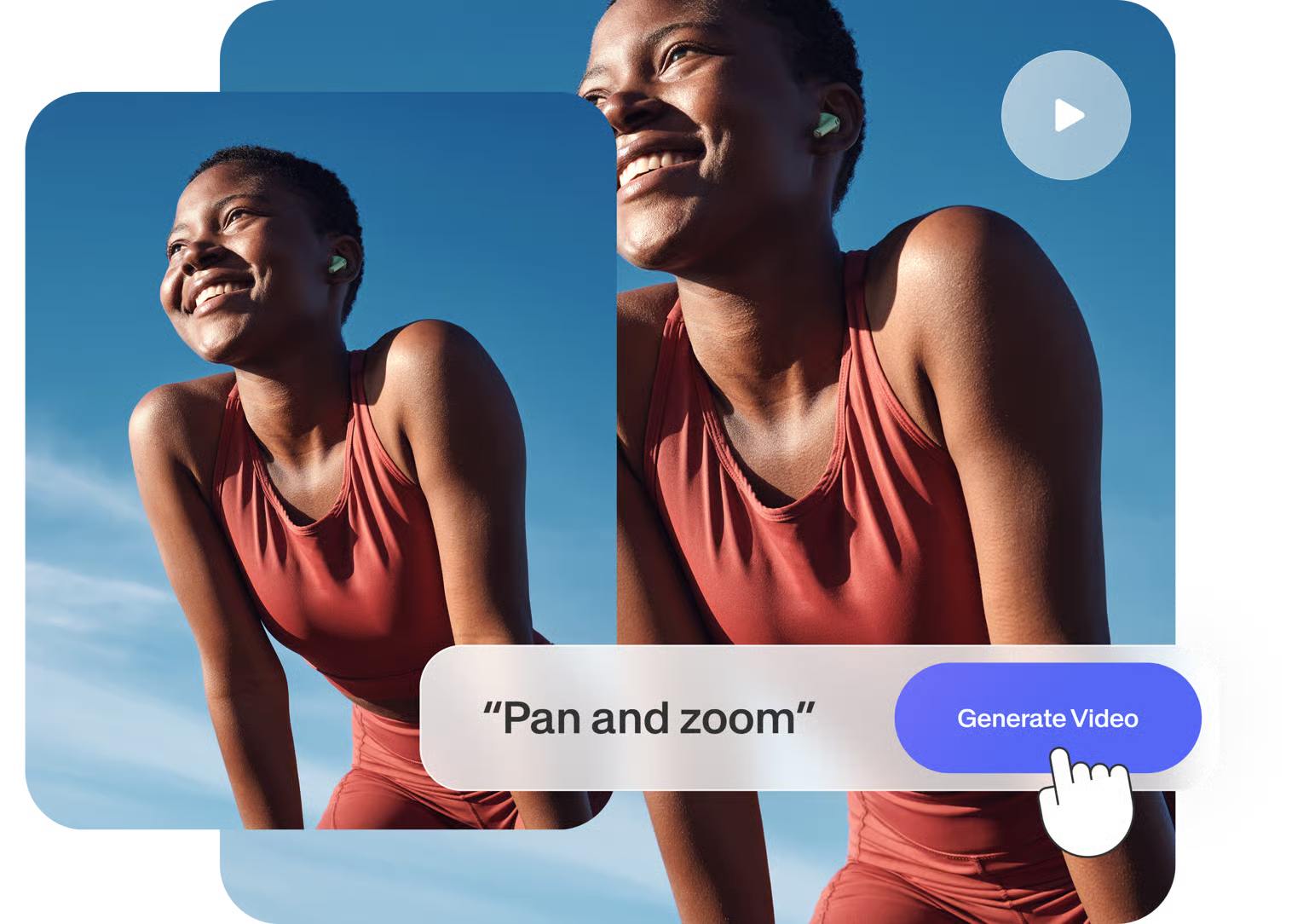
The ability to generate vertical video from reference images is especially valuable for creators who already have visual assets, such as photos, sketches, or brand imagery. Veo can now transform those assets into motion, expanding creative possibilities without requiring complex editing software.
Implications for Social Media and Marketing
The update has clear implications for social media creators and marketers. Vertical video is central to modern digital campaigns, and speed is often critical. Veo 3.1 allows teams to prototype and produce video content quickly, reducing turnaround times.
For marketers, reference images ensure brand consistency, a common challenge with generative tools. By controlling visual input, brands can maintain identity while still benefiting from AI-driven efficiency.
How This Compares to Other AI Video Tools
The AI video generation space is becoming increasingly competitive, with multiple companies developing models capable of producing short clips from prompts. Google’s Veo 3.1 differentiates itself by focusing on control and format specificity.
While some tools emphasize fully automated creativity, Veo’s reference-image approach suggests a collaborative model where human intent guides machine generation. This hybrid approach may prove more appealing to professionals who want AI assistance without sacrificing creative direction.
The Technical Challenge of Vertical Video
Supporting vertical video is not as simple as changing aspect ratios. It requires rethinking composition, motion, and framing. AI models trained primarily on landscape footage may struggle to adapt without specific optimization.
Google’s update indicates that Veo 3.1 has been trained or fine-tuned to understand vertical composition, ensuring subjects remain properly framed and visually engaging. This technical investment highlights Google’s commitment to making the tool genuinely useful rather than superficially compatible.
Creative Control Versus Automation
One of the ongoing debates in AI creativity is how much control users should have. Fully automated systems can be impressive but unpredictable. Veo 3.1’s reference-image feature leans toward greater user control, allowing creators to steer results more precisely.
This balance between automation and control is likely to define the next phase of generative AI adoption. Tools that empower creators without overwhelming them may achieve broader acceptance.
Ethical and Copyright Considerations
As AI video generation becomes more powerful, questions around copyright and ethical use continue to grow. Reference images introduce additional complexity, particularly if users upload copyrighted material.
Google will need to ensure clear guidelines and safeguards around how reference images are used and processed. Transparency in training data and output limitations will be critical to maintaining trust as Veo adoption expands.
What This Means for Independent Creators
For independent creators, Veo 3.1 could be a significant enabler. The ability to turn static images into dynamic vertical videos opens new avenues for storytelling, education, and entertainment.
Creators with limited budgets can experiment with video formats that were previously out of reach. This democratization of video production aligns with broader trends in creator-focused technology.
Enterprise and Professional Use Cases
Beyond individual creators, Veo 3.1 has clear enterprise applications. Media companies, design studios, and marketing agencies can use the tool for rapid prototyping, concept development, and internal previews.
The combination of reference-based generation and vertical output makes Veo particularly suited for pitch decks, campaign testing, and content iteration.
How This Update Reflects Changing Content Norms
The Veo 3.1 update reflects a broader shift in how content is created and consumed. Video is no longer confined to traditional formats or production pipelines. It is fast, mobile, and iterative.
Google’s decision to prioritize vertical video suggests an understanding that AI tools must evolve alongside cultural and platform norms. This adaptability may determine which tools become foundational in creative workflows.
Future Directions for Veo
While Google has not detailed future updates, Veo 3.1 hints at where the platform may be heading. Expanded format support, deeper creative controls, and tighter integration with other Google tools seem likely.
As generative video matures, features like scene editing, timeline control, and collaborative workflows could further enhance Veo’s appeal
Conclusion: A Practical Step Forward for AI Video Creation
Google’s update to Veo 3.1 marks a meaningful step in the evolution of AI-generated video. By enabling vertical video creation through reference images, Google is addressing real-world creator needs rather than showcasing abstract capability.
This update positions Veo as a practical creative tool, not just an experimental model. As AI continues to reshape content creation, features that prioritize usability, control, and relevance will define success. Veo 3.1 suggests Google understands this shift and is building toward a future where AI video fits seamlessly into everyday creative workflows.


