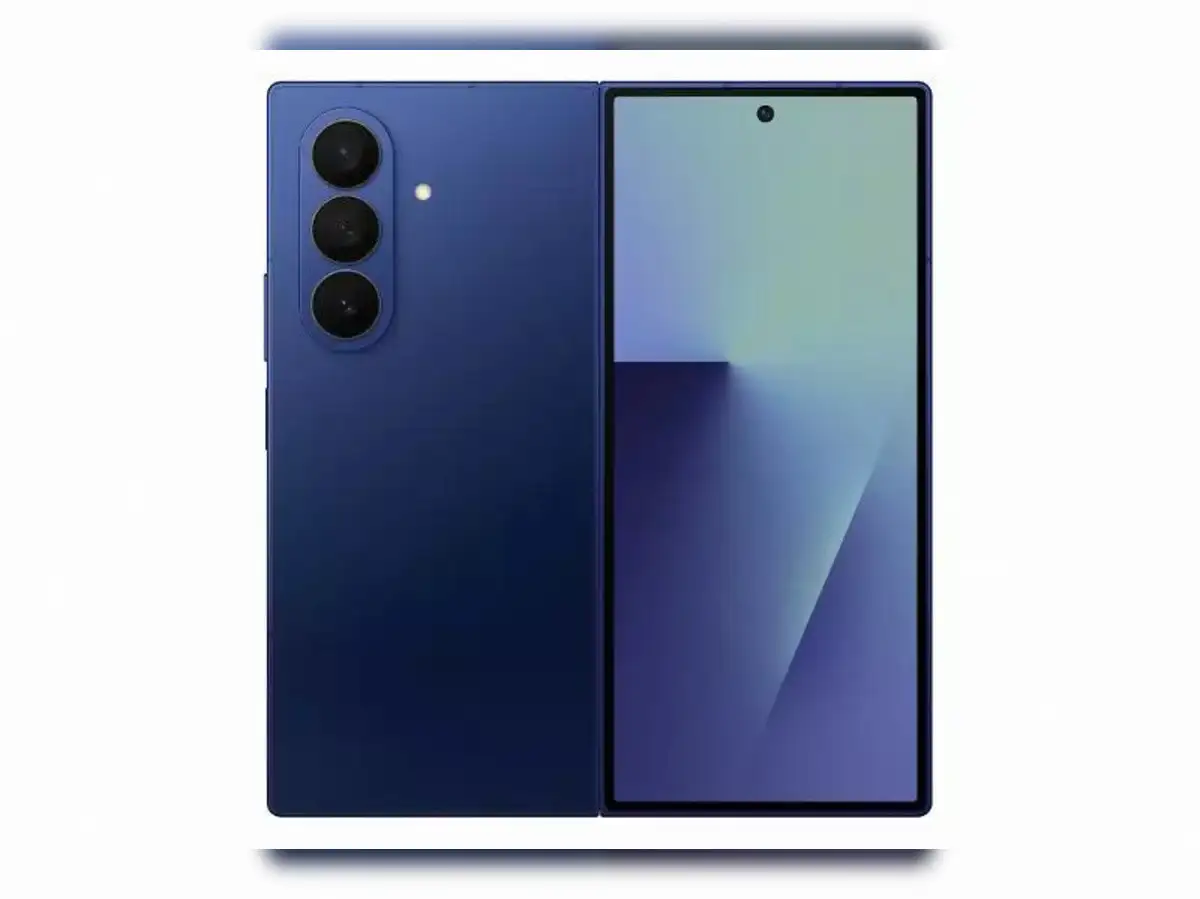
The Galaxy Z Fold 8 Could Be Samsung’s First Crease-Free Foldable — A Major Breakthrough for Foldable Phones

Share via:

Samsung’s foldable ambitions may be on the verge of a defining breakthrough. According to emerging reports highlighted by 9to5Google, the upcoming Galaxy Z Fold 8 could be the first Samsung foldable smartphone to launch without a visible display crease. If true, this would represent one of the most important milestones in the evolution of foldable phones, addressing a long-standing criticism that has followed the category since its inception.

For years, the crease has been the most visible reminder that foldable displays are still a compromise. Despite major improvements in durability, hinge design, and display materials, even Samsung’s most advanced foldables have retained a noticeable fold line down the center of the inner screen. The possibility that the Galaxy Z Fold 8 could eliminate this entirely suggests that Samsung may finally be ready to deliver a foldable experience that feels truly seamless.

The crease has never been just a cosmetic issue. For many users, it affects immersion, especially when reading, watching video, or working across the large inner display. It also serves as a psychological barrier for buyers considering their first foldable device. Removing it could significantly change how consumers perceive foldable phones and how confidently Samsung can position the Z Fold series as a true replacement for traditional slab smartphones.

Samsung has been steadily refining its foldable technology since the original Galaxy Fold. Each generation has reduced the visibility and depth of the crease through improved ultra-thin glass, hinge mechanisms, and internal support structures. However, the crease has remained visible under certain lighting conditions and tactile during scrolling. Reports around the Galaxy Z Fold 8 suggest that Samsung may now be close to solving the problem at a structural level rather than simply minimizing it.

Industry speculation points toward a redesigned hinge and new internal display layering as the key enablers. A crease-free foldable display requires more than just flexible glass. It depends on how stress is distributed across the panel when the device is folded and unfolded. If Samsung has found a way to disperse that stress evenly, the result could be a flat inner display that no longer bends sharply along a single line.

Such a development would not come overnight. Samsung Display has invested years into foldable panel research, and the Z Fold 8 may be the culmination of that effort. This also aligns with broader industry trends, as multiple manufacturers race to improve foldable form factors while addressing their weaknesses. Samsung, as the category leader, has more at stake than anyone else in getting this right.

The timing of these rumors is also notable. Foldable phones have matured significantly, but adoption has plateaued in some markets. While enthusiasts appreciate the multitasking benefits and futuristic design, mainstream buyers remain cautious due to price, durability concerns, and perceived compromises like the crease. A crease-free Galaxy Z Fold 8 could directly address one of the most visible drawbacks and help push foldables closer to mass-market acceptance.

From a design perspective, a crease-free inner display would dramatically improve the premium feel of the device. Samsung positions the Galaxy Z Fold series as its most advanced smartphone line, often priced well above traditional flagships. Delivering a flawless inner screen would reinforce that positioning and help justify the cost in the eyes of consumers.

There are also productivity implications. Samsung has increasingly marketed the Z Fold as a device for work as much as entertainment. Multitasking, split-screen apps, and stylus support all benefit from a smooth, uninterrupted display. A crease-free screen would make writing, drawing, and precise touch interactions more natural, particularly for users who rely on the Fold as a hybrid phone-tablet.

However, achieving a crease-free design is not without challenges. Any change to the hinge or display structure must maintain durability across hundreds of thousands of folds. Samsung has built a reputation for foldable reliability, and sacrificing longevity for aesthetics would be a risky trade-off. If the Galaxy Z Fold 8 does ship without a crease, it would suggest Samsung is confident the new design meets its durability standards.

Cost is another factor. Advanced materials and manufacturing processes could increase production complexity. Whether Samsung absorbs those costs or passes them on to consumers remains to be seen. However, as foldable production scales and technology matures, Samsung may be able to offset higher component costs through efficiency gains elsewhere.

The competitive implications are significant. Other manufacturers have made progress in reducing crease visibility, but Samsung’s global reach and brand recognition give it an outsized influence on market perception. A crease-free Galaxy Z Fold 8 would likely set a new benchmark, forcing competitors to accelerate their own display innovations.
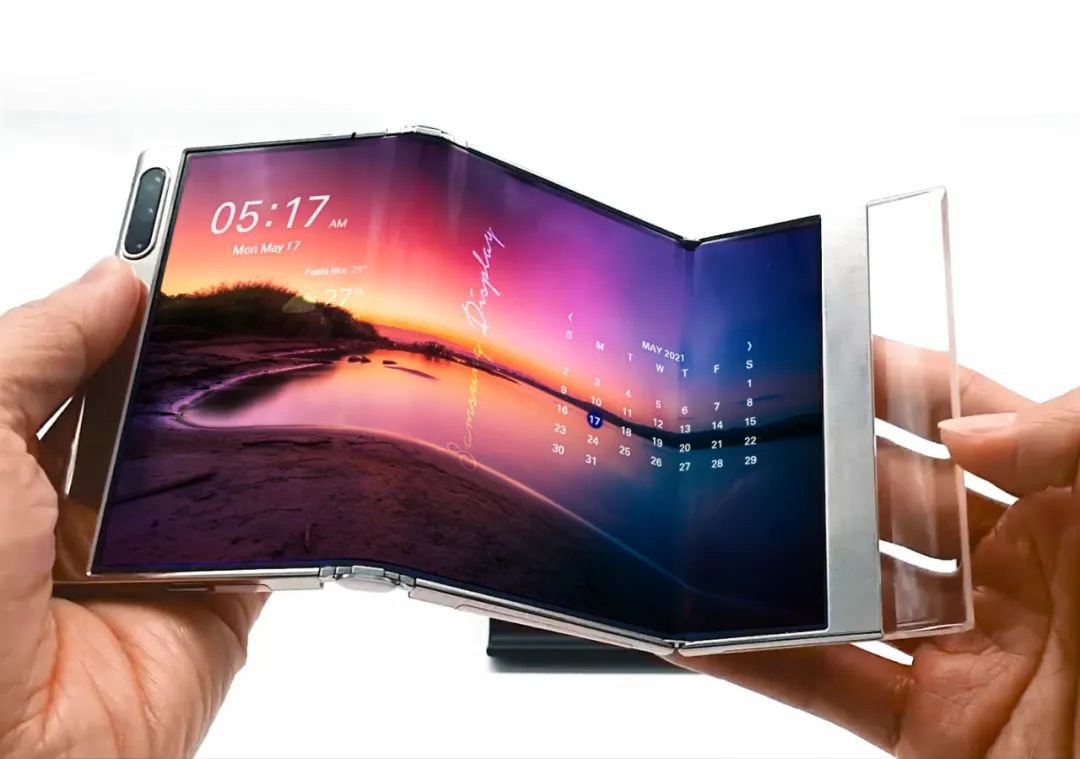
This development could also influence the broader smartphone market beyond foldables. As foldable displays approach the visual quality of traditional screens, the distinction between form factors becomes less about compromise and more about preference. Users may begin choosing foldables not because they are novel, but because they genuinely offer more usable screen space without drawbacks.

It is important to note that these reports remain unconfirmed. Samsung has not publicly commented on crease-free foldable displays or the Galaxy Z Fold 8’s design. As with many early rumors, final production models could differ from current expectations. Still, the consistency of reports suggests that meaningful progress is being made behind the scenes.

If Samsung does succeed, the Galaxy Z Fold 8 could represent a turning point similar to when early smartphones moved from resistive to capacitive touchscreens. At that moment, usability improved so dramatically that the category became inevitable. A crease-free foldable display could have a similar effect, removing one of the last obvious reminders that foldables are still experimental.

For consumers, this would mean a more immersive and natural large-screen experience. For Samsung, it would reinforce leadership in a category it helped create. For the industry, it would signal that foldable technology is entering a new phase of maturity.

As the launch window for the Galaxy Z Fold 8 approaches, attention will likely intensify around display leaks, supply chain reports, and prototype sightings. Each new detail will be scrutinized for signs that Samsung has indeed solved the crease problem.

Until then, the idea of a crease-free Galaxy Z Fold 8 remains one of the most intriguing possibilities in smartphone design. If Samsung delivers on this promise, it could redefine expectations for foldable phones and strengthen the case that the future of smartphones really does fold.

In the broader context of mobile innovation, the Galaxy Z Fold 8 represents more than a single product upgrade. It reflects the long-term evolution of display technology and Samsung’s determination to push beyond incremental improvements. Whether or not the crease truly disappears, the pursuit itself shows how far foldables have come and how close they may be to becoming the default form factor for high-end smartphones.


Disclaimer

We strive to uphold the highest ethical standards in all of our reporting and coverage. We StartupNews.fyi want to be transparent with our readers about any potential conflicts of interest that may arise in our work. It’s possible that some of the investors we feature may have connections to other businesses, including competitors or companies we write about. However, we want to assure our readers that this will not have any impact on the integrity or impartiality of our reporting. We are committed to delivering accurate, unbiased news and information to our audience, and we will continue to uphold our ethics and principles in all of our work. Thank you for your trust and support.

Popular

More Like this

The Galaxy Z Fold 8 Could Be Samsung’s First Crease-Free Foldable — A Major Breakthrough for Foldable Phones

Samsung’s foldable ambitions may be on the verge of a defining breakthrough. According to emerging reports highlighted by 9to5Google, the upcoming Galaxy Z Fold 8 could be the first Samsung foldable smartphone to launch without a visible display crease. If true, this would represent one of the most important milestones in the evolution of foldable phones, addressing a long-standing criticism that has followed the category since its inception.

For years, the crease has been the most visible reminder that foldable displays are still a compromise. Despite major improvements in durability, hinge design, and display materials, even Samsung’s most advanced foldables have retained a noticeable fold line down the center of the inner screen. The possibility that the Galaxy Z Fold 8 could eliminate this entirely suggests that Samsung may finally be ready to deliver a foldable experience that feels truly seamless.

The crease has never been just a cosmetic issue. For many users, it affects immersion, especially when reading, watching video, or working across the large inner display. It also serves as a psychological barrier for buyers considering their first foldable device. Removing it could significantly change how consumers perceive foldable phones and how confidently Samsung can position the Z Fold series as a true replacement for traditional slab smartphones.

Samsung has been steadily refining its foldable technology since the original Galaxy Fold. Each generation has reduced the visibility and depth of the crease through improved ultra-thin glass, hinge mechanisms, and internal support structures. However, the crease has remained visible under certain lighting conditions and tactile during scrolling. Reports around the Galaxy Z Fold 8 suggest that Samsung may now be close to solving the problem at a structural level rather than simply minimizing it.

Industry speculation points toward a redesigned hinge and new internal display layering as the key enablers. A crease-free foldable display requires more than just flexible glass. It depends on how stress is distributed across the panel when the device is folded and unfolded. If Samsung has found a way to disperse that stress evenly, the result could be a flat inner display that no longer bends sharply along a single line.

Such a development would not come overnight. Samsung Display has invested years into foldable panel research, and the Z Fold 8 may be the culmination of that effort. This also aligns with broader industry trends, as multiple manufacturers race to improve foldable form factors while addressing their weaknesses. Samsung, as the category leader, has more at stake than anyone else in getting this right.

The timing of these rumors is also notable. Foldable phones have matured significantly, but adoption has plateaued in some markets. While enthusiasts appreciate the multitasking benefits and futuristic design, mainstream buyers remain cautious due to price, durability concerns, and perceived compromises like the crease. A crease-free Galaxy Z Fold 8 could directly address one of the most visible drawbacks and help push foldables closer to mass-market acceptance.

From a design perspective, a crease-free inner display would dramatically improve the premium feel of the device. Samsung positions the Galaxy Z Fold series as its most advanced smartphone line, often priced well above traditional flagships. Delivering a flawless inner screen would reinforce that positioning and help justify the cost in the eyes of consumers.

There are also productivity implications. Samsung has increasingly marketed the Z Fold as a device for work as much as entertainment. Multitasking, split-screen apps, and stylus support all benefit from a smooth, uninterrupted display. A crease-free screen would make writing, drawing, and precise touch interactions more natural, particularly for users who rely on the Fold as a hybrid phone-tablet.

However, achieving a crease-free design is not without challenges. Any change to the hinge or display structure must maintain durability across hundreds of thousands of folds. Samsung has built a reputation for foldable reliability, and sacrificing longevity for aesthetics would be a risky trade-off. If the Galaxy Z Fold 8 does ship without a crease, it would suggest Samsung is confident the new design meets its durability standards.

Cost is another factor. Advanced materials and manufacturing processes could increase production complexity. Whether Samsung absorbs those costs or passes them on to consumers remains to be seen. However, as foldable production scales and technology matures, Samsung may be able to offset higher component costs through efficiency gains elsewhere.

The competitive implications are significant. Other manufacturers have made progress in reducing crease visibility, but Samsung’s global reach and brand recognition give it an outsized influence on market perception. A crease-free Galaxy Z Fold 8 would likely set a new benchmark, forcing competitors to accelerate their own display innovations.

This development could also influence the broader smartphone market beyond foldables. As foldable displays approach the visual quality of traditional screens, the distinction between form factors becomes less about compromise and more about preference. Users may begin choosing foldables not because they are novel, but because they genuinely offer more usable screen space without drawbacks.

It is important to note that these reports remain unconfirmed. Samsung has not publicly commented on crease-free foldable displays or the Galaxy Z Fold 8’s design. As with many early rumors, final production models could differ from current expectations. Still, the consistency of reports suggests that meaningful progress is being made behind the scenes.

If Samsung does succeed, the Galaxy Z Fold 8 could represent a turning point similar to when early smartphones moved from resistive to capacitive touchscreens. At that moment, usability improved so dramatically that the category became inevitable. A crease-free foldable display could have a similar effect, removing one of the last obvious reminders that foldables are still experimental.

For consumers, this would mean a more immersive and natural large-screen experience. For Samsung, it would reinforce leadership in a category it helped create. For the industry, it would signal that foldable technology is entering a new phase of maturity.

As the launch window for the Galaxy Z Fold 8 approaches, attention will likely intensify around display leaks, supply chain reports, and prototype sightings. Each new detail will be scrutinized for signs that Samsung has indeed solved the crease problem.

Until then, the idea of a crease-free Galaxy Z Fold 8 remains one of the most intriguing possibilities in smartphone design. If Samsung delivers on this promise, it could redefine expectations for foldable phones and strengthen the case that the future of smartphones really does fold.

In the broader context of mobile innovation, the Galaxy Z Fold 8 represents more than a single product upgrade. It reflects the long-term evolution of display technology and Samsung’s determination to push beyond incremental improvements. Whether or not the crease truly disappears, the pursuit itself shows how far foldables have come and how close they may be to becoming the default form factor for high-end smartphones.

Disclaimer

We strive to uphold the highest ethical standards in all of our reporting and coverage. We StartupNews.fyi want to be transparent with our readers about any potential conflicts of interest that may arise in our work. It’s possible that some of the investors we feature may have connections to other businesses, including competitors or companies we write about. However, we want to assure our readers that this will not have any impact on the integrity or impartiality of our reporting. We are committed to delivering accurate, unbiased news and information to our audience, and we will continue to uphold our ethics and principles in all of our work. Thank you for your trust and support.

Website Upgradation is going on for any glitch kindly connect at office@startupnews.fyi

More like this

Own a Samsung smartwatch? My 30-second routine will keep...

Follow ZDNET: Add us as a...

UK Police Blame Microsoft Copilot for Intelligence Mistake

The chief constable of one of Britain's largest...

Google Wallet is finally improving transaction history

Edgar Cervantes / Android AuthorityTL;DR Google Wallet will soon let...

Popular

iptv iptv iptv iptv iptv iptv iptv iptv iptv iptv iptv iptv iptv iptv iptv iptv iptv iptv iptv iptv iptv iptv iptv iptv iptv iptv iptv iptv iptv iptv iptv iptv iptv iptv iptv iptv iptv iptv iptv iptv iptv iptv iptv iptv iptv iptv iptv iptv iptv iptv iptv iptv iptv iptv iptv iptv iptv iptv iptv iptv iptv iptv iptv iptv iptv iptv iptv iptv iptv iptv iptv iptv iptv iptv iptv iptv iptv iptv iptv iptv iptv iptv iptv iptv iptv iptv iptv iptv iptv iptv iptv iptv iptv iptv iptv iptv iptv iptv iptv iptv iptv iptv iptv iptv iptv iptv iptv iptv iptv iptv iptv iptv iptv iptv iptv iptv iptv iptv iptv iptv iptv iptv iptv iptv iptv iptv iptv iptv iptv iptv iptv iptv iptv iptv iptv iptv iptv iptv iptv iptv iptv iptv iptv iptv iptv iptv iptv iptv iptv iptv iptv iptv iptv iptv iptv iptv iptv iptv iptv iptv iptv iptv iptv iptv iptv iptv iptv iptv iptv iptv iptv iptv iptv iptv iptv iptv iptv iptv iptv iptv iptv iptv iptv iptv iptv iptv iptv iptv iptv iptv iptv iptv iptv iptv iptv iptv iptv iptv iptv iptv iptv iptv iptv iptv iptv iptv iptv iptv iptv iptv iptv iptv iptv iptv iptv iptv iptv iptv iptv iptv iptv iptv iptv iptv iptv iptv iptv iptv iptv iptv iptv iptv iptv iptv iptv iptv iptv iptv iptv iptv iptv iptv iptv iptv iptv iptv iptv iptv iptv iptv iptv iptv iptv iptv iptv iptv iptv iptv iptv iptv iptv iptv iptv iptv iptv iptv iptv iptv iptv iptv iptv iptv iptv iptv iptv iptv iptv iptv iptv iptv iptv iptv iptv iptv iptv iptv iptv iptv iptv iptv iptv iptv iptv iptv iptv iptv iptv iptv iptv iptv iptv iptv iptv iptv iptv iptv iptv iptv iptv iptv iptv iptv iptv iptv iptv iptv iptv iptv iptv iptv iptv iptv iptv iptv iptv iptv iptv iptv iptv iptv iptv iptv iptv iptv iptv iptv iptv iptv iptv iptv iptv iptv iptv iptv iptv iptv iptv iptv iptv iptv iptv iptv iptv iptv iptv iptv iptv iptv iptv iptv iptv iptv iptv iptv iptv iptv iptv iptv iptv iptv iptv iptv iptv iptv iptv iptv iptv iptv iptv iptv iptv iptv iptv iptv iptv iptv iptv iptv iptv iptv iptv iptv iptv iptv iptv iptv iptv iptv iptv iptv iptv iptv iptv iptv iptv iptv iptv iptv iptv iptv iptv iptv iptv iptv iptv iptv iptv iptv iptv iptv iptv iptv iptv iptv iptv iptv iptv iptv iptv iptv iptv iptv iptv iptv iptv iptv iptv iptv iptv iptv iptv iptv iptv iptv iptv iptv iptv iptv iptv iptv iptv iptv iptv iptv iptv iptv iptv iptv iptv iptv iptv iptv iptv iptv iptv iptv iptv iptv iptv iptv iptv iptv iptv iptv iptv iptv