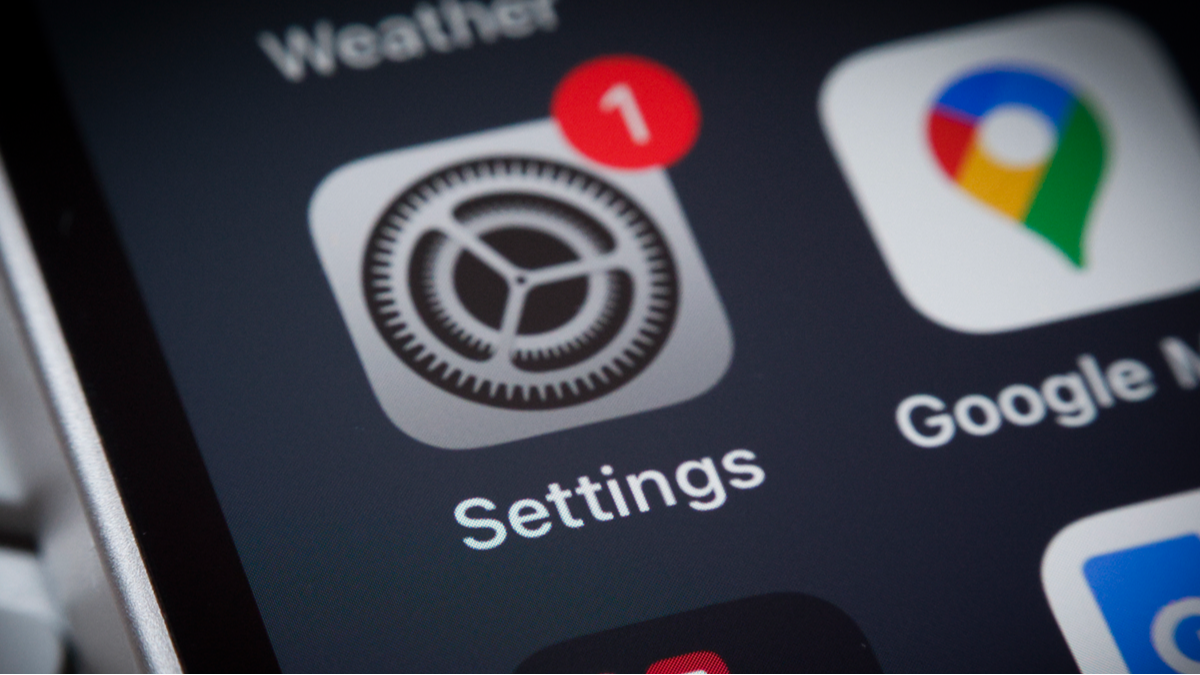
Urgent Warning for iPhone Users as Security Experts Push Immediate iOS Update

Share via:

A fresh warning has been issued to millions of iPhone users worldwide, with cybersecurity experts urging immediate action. The alert follows the discovery of new security vulnerabilities that could allow attackers to compromise devices that are not fully updated.

At the centre of the warning is Apple, whose iOS operating system powers more than a billion active devices globally. While Apple is known for strong security controls, researchers have highlighted that even small delays in installing updates can expose users to significant risks.

The issue is not theoretical. According to security analysts, real-world attacks are already exploiting these weaknesses, making this one of the most urgent update warnings issued to iPhone users in recent months.

Why This Warning Matters Right Now

Smartphones have become digital keys to personal and professional lives. iPhones store private conversations, financial information, health data, location history, and access to cloud services. Any vulnerability that allows unauthorized access can have far-reaching consequences.

Experts say the latest flaws affect core parts of iOS, meaning attackers could potentially run malicious code without the user realizing it. In some cases, simply receiving a malicious message or visiting a compromised website may be enough to trigger an attack.

This is why security professionals are stressing urgency. Devices that are not updated are effectively running with known weaknesses, making them easier targets for cybercriminals.

What Security Researchers Have Discovered

The current warning follows reports that sophisticated malware campaigns are actively exploiting newly discovered vulnerabilities. These flaws reportedly allow attackers to bypass certain protections built into iOS, opening the door to surveillance, data theft, or persistent malware installation.

Unlike older forms of mobile malware that required users to download suspicious apps, newer attack methods can operate silently. This makes detection difficult and increases the importance of preventive measures such as timely software updates.

Researchers have also warned that some attacks may be highly targeted, focusing on journalists, business leaders, and individuals with access to sensitive information. However, once exploits become public knowledge, they often spread quickly to broader criminal networks.

Apple’s Response and the Importance of Updates

Apple has responded by releasing security updates designed to close the identified gaps. These updates include patches that address how iOS handles certain types of content and processes system-level instructions.

While Apple regularly releases updates, security experts emphasize that users often delay installing them. Reasons range from concerns about storage space to fears that updates might slow older devices. However, professionals consistently stress that the security benefits outweigh these concerns.

Apple has stated in past advisories that delayed updates remain one of the most common reasons devices become compromised, even on platforms known for strong security.

How Modern iPhone Attacks Work

Modern smartphone attacks are no longer limited to obvious scams or fake apps. Many rely on so-called “zero-click” exploits, where no user interaction is required. These attacks can be triggered by incoming data processed automatically by the system.

In practical terms, this means an attacker could send a specially crafted message or packet of data that exploits a flaw before the user ever sees anything on their screen.

Because these techniques operate at a technical level, users may notice no warning signs. Battery drain, unusual data usage, or overheating can occur, but these symptoms are often subtle or attributed to normal device behavior.

Why All iPhone Models Are Affected

One of the reasons experts are urging everyone to update is that the vulnerabilities reportedly affect a wide range of iPhone models, including newer devices. Security flaws are typically tied to software, not hardware, meaning age does not guarantee protection.

Whether someone is using a recent iPhone or an older model still supported by Apple, failing to update leaves the device exposed. This universality makes widespread compliance critical to limiting the overall impact of the threat.

The Broader Cybersecurity Context

The warning comes amid a broader rise in mobile-focused cybercrime. As smartphones become primary computing devices for many people, attackers follow the data.

Financial fraud, corporate espionage, and identity theft increasingly rely on mobile access. Compromised phones can provide entry points to email, cloud storage, and workplace systems, amplifying the damage beyond the device itself.

Security researchers note that nation-state actors and organized cybercriminal groups are investing heavily in mobile exploits, viewing them as high-value tools.

What This Means for Businesses and Founders

For startups and businesses, the warning extends beyond individual users. Employees often access company systems, messaging platforms, and documents from personal phones. An unpatched device can become a weak link in an otherwise secure organization.

Many companies now enforce mobile device management policies that require timely updates. However, smaller teams and early-stage startups may lack formal controls, making awareness even more important.

This incident highlights why cybersecurity hygiene is no longer optional, even for consumer devices.

Global Relevance (GEO Section)

The iPhone security warning is globally relevant across major markets including the USA, UK, UAE, Germany, Australia, and France. iPhones are widely used in both personal and professional contexts in these regions, and mobile security regulations are becoming stricter worldwide. As cyber threats increasingly cross borders, timely software updates remain one of the most effective universal protections available to users regardless of location.

The Cost of Ignoring Updates

History shows that delayed updates often lead to preventable breaches. Past incidents have demonstrated how known vulnerabilities, once exploited at scale, can affect millions of users in a matter of weeks.

For individuals, the cost may include data theft, financial loss, or privacy violations. For businesses, compromised devices can result in regulatory penalties, reputational damage, and operational disruption.

Experts stress that updating software is one of the simplest yet most effective cybersecurity actions available to everyday users.

Apple’s Long-Term Security Strategy

Apple has increasingly positioned privacy and security as core differentiators. The company invests heavily in security research, bug bounty programs, and rapid patch deployment.

However, Apple’s model still depends on user participation. Updates only work if they are installed. This shared responsibility between platform provider and user is why public warnings remain necessary.

The latest alert reinforces the reality that even the most secure ecosystems require vigilance.

Looking Ahead

As mobile threats continue to evolve, experts expect security updates to become more frequent and more critical. Automation, AI-driven attacks, and advanced exploit chains mean vulnerabilities may be exploited faster than ever before.

For users, this means adapting habits. Treating updates as optional is increasingly risky in a connected world where phones function as digital identities.

Closing Perspective

The current warning to iPhone users is a reminder that cybersecurity is not static. Even trusted platforms require constant maintenance to stay secure.

By urging immediate updates, experts are emphasizing prevention over reaction. In a landscape where mobile devices are deeply embedded in daily life, staying current with software updates is one of the most effective defenses available.

In simple terms, security experts are urging all iPhone users to update their devices immediately after serious vulnerabilities were found that could allow hackers to access data and install malware.


Disclaimer

We strive to uphold the highest ethical standards in all of our reporting and coverage. We StartupNews.fyi want to be transparent with our readers about any potential conflicts of interest that may arise in our work. It’s possible that some of the investors we feature may have connections to other businesses, including competitors or companies we write about. However, we want to assure our readers that this will not have any impact on the integrity or impartiality of our reporting. We are committed to delivering accurate, unbiased news and information to our audience, and we will continue to uphold our ethics and principles in all of our work. Thank you for your trust and support.

Popular

More Like this

Urgent Warning for iPhone Users as Security Experts Push Immediate iOS Update

A fresh warning has been issued to millions of iPhone users worldwide, with cybersecurity experts urging immediate action. The alert follows the discovery of new security vulnerabilities that could allow attackers to compromise devices that are not fully updated.

At the centre of the warning is Apple, whose iOS operating system powers more than a billion active devices globally. While Apple is known for strong security controls, researchers have highlighted that even small delays in installing updates can expose users to significant risks.

The issue is not theoretical. According to security analysts, real-world attacks are already exploiting these weaknesses, making this one of the most urgent update warnings issued to iPhone users in recent months.

Why This Warning Matters Right Now

Smartphones have become digital keys to personal and professional lives. iPhones store private conversations, financial information, health data, location history, and access to cloud services. Any vulnerability that allows unauthorized access can have far-reaching consequences.

Experts say the latest flaws affect core parts of iOS, meaning attackers could potentially run malicious code without the user realizing it. In some cases, simply receiving a malicious message or visiting a compromised website may be enough to trigger an attack.

This is why security professionals are stressing urgency. Devices that are not updated are effectively running with known weaknesses, making them easier targets for cybercriminals.

What Security Researchers Have Discovered

The current warning follows reports that sophisticated malware campaigns are actively exploiting newly discovered vulnerabilities. These flaws reportedly allow attackers to bypass certain protections built into iOS, opening the door to surveillance, data theft, or persistent malware installation.

Unlike older forms of mobile malware that required users to download suspicious apps, newer attack methods can operate silently. This makes detection difficult and increases the importance of preventive measures such as timely software updates.

Researchers have also warned that some attacks may be highly targeted, focusing on journalists, business leaders, and individuals with access to sensitive information. However, once exploits become public knowledge, they often spread quickly to broader criminal networks.

Apple’s Response and the Importance of Updates

Apple has responded by releasing security updates designed to close the identified gaps. These updates include patches that address how iOS handles certain types of content and processes system-level instructions.

While Apple regularly releases updates, security experts emphasize that users often delay installing them. Reasons range from concerns about storage space to fears that updates might slow older devices. However, professionals consistently stress that the security benefits outweigh these concerns.

Apple has stated in past advisories that delayed updates remain one of the most common reasons devices become compromised, even on platforms known for strong security.

How Modern iPhone Attacks Work

Modern smartphone attacks are no longer limited to obvious scams or fake apps. Many rely on so-called “zero-click” exploits, where no user interaction is required. These attacks can be triggered by incoming data processed automatically by the system.

In practical terms, this means an attacker could send a specially crafted message or packet of data that exploits a flaw before the user ever sees anything on their screen.

Because these techniques operate at a technical level, users may notice no warning signs. Battery drain, unusual data usage, or overheating can occur, but these symptoms are often subtle or attributed to normal device behavior.

Why All iPhone Models Are Affected

One of the reasons experts are urging everyone to update is that the vulnerabilities reportedly affect a wide range of iPhone models, including newer devices. Security flaws are typically tied to software, not hardware, meaning age does not guarantee protection.

Whether someone is using a recent iPhone or an older model still supported by Apple, failing to update leaves the device exposed. This universality makes widespread compliance critical to limiting the overall impact of the threat.

The Broader Cybersecurity Context

The warning comes amid a broader rise in mobile-focused cybercrime. As smartphones become primary computing devices for many people, attackers follow the data.

Financial fraud, corporate espionage, and identity theft increasingly rely on mobile access. Compromised phones can provide entry points to email, cloud storage, and workplace systems, amplifying the damage beyond the device itself.

Security researchers note that nation-state actors and organized cybercriminal groups are investing heavily in mobile exploits, viewing them as high-value tools.

What This Means for Businesses and Founders

For startups and businesses, the warning extends beyond individual users. Employees often access company systems, messaging platforms, and documents from personal phones. An unpatched device can become a weak link in an otherwise secure organization.

Many companies now enforce mobile device management policies that require timely updates. However, smaller teams and early-stage startups may lack formal controls, making awareness even more important.

This incident highlights why cybersecurity hygiene is no longer optional, even for consumer devices.

Global Relevance (GEO Section)

The iPhone security warning is globally relevant across major markets including the USA, UK, UAE, Germany, Australia, and France. iPhones are widely used in both personal and professional contexts in these regions, and mobile security regulations are becoming stricter worldwide. As cyber threats increasingly cross borders, timely software updates remain one of the most effective universal protections available to users regardless of location.

The Cost of Ignoring Updates

History shows that delayed updates often lead to preventable breaches. Past incidents have demonstrated how known vulnerabilities, once exploited at scale, can affect millions of users in a matter of weeks.

For individuals, the cost may include data theft, financial loss, or privacy violations. For businesses, compromised devices can result in regulatory penalties, reputational damage, and operational disruption.

Experts stress that updating software is one of the simplest yet most effective cybersecurity actions available to everyday users.

Apple’s Long-Term Security Strategy

Apple has increasingly positioned privacy and security as core differentiators. The company invests heavily in security research, bug bounty programs, and rapid patch deployment.

However, Apple’s model still depends on user participation. Updates only work if they are installed. This shared responsibility between platform provider and user is why public warnings remain necessary.

The latest alert reinforces the reality that even the most secure ecosystems require vigilance.

Looking Ahead

As mobile threats continue to evolve, experts expect security updates to become more frequent and more critical. Automation, AI-driven attacks, and advanced exploit chains mean vulnerabilities may be exploited faster than ever before.

For users, this means adapting habits. Treating updates as optional is increasingly risky in a connected world where phones function as digital identities.

Closing Perspective

The current warning to iPhone users is a reminder that cybersecurity is not static. Even trusted platforms require constant maintenance to stay secure.

By urging immediate updates, experts are emphasizing prevention over reaction. In a landscape where mobile devices are deeply embedded in daily life, staying current with software updates is one of the most effective defenses available.

In simple terms, security experts are urging all iPhone users to update their devices immediately after serious vulnerabilities were found that could allow hackers to access data and install malware.

Disclaimer

We strive to uphold the highest ethical standards in all of our reporting and coverage. We StartupNews.fyi want to be transparent with our readers about any potential conflicts of interest that may arise in our work. It’s possible that some of the investors we feature may have connections to other businesses, including competitors or companies we write about. However, we want to assure our readers that this will not have any impact on the integrity or impartiality of our reporting. We are committed to delivering accurate, unbiased news and information to our audience, and we will continue to uphold our ethics and principles in all of our work. Thank you for your trust and support.

Website Upgradation is going on for any glitch kindly connect at office@startupnews.fyi

More like this

Can A.I. Generate New Ideas?

Systems like OpenAI’s GPT-5 are accelerating research in math,...

Google’s Trends Explore page gets new Gemini capabilities 

Google announced Wednesday the launch of a revamped...

Femtech Brand Pee Safe Bags $32 Mn From OrbiMed

SUMMARY Pee Safe has secured $32 Mn (INR 290...

Popular

iptv iptv iptv iptv iptv iptv iptv iptv iptv iptv iptv iptv iptv iptv iptv iptv iptv iptv iptv iptv iptv iptv iptv iptv iptv iptv iptv iptv iptv iptv iptv iptv iptv iptv iptv iptv iptv iptv iptv iptv iptv iptv iptv iptv iptv iptv iptv iptv iptv iptv iptv iptv iptv iptv iptv iptv iptv iptv iptv iptv iptv iptv iptv iptv iptv iptv iptv iptv iptv iptv iptv iptv iptv iptv iptv iptv iptv iptv iptv iptv iptv iptv iptv iptv iptv iptv iptv iptv iptv iptv iptv iptv iptv iptv iptv iptv iptv iptv iptv iptv iptv iptv iptv iptv iptv iptv iptv iptv iptv iptv iptv iptv iptv iptv iptv iptv iptv iptv iptv iptv iptv iptv iptv iptv iptv iptv iptv iptv iptv iptv iptv iptv iptv iptv iptv iptv iptv iptv iptv iptv iptv iptv iptv iptv iptv iptv iptv iptv iptv iptv iptv iptv iptv iptv iptv iptv iptv iptv iptv iptv iptv iptv iptv iptv iptv iptv iptv iptv iptv iptv iptv iptv iptv iptv iptv iptv iptv iptv iptv iptv iptv iptv iptv iptv iptv iptv iptv iptv iptv iptv iptv iptv iptv iptv iptv iptv iptv iptv iptv iptv iptv iptv iptv iptv iptv iptv iptv iptv iptv iptv iptv iptv iptv iptv iptv iptv iptv iptv iptv iptv iptv iptv iptv iptv iptv iptv iptv iptv iptv iptv iptv iptv iptv iptv iptv iptv iptv iptv iptv iptv iptv iptv iptv iptv iptv iptv iptv iptv iptv iptv iptv iptv iptv iptv iptv iptv iptv iptv iptv iptv iptv iptv iptv iptv iptv iptv iptv iptv iptv iptv iptv iptv iptv iptv iptv iptv iptv iptv iptv iptv iptv iptv iptv iptv iptv iptv iptv iptv iptv iptv iptv iptv iptv iptv iptv iptv iptv iptv iptv iptv iptv iptv iptv iptv iptv iptv iptv iptv iptv iptv iptv iptv iptv iptv iptv iptv iptv iptv iptv iptv iptv iptv iptv iptv iptv iptv iptv iptv iptv iptv iptv iptv iptv iptv iptv iptv iptv iptv iptv iptv iptv iptv iptv iptv iptv iptv iptv iptv iptv iptv iptv iptv iptv iptv iptv iptv iptv iptv iptv iptv iptv iptv iptv iptv iptv iptv iptv iptv iptv iptv iptv iptv iptv iptv iptv iptv iptv iptv iptv iptv iptv iptv iptv iptv iptv iptv iptv iptv iptv iptv iptv iptv iptv iptv iptv iptv iptv iptv iptv iptv iptv iptv iptv iptv iptv iptv iptv iptv iptv iptv iptv iptv iptv iptv iptv iptv iptv iptv iptv iptv iptv iptv iptv iptv iptv iptv iptv iptv iptv iptv iptv iptv iptv iptv iptv iptv iptv iptv iptv iptv iptv iptv iptv iptv iptv iptv iptv iptv iptv iptv iptv iptv iptv iptv iptv iptv iptv iptv iptv iptv iptv iptv iptv iptv iptv iptv iptv iptv iptv iptv iptv iptv iptv iptv iptv iptv