iPhone 17 Pro Gets a Retro Makeover With Case Inspired by 1984 Macintosh

Share via:

Apple’s design history is one of the most influential narratives in modern technology. From beige plastic computers to glass-and-metal smartphones, the company has repeatedly redefined how technology looks and feels. Now, that history is being revisited in an unexpected way.

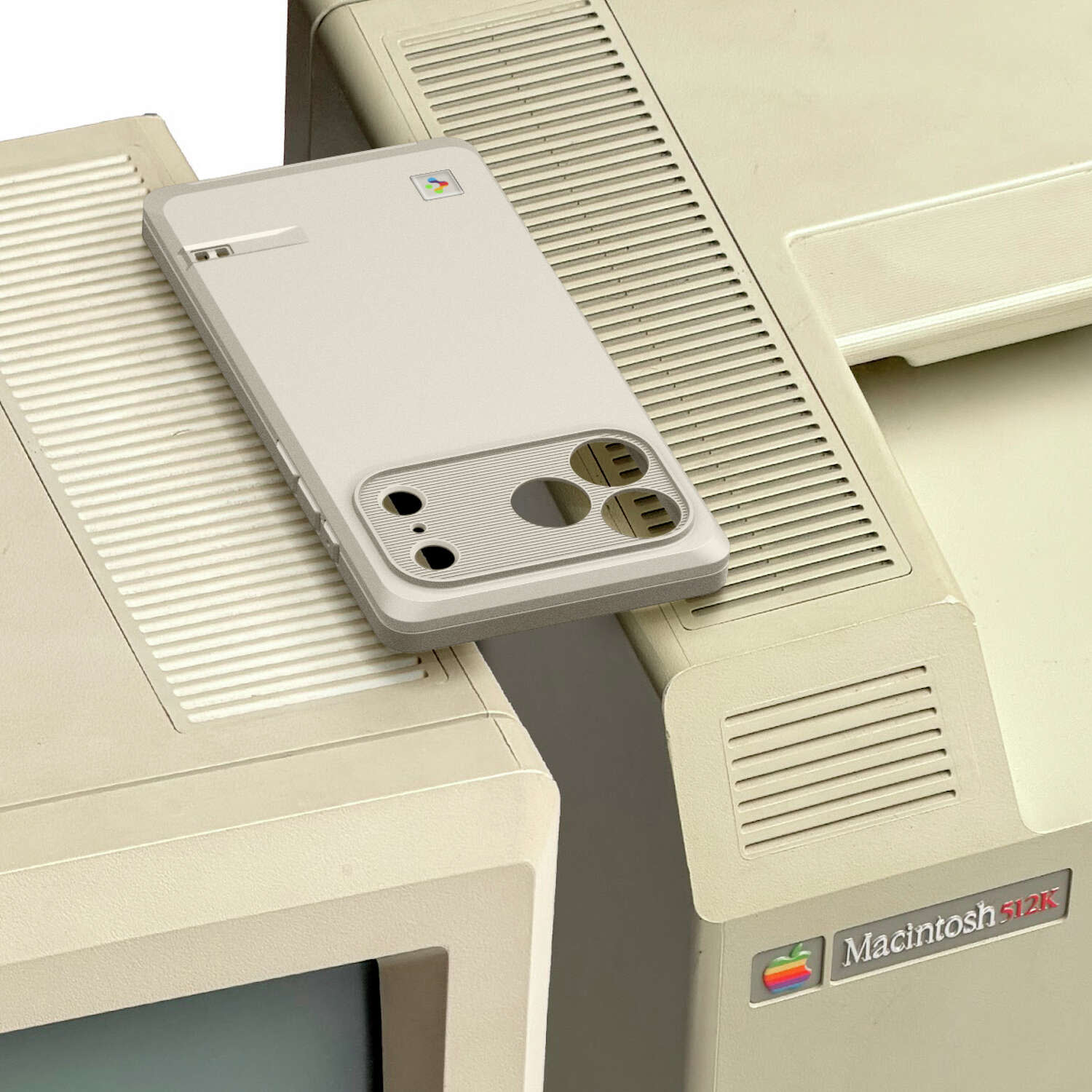
A newly revealed case for the upcoming Apple iPhone 17 Pro pays tribute to one of the most iconic products ever made: the original Macintosh. The case reimagines the design language of the 1984 Mac for a modern smartphone, blending nostalgia with contemporary mobile culture.

The accessory has quickly gained attention among Apple fans, collectors, and design enthusiasts, not because it adds new functionality, but because it connects today’s flagship device to the moment Apple first changed personal computing.

Why the 1984 Macintosh Still Matters

The original Macintosh, unveiled in 1984, represented a radical shift in how people interacted with computers. It introduced the graphical user interface to a mass audience and helped establish Apple as a company driven by design, accessibility, and bold thinking.

Even decades later, the Macintosh remains a cultural symbol. Its compact shape, smiling screen, and vertical vents are instantly recognizable. For many, it represents the moment technology became personal.

By referencing the Macintosh, the iPhone 17 Pro case is not just copying a retro look. It is tapping into a shared memory of innovation, rebellion, and creative ambition that still defines Apple’s brand identity.

The Design Details Behind the Case

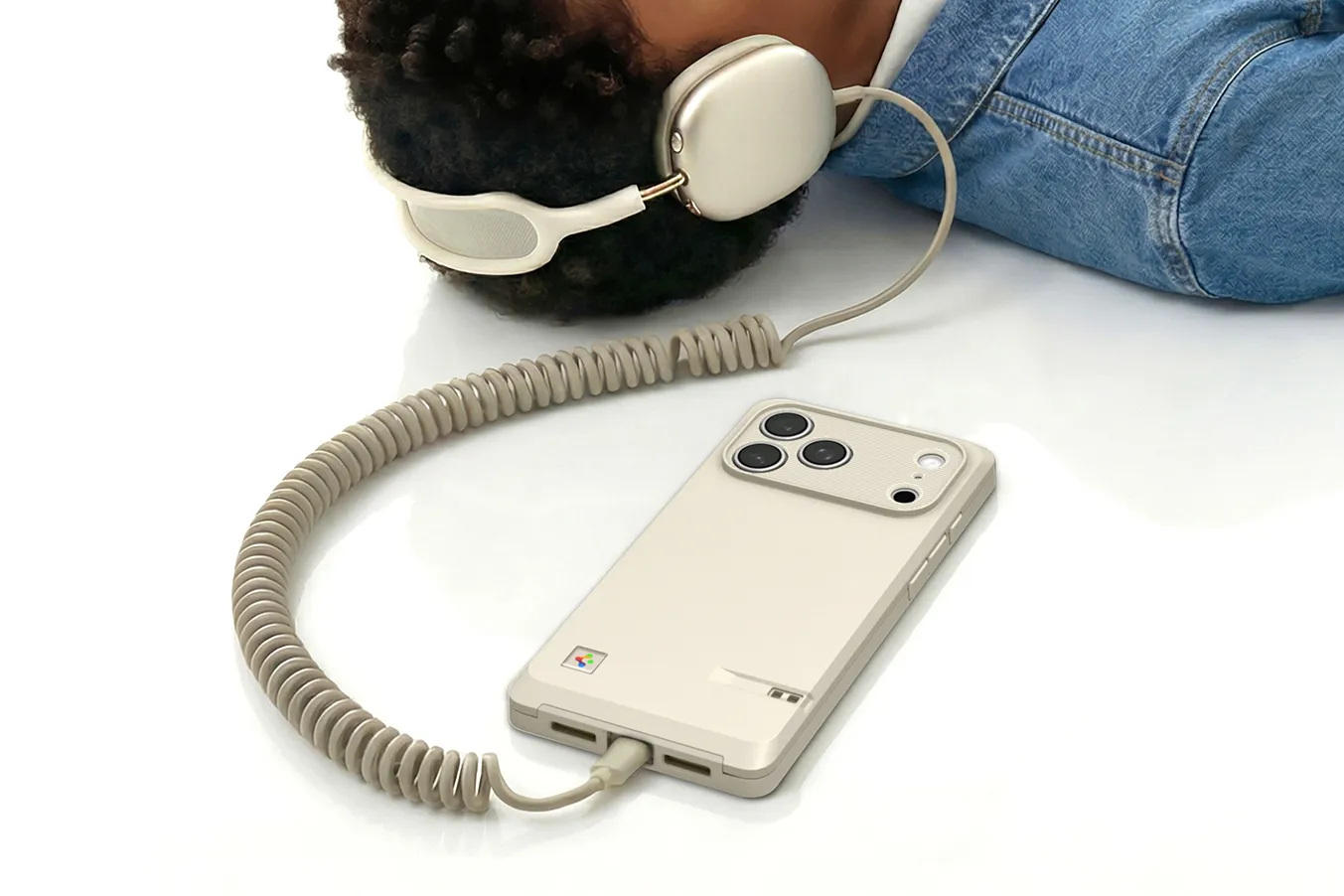
The case draws directly from the visual language of the 1984 Macintosh. It features a light beige finish reminiscent of early Apple plastics, along with etched or molded details that mirror the Mac’s front panel.

Elements such as faux floppy drive lines, retro vent patterns, and subtle references to the original Macintosh proportions are integrated into the case’s surface. Some versions even include a small nod to the original Mac’s screen area, cleverly adapted to fit around the iPhone’s camera system.

Despite its nostalgic appearance, the case is designed to fit the modern contours of the iPhone 17 Pro. Cutouts align precisely with buttons, ports, and camera lenses, ensuring it functions like any contemporary protective case.

Nostalgia as a Design Trend in Tech

The popularity of this case reflects a broader trend in technology design. Nostalgia has become a powerful force, particularly as devices grow increasingly similar in shape and function.

For many users, accessories offer a way to personalize devices that otherwise look nearly identical. Retro-inspired cases, skins, and wallpapers allow owners to express individuality while celebrating technology history.

Apple itself has leaned into nostalgia in subtle ways, referencing its past in keynote presentations, marketing visuals, and anniversary content. Third-party accessories now extend that narrative into everyday use.
Why This Case Resonates With iPhone Users

The iPhone 17 Pro represents cutting-edge hardware, advanced cameras, and AI-powered software. Pairing it with a case inspired by a 40-year-old computer creates a striking contrast.

That contrast is part of the appeal. It reminds users how far technology has come while honoring where it started. For longtime Apple fans, the case evokes emotional attachment. For younger users, it introduces a piece of Apple history in a tangible, playful form.

In an era where smartphones are essential tools rather than exciting novelties, design-driven accessories help restore a sense of fun and personality.

The Role of Accessories in Apple’s Ecosystem

Apple’s ecosystem extends far beyond devices. Accessories play a critical role in how users experience and personalize their products.

While Apple itself sells cases and bands, third-party makers often take more creative risks. Retro-inspired designs, artistic collaborations, and niche aesthetics flourish in this space.

The iPhone 17 Pro Macintosh-style case fits squarely into that ecosystem. It does not compete with Apple’s minimalist design philosophy but complements it by offering an optional layer of expression.

A Reflection of Apple’s Cultural Influence

Few technology companies have a history recognizable enough to inspire accessories decades later. The fact that a 1984 computer can still influence product design in 2026 speaks to Apple’s cultural reach.

The Macintosh was not just a computer; it was a statement about creativity and human-centered design. That legacy continues to shape how Apple is perceived today.

By carrying a modern iPhone in a case modeled after the original Mac, users symbolically connect past and present, reinforcing Apple’s narrative as a company rooted in both innovation and identity.

The Timing Around the iPhone 17 Pro

The emergence of this case ahead of the iPhone 17 Pro launch is also significant. Pre-launch periods often generate heightened interest in accessories as enthusiasts prepare to customize their new devices.

Speculation around the iPhone 17 Pro suggests refinements in design, performance, and AI capabilities. Against that backdrop, a retro case offers a counterbalance to the forward-looking nature of the device itself.

It also highlights how accessories can shape perception, making a familiar slab of glass feel more distinctive and personal.

Retro Design and Modern Protection

Despite its vintage inspiration, the case is built for modern expectations. Materials are selected to provide drop protection, grip, and durability.

Manufacturers must balance aesthetic fidelity with practical considerations such as weight, heat dissipation, and compatibility with wireless charging. Early impressions suggest that the Macintosh-inspired case manages this balance without sacrificing usability.

This reflects how far accessory design has come since the early days of mobile phones, where cases were often bulky and purely functional.

Community Reaction and Online Buzz

Apple fan communities have responded enthusiastically to images of the case circulating online. Social media platforms and forums dedicated to Apple hardware have shared photos, mockups, and reactions.

Many users describe the case as a conversation starter, while others see it as a collectible item rather than an everyday accessory. The emotional response highlights how deeply Apple’s early products remain embedded in tech culture.

The case also appeals to designers and creatives who admire the Macintosh’s role in shaping digital art, publishing, and user interface design.

Global Relevance (GEO Section)

The iPhone 17 Pro Macintosh-inspired case has relevance across major markets including the USA, UK, UAE, Germany, Australia, and France. Apple’s history resonates globally, and nostalgia-driven design appeals to users across cultures who associate the Macintosh with creativity and technological progress. As iPhone adoption remains strong worldwide, accessories that celebrate Apple’s legacy find audiences well beyond a single region.

What This Says About Apple’s Brand Longevity

Few brands can revisit their earliest products without appearing outdated. Apple’s ability to do so speaks to the strength of its design language and storytelling.

The Macintosh was created in a very different technological era, yet its visual identity still feels meaningful today. That continuity reinforces Apple’s reputation as a company with a coherent, enduring vision.

Accessories like this case help keep that vision alive, translating it into forms that fit modern lifestyles.

Looking Ahead

As smartphones continue to evolve incrementally, design and identity may play an even larger role in how users differentiate their devices. Retro-inspired accessories could become more common, not just for Apple products but across the tech industry.

For now, the iPhone 17 Pro case inspired by the 1984 Macintosh stands as a reminder that innovation and nostalgia are not opposites. When combined thoughtfully, they can deepen emotional connections to technology that has become deeply embedded in everyday life.

In celebrating the past, this case highlights how Apple’s earliest ideas still influence the present, proving that great design can transcend generations.

In simple terms, a newly revealed iPhone 17 Pro case is designed to resemble Apple’s original 1984 Macintosh, celebrating the company’s early design history through a modern accessory.


Disclaimer

We strive to uphold the highest ethical standards in all of our reporting and coverage. We StartupNews.fyi want to be transparent with our readers about any potential conflicts of interest that may arise in our work. It’s possible that some of the investors we feature may have connections to other businesses, including competitors or companies we write about. However, we want to assure our readers that this will not have any impact on the integrity or impartiality of our reporting. We are committed to delivering accurate, unbiased news and information to our audience, and we will continue to uphold our ethics and principles in all of our work. Thank you for your trust and support.

Popular

More Like this

iPhone 17 Pro Gets a Retro Makeover With Case Inspired by 1984 Macintosh

Apple’s design history is one of the most influential narratives in modern technology. From beige plastic computers to glass-and-metal smartphones, the company has repeatedly redefined how technology looks and feels. Now, that history is being revisited in an unexpected way.

A newly revealed case for the upcoming Apple iPhone 17 Pro pays tribute to one of the most iconic products ever made: the original Macintosh. The case reimagines the design language of the 1984 Mac for a modern smartphone, blending nostalgia with contemporary mobile culture.

The accessory has quickly gained attention among Apple fans, collectors, and design enthusiasts, not because it adds new functionality, but because it connects today’s flagship device to the moment Apple first changed personal computing.

Why the 1984 Macintosh Still Matters

The original Macintosh, unveiled in 1984, represented a radical shift in how people interacted with computers. It introduced the graphical user interface to a mass audience and helped establish Apple as a company driven by design, accessibility, and bold thinking.

Even decades later, the Macintosh remains a cultural symbol. Its compact shape, smiling screen, and vertical vents are instantly recognizable. For many, it represents the moment technology became personal.

By referencing the Macintosh, the iPhone 17 Pro case is not just copying a retro look. It is tapping into a shared memory of innovation, rebellion, and creative ambition that still defines Apple’s brand identity.

The Design Details Behind the Case

The case draws directly from the visual language of the 1984 Macintosh. It features a light beige finish reminiscent of early Apple plastics, along with etched or molded details that mirror the Mac’s front panel.

Elements such as faux floppy drive lines, retro vent patterns, and subtle references to the original Macintosh proportions are integrated into the case’s surface. Some versions even include a small nod to the original Mac’s screen area, cleverly adapted to fit around the iPhone’s camera system.

Despite its nostalgic appearance, the case is designed to fit the modern contours of the iPhone 17 Pro. Cutouts align precisely with buttons, ports, and camera lenses, ensuring it functions like any contemporary protective case.

Nostalgia as a Design Trend in Tech

The popularity of this case reflects a broader trend in technology design. Nostalgia has become a powerful force, particularly as devices grow increasingly similar in shape and function.

For many users, accessories offer a way to personalize devices that otherwise look nearly identical. Retro-inspired cases, skins, and wallpapers allow owners to express individuality while celebrating technology history.

Apple itself has leaned into nostalgia in subtle ways, referencing its past in keynote presentations, marketing visuals, and anniversary content. Third-party accessories now extend that narrative into everyday use.

Why This Case Resonates With iPhone Users

The iPhone 17 Pro represents cutting-edge hardware, advanced cameras, and AI-powered software. Pairing it with a case inspired by a 40-year-old computer creates a striking contrast.

That contrast is part of the appeal. It reminds users how far technology has come while honoring where it started. For longtime Apple fans, the case evokes emotional attachment. For younger users, it introduces a piece of Apple history in a tangible, playful form.

In an era where smartphones are essential tools rather than exciting novelties, design-driven accessories help restore a sense of fun and personality.

The Role of Accessories in Apple’s Ecosystem

Apple’s ecosystem extends far beyond devices. Accessories play a critical role in how users experience and personalize their products.

While Apple itself sells cases and bands, third-party makers often take more creative risks. Retro-inspired designs, artistic collaborations, and niche aesthetics flourish in this space.

The iPhone 17 Pro Macintosh-style case fits squarely into that ecosystem. It does not compete with Apple’s minimalist design philosophy but complements it by offering an optional layer of expression.

A Reflection of Apple’s Cultural Influence

Few technology companies have a history recognizable enough to inspire accessories decades later. The fact that a 1984 computer can still influence product design in 2026 speaks to Apple’s cultural reach.

The Macintosh was not just a computer; it was a statement about creativity and human-centered design. That legacy continues to shape how Apple is perceived today.

By carrying a modern iPhone in a case modeled after the original Mac, users symbolically connect past and present, reinforcing Apple’s narrative as a company rooted in both innovation and identity.

The Timing Around the iPhone 17 Pro

The emergence of this case ahead of the iPhone 17 Pro launch is also significant. Pre-launch periods often generate heightened interest in accessories as enthusiasts prepare to customize their new devices.

Speculation around the iPhone 17 Pro suggests refinements in design, performance, and AI capabilities. Against that backdrop, a retro case offers a counterbalance to the forward-looking nature of the device itself.

It also highlights how accessories can shape perception, making a familiar slab of glass feel more distinctive and personal.

Retro Design and Modern Protection

Despite its vintage inspiration, the case is built for modern expectations. Materials are selected to provide drop protection, grip, and durability.

Manufacturers must balance aesthetic fidelity with practical considerations such as weight, heat dissipation, and compatibility with wireless charging. Early impressions suggest that the Macintosh-inspired case manages this balance without sacrificing usability.

This reflects how far accessory design has come since the early days of mobile phones, where cases were often bulky and purely functional.

Community Reaction and Online Buzz

Apple fan communities have responded enthusiastically to images of the case circulating online. Social media platforms and forums dedicated to Apple hardware have shared photos, mockups, and reactions.

Many users describe the case as a conversation starter, while others see it as a collectible item rather than an everyday accessory. The emotional response highlights how deeply Apple’s early products remain embedded in tech culture.

The case also appeals to designers and creatives who admire the Macintosh’s role in shaping digital art, publishing, and user interface design.

Global Relevance (GEO Section)

The iPhone 17 Pro Macintosh-inspired case has relevance across major markets including the USA, UK, UAE, Germany, Australia, and France. Apple’s history resonates globally, and nostalgia-driven design appeals to users across cultures who associate the Macintosh with creativity and technological progress. As iPhone adoption remains strong worldwide, accessories that celebrate Apple’s legacy find audiences well beyond a single region.

What This Says About Apple’s Brand Longevity

Few brands can revisit their earliest products without appearing outdated. Apple’s ability to do so speaks to the strength of its design language and storytelling.

The Macintosh was created in a very different technological era, yet its visual identity still feels meaningful today. That continuity reinforces Apple’s reputation as a company with a coherent, enduring vision.

Accessories like this case help keep that vision alive, translating it into forms that fit modern lifestyles.

Looking Ahead

As smartphones continue to evolve incrementally, design and identity may play an even larger role in how users differentiate their devices. Retro-inspired accessories could become more common, not just for Apple products but across the tech industry.

For now, the iPhone 17 Pro case inspired by the 1984 Macintosh stands as a reminder that innovation and nostalgia are not opposites. When combined thoughtfully, they can deepen emotional connections to technology that has become deeply embedded in everyday life.

In celebrating the past, this case highlights how Apple’s earliest ideas still influence the present, proving that great design can transcend generations.

In simple terms, a newly revealed iPhone 17 Pro case is designed to resemble Apple’s original 1984 Macintosh, celebrating the company’s early design history through a modern accessory.

Disclaimer

We strive to uphold the highest ethical standards in all of our reporting and coverage. We StartupNews.fyi want to be transparent with our readers about any potential conflicts of interest that may arise in our work. It’s possible that some of the investors we feature may have connections to other businesses, including competitors or companies we write about. However, we want to assure our readers that this will not have any impact on the integrity or impartiality of our reporting. We are committed to delivering accurate, unbiased news and information to our audience, and we will continue to uphold our ethics and principles in all of our work. Thank you for your trust and support.

Website Upgradation is going on for any glitch kindly connect at office@startupnews.fyi

More like this

YouTube now has a way for parents to block...

YouTube and other social media platforms are ramping...

YouTube introduces new parental controls and limits on Shorts...

YouTube has announced a set of new features...

Why Paid Search Foundations Still Matter In An AI-Focused...

At this point in time, AI search products...

Popular

iptv iptv iptv iptv iptv iptv iptv iptv iptv iptv iptv iptv iptv iptv iptv iptv iptv iptv iptv iptv iptv iptv iptv iptv iptv iptv iptv iptv iptv iptv iptv iptv iptv iptv iptv iptv iptv iptv iptv iptv iptv iptv iptv iptv iptv iptv iptv iptv iptv iptv iptv iptv iptv iptv iptv iptv iptv iptv iptv iptv iptv iptv iptv iptv iptv iptv iptv iptv iptv iptv iptv iptv iptv iptv iptv iptv iptv iptv iptv iptv iptv iptv iptv iptv iptv iptv iptv iptv iptv iptv iptv iptv iptv iptv iptv iptv iptv iptv iptv iptv iptv iptv iptv iptv iptv iptv iptv iptv iptv iptv iptv iptv iptv iptv iptv iptv iptv iptv iptv iptv iptv iptv iptv iptv iptv iptv iptv iptv iptv iptv iptv iptv iptv iptv iptv iptv iptv iptv iptv iptv iptv iptv iptv iptv iptv iptv iptv iptv iptv iptv iptv iptv iptv iptv iptv iptv iptv iptv iptv iptv iptv iptv iptv iptv iptv iptv iptv iptv iptv iptv iptv iptv iptv iptv iptv iptv iptv iptv iptv iptv iptv iptv iptv iptv iptv iptv iptv iptv iptv iptv iptv iptv iptv iptv iptv iptv iptv iptv iptv iptv iptv iptv iptv iptv iptv iptv iptv iptv iptv iptv iptv iptv iptv iptv iptv iptv iptv iptv iptv iptv iptv iptv iptv iptv iptv iptv iptv iptv iptv iptv iptv iptv iptv iptv iptv iptv iptv iptv iptv iptv iptv iptv iptv iptv iptv iptv iptv iptv iptv iptv iptv iptv iptv iptv iptv iptv iptv iptv iptv iptv iptv iptv iptv iptv iptv iptv iptv iptv iptv iptv iptv iptv iptv iptv iptv iptv iptv iptv iptv iptv iptv iptv iptv iptv iptv iptv iptv iptv iptv iptv iptv iptv iptv iptv iptv iptv iptv iptv iptv iptv iptv iptv iptv iptv iptv iptv iptv iptv iptv iptv iptv iptv iptv iptv iptv iptv iptv iptv iptv iptv iptv iptv iptv iptv iptv iptv iptv iptv iptv iptv iptv iptv iptv iptv iptv iptv iptv iptv iptv iptv iptv iptv iptv iptv iptv iptv iptv iptv iptv iptv iptv iptv iptv iptv iptv iptv iptv iptv iptv iptv iptv iptv iptv iptv iptv iptv iptv iptv iptv iptv iptv iptv iptv iptv iptv iptv iptv iptv iptv iptv iptv iptv iptv iptv iptv iptv iptv iptv iptv iptv iptv iptv iptv iptv iptv iptv iptv iptv iptv iptv iptv iptv iptv iptv iptv iptv iptv iptv iptv iptv iptv iptv iptv iptv iptv iptv iptv iptv iptv iptv iptv iptv iptv iptv iptv iptv iptv iptv iptv iptv iptv iptv iptv iptv iptv iptv iptv iptv iptv iptv iptv iptv iptv iptv iptv iptv iptv iptv iptv iptv iptv iptv iptv iptv iptv iptv iptv iptv iptv iptv iptv iptv iptv iptv iptv iptv iptv iptv iptv iptv iptv iptv iptv iptv iptv iptv