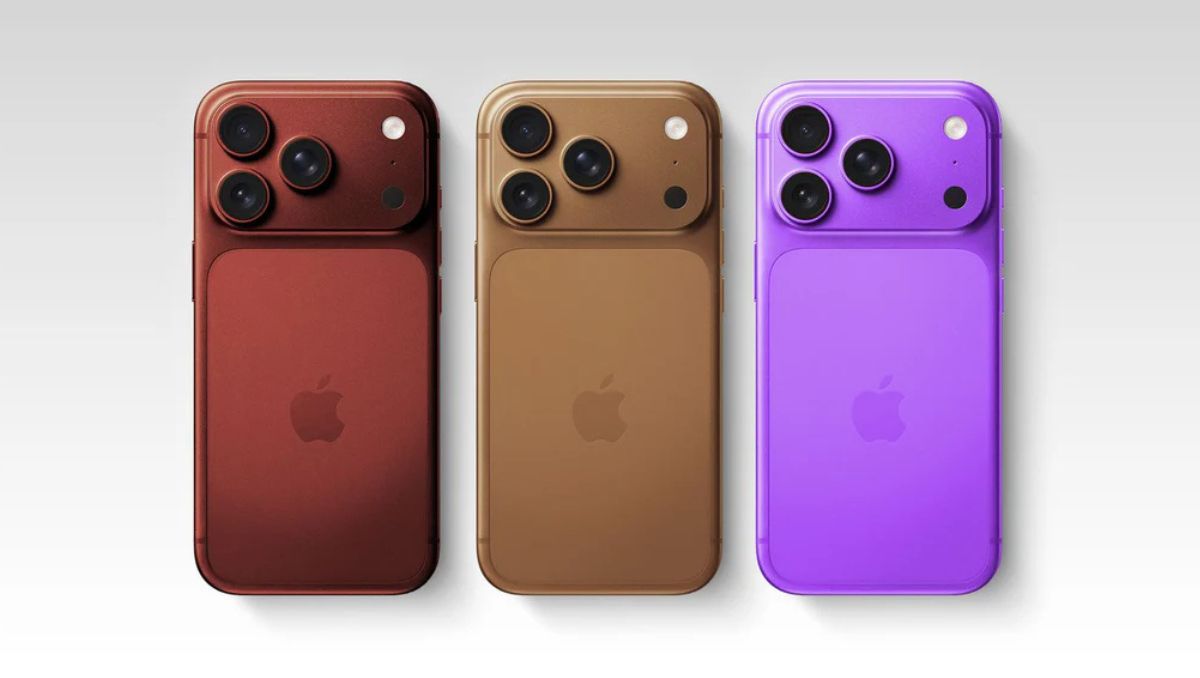
iPhone 18 Pro Rumors Spark Debate as Users Question Apple’s Design Identity

Share via:

Apple’s iPhone design language has always been more than a matter of aesthetics. It has functioned as a visual signature, a marker of technological direction, and a statement about how Apple sees the future of personal computing. With early leaks and analyst chatter suggesting that the Apple iPhone 18 Pro could arrive with a significantly altered front design, a growing number of users and industry observers are questioning whether Apple is preparing to move away from one of its most distinctive recent features: the Dynamic Island.

What began as a functional workaround for housing sensors has evolved into a recognizable design element. Now, if reports prove accurate, Apple may be preparing to reduce, relocate, or even effectively eliminate the Dynamic Island as it pushes toward a cleaner, more immersive display. The reaction has been mixed. Some see it as inevitable progress. Others see it as a sign that Apple is slowly eroding the design identity that once set the iPhone apart.
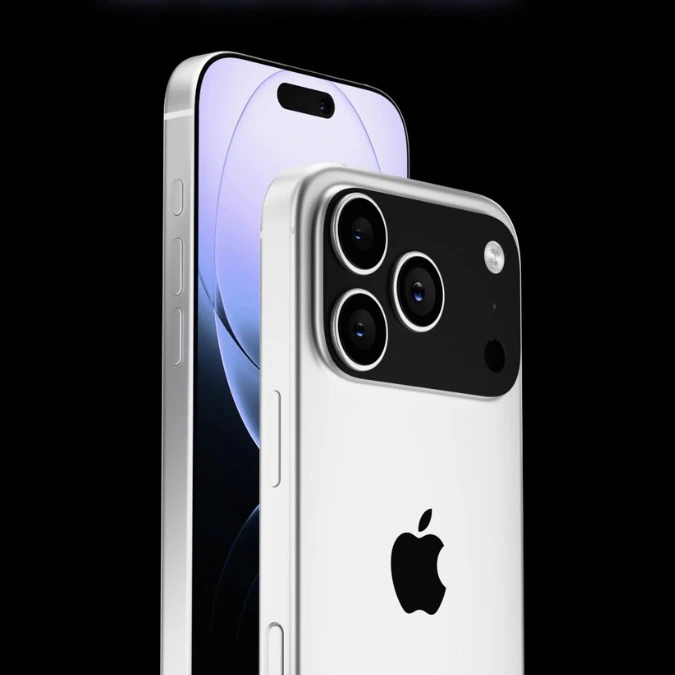
How the Dynamic Island Became Part of Apple’s Identity

When Apple introduced the Dynamic Island, it was not universally praised. Early reactions ranged from curiosity to skepticism, with some critics dismissing it as a renamed notch. Over time, however, Apple’s software-first approach transformed it into a living interface element rather than a static cutout.

The Dynamic Island blurred the line between hardware constraint and software opportunity. Notifications, background activities, navigation cues, and system alerts became more contextual and visually integrated. For many users, it became one of the few immediately recognizable front-facing features distinguishing modern iPhones from competing Android devices.

In that sense, the Dynamic Island served the same role the home button once did. It was not just functional, but symbolic. Losing or minimizing it feels, to some users, like losing a piece of the iPhone’s personality.

Why Apple Is Reportedly Rethinking the Design

The push toward a new iPhone 18 Pro design appears to be driven by a combination of technological progress and competitive pressure. Under-display camera systems, improved Face ID sensor miniaturization, and advances in OLED manufacturing have made it increasingly feasible to reduce visible cutouts.

Apple has historically favored gradual transitions rather than abrupt changes. The removal of the headphone jack, the home button, and the notch all followed multi-year arcs. From that perspective, a reduced or reimagined Dynamic Island aligns with Apple’s long-term goal of a truly uninterrupted display.

Leaks suggest that Apple may be testing a smaller pill-shaped cutout, a single punch-hole design, or a hybrid under-display system. None of these options necessarily eliminate the Dynamic Island concept, but they do change how prominent it is in daily use.

User Backlash and the Question of Identity

User reaction to these rumors has been notably emotional. On social platforms and forums, long-time iPhone users argue that Apple is drifting toward design sameness. Without the Dynamic Island, critics say, the iPhone risks looking like any other premium slab of glass.

This concern is less about nostalgia and more about brand differentiation. Apple has traditionally relied on design consistency to reinforce its identity. Even subtle visual cues help users instantly recognize an iPhone from across a room. Removing or minimizing the Dynamic Island could weaken that instant recognition.

At the same time, some users welcome the change. They see the Dynamic Island as a transitional solution rather than a permanent feature. For them, the ultimate expression of Apple design is a seamless display with no visible interruptions.

The Tension Between Innovation and Familiarity

Apple’s design decisions often sit at the intersection of innovation and familiarity. The company must introduce meaningful changes without alienating its existing user base. The rumored iPhone 18 Pro redesign tests this balance.

On one hand, Apple is expected to lead. Competitors are aggressively pursuing under-display technology, and Apple risks appearing conservative if it holds onto visible cutouts for too long. On the other hand, Apple’s strength has always been its ability to turn constraints into defining features.

The Dynamic Island exemplified that philosophy. Moving away from it raises the question of what replaces it as a defining interaction element. If the new design removes the visual anchor without introducing an equally distinctive alternative, users may perceive the change as loss rather than progress.

Design Evolution and Apple’s Historical Patterns

Looking at Apple’s past design transitions provides important context. Each major change initially faced resistance. The removal of skeuomorphism in iOS, the shift to larger phones, and the elimination of physical buttons all sparked debate.

In most cases, Apple eventually redefined the experience so effectively that the old design felt outdated in hindsight. If the iPhone 18 Pro does reduce the Dynamic Island, Apple is likely betting that new interaction models will emerge to replace its role.

This could involve deeper integration of AI-driven contextual awareness, subtle visual cues embedded within the display edges, or entirely new notification paradigms. Apple rarely removes a feature without offering an alternative vision, even if that vision takes time to mature.

Competitive Pressures and the Android Comparison

The broader smartphone market also plays a role in shaping Apple’s decisions. Android manufacturers have made significant strides in minimizing front-facing obstructions. Some devices already offer near bezel-less displays with under-display cameras.

Apple has historically waited for technologies to mature before adopting them. However, the longer it maintains visible cutouts, the more it risks being perceived as behind the curve. This perception matters, especially in markets where hardware aesthetics strongly influence purchasing decisions.

At the same time, Apple does not compete on specs alone. Its ecosystem, software optimization, and brand loyalty allow it to move at its own pace. The rumored iPhone 18 Pro redesign suggests Apple believes the technology is finally ready to meet its standards without compromising user experience.

What a New Design Could Mean for iOS

A hardware redesign inevitably influences software design. If the Dynamic Island becomes less prominent or disappears, iOS will need to adapt. Apple has invested heavily in making the Dynamic Island a core part of the user experience. Removing it would require rethinking how background activities and system alerts are surfaced.

This could lead to more subtle, ambient interactions. Notifications might rely more on haptics, sound, and edge lighting rather than visible UI elements. AI could play a larger role in prioritizing and summarizing information, reducing the need for persistent on-screen indicators.

Such changes would align with Apple’s broader push toward intelligence-driven interfaces, where the system anticipates user needs rather than demanding constant visual attention.

The Risk of Design Homogenization

One of the strongest criticisms emerging from the rumored redesign is the fear of homogenization. As smartphones converge on similar shapes and materials, differentiation becomes increasingly difficult.

Apple has traditionally resisted this trend by introducing unique elements that competitors hesitate to copy. The Dynamic Island was one such element. Removing it without a clear successor risks making the iPhone feel less distinctive in a crowded market.

This concern is particularly relevant for the Pro lineup, which is positioned as the pinnacle of Apple’s design and technology. Users paying a premium expect not only better performance but also a sense of uniqueness.

Identity Beyond Hardware

It is also worth considering whether Apple’s identity is still primarily tied to hardware design. In recent years, services, software, and ecosystem integration have become increasingly central to the iPhone’s value proposition.

Features like iMessage, AirDrop, Apple Watch integration, and privacy controls define the iPhone experience as much as physical design. From this perspective, losing a visible hardware feature may not equate to losing identity if the overall experience remains distinctly Apple.

However, visual identity still matters, especially in consumer technology. Apple’s challenge is to ensure that any new design continues to communicate its values of simplicity, intentionality, and human-centered technology.

Market Timing and User Expectations

The iPhone 18 Pro, if released on its expected timeline, will arrive in a market shaped by rapid advances in AI, spatial computing, and mixed reality. User expectations are evolving alongside these trends.

A cleaner, more immersive display could support new interaction models, especially as Apple explores deeper integration between devices and platforms. In this context, redesigning the iPhone’s front face may be less about aesthetics and more about preparing for future capabilities.

Still, managing user expectations will be critical. Apple’s marketing and messaging will need to frame the change as a natural evolution rather than a retreat from a defining feature.

A Defining Moment for Apple’s Design Philosophy

The rumored redesign of the iPhone 18 Pro represents more than a cosmetic update. It reflects a broader tension within Apple’s design philosophy: how to evolve without losing what makes the product recognizable and emotionally resonant.

Whether the Dynamic Island is reduced, reimagined, or quietly phased out, the reaction underscores how deeply users connect design with identity. For Apple, the challenge is not simply to remove a cutout, but to replace it with a vision that feels equally intentional.

As the iPhone continues to evolve, each design decision carries symbolic weight. The conversation around the iPhone 18 Pro suggests that users are not just watching what Apple builds, but what it chooses to leave behind.


Disclaimer

We strive to uphold the highest ethical standards in all of our reporting and coverage. We StartupNews.fyi want to be transparent with our readers about any potential conflicts of interest that may arise in our work. It’s possible that some of the investors we feature may have connections to other businesses, including competitors or companies we write about. However, we want to assure our readers that this will not have any impact on the integrity or impartiality of our reporting. We are committed to delivering accurate, unbiased news and information to our audience, and we will continue to uphold our ethics and principles in all of our work. Thank you for your trust and support.

Popular

More Like this

iPhone 18 Pro Rumors Spark Debate as Users Question Apple’s Design Identity

Apple’s iPhone design language has always been more than a matter of aesthetics. It has functioned as a visual signature, a marker of technological direction, and a statement about how Apple sees the future of personal computing. With early leaks and analyst chatter suggesting that the Apple iPhone 18 Pro could arrive with a significantly altered front design, a growing number of users and industry observers are questioning whether Apple is preparing to move away from one of its most distinctive recent features: the Dynamic Island.

What began as a functional workaround for housing sensors has evolved into a recognizable design element. Now, if reports prove accurate, Apple may be preparing to reduce, relocate, or even effectively eliminate the Dynamic Island as it pushes toward a cleaner, more immersive display. The reaction has been mixed. Some see it as inevitable progress. Others see it as a sign that Apple is slowly eroding the design identity that once set the iPhone apart.

How the Dynamic Island Became Part of Apple’s Identity

When Apple introduced the Dynamic Island, it was not universally praised. Early reactions ranged from curiosity to skepticism, with some critics dismissing it as a renamed notch. Over time, however, Apple’s software-first approach transformed it into a living interface element rather than a static cutout.

The Dynamic Island blurred the line between hardware constraint and software opportunity. Notifications, background activities, navigation cues, and system alerts became more contextual and visually integrated. For many users, it became one of the few immediately recognizable front-facing features distinguishing modern iPhones from competing Android devices.

In that sense, the Dynamic Island served the same role the home button once did. It was not just functional, but symbolic. Losing or minimizing it feels, to some users, like losing a piece of the iPhone’s personality.

Why Apple Is Reportedly Rethinking the Design

The push toward a new iPhone 18 Pro design appears to be driven by a combination of technological progress and competitive pressure. Under-display camera systems, improved Face ID sensor miniaturization, and advances in OLED manufacturing have made it increasingly feasible to reduce visible cutouts.

Apple has historically favored gradual transitions rather than abrupt changes. The removal of the headphone jack, the home button, and the notch all followed multi-year arcs. From that perspective, a reduced or reimagined Dynamic Island aligns with Apple’s long-term goal of a truly uninterrupted display.

Leaks suggest that Apple may be testing a smaller pill-shaped cutout, a single punch-hole design, or a hybrid under-display system. None of these options necessarily eliminate the Dynamic Island concept, but they do change how prominent it is in daily use.

User Backlash and the Question of Identity

User reaction to these rumors has been notably emotional. On social platforms and forums, long-time iPhone users argue that Apple is drifting toward design sameness. Without the Dynamic Island, critics say, the iPhone risks looking like any other premium slab of glass.

This concern is less about nostalgia and more about brand differentiation. Apple has traditionally relied on design consistency to reinforce its identity. Even subtle visual cues help users instantly recognize an iPhone from across a room. Removing or minimizing the Dynamic Island could weaken that instant recognition.

At the same time, some users welcome the change. They see the Dynamic Island as a transitional solution rather than a permanent feature. For them, the ultimate expression of Apple design is a seamless display with no visible interruptions.

The Tension Between Innovation and Familiarity

Apple’s design decisions often sit at the intersection of innovation and familiarity. The company must introduce meaningful changes without alienating its existing user base. The rumored iPhone 18 Pro redesign tests this balance.

On one hand, Apple is expected to lead. Competitors are aggressively pursuing under-display technology, and Apple risks appearing conservative if it holds onto visible cutouts for too long. On the other hand, Apple’s strength has always been its ability to turn constraints into defining features.

The Dynamic Island exemplified that philosophy. Moving away from it raises the question of what replaces it as a defining interaction element. If the new design removes the visual anchor without introducing an equally distinctive alternative, users may perceive the change as loss rather than progress.

Design Evolution and Apple’s Historical Patterns

Looking at Apple’s past design transitions provides important context. Each major change initially faced resistance. The removal of skeuomorphism in iOS, the shift to larger phones, and the elimination of physical buttons all sparked debate.

In most cases, Apple eventually redefined the experience so effectively that the old design felt outdated in hindsight. If the iPhone 18 Pro does reduce the Dynamic Island, Apple is likely betting that new interaction models will emerge to replace its role.

This could involve deeper integration of AI-driven contextual awareness, subtle visual cues embedded within the display edges, or entirely new notification paradigms. Apple rarely removes a feature without offering an alternative vision, even if that vision takes time to mature.

Competitive Pressures and the Android Comparison

The broader smartphone market also plays a role in shaping Apple’s decisions. Android manufacturers have made significant strides in minimizing front-facing obstructions. Some devices already offer near bezel-less displays with under-display cameras.

Apple has historically waited for technologies to mature before adopting them. However, the longer it maintains visible cutouts, the more it risks being perceived as behind the curve. This perception matters, especially in markets where hardware aesthetics strongly influence purchasing decisions.

At the same time, Apple does not compete on specs alone. Its ecosystem, software optimization, and brand loyalty allow it to move at its own pace. The rumored iPhone 18 Pro redesign suggests Apple believes the technology is finally ready to meet its standards without compromising user experience.

What a New Design Could Mean for iOS

A hardware redesign inevitably influences software design. If the Dynamic Island becomes less prominent or disappears, iOS will need to adapt. Apple has invested heavily in making the Dynamic Island a core part of the user experience. Removing it would require rethinking how background activities and system alerts are surfaced.

This could lead to more subtle, ambient interactions. Notifications might rely more on haptics, sound, and edge lighting rather than visible UI elements. AI could play a larger role in prioritizing and summarizing information, reducing the need for persistent on-screen indicators.

Such changes would align with Apple’s broader push toward intelligence-driven interfaces, where the system anticipates user needs rather than demanding constant visual attention.

The Risk of Design Homogenization

One of the strongest criticisms emerging from the rumored redesign is the fear of homogenization. As smartphones converge on similar shapes and materials, differentiation becomes increasingly difficult.

Apple has traditionally resisted this trend by introducing unique elements that competitors hesitate to copy. The Dynamic Island was one such element. Removing it without a clear successor risks making the iPhone feel less distinctive in a crowded market.

This concern is particularly relevant for the Pro lineup, which is positioned as the pinnacle of Apple’s design and technology. Users paying a premium expect not only better performance but also a sense of uniqueness.

Identity Beyond Hardware

It is also worth considering whether Apple’s identity is still primarily tied to hardware design. In recent years, services, software, and ecosystem integration have become increasingly central to the iPhone’s value proposition.

Features like iMessage, AirDrop, Apple Watch integration, and privacy controls define the iPhone experience as much as physical design. From this perspective, losing a visible hardware feature may not equate to losing identity if the overall experience remains distinctly Apple.

However, visual identity still matters, especially in consumer technology. Apple’s challenge is to ensure that any new design continues to communicate its values of simplicity, intentionality, and human-centered technology.

Market Timing and User Expectations

The iPhone 18 Pro, if released on its expected timeline, will arrive in a market shaped by rapid advances in AI, spatial computing, and mixed reality. User expectations are evolving alongside these trends.

A cleaner, more immersive display could support new interaction models, especially as Apple explores deeper integration between devices and platforms. In this context, redesigning the iPhone’s front face may be less about aesthetics and more about preparing for future capabilities.

Still, managing user expectations will be critical. Apple’s marketing and messaging will need to frame the change as a natural evolution rather than a retreat from a defining feature.

A Defining Moment for Apple’s Design Philosophy

The rumored redesign of the iPhone 18 Pro represents more than a cosmetic update. It reflects a broader tension within Apple’s design philosophy: how to evolve without losing what makes the product recognizable and emotionally resonant.

Whether the Dynamic Island is reduced, reimagined, or quietly phased out, the reaction underscores how deeply users connect design with identity. For Apple, the challenge is not simply to remove a cutout, but to replace it with a vision that feels equally intentional.

As the iPhone continues to evolve, each design decision carries symbolic weight. The conversation around the iPhone 18 Pro suggests that users are not just watching what Apple builds, but what it chooses to leave behind.

Disclaimer

We strive to uphold the highest ethical standards in all of our reporting and coverage. We StartupNews.fyi want to be transparent with our readers about any potential conflicts of interest that may arise in our work. It’s possible that some of the investors we feature may have connections to other businesses, including competitors or companies we write about. However, we want to assure our readers that this will not have any impact on the integrity or impartiality of our reporting. We are committed to delivering accurate, unbiased news and information to our audience, and we will continue to uphold our ethics and principles in all of our work. Thank you for your trust and support.

Website Upgradation is going on for any glitch kindly connect at office@startupnews.fyi

More like this

AI Models Are Starting To Crack High-Level Math Problems

An anonymous reader quotes a report from TechCrunch:...

First look: Here’s how Android’s Intrusion Logging feature for...

Adamya Sharma / Android AuthorityTL;DR We were able to get...

MacPaw Pulls Plug on Setapp Mobile iOS Store, Blames...

Ukraine-based developer MacPaw is set to close Setapp Mobile,...

Popular

iptv iptv iptv iptv iptv iptv iptv iptv iptv iptv iptv iptv iptv iptv iptv iptv iptv iptv iptv iptv iptv iptv iptv iptv iptv iptv iptv iptv iptv iptv iptv iptv iptv iptv iptv iptv iptv iptv iptv iptv iptv iptv iptv iptv iptv iptv iptv iptv iptv iptv iptv iptv iptv iptv iptv iptv iptv iptv iptv iptv iptv iptv iptv iptv iptv iptv iptv iptv iptv iptv iptv iptv iptv iptv iptv iptv iptv iptv iptv iptv iptv iptv iptv iptv iptv iptv iptv iptv iptv iptv iptv iptv iptv iptv iptv iptv iptv iptv iptv iptv iptv iptv iptv iptv iptv iptv iptv iptv iptv iptv iptv iptv iptv iptv iptv iptv iptv iptv iptv iptv iptv iptv iptv iptv iptv iptv iptv iptv iptv iptv iptv iptv iptv iptv iptv iptv iptv iptv iptv iptv iptv iptv iptv iptv iptv iptv iptv iptv iptv iptv iptv iptv iptv iptv iptv iptv iptv iptv iptv iptv iptv iptv iptv iptv iptv iptv iptv iptv iptv iptv iptv iptv iptv iptv iptv iptv iptv iptv iptv iptv iptv iptv iptv iptv iptv iptv iptv iptv iptv iptv iptv iptv iptv iptv iptv iptv iptv iptv iptv iptv iptv iptv iptv iptv iptv iptv iptv iptv iptv iptv iptv iptv iptv iptv iptv iptv iptv iptv iptv iptv iptv iptv iptv iptv iptv iptv iptv iptv iptv iptv iptv iptv iptv iptv iptv iptv iptv iptv iptv iptv iptv iptv iptv iptv iptv iptv iptv iptv iptv iptv iptv iptv iptv iptv iptv iptv iptv iptv iptv iptv iptv iptv iptv iptv iptv iptv iptv iptv iptv iptv iptv iptv iptv iptv iptv iptv iptv iptv iptv iptv iptv iptv iptv iptv iptv iptv iptv iptv iptv iptv iptv iptv iptv iptv iptv iptv iptv iptv iptv iptv iptv iptv iptv iptv iptv iptv iptv iptv iptv iptv iptv iptv iptv iptv iptv iptv iptv iptv iptv iptv iptv iptv iptv iptv iptv iptv iptv iptv iptv iptv iptv iptv iptv iptv iptv iptv iptv iptv iptv iptv iptv iptv iptv iptv iptv iptv iptv iptv iptv iptv iptv iptv iptv iptv iptv iptv iptv iptv iptv iptv iptv iptv iptv iptv iptv iptv iptv iptv iptv iptv iptv iptv iptv iptv iptv iptv iptv iptv iptv iptv iptv iptv iptv iptv iptv iptv iptv iptv iptv iptv iptv iptv iptv iptv iptv iptv iptv iptv iptv iptv iptv iptv iptv iptv iptv iptv iptv iptv iptv iptv iptv iptv iptv iptv iptv iptv iptv iptv iptv iptv iptv iptv iptv iptv iptv iptv iptv iptv iptv iptv iptv iptv iptv iptv iptv iptv iptv iptv iptv iptv iptv iptv iptv iptv iptv iptv iptv iptv iptv iptv iptv iptv iptv iptv iptv iptv iptv iptv iptv iptv iptv iptv iptv iptv iptv iptv iptv iptv iptv iptv iptv iptv iptv iptv iptv iptv