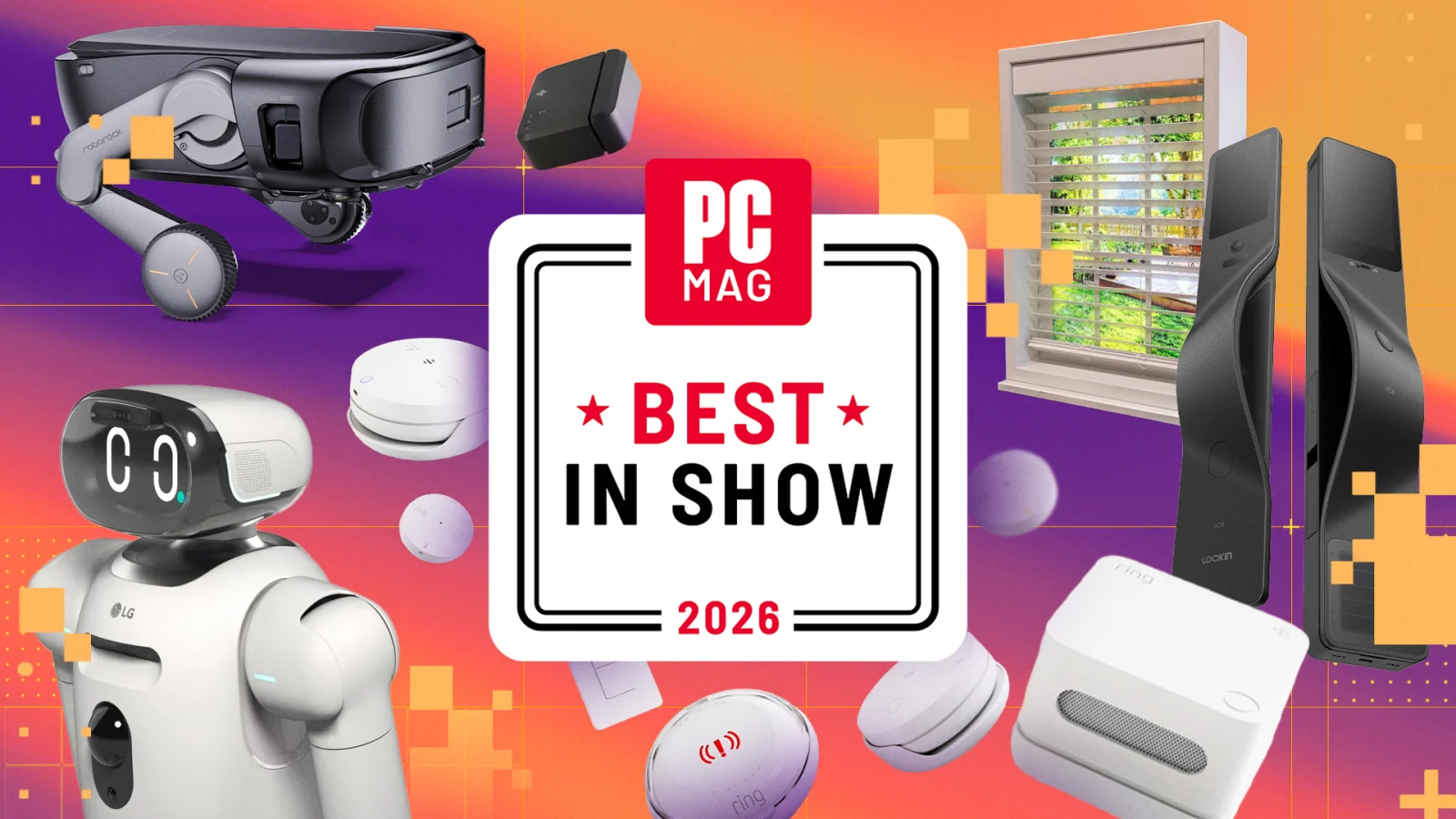
In simple terms, CES 2026 introduced smart home gadgets that focus less on novelty and more on saving time, reducing energy use, and improving everyday comfort.

Share via:

Smart home technology has reached a turning point.
Instead of adding more screens or complex controls, the newest devices are designed to quietly fit into daily routines.

At CES 2026, many smart home products focused on solving simple problems people face every day.
These include managing energy costs, improving sleep, keeping homes secure, and reducing small but repeated daily tasks.

For founders, operators, and professionals, this shift signals a clear trend: smart homes are becoming practical tools rather than experimental technology.

Why This Matters for Startups & Founders in 2026

Smart home adoption is no longer driven by early adopters alone.
Mainstream households now expect technology to work reliably, automatically, and invisibly.

This matters because:

  • Energy prices remain volatile across global markets
  • Remote and hybrid work continues to shape home usage
  • Aging populations increase demand for health-focused automation
  • Consumers prioritize simplicity over feature overload

For startups, CES 2026 showed that the next growth phase lies in routine optimization, not flashy innovation.

Smart Home Gadgets from CES 2026 That Actually Improve Daily Routines

1. AI-Powered Energy Management Panels

Several companies unveiled wall-mounted energy panels that use AI to monitor household electricity use in real time.

These systems:

  • Automatically shift power usage to off-peak hours
  • Learn daily routines to reduce unnecessary consumption
  • Integrate with solar panels and battery storage
  • Provide clear, non-technical cost insights

Unlike earlier energy dashboards, CES 2026 models prioritize automation over manual tracking.

For busy professionals, this means lower bills without daily monitoring.

2. Smart Sleep Environment Controllers

Image

Sleep technology moved beyond wearables at CES 2026.
New smart bedroom systems adjust lighting, temperature, and sound automatically based on sleep stages.

Key improvements include:

These systems work quietly in the background and do not require constant user input.

3. Hands-Free Kitchen Assistants with Context Awareness

Image

Kitchen gadgets at CES 2026 focused on reducing interruptions rather than adding screens.

New countertop assistants can:

  • Read recipes step-by-step hands-free
  • Adjust appliance settings automatically
  • Track ingredient usage
  • Suggest healthier alternatives based on habits

Unlike earlier smart speakers, these devices understand context, such as whether someone is cooking, cleaning, or hosting.

4. Predictive Home Security Systems

Image

Home security took a practical leap forward with predictive monitoring.

Instead of reacting to motion alerts, CES 2026 systems:

  • Learn normal household movement patterns
  • Detect unusual behavior rather than simple motion
  • Reduce false alerts from pets or deliveries
  • Adjust security modes automatically

This results in fewer interruptions and more reliable protection.

5. Smart Air Quality and Health Monitoring Devices
Image

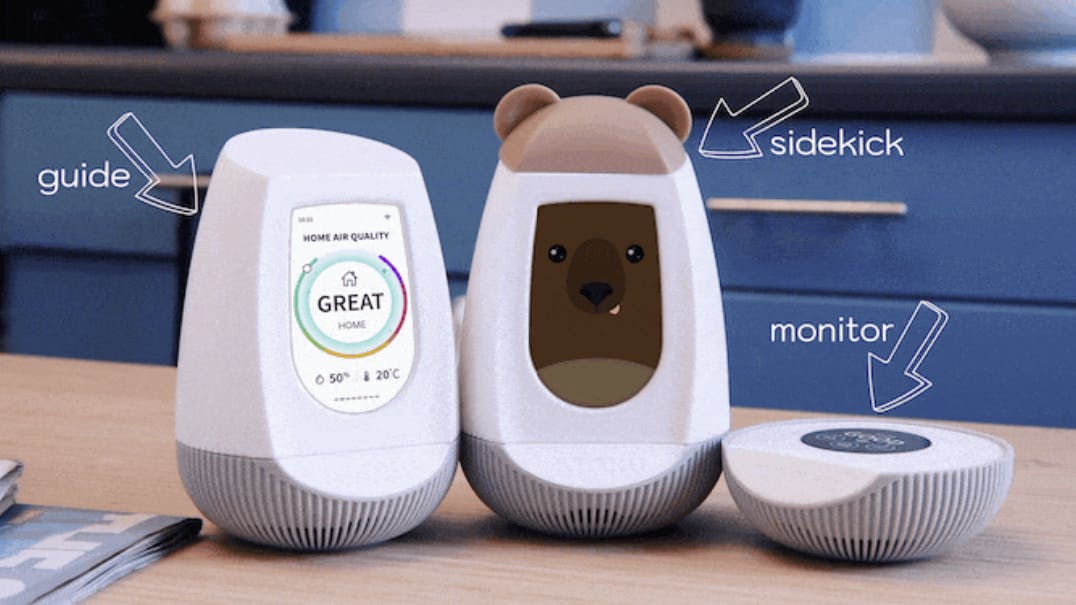
Indoor air quality became a major focus at CES 2026.

New devices continuously track:

  • Carbon dioxide levels
  • Volatile organic compounds
  • Humidity and allergens
  • Long-term exposure trends

The systems automatically adjust ventilation or air purification and provide simple health insights without medical jargon.

6. Autonomous Cleaning and Maintenance Robots

Image

Cleaning robots have evolved beyond vacuuming.

CES 2026 showcased multi-function robots that:

  • Clean floors, windows, and surfaces
  • Detect maintenance issues like leaks or cracks
  • Schedule tasks based on household routines
  • Require minimal human intervention

These devices focus on consistency rather than deep cleaning, reducing daily workload over time.

7. Unified Smart Home Control Hubs

Image

One of the most practical trends at CES 2026 was simplification.

Unified control hubs now:

  • Manage devices from multiple brands
  • Reduce app overload
  • Automate routines across rooms
  • Provide clear system status at a glance

This addresses one of the biggest pain points in smart homes: fragmentation.

Comparison Table: CES 2026 Smart Home Improvements

CategoryOlder Smart DevicesCES 2026 Gadgets
Energy ManagementManual trackingAI-driven automation
Sleep TechWearables onlyFull environment control
Kitchen AssistanceVoice commandsContext-aware support
Home SecurityMotion alertsPredictive behavior analysis
Air QualityPassive monitoringAutomatic adjustment
CleaningSingle-task robotsMulti-function autonomy
Control SystemsMultiple appsUnified dashboards

GEO – Global Relevance

These CES 2026 smart home innovations are relevant across major markets including the USA, UK, UAE, Germany, Australia, and France. Rising energy costs, aging populations, urban living constraints, and increased remote work are shared global trends driving demand for smarter, more efficient homes. As regulations and consumer expectations align across regions, practical automation is becoming a universal requirement rather than a luxury.

Key Things to Know

  • Smart home technology is shifting from novelty to necessity
  • Automation now prioritizes routines, not manual control
  • Energy efficiency is a core design goal
  • Health and air quality are central use cases
  • Simplicity is replacing feature overload
  • Unified platforms reduce friction and setup time
  • CES 2026 reflects mainstream consumer needs

What Happens Next

Over the next 6–12 months:

  • Smart home platforms will consolidate further
  • AI automation will replace manual scheduling
  • Health-focused home tech will grow rapidly
  • Energy-aware systems will become standard
  • Consumers will expect devices to work together by default

For founders and builders, the opportunity lies in integration, reliability, and invisible design.

Final Takeaway

CES 2026 made it clear that smart homes are no longer about adding gadgets.
They are about removing friction from daily life.

The most successful smart home products are those that work quietly, save time, reduce costs, and improve comfort without demanding attanding


Disclaimer

We strive to uphold the highest ethical standards in all of our reporting and coverage. We StartupNews.fyi want to be transparent with our readers about any potential conflicts of interest that may arise in our work. It’s possible that some of the investors we feature may have connections to other businesses, including competitors or companies we write about. However, we want to assure our readers that this will not have any impact on the integrity or impartiality of our reporting. We are committed to delivering accurate, unbiased news and information to our audience, and we will continue to uphold our ethics and principles in all of our work. Thank you for your trust and support.

Popular

More Like this

In simple terms, CES 2026 introduced smart home gadgets that focus less on novelty and more on saving time, reducing energy use, and improving everyday comfort.

Smart home technology has reached a turning point.
Instead of adding more screens or complex controls, the newest devices are designed to quietly fit into daily routines.

At CES 2026, many smart home products focused on solving simple problems people face every day.
These include managing energy costs, improving sleep, keeping homes secure, and reducing small but repeated daily tasks.

For founders, operators, and professionals, this shift signals a clear trend: smart homes are becoming practical tools rather than experimental technology.

Why This Matters for Startups & Founders in 2026

Smart home adoption is no longer driven by early adopters alone.
Mainstream households now expect technology to work reliably, automatically, and invisibly.

This matters because:

  • Energy prices remain volatile across global markets
  • Remote and hybrid work continues to shape home usage
  • Aging populations increase demand for health-focused automation
  • Consumers prioritize simplicity over feature overload

For startups, CES 2026 showed that the next growth phase lies in routine optimization, not flashy innovation.

Smart Home Gadgets from CES 2026 That Actually Improve Daily Routines

1. AI-Powered Energy Management Panels

Several companies unveiled wall-mounted energy panels that use AI to monitor household electricity use in real time.

These systems:

  • Automatically shift power usage to off-peak hours
  • Learn daily routines to reduce unnecessary consumption
  • Integrate with solar panels and battery storage
  • Provide clear, non-technical cost insights

Unlike earlier energy dashboards, CES 2026 models prioritize automation over manual tracking.

For busy professionals, this means lower bills without daily monitoring.

2. Smart Sleep Environment Controllers

Image

Sleep technology moved beyond wearables at CES 2026.
New smart bedroom systems adjust lighting, temperature, and sound automatically based on sleep stages.

Key improvements include:

These systems work quietly in the background and do not require constant user input.

3. Hands-Free Kitchen Assistants with Context Awareness

Image

Kitchen gadgets at CES 2026 focused on reducing interruptions rather than adding screens.

New countertop assistants can:

  • Read recipes step-by-step hands-free
  • Adjust appliance settings automatically
  • Track ingredient usage
  • Suggest healthier alternatives based on habits

Unlike earlier smart speakers, these devices understand context, such as whether someone is cooking, cleaning, or hosting.

4. Predictive Home Security Systems

Image

Home security took a practical leap forward with predictive monitoring.

Instead of reacting to motion alerts, CES 2026 systems:

  • Learn normal household movement patterns
  • Detect unusual behavior rather than simple motion
  • Reduce false alerts from pets or deliveries
  • Adjust security modes automatically

This results in fewer interruptions and more reliable protection.

5. Smart Air Quality and Health Monitoring Devices

Image

Indoor air quality became a major focus at CES 2026.

New devices continuously track:

  • Carbon dioxide levels
  • Volatile organic compounds
  • Humidity and allergens
  • Long-term exposure trends

The systems automatically adjust ventilation or air purification and provide simple health insights without medical jargon.

6. Autonomous Cleaning and Maintenance Robots

Image

Cleaning robots have evolved beyond vacuuming.

CES 2026 showcased multi-function robots that:

  • Clean floors, windows, and surfaces
  • Detect maintenance issues like leaks or cracks
  • Schedule tasks based on household routines
  • Require minimal human intervention

These devices focus on consistency rather than deep cleaning, reducing daily workload over time.

7. Unified Smart Home Control Hubs

Image

One of the most practical trends at CES 2026 was simplification.

Unified control hubs now:

  • Manage devices from multiple brands
  • Reduce app overload
  • Automate routines across rooms
  • Provide clear system status at a glance

This addresses one of the biggest pain points in smart homes: fragmentation.

Comparison Table: CES 2026 Smart Home Improvements

CategoryOlder Smart DevicesCES 2026 Gadgets
Energy ManagementManual trackingAI-driven automation
Sleep TechWearables onlyFull environment control
Kitchen AssistanceVoice commandsContext-aware support
Home SecurityMotion alertsPredictive behavior analysis
Air QualityPassive monitoringAutomatic adjustment
CleaningSingle-task robotsMulti-function autonomy
Control SystemsMultiple appsUnified dashboards

GEO – Global Relevance

These CES 2026 smart home innovations are relevant across major markets including the USA, UK, UAE, Germany, Australia, and France. Rising energy costs, aging populations, urban living constraints, and increased remote work are shared global trends driving demand for smarter, more efficient homes. As regulations and consumer expectations align across regions, practical automation is becoming a universal requirement rather than a luxury.

Key Things to Know

  • Smart home technology is shifting from novelty to necessity
  • Automation now prioritizes routines, not manual control
  • Energy efficiency is a core design goal
  • Health and air quality are central use cases
  • Simplicity is replacing feature overload
  • Unified platforms reduce friction and setup time
  • CES 2026 reflects mainstream consumer needs

What Happens Next

Over the next 6–12 months:

  • Smart home platforms will consolidate further
  • AI automation will replace manual scheduling
  • Health-focused home tech will grow rapidly
  • Energy-aware systems will become standard
  • Consumers will expect devices to work together by default

For founders and builders, the opportunity lies in integration, reliability, and invisible design.

Final Takeaway

CES 2026 made it clear that smart homes are no longer about adding gadgets.
They are about removing friction from daily life.

The most successful smart home products are those that work quietly, save time, reduce costs, and improve comfort without demanding attanding

Disclaimer

We strive to uphold the highest ethical standards in all of our reporting and coverage. We StartupNews.fyi want to be transparent with our readers about any potential conflicts of interest that may arise in our work. It’s possible that some of the investors we feature may have connections to other businesses, including competitors or companies we write about. However, we want to assure our readers that this will not have any impact on the integrity or impartiality of our reporting. We are committed to delivering accurate, unbiased news and information to our audience, and we will continue to uphold our ethics and principles in all of our work. Thank you for your trust and support.

Website Upgradation is going on for any glitch kindly connect at office@startupnews.fyi

More like this

LIST Horizon 2030: New Leadership, Clear Ambitions For Luxembourg’s...

With the presentation of Horizon 2030, Luxembourg’s Institute...

LIST Horizon 2030: New Leadership, Clear Ambitions For Luxembourg’s...

With the presentation of Horizon 2030, Luxembourg’s Institute...

Altra Promo Codes: Get 10% Off Plus Free Shipping

Altra Running’s distinctive wide toe box and zero drop...

Popular

iptv iptv iptv iptv iptv iptv iptv iptv iptv iptv iptv iptv iptv iptv iptv iptv iptv iptv iptv iptv iptv iptv iptv iptv iptv iptv iptv iptv iptv iptv iptv iptv iptv iptv iptv iptv iptv iptv iptv iptv iptv iptv iptv iptv iptv iptv iptv iptv iptv iptv iptv iptv iptv iptv iptv iptv iptv iptv iptv iptv iptv iptv iptv iptv iptv iptv iptv iptv iptv iptv iptv iptv iptv iptv iptv iptv iptv iptv iptv iptv iptv iptv iptv iptv iptv iptv iptv iptv iptv iptv iptv iptv iptv iptv iptv iptv iptv iptv iptv iptv iptv iptv iptv iptv iptv iptv iptv iptv iptv iptv iptv iptv iptv iptv iptv iptv iptv iptv iptv iptv iptv iptv iptv iptv iptv iptv iptv iptv iptv iptv iptv iptv iptv iptv iptv iptv iptv iptv iptv iptv iptv iptv iptv iptv iptv iptv iptv iptv iptv iptv iptv iptv iptv iptv iptv iptv iptv iptv iptv iptv iptv iptv iptv iptv iptv iptv iptv iptv iptv iptv iptv iptv iptv iptv iptv iptv iptv iptv iptv iptv iptv iptv iptv iptv iptv iptv iptv iptv iptv iptv iptv iptv iptv iptv iptv iptv iptv iptv iptv iptv iptv iptv iptv iptv iptv iptv iptv iptv iptv iptv iptv iptv iptv iptv iptv iptv iptv iptv iptv iptv iptv iptv iptv iptv iptv iptv iptv iptv iptv iptv iptv iptv iptv iptv iptv iptv iptv iptv iptv iptv iptv iptv iptv iptv iptv iptv iptv iptv iptv iptv iptv iptv iptv iptv iptv iptv iptv iptv iptv iptv iptv iptv iptv iptv iptv iptv iptv iptv iptv iptv iptv iptv iptv iptv iptv iptv iptv iptv iptv iptv iptv iptv iptv iptv iptv iptv iptv iptv iptv iptv iptv iptv iptv iptv iptv iptv iptv iptv iptv iptv iptv iptv iptv iptv iptv iptv iptv iptv iptv iptv iptv iptv iptv iptv iptv iptv iptv iptv iptv iptv iptv iptv iptv iptv iptv iptv iptv iptv iptv iptv iptv iptv iptv iptv iptv iptv iptv iptv iptv iptv iptv iptv iptv iptv iptv iptv iptv iptv iptv iptv iptv iptv iptv iptv iptv iptv iptv iptv iptv iptv iptv iptv iptv iptv iptv iptv iptv iptv iptv iptv iptv iptv iptv iptv iptv iptv iptv iptv iptv iptv iptv iptv iptv iptv iptv iptv iptv iptv iptv iptv iptv iptv iptv iptv iptv iptv iptv iptv iptv iptv iptv iptv iptv iptv iptv iptv iptv iptv iptv iptv iptv iptv iptv iptv iptv iptv iptv iptv iptv iptv iptv iptv iptv iptv iptv iptv iptv iptv iptv iptv iptv iptv iptv iptv iptv iptv iptv iptv iptv iptv iptv iptv iptv iptv iptv iptv iptv iptv iptv iptv iptv iptv iptv iptv iptv iptv iptv iptv iptv iptv iptv iptv iptv iptv iptv iptv iptv iptv iptv iptv iptv iptv iptv iptv iptv iptv