

Sharp downturns in the cryptocurrency market often trigger the same urgent question from investors and observers alike: why is crypto down today? While price volatility is nothing new in digital assets, sudden declines tend to feel more alarming when they follow periods of optimism or strong upward momentum.
Today’s market pullback reflects a familiar pattern. Bitcoin, Ethereum, and many major altcoins have moved lower at the same time, signalling a broader shift in market sentiment rather than isolated project-specific news. This kind of synchronized decline usually points to macroeconomic factors, changes in risk appetite, or structural market behavior rather than a single trigger.
Understanding why the crypto market is down requires stepping back from minute-by-minute price charts and looking at the bigger picture. Crypto does not operate in isolation. It increasingly reacts to global financial conditions, investor psychology, and policy signals in much the same way as traditional risk assets.
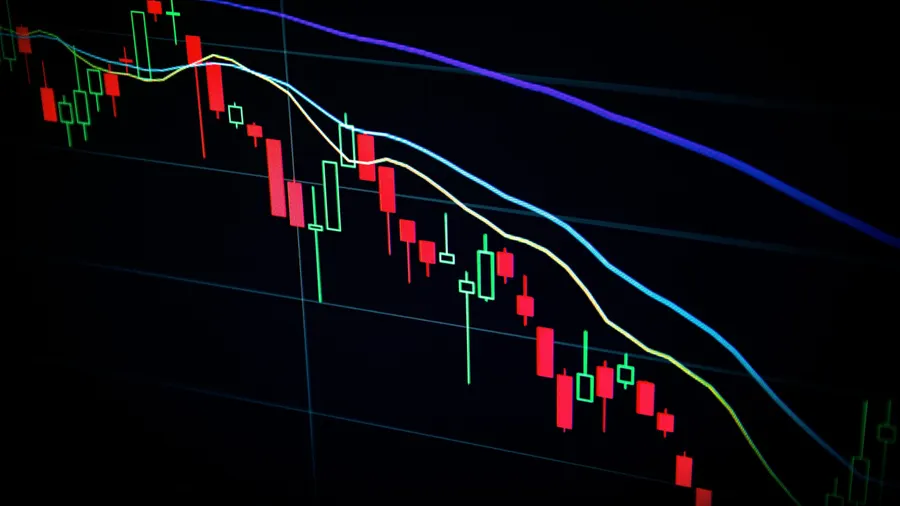
The Role of Broader Market Sentiment
One of the most important drivers behind today’s crypto downturn is overall market sentiment. Cryptocurrencies are widely considered risk-on assets, meaning they tend to perform well when investors feel confident and pull back when uncertainty rises.
When traditional markets show signs of stress or hesitation, crypto often reacts first and more aggressively. Investors seeking to reduce exposure typically sell volatile assets before trimming positions in more established markets. This dynamic helps explain why crypto prices can fall sharply even in the absence of crypto-specific bad news.
In recent sessions, global markets have shown increased caution, with investors reassessing growth expectations and future monetary policy. That caution has spilled over into digital assets, prompting widespread selling.
Bitcoin’s Influence on the Entire Market
Bitcoin continues to act as the anchor of the crypto market. When Bitcoin moves decisively lower, it tends to drag the rest of the market with it.
Today’s decline has once again demonstrated Bitcoin’s outsized influence. As its price slipped below key psychological and technical levels, it triggered automatic selling from traders using stop-loss orders and leveraged positions. This selling pressure then cascaded into altcoins, amplifying losses across the board.
Even projects with strong fundamentals often struggle to resist this gravitational pull. As long as Bitcoin remains under pressure, broader market recovery becomes more difficult.
Ethereum and the Altcoin Reaction
Ethereum, the second-largest cryptocurrency by market value, has mirrored Bitcoin’s movement. Ethereum’s price action often reflects both broader crypto sentiment and expectations around network usage, fees, and long-term adoption.
When Ethereum weakens alongside Bitcoin, it reinforces the sense that the entire asset class is under pressure. Altcoins, which generally carry higher risk, tend to experience even steeper declines during such periods as traders move capital into perceived safer assets or exit the market entirely.
This pattern is playing out again today, with many smaller tokens seeing losses that exceed those of the market leaders.
Profit-Taking After Recent Gains
Another key factor behind today’s downturn is profit-taking. Crypto markets frequently move in cycles, with sharp rallies followed by periods of consolidation or pullback.
After recent price increases, some investors have chosen to lock in gains rather than risk holding through potential volatility. This behavior is particularly common among short-term traders and institutional participants who manage exposure carefully.
When enough market participants decide to take profits at the same time, prices can fall quickly even without negative news. This does not necessarily indicate a long-term trend reversal, but it does contribute to short-term weakness.
Macroeconomic Pressure and Interest Rate Expectations
Macroeconomic conditions continue to play an increasingly important role in crypto price movements. Expectations around interest rates, inflation, and central bank policy shape how investors allocate capital across all asset classes.
When interest rates remain high or are expected to stay elevated, risk assets like cryptocurrencies become less attractive. Higher yields on government bonds and cash instruments offer alternatives with lower risk, drawing capital away from speculative markets.
Today’s crypto decline reflects renewed sensitivity to these dynamics. Any indication that financial conditions may remain tight for longer tends to weigh on digital assets.
Strength of the U.S. Dollar
The strength of the U.S. dollar is another recurring factor in crypto market downturns. A stronger dollar often puts pressure on assets priced globally, including cryptocurrencies.
When the dollar rises, it can reduce demand for alternative stores of value and speculative investments. This relationship is not perfect, but it has become more noticeable as crypto markets mature and integrate more closely with traditional finance.
Recent dollar strength has added to the headwinds facing crypto today, contributing to downward momentum.
Liquidations and Leverage
Leverage remains a defining feature of crypto markets, and it plays a significant role during downturns. Many traders use borrowed funds to amplify potential gains, but this also increases the risk of forced selling.
When prices fall quickly, leveraged positions can be liquidated automatically by exchanges. These liquidations add further selling pressure, accelerating declines and creating sudden spikes in volatility.
Today’s market action bears signs of this dynamic, with sharp intraday moves suggesting that liquidations have compounded the initial sell-off.
Regulatory and Policy Overhang
Even when no new regulations are announced, ongoing uncertainty around crypto policy continues to influence investor behavior. Governments around the world are still refining their approach to digital assets, and regulatory clarity remains uneven.
This lingering uncertainty makes some investors more cautious, particularly during periods of broader market stress. When sentiment weakens, unresolved regulatory questions can become an additional reason to step back.
While regulation is not the primary driver of today’s decline, it remains part of the background context shaping risk perception.
Market Psychology and Fear Cycles
Crypto markets are highly sensitive to emotion. Fear can spread quickly through social media, trading platforms, and news coverage, reinforcing negative momentum.
As prices fall, some investors sell simply because they expect others to do the same. This feedback loop can push prices lower than fundamentals alone might justify.
Understanding this psychological component is essential. Not every market downturn reflects a fundamental shift in the long-term outlook. Often, it reflects collective anxiety and short-term positioning.
How Today’s Move Fits Into the Bigger Picture
While today’s decline feels significant, it is important to place it within a broader context. Crypto markets have experienced far larger swings in the past, both upward and downward.
Periods of consolidation and correction are a normal part of market structure, especially in an asset class that remains relatively young and speculative. Short-term weakness does not automatically signal the end of a broader trend.
For long-term participants, these moments are often seen as part of an ongoing cycle rather than a definitive turning point.
Institutional Behavior and Market Maturity
As institutional involvement in crypto grows, market behavior increasingly reflects traditional finance patterns. This includes greater sensitivity to macroeconomic data, earnings cycles, and risk sentiment.
Institutions tend to adjust exposure quickly in response to changing conditions, which can amplify short-term moves. Today’s sell-off may partly reflect institutional rebalancing rather than retail panic.
This evolution adds complexity to crypto markets, making them more interconnected with global finance than ever before.


