Multimodal AI Is Fueling the Next Wave of Cloud Growth and Market Innovation

Share via:

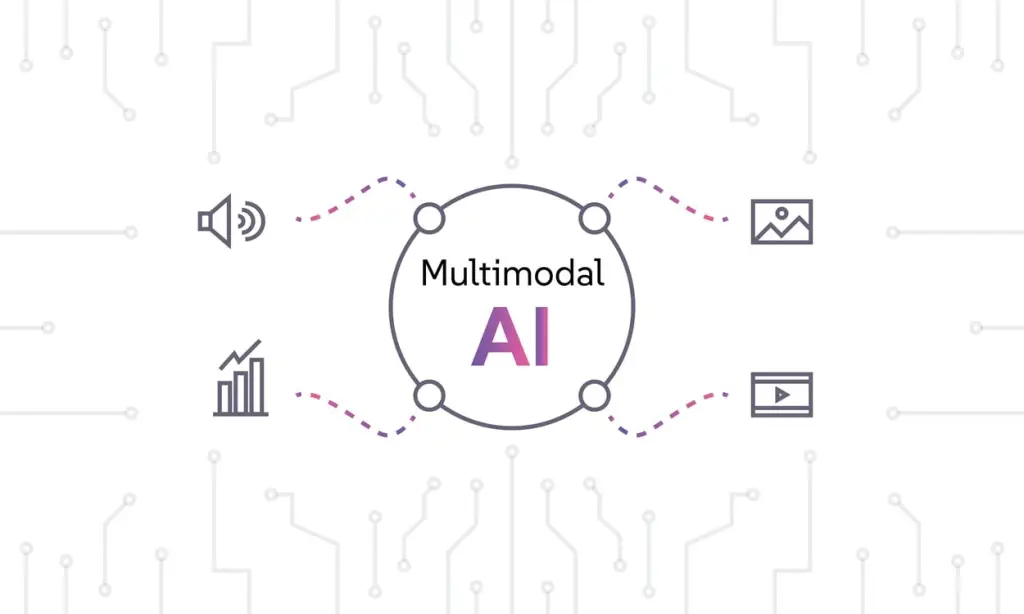
Cloud artificial intelligence is entering a decisive new phase. After years of progress in language models and data analytics, the focus is now shifting toward multimodal AI, systems capable of understanding and generating multiple types of information at the same time. Text, images, audio, video, and structured data are no longer treated as separate inputs. Instead, they are processed together in unified models hosted on powerful cloud platforms.

This shift is already reshaping enterprise software, digital services, healthcare, finance, retail, and media. Major cloud providers are racing to expand multimodal capabilities, seeing them as a foundation for the next generation of AI-driven products. For investors, founders, and enterprise leaders, multimodal AI has become a key signal of where cloud innovation is headed.

The growth of multimodal AI is not a distant trend. It is actively changing how cloud platforms are built, how software is designed, and how businesses compete in data-rich environments.

What Multimodal AI Really Means in Practice

Multimodal AI refers to systems that can process and reason across different types of information simultaneously. Instead of working only with text or numerical data, these models can analyze images, interpret speech, understand video, and connect those signals with written or structured information.

In practical terms, this allows AI to behave in ways that feel closer to human understanding. A multimodal system can review a document, examine an image, listen to an audio clip, and draw conclusions that rely on all those inputs together. This capability dramatically expands the range of problems AI can address.

Cloud infrastructure plays a central role here. Training and running multimodal models requires enormous computational resources, specialized hardware, and scalable data pipelines. This makes cloud platforms the natural home for multimodal AI development and deployment.

Why Cloud Providers Are Prioritising Multimodal AI

The push toward multimodal AI reflects both technological maturity and market demand. Enterprises are no longer satisfied with AI tools that operate in silos. They want systems that can integrate seamlessly into workflows that involve documents, images, voice interactions, and real-world data.

Cloud providers see multimodal AI as a way to deepen customer reliance on their platforms. By embedding these capabilities directly into cloud services, they make it harder for businesses to switch providers and easier to build complex AI-driven products quickly.

This strategy is evident across the industry. Microsoft has integrated multimodal AI into its cloud offerings through enterprise tools and developer platforms. Google continues to expand multimodal capabilities across its AI stack, while Amazon is embedding similar intelligence into cloud services used by enterprises worldwide.

Multimodal AI as a Revenue Growth Engine

From a business perspective, multimodal AI represents a significant revenue opportunity for cloud providers. Traditional cloud services have largely competed on compute, storage, and networking. Multimodal AI adds a higher-margin layer that directly influences customer outcomes.

Companies are willing to pay more for AI services that improve productivity, reduce manual work, and unlock new capabilities. Multimodal models can automate tasks that previously required human judgment, such as reviewing visual content, interpreting customer sentiment across channels, or analyzing complex documents with embedded images.

This shift helps explain why cloud AI revenue is becoming a critical growth driver for major technology firms. Multimodal capabilities allow providers to move beyond infrastructure and into value-added intelligence services.
Enterprise Adoption Is Accelerating

Large organizations are among the fastest adopters of multimodal AI. Enterprises generate vast amounts of unstructured data, including emails, PDFs, images, recordings, and video. Traditional analytics tools struggle to extract value from this information.

Multimodal AI changes that equation. Cloud-based systems can now analyze customer interactions across text and voice, monitor video feeds for operational insights, and process documents that combine written content with diagrams or scanned images.

This capability is particularly attractive in regulated industries such as finance and healthcare, where understanding context across multiple data types is essential. Cloud providers are increasingly tailoring multimodal AI tools to meet these enterprise requirements, reinforcing adoption.

Impact on Software Development and Product Design

Multimodal AI is also transforming how software products are designed. Applications are no longer limited to keyboard and screen interactions. Voice, vision, and contextual understanding are becoming standard components of user experience.

Cloud-hosted multimodal models allow developers to add these capabilities without building them from scratch. A single API can power features such as visual search, voice commands, document analysis, and intelligent assistants.

This lowers the barrier to innovation, especially for startups and smaller teams. Instead of assembling multiple AI systems, developers can rely on integrated cloud services that handle multimodal processing behind the scenes.

Competition Among Cloud Giants

The rise of multimodal AI is intensifying competition among cloud providers. Each platform is positioning itself as the most capable environment for building and deploying advanced AI applications.

While performance and accuracy matter, ease of integration and ecosystem support are equally important. Developers and enterprises prefer platforms where multimodal AI fits naturally into existing workflows, tools, and security frameworks.

This competitive dynamic is driving rapid innovation. Cloud providers are releasing frequent updates, expanding model capabilities, and offering more customization options to attract and retain customers.

Infrastructure and Hardware Considerations

Multimodal AI places new demands on cloud infrastructure. Processing multiple data types simultaneously requires specialized hardware such as GPUs and AI accelerators, as well as high-bandwidth networking.

Cloud providers are investing heavily in data center expansion and hardware optimization to support these workloads. This investment not only benefits AI services but also strengthens the overall cloud ecosystem.

The scale required for multimodal AI further reinforces the dominance of large cloud platforms, as smaller providers struggle to match the necessary infrastructure investments.

Multimodal AI and the Future of Work

The growth of multimodal AI is closely linked to changes in how work is done. AI systems that can understand documents, images, and conversations are increasingly capable of supporting knowledge workers.

In the cloud, these systems can assist with research, analysis, content creation, and decision-making. Rather than replacing workers outright, multimodal AI often acts as a productivity multiplier, handling routine analysis while humans focus on judgment and strategy.

This shift is influencing enterprise adoption strategies, with organizations viewing cloud AI as a long-term investment in workforce efficiency.

Regulatory and Ethical Considerations

As multimodal AI becomes more powerful, regulatory and ethical questions are gaining prominence. Processing images, audio, and video raises concerns about privacy, consent, and data protection.

Cloud providers are under pressure to implement safeguards that ensure responsible AI use. Transparency, auditability, and compliance features are becoming essential components of multimodal AI services.

These considerations add complexity but also create opportunities for providers that can demonstrate strong governance and trustworthiness.

Market Signals and Investor Attention

Financial markets are paying close attention to multimodal AI developments. Cloud AI revenue growth is increasingly cited in earnings reports and investor briefings.

Companies that demonstrate progress in multimodal capabilities are often viewed as better positioned for long-term growth. This has contributed to renewed interest in cloud and AI-focused technology stocks.

Investors see multimodal AI as a way for cloud providers to differentiate themselves and sustain growth even as core infrastructure services mature.

How This Trend Is Reshaping Innovation

Multimodal AI is not just an incremental improvement. It represents a shift in how intelligence is delivered through the cloud. By enabling systems to understand the world more holistically, it opens the door to applications that were previously impractical.

From intelligent customer support to advanced analytics and creative tools, the range of use cases continues to expand. Cloud platforms serve as the foundation for this innovation, providing the scale and flexibility required to deploy multimodal AI globally.

This dynamic reinforces the central role of cloud computing in the next wave of digital transformation.


Disclaimer

We strive to uphold the highest ethical standards in all of our reporting and coverage. We StartupNews.fyi want to be transparent with our readers about any potential conflicts of interest that may arise in our work. It’s possible that some of the investors we feature may have connections to other businesses, including competitors or companies we write about. However, we want to assure our readers that this will not have any impact on the integrity or impartiality of our reporting. We are committed to delivering accurate, unbiased news and information to our audience, and we will continue to uphold our ethics and principles in all of our work. Thank you for your trust and support.

Popular

More Like this

Multimodal AI Is Fueling the Next Wave of Cloud Growth and Market Innovation

Cloud artificial intelligence is entering a decisive new phase. After years of progress in language models and data analytics, the focus is now shifting toward multimodal AI, systems capable of understanding and generating multiple types of information at the same time. Text, images, audio, video, and structured data are no longer treated as separate inputs. Instead, they are processed together in unified models hosted on powerful cloud platforms.

This shift is already reshaping enterprise software, digital services, healthcare, finance, retail, and media. Major cloud providers are racing to expand multimodal capabilities, seeing them as a foundation for the next generation of AI-driven products. For investors, founders, and enterprise leaders, multimodal AI has become a key signal of where cloud innovation is headed.

The growth of multimodal AI is not a distant trend. It is actively changing how cloud platforms are built, how software is designed, and how businesses compete in data-rich environments.

What Multimodal AI Really Means in Practice

Multimodal AI refers to systems that can process and reason across different types of information simultaneously. Instead of working only with text or numerical data, these models can analyze images, interpret speech, understand video, and connect those signals with written or structured information.

In practical terms, this allows AI to behave in ways that feel closer to human understanding. A multimodal system can review a document, examine an image, listen to an audio clip, and draw conclusions that rely on all those inputs together. This capability dramatically expands the range of problems AI can address.

Cloud infrastructure plays a central role here. Training and running multimodal models requires enormous computational resources, specialized hardware, and scalable data pipelines. This makes cloud platforms the natural home for multimodal AI development and deployment.

Why Cloud Providers Are Prioritising Multimodal AI

The push toward multimodal AI reflects both technological maturity and market demand. Enterprises are no longer satisfied with AI tools that operate in silos. They want systems that can integrate seamlessly into workflows that involve documents, images, voice interactions, and real-world data.

Cloud providers see multimodal AI as a way to deepen customer reliance on their platforms. By embedding these capabilities directly into cloud services, they make it harder for businesses to switch providers and easier to build complex AI-driven products quickly.

This strategy is evident across the industry. Microsoft has integrated multimodal AI into its cloud offerings through enterprise tools and developer platforms. Google continues to expand multimodal capabilities across its AI stack, while Amazon is embedding similar intelligence into cloud services used by enterprises worldwide.

Multimodal AI as a Revenue Growth Engine

From a business perspective, multimodal AI represents a significant revenue opportunity for cloud providers. Traditional cloud services have largely competed on compute, storage, and networking. Multimodal AI adds a higher-margin layer that directly influences customer outcomes.

Companies are willing to pay more for AI services that improve productivity, reduce manual work, and unlock new capabilities. Multimodal models can automate tasks that previously required human judgment, such as reviewing visual content, interpreting customer sentiment across channels, or analyzing complex documents with embedded images.

This shift helps explain why cloud AI revenue is becoming a critical growth driver for major technology firms. Multimodal capabilities allow providers to move beyond infrastructure and into value-added intelligence services.

Enterprise Adoption Is Accelerating

Large organizations are among the fastest adopters of multimodal AI. Enterprises generate vast amounts of unstructured data, including emails, PDFs, images, recordings, and video. Traditional analytics tools struggle to extract value from this information.

Multimodal AI changes that equation. Cloud-based systems can now analyze customer interactions across text and voice, monitor video feeds for operational insights, and process documents that combine written content with diagrams or scanned images.

This capability is particularly attractive in regulated industries such as finance and healthcare, where understanding context across multiple data types is essential. Cloud providers are increasingly tailoring multimodal AI tools to meet these enterprise requirements, reinforcing adoption.

Impact on Software Development and Product Design

Multimodal AI is also transforming how software products are designed. Applications are no longer limited to keyboard and screen interactions. Voice, vision, and contextual understanding are becoming standard components of user experience.

Cloud-hosted multimodal models allow developers to add these capabilities without building them from scratch. A single API can power features such as visual search, voice commands, document analysis, and intelligent assistants.

This lowers the barrier to innovation, especially for startups and smaller teams. Instead of assembling multiple AI systems, developers can rely on integrated cloud services that handle multimodal processing behind the scenes.

Competition Among Cloud Giants

The rise of multimodal AI is intensifying competition among cloud providers. Each platform is positioning itself as the most capable environment for building and deploying advanced AI applications.

While performance and accuracy matter, ease of integration and ecosystem support are equally important. Developers and enterprises prefer platforms where multimodal AI fits naturally into existing workflows, tools, and security frameworks.

This competitive dynamic is driving rapid innovation. Cloud providers are releasing frequent updates, expanding model capabilities, and offering more customization options to attract and retain customers.

Infrastructure and Hardware Considerations

Multimodal AI places new demands on cloud infrastructure. Processing multiple data types simultaneously requires specialized hardware such as GPUs and AI accelerators, as well as high-bandwidth networking.

Cloud providers are investing heavily in data center expansion and hardware optimization to support these workloads. This investment not only benefits AI services but also strengthens the overall cloud ecosystem.

The scale required for multimodal AI further reinforces the dominance of large cloud platforms, as smaller providers struggle to match the necessary infrastructure investments.

Multimodal AI and the Future of Work

The growth of multimodal AI is closely linked to changes in how work is done. AI systems that can understand documents, images, and conversations are increasingly capable of supporting knowledge workers.

In the cloud, these systems can assist with research, analysis, content creation, and decision-making. Rather than replacing workers outright, multimodal AI often acts as a productivity multiplier, handling routine analysis while humans focus on judgment and strategy.

This shift is influencing enterprise adoption strategies, with organizations viewing cloud AI as a long-term investment in workforce efficiency.

Regulatory and Ethical Considerations

As multimodal AI becomes more powerful, regulatory and ethical questions are gaining prominence. Processing images, audio, and video raises concerns about privacy, consent, and data protection.

Cloud providers are under pressure to implement safeguards that ensure responsible AI use. Transparency, auditability, and compliance features are becoming essential components of multimodal AI services.

These considerations add complexity but also create opportunities for providers that can demonstrate strong governance and trustworthiness.

Market Signals and Investor Attention

Financial markets are paying close attention to multimodal AI developments. Cloud AI revenue growth is increasingly cited in earnings reports and investor briefings.

Companies that demonstrate progress in multimodal capabilities are often viewed as better positioned for long-term growth. This has contributed to renewed interest in cloud and AI-focused technology stocks.

Investors see multimodal AI as a way for cloud providers to differentiate themselves and sustain growth even as core infrastructure services mature.

How This Trend Is Reshaping Innovation

Multimodal AI is not just an incremental improvement. It represents a shift in how intelligence is delivered through the cloud. By enabling systems to understand the world more holistically, it opens the door to applications that were previously impractical.

From intelligent customer support to advanced analytics and creative tools, the range of use cases continues to expand. Cloud platforms serve as the foundation for this innovation, providing the scale and flexibility required to deploy multimodal AI globally.

This dynamic reinforces the central role of cloud computing in the next wave of digital transformation.

Disclaimer

We strive to uphold the highest ethical standards in all of our reporting and coverage. We StartupNews.fyi want to be transparent with our readers about any potential conflicts of interest that may arise in our work. It’s possible that some of the investors we feature may have connections to other businesses, including competitors or companies we write about. However, we want to assure our readers that this will not have any impact on the integrity or impartiality of our reporting. We are committed to delivering accurate, unbiased news and information to our audience, and we will continue to uphold our ethics and principles in all of our work. Thank you for your trust and support.

Website Upgradation is going on for any glitch kindly connect at office@startupnews.fyi

More like this

The MacRumors Show: Apple Creator Studio and Gemini-Powered Siri

On this year's first episode of The MacRumors Show,...

The MacRumors Show: Apple Creator Studio and Gemini-Powered Siri

On this year's first episode of The MacRumors Show,...

You’re not alone, X (Twitter) is down as major...

Updated January 16, 11:07AM: X appears to slowly be...

Popular

iptv iptv iptv iptv iptv iptv iptv iptv iptv iptv iptv iptv iptv iptv iptv iptv iptv iptv iptv iptv iptv iptv iptv iptv iptv iptv iptv iptv iptv iptv iptv iptv iptv iptv iptv iptv iptv iptv iptv iptv iptv iptv iptv iptv iptv iptv iptv iptv iptv iptv iptv iptv iptv iptv iptv iptv iptv iptv iptv iptv iptv iptv iptv iptv iptv iptv iptv iptv iptv iptv iptv iptv iptv iptv iptv iptv iptv iptv iptv iptv iptv iptv iptv iptv iptv iptv iptv iptv iptv iptv iptv iptv iptv iptv iptv iptv iptv iptv iptv iptv iptv iptv iptv iptv iptv iptv iptv iptv iptv iptv iptv iptv iptv iptv iptv iptv iptv iptv iptv iptv iptv iptv iptv iptv iptv iptv iptv iptv iptv iptv iptv iptv iptv iptv iptv iptv iptv iptv iptv iptv iptv iptv iptv iptv iptv iptv iptv iptv iptv iptv iptv iptv iptv iptv iptv iptv iptv iptv iptv iptv iptv iptv iptv iptv iptv iptv iptv iptv iptv iptv iptv iptv iptv iptv iptv iptv iptv iptv iptv iptv iptv iptv iptv iptv iptv iptv iptv iptv iptv iptv iptv iptv iptv iptv iptv iptv iptv iptv iptv iptv iptv iptv iptv iptv iptv iptv iptv iptv iptv iptv iptv iptv iptv iptv iptv iptv iptv iptv iptv iptv iptv iptv iptv iptv iptv iptv iptv iptv iptv iptv iptv iptv iptv iptv iptv iptv iptv iptv iptv iptv iptv iptv iptv iptv iptv iptv iptv iptv iptv iptv iptv iptv iptv iptv iptv iptv iptv iptv iptv iptv iptv iptv iptv iptv iptv iptv iptv iptv iptv iptv iptv iptv iptv iptv iptv iptv iptv iptv iptv iptv iptv iptv iptv iptv iptv iptv iptv iptv iptv iptv iptv iptv iptv iptv iptv iptv iptv iptv iptv iptv iptv iptv iptv iptv iptv iptv iptv iptv iptv iptv iptv iptv iptv iptv iptv iptv iptv iptv iptv iptv iptv iptv iptv iptv iptv iptv iptv iptv iptv iptv iptv iptv iptv iptv iptv iptv iptv iptv iptv iptv iptv iptv iptv iptv iptv iptv iptv iptv iptv iptv iptv iptv iptv iptv iptv iptv iptv iptv iptv iptv iptv iptv iptv iptv iptv iptv iptv iptv iptv iptv iptv iptv iptv iptv iptv iptv iptv iptv iptv iptv iptv iptv iptv iptv iptv iptv iptv iptv iptv iptv iptv iptv iptv iptv iptv iptv iptv iptv iptv iptv iptv iptv iptv iptv iptv iptv iptv iptv iptv iptv iptv iptv iptv iptv iptv iptv iptv iptv iptv iptv iptv iptv iptv iptv iptv iptv iptv iptv iptv iptv iptv iptv iptv iptv iptv iptv iptv iptv iptv iptv iptv iptv iptv iptv iptv iptv iptv iptv iptv iptv iptv iptv iptv iptv iptv iptv iptv iptv iptv iptv iptv iptv iptv iptv iptv iptv iptv iptv iptv iptv iptv iptv iptv iptv iptv iptv