
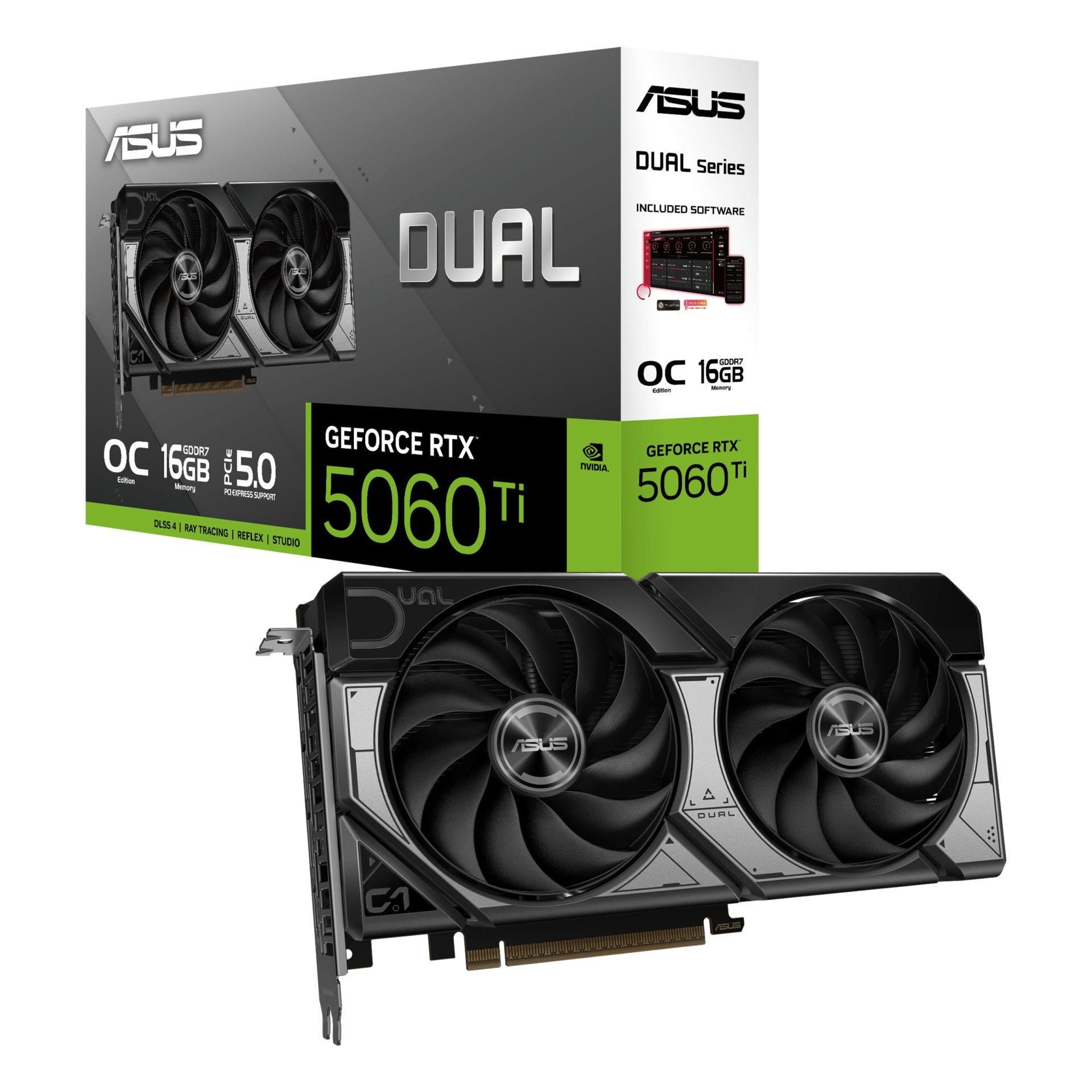
ASUS has issued a public statement to clarify recent reports surrounding the GeForce RTX 5070 Ti and RTX 5060 Ti 16GB, responding to widespread confusion that followed claims suggesting the graphics cards had reached end-of-life status. The clarification, published on ASUS’s official press site and amplified across major tech outlets, aims to reset expectations around production, availability, and long-term support for these NVIDIA-powered GPUs.
The statement arrives after several days of speculation within the PC gaming and hardware communities. Reports suggesting that ASUS had ceased production of the RTX 5070 Ti and RTX 5060 Ti 16GB sparked sparked concerns about supply shortages, premature discontinuation, and the broader direction of NVIDIA’s mid-to-high-end GPU roadmap. ASUS’s response provides important context and highlights how easily lifecycle terminology can be misunderstood in the modern graphics card market.
Why ASUS Felt the Need to Respond
ASUS rarely issues public clarifications unless misinformation risks affecting customers, partners, or market confidence. In this case, the rapid spread of “end-of-life” language created the impression that the RTX 5070 Ti and RTX 5060 Ti 16GB were being abandoned entirely.
According to ASUS, that interpretation does not accurately reflect the situation. The company emphasized that while certain configurations or production runs may be winding down, this does not equate to an immediate or total discontinuation of support.
By issuing a formal statement, ASUS sought to protect both consumer trust and its relationship with system builders, retailers, and NVIDIA.
Understanding the Confusion Around ‘End of Life’
Much of the misunderstanding stems from how lifecycle terms are used in the hardware industry. “End of life” can mean different things depending on context. In some cases, it refers to the end of manufacturing for specific SKUs. In others, it may indicate a transition toward newer products rather than the removal of existing ones from the market.
ASUS clarified that recent reports conflated internal production planning decisions with complete product retirement. While ASUS routinely adjusts manufacturing volumes based on demand, supply chain conditions, and NVIDIA’s roadmap, these changes do not automatically signal that a GPU is obsolete.
This distinction is critical for consumers who equate end-of-life language with loss of driver support or functionality.
What ASUS Confirmed About RTX 5070 Ti and RTX 5060 Ti 16GB
In its statement, ASUS confirmed that the GeForce RTX 5070 Ti and RTX 5060 Ti 16GB remain supported products within its portfolio. The company reiterated its commitment to ongoing driver compatibility through NVIDIA and continued warranty coverage for customers who already own these graphics cards.
ASUS also emphasized that availability may vary by region and model, reflecting standard market dynamics rather than a deliberate withdrawal. Production adjustments, the company noted, are common as newer GPUs approach the market and demand shifts.
This clarification is especially important for buyers who recently purchased or were considering purchasing these cards.
ASUS and NVIDIA’s Shared Ecosystem
ASUS operates within NVIDIA’s broader GPU ecosystem, relying on NVIDIA for chip supply, driver development, and platform-level support. Decisions around GPU lifecycles are therefore influenced by NVIDIA’s product cadence as much as by ASUS’s own planning.
ASUS’s statement reinforces that NVIDIA’s support timelines remain unchanged. Historically, NVIDIA provides driver updates for GPU generations long after manufacturing ends, ensuring continued compatibility with new games and software.
For users, this means that owning an RTX 5070 Ti or RTX 5060 Ti 16GB does not suddenly place them on an unsupported platform.
Why the RTX 5060 Ti 16GB Matters Specifically
The RTX 5060 Ti 16GB occupies a particularly interesting niche. With modern games and creative applications increasingly demanding more VRAM, the 16GB configuration has been viewed as a form of future-proofing.
Speculation about its discontinuation raised concerns that midrange buyers would lose access to higher-memory options. ASUS’s clarification helps reassure users that the existence and relevance of such configurations are not being abruptly erased.
This is significant in a market where memory capacity is becoming a key differentiator.
Market Impact and Consumer Reaction
Initial reports of discontinuation triggered predictable reactions. Some consumers rushed to secure remaining stock, while others hesitated, uncertain whether buying an “end-of-life” GPU was a smart investment.
ASUS’s statement helps stabilize that uncertainty. By clarifying that support continues and that availability changes do not equal abandonment, the company restores confidence among buyers and system integrators.
Market stability matters not only for ASUS but for the broader PC ecosystem, which depends on predictable supply and clear communication.
Why Transparency Matters in the GPU Market
The graphics card market has endured years of volatility, from supply shortages to price inflation. In this environment, clear messaging is essential.
ASUS’s willingness to issue a public clarification demonstrates an understanding of how sensitive the market has become. Even small misinterpretations can have outsized effects on pricing, availability, and consumer sentiment.
This episode highlights the importance of precise language when discussing product lifecycles.
Long-Term Support and Driver Update
One of the biggest concerns raised by early reports was whether driver updates would be affected. ASUS’s clarification indirectly addresses this by reaffirming NVIDIA’s role in long-term driver support.
Historically, NVIDIA continues to optimize and patch drivers for multiple GPU generations simultaneously. ASUS, as a board partner, benefits from this structure and passes that support on to customers.
For gamers and creators, this means performance optimizations and security fixes are not suddenly at risk.
How This Fits ASUS’s Broader GPU Strategy
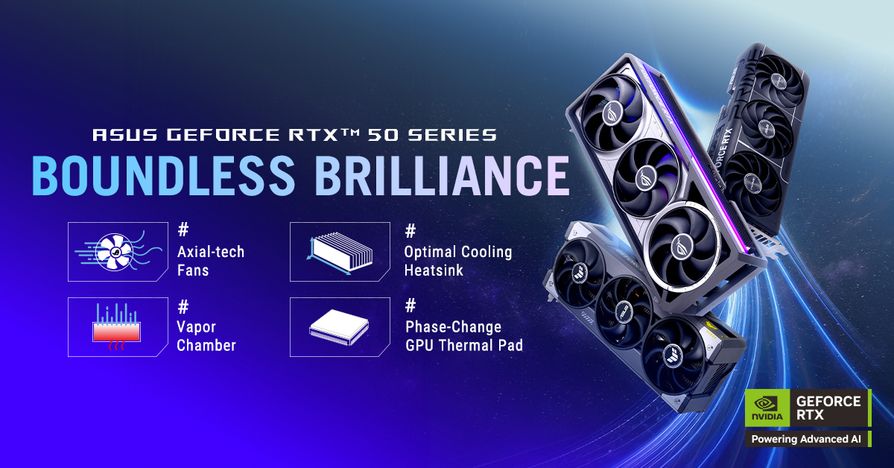
ASUS’s GPU portfolio spans multiple generations and price tiers. Managing this lineup requires constant adjustments based on market demand and technological progression.
The clarification suggests that ASUS is in a transitional phase rather than executing a sharp cutoff. As newer GPUs are prepared for launch, production emphasis naturally shifts, but that does not negate the value or viability of existing products.
This measured approach allows ASUS to balance innovation with customer continuity.
Retailers and System Builders Benefit From Clarity
Retailers and PC system builders rely heavily on accurate lifecycle information. Misunderstandings can disrupt inventory planning and customer communication.
ASUS’s statement provides reassurance that current stock remains valid and supported. This helps partners confidently continue selling and integrating these GPUs into systems without fear of misleading customers.
Clear guidance reduces friction across the supply chain.
Why This Matters to Enthusiasts
For PC enthusiasts, GPU decisions are rarely casual. Buyers consider performance longevity, resale value, and support timelines.
The initial “end-of-life” reports threatened to undermine confidence in the RTX 5070 Ti and RTX 5060 Ti 16GB. ASUS’s clarification restores perspective, reminding enthusiasts that lifecycle transitions are gradual, not abrupt.
This reassurance may influence buying decisions in the months ahead.
The Broader Lesson for the Industry
This situation underscores a broader issue in tech reporting and communication. Lifecycle terminology can be misinterpreted when taken out of context, especially in fast-moving markets.
ASUS’s response serves as a case study in why manufacturers must communicate proactively. In an era of rapid information spread, silence can amplify confusion.
Clear, timely statements help maintain trust.
What Consumers Should Take Away
For consumers, the key takeaway is simple. Owning or purchasing an ASUS GeForce RTX 5070 Ti or RTX 5060 Ti 16GB remains a safe decision in terms of support and usability.
Availability may change over time, but that is a normal part of hardware cycles. It does not mean immediate obsolescence.
Understanding this distinction empowers consumers to make more informed choices.
Looking Ahead
As NVIDIA and its partners prepare future GPU releases, similar transitions will inevitably occur. How those transitions are communicated will shape consumer confidence.
ASUS’s handling of this situation suggests a willingness to engage directly when confusion arises. That approach may become increasingly important as GPU lineups grow more complex.
Conclusion: ASUS Draws a Clear Line Between Transition and Termination
ASUS’s public statement regarding the GeForce RTX 5070 Ti and RTX 5060 Ti 16GB brings much-needed clarity to a situation clouded by misinterpretation. By distinguishing between production adjustments and true end-of-life status, ASUS reassures customers that support, reliability, and value remain intact.
This clarification reinforces an important reality of modern hardware markets. Product lifecycles evolve, but they rarely end abruptly. For users, enthusiasts, and partners, understanding that nuance is essential.
In addressing the issue head-on, ASUS not only corrected the record but also demonstrated the value of transparency in a market where trust is hard-earned. As GPU technology continues to advance, clear communication like this will remain just as important as performance gains.


