
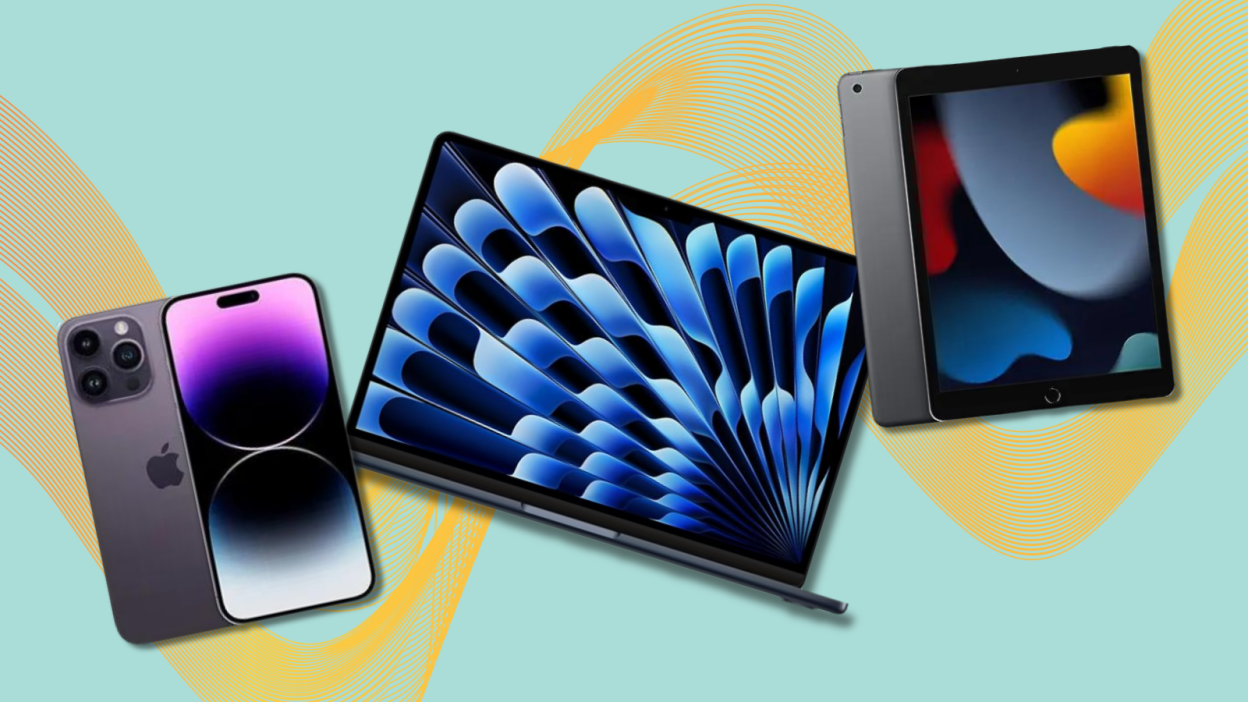
Apple regularly updates its hardware lineup, pricing strategies, and customer programs. One of the less visible but highly influential changes is the adjustment of trade-in values across products such as the iPhone, Mac, iPad, and Apple Watch.
Trade-in values determine how much credit a customer receives when handing in an older device in exchange for a new one. Even small changes can influence purchasing decisions, upgrade cycles, and the broader second-hand electronics market. For consumers, this can mean paying more or less out of pocket. For startups and businesses, especially those dealing with r efurbished devices, e-commerce, or employee hardware, these changes can have ripple effects.
Apple’s latest update to its trade-in values comes at a time when hardware upgrade decisions are becoming more calculated. Higher device prices, longer product lifespans, and uncertain economic conditions are all shaping how people think about replacing their devices.
Understanding Apple’s Trade-In Program
Apple’s trade-in system allows customers to exchange eligible devices for store credit or direct discounts on new purchases. The program covers a wide range of products, including iPhones, MacBooks, desktops, iPads, Apple Watch models, and in some regions, accessories.
At checkout, either online or in an Apple Store, customers select their existing device, answer a few condition-related questions, and receive an estimated value. Once Apple verifies the device, the final credit is applied.
This program serves multiple purposes for Apple. It helps reduce electronic waste, supports sustainability goals, and encourages customers to stay within the Apple ecosystem. For users, it offers convenience and a trusted alternative to selling devices independently.
What Has Changed in the Latest Trade-In Update
Apple has adjusted trade-in values across several product categories. Some devices now receive lower estimated credits compared to previous months, while a few categories may see stable or slightly improved values depending on model, configuration, and condition.
The most noticeable adjustments typically affect older iPhone models and Intel-based Macs. As Apple continues to shift its lineup toward newer technologies, especially Apple silicon, older hardware naturally becomes less valuable within Apple’s internal valuation framework.
These updates do not happen randomly. Apple regularly reassesses trade-in pricing based on inventory levels, refurbishment demand, resale market prices, and upcoming product launches.
Impact on iPhone Owners
iPhone trade-ins are among the most popular within Apple’s program. For many customers, trading in an older iPhone significantly reduces the cost of upgrading to a newer model.
When Apple lowers trade-in values for certain iPhone generations, the immediate effect is higher out-of-pocket costs for users planning an upgrade. This may encourage some customers to delay upgrading, opt for financing plans, or explore third-party resale platforms.
From Apple’s perspective, adjusting iPhone trade-in values often aligns with new product cycles. As newer models become mainstream, older ones lose resale demand. Apple’s valuation reflects this reality, while also steering customers toward current-generation devices.
Changes Affecting Mac and MacBook Users
Mac trade-in values have become increasingly relevant as Apple transitions away from Intel processors. Older MacBooks and desktops still hold functional value, but their long-term support outlook differs from Apple silicon models.
Lower trade-in values for certain Mac configurations can influence decisions for freelancers, developers, and startups that rely heavily on Apple hardware. Businesses managing device refresh cycles may reconsider whether to trade in directly with Apple or resell devices through enterprise refurbishment partners.
For Apple, these adjustments help balance refurbished inventory while nudging users toward newer, more energy-efficient machines.
What This Means for iPads, Apple Watch, and Accessories
Trade-in values for iPads and Apple Watch models also fluctuate. Devices with cellular capabilities, higher storage, or newer processors generally retain higher value. Older models, particularly those no longer receiving the latest software features, see faster depreciation.
For many users, the trade-in value of accessories or wearables may not justify immediate upgrades. This reinforces Apple’s broader strategy of encouraging longer device lifespans while still maintaining control over the upgrade ecosystem.
Why Apple Regularly Revises Trade-In Prices
Apple’s trade-in pricing is influenced by several interconnected factors. Global supply chain conditions play a role, as does demand for refurbished devices in different markets. Economic conditions also matter, as resale prices can drop when consumer spending tightens.
Another important factor is Apple’s product roadmap. Ahead of major launches, trade-in values often shift to align demand and inventory planning. This ensures Apple can manage refurbished stock without oversaturating secondary markets.
Environmental goals also influence these decisions. Apple promotes device reuse and recycling, but it must ensure that refurbishment remains economically viable at scale.
Implications for Startups and Small Businesses
For startups, Apple’s trade-in changes extend beyond individual consumer decisions. Many early-stage companies rely on Apple hardware for development, design, and operations. Adjusted trade-in values can affect budgeting for hardware upgrades and asset depreciation.
Companies that provide devices to employees may find that resale or trade-in returns are lower than expected. This can impact accounting forecasts and hardware lifecycle planning.
At the same time, startups in the refurbished electronics space, device leasing, or sustainability-focused marketplaces may see increased demand as users seek alternatives to Apple’s trade-in offers.
The Broader Second-Hand Device Market
Apple’s trade-in values often influence the wider resale market. When Apple lowers its offers, third-party resellers may adjust pricing accordingly. Conversely, competitive offers from independent platforms can pressure Apple to remain attractive.
This dynamic shapes pricing expectations globally. Consumers frequently compare Apple’s trade-in credit with cash offers from online marketplaces, carriers, and local retailers before making a decision.
Apple’s adjustments can therefore signal broader trends in device depreciation and consumer upgrade behavior.
How Consumers Are Likely to Respond
Not all customers react the same way to trade-in value changes. Some prioritize convenience and brand trust over maximum resale value, continuing to use Apple’s program regardless of price shifts.
Others may delay upgrades, especially if the financial difference becomes significant. In some cases, users may keep devices longer, contributing to slower upgrade cycles and increased focus on software longevity.
Apple appears comfortable with this balance. Longer device usage supports sustainability goals while still maintaining ecosystem loyalty.


