TCL’s PlayCube Projector Is More Fun Than a Rubik’s Cube — And It Shows Where Home Entertainment Is Headed

Share via:

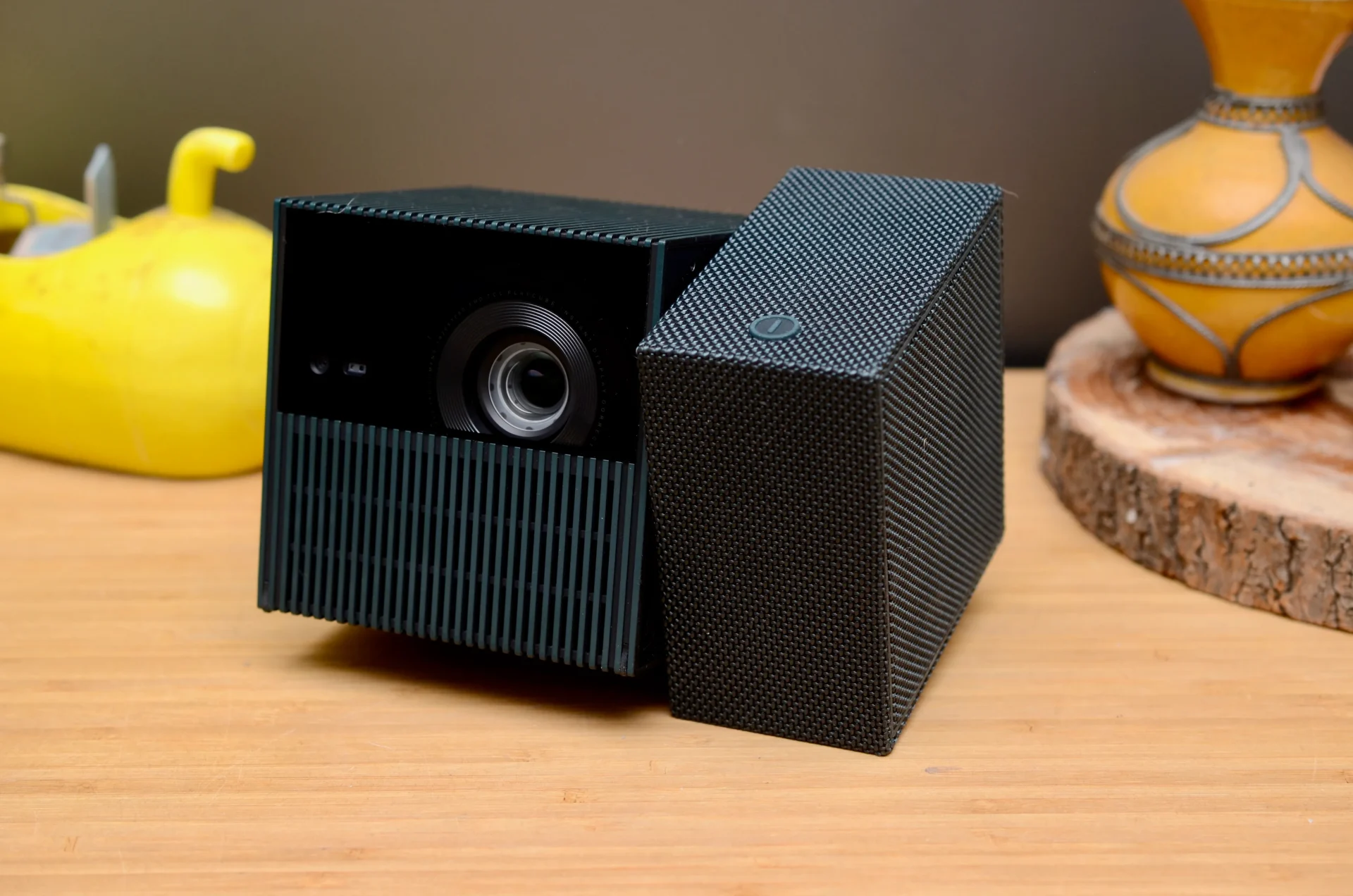
TCL has never been afraid to experiment with design, but the TCL PlayCube projector might be one of its most playful and telling products yet. Described memorably by The Verge as “more fun than a Rubik’s Cube,” the PlayCube is not just a compact projector with a battery—it is a statement about how portable entertainment is evolving. Instead of chasing raw specifications or cinema-grade ambition, TCL focuses on accessibility, personality, and everyday usability.

The result is a device that feels intentionally different in a market often dominated by utilitarian black boxes. The PlayCube is not trying to replace a home theater. It is trying to make projection feel casual, friendly, and even joyful.

Why the PlayCube’s Design Matters More Than Its Specs

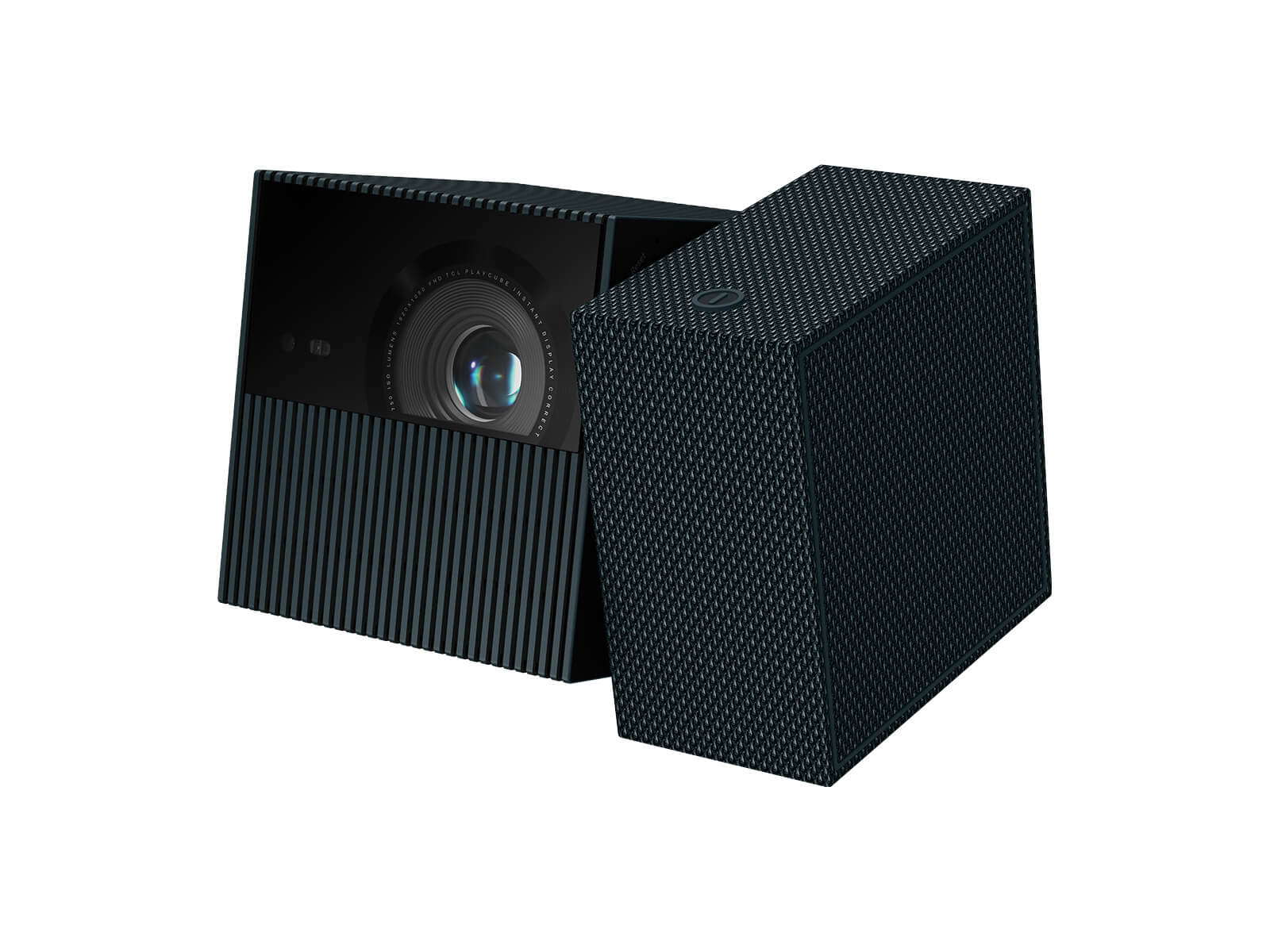
At first glance, the PlayCube looks almost toy-like. Its cube-shaped form, rounded edges, and rotating design immediately set it apart from traditional portable projectors. That is not accidental.

TCL understands that most people who buy a battery-powered projector are not enthusiasts comparing lumens and contrast ratios. They are casual users who want something that fits naturally into their home, bedroom, or travel bag.

The PlayCube’s design communicates approachability. It invites interaction rather than intimidation, which is increasingly important as technology becomes more integrated into daily life.

A Cube That Encourages Interaction

Unlike conventional projectors that require careful placement or tripod mounting, the PlayCube is designed to be picked up, turned, and repositioned instinctively. Its rotating body allows users to aim the projection simply by twisting the cube.

This tactile experience is what fuels comparisons to a Rubik’s Cube. The device feels like something meant to be handled rather than hidden away. That sense of playfulness lowers the barrier to use and encourages experimentation.

TCL is betting that fun matters as much as fidelity.

Battery Power Changes How Projectors Are Used

One of the PlayCube’s defining features is its built-in battery. While battery-powered projectors are not new, TCL integrates this capability in a way that feels natural rather than compromised.

Battery power frees the projector from fixed spaces. The PlayCube can be used on a nightstand, kitchen counter, or even outdoors without hunting for a power outlet. This flexibility aligns perfectly with the device’s casual design philosophy.

It is not about replacing a TV. It is about creating moments.

Portability Without Pretension

Many portable projectors promise big-screen experiences but struggle to deliver consistency. TCL avoids overpromising.

The PlayCube is clearly designed for smaller spaces and informal viewing. Its brightness and resolution are sufficient for dim rooms and short viewing sessions, not sunlit living rooms or cinematic marathons.

By setting realistic expectations, TCL positions the PlayCube as a companion device rather than a centerpiece.

Sound That Matches the Experience

Audio is often an afterthought in compact projectors. TCL treats it as part of the holistic experience.

The PlayCube’s built-in speaker is tuned for clarity rather than volume. It complements casual viewing scenarios like watching a show in bed or sharing a video with friends.

This balance reinforces the product’s identity. The PlayCube is not trying to overwhelm; it is trying to fit in.

Ease of Use Is the Real Innovation

What truly differentiates the PlayCube is how easy it is to use. Setup is minimal. Controls are intuitive. The rotating design eliminates the need for complex keystone adjustments.

This simplicity matters. Many people are intrigued by projectors but deterred by perceived complexity. The PlayCube removes that friction.

TCL’s design choices suggest a deep understanding of why mainstream adoption of projectors has lagged behind TVs.

Why Fun Is a Competitive Advantage

Calling a projector “fun” might sound trivial, but it is strategically important. Consumer electronics often prioritize performance at the expense of personality.

The PlayCube flips that script. It acknowledges that not every device needs to be optimized for enthusiasts. Some devices exist to make technology feel less serious and more human.

This approach mirrors trends seen in other categories, where emotional appeal drives adoption as much as technical capability.

The Rubik’s Cube Comparison Is Telling

A Rubik’s Cube is not just a puzzle. It is an object that invites interaction, curiosity, and play. By evoking that comparison, reviewers highlight how the PlayCube encourages engagement beyond passive consumption.

Users are more likely to move it around, try different projection angles, and integrate it into different spaces. This dynamic use is exactly what TCL wants.

The PlayCube feels alive rather than static.

How the PlayCube Fits Into TCL’s Broader Strategy

TCL has been steadily expanding its presence beyond traditional TVs into lifestyle-focused devices. The PlayCube aligns with that strategy by emphasizing design and accessibility.

Rather than competing head-on with premium projector brands, TCL is carving out a niche for approachable, affordable entertainment products. This diversification strengthens TCL’s brand identity.

It also reflects confidence. TCL is not trying to be everything to everyone.

Who the PlayCube Is Really For

The PlayCube is ideal for users who:

  • Want occasional big-screen viewing
  • Value portability over peak performance
  • Prefer simple, intuitive devices

It is not designed for hardcore cinephiles or competitive gamers. It is designed for people who want a flexible screen wherever they happen to be.

Understanding this target audience is key to appreciating the product.

Limitations Are Part of the Design

The PlayCube’s limitations are not flaws so much as deliberate trade-offs. Brightness is modest. Resolution is adequate, not exceptional. Battery life supports short sessions rather than all-day use.

These constraints keep the device small, affordable, and easy to use. TCL prioritizes experience over excess.

This honesty is refreshing in a category often plagued by inflated claims.

A Reflection of Changing Viewing Habits

The PlayCube reflects broader changes in how people consume media. Viewing is no longer confined to a living room couch.

People watch content in bedrooms, kitchens, and temporary spaces. Devices that adapt to these habits have an advantage.

The PlayCube’s portability and ease of movement align perfectly with this reality.

Why Projectors Are Becoming More Casual

Projectors were once niche devices reserved for home theaters or presentations. Products like the PlayCube signal a shift toward casual projection.

As screens become more flexible and content more ubiquitous, the idea of projecting a show onto a wall feels less exotic and more practical.

TCL is leaning into that normalization.

Competing on Experience, Not Specs

In a market crowded with spec-driven comparisons, the PlayCube stands out by competing on experience.

It is memorable. It sparks conversation. It invites touch.

These qualities are difficult to quantify but powerful in shaping consumer perception.

The Verge’s Take Reflects a Broader Sentiment

When The Verge compares a projector to a Rubik’s Cube, it captures something deeper than novelty. It highlights how design can change the emotional relationship users have with technology.

The PlayCube is not just reviewed—it is reacted to.

That reaction is often the first step toward cultural relevance.
Why This Matters for the Future of Home Tech

As technology matures, differentiation increasingly comes from how products make people feel. Performance gains are incremental. Experience gains are transformative.

The PlayCube shows that even mature categories like projectors can be reimagined through thoughtful design.

This lesson extends beyond projection.

A Device That Encourages Presence, Not Perfection

The PlayCube does not demand perfect conditions. It adapts to imperfect spaces.

This flexibility encourages spontaneous use rather than planned setups. That spontaneity is where fun emerges.

TCL understands that not every viewing moment needs to be optimized—some just need to happen.

Conclusion: A Small Cube With a Big Idea

The TCL PlayCube projector is more than a novelty. It is a quiet rethinking of what a projector can be when performance takes a back seat to personality and usability.

By prioritizing fun, portability, and intuitive design, TCL delivers a product that feels refreshingly human. The Rubik’s Cube comparison is not about gimmicks—it is about interaction, curiosity, and joy.

In a world where technology often feels overwhelming, the PlayCube succeeds by doing something radical: it makes entertainment feel light again.


Disclaimer

We strive to uphold the highest ethical standards in all of our reporting and coverage. We StartupNews.fyi want to be transparent with our readers about any potential conflicts of interest that may arise in our work. It’s possible that some of the investors we feature may have connections to other businesses, including competitors or companies we write about. However, we want to assure our readers that this will not have any impact on the integrity or impartiality of our reporting. We are committed to delivering accurate, unbiased news and information to our audience, and we will continue to uphold our ethics and principles in all of our work. Thank you for your trust and support.

Popular

More Like this

TCL’s PlayCube Projector Is More Fun Than a Rubik’s Cube — And It Shows Where Home Entertainment Is Headed

TCL has never been afraid to experiment with design, but the TCL PlayCube projector might be one of its most playful and telling products yet. Described memorably by The Verge as “more fun than a Rubik’s Cube,” the PlayCube is not just a compact projector with a battery—it is a statement about how portable entertainment is evolving. Instead of chasing raw specifications or cinema-grade ambition, TCL focuses on accessibility, personality, and everyday usability.

The result is a device that feels intentionally different in a market often dominated by utilitarian black boxes. The PlayCube is not trying to replace a home theater. It is trying to make projection feel casual, friendly, and even joyful.

Why the PlayCube’s Design Matters More Than Its Specs

At first glance, the PlayCube looks almost toy-like. Its cube-shaped form, rounded edges, and rotating design immediately set it apart from traditional portable projectors. That is not accidental.

TCL understands that most people who buy a battery-powered projector are not enthusiasts comparing lumens and contrast ratios. They are casual users who want something that fits naturally into their home, bedroom, or travel bag.

The PlayCube’s design communicates approachability. It invites interaction rather than intimidation, which is increasingly important as technology becomes more integrated into daily life.

A Cube That Encourages Interaction

Unlike conventional projectors that require careful placement or tripod mounting, the PlayCube is designed to be picked up, turned, and repositioned instinctively. Its rotating body allows users to aim the projection simply by twisting the cube.

This tactile experience is what fuels comparisons to a Rubik’s Cube. The device feels like something meant to be handled rather than hidden away. That sense of playfulness lowers the barrier to use and encourages experimentation.

TCL is betting that fun matters as much as fidelity.

Battery Power Changes How Projectors Are Used

One of the PlayCube’s defining features is its built-in battery. While battery-powered projectors are not new, TCL integrates this capability in a way that feels natural rather than compromised.

Battery power frees the projector from fixed spaces. The PlayCube can be used on a nightstand, kitchen counter, or even outdoors without hunting for a power outlet. This flexibility aligns perfectly with the device’s casual design philosophy.

It is not about replacing a TV. It is about creating moments.

Portability Without Pretension

Many portable projectors promise big-screen experiences but struggle to deliver consistency. TCL avoids overpromising.

The PlayCube is clearly designed for smaller spaces and informal viewing. Its brightness and resolution are sufficient for dim rooms and short viewing sessions, not sunlit living rooms or cinematic marathons.

By setting realistic expectations, TCL positions the PlayCube as a companion device rather than a centerpiece.

Sound That Matches the Experience

Audio is often an afterthought in compact projectors. TCL treats it as part of the holistic experience.

The PlayCube’s built-in speaker is tuned for clarity rather than volume. It complements casual viewing scenarios like watching a show in bed or sharing a video with friends.

This balance reinforces the product’s identity. The PlayCube is not trying to overwhelm; it is trying to fit in.

Ease of Use Is the Real Innovation

What truly differentiates the PlayCube is how easy it is to use. Setup is minimal. Controls are intuitive. The rotating design eliminates the need for complex keystone adjustments.

This simplicity matters. Many people are intrigued by projectors but deterred by perceived complexity. The PlayCube removes that friction.

TCL’s design choices suggest a deep understanding of why mainstream adoption of projectors has lagged behind TVs.

Why Fun Is a Competitive Advantage

Calling a projector “fun” might sound trivial, but it is strategically important. Consumer electronics often prioritize performance at the expense of personality.

The PlayCube flips that script. It acknowledges that not every device needs to be optimized for enthusiasts. Some devices exist to make technology feel less serious and more human.

This approach mirrors trends seen in other categories, where emotional appeal drives adoption as much as technical capability.

The Rubik’s Cube Comparison Is Telling

A Rubik’s Cube is not just a puzzle. It is an object that invites interaction, curiosity, and play. By evoking that comparison, reviewers highlight how the PlayCube encourages engagement beyond passive consumption.

Users are more likely to move it around, try different projection angles, and integrate it into different spaces. This dynamic use is exactly what TCL wants.

The PlayCube feels alive rather than static.

How the PlayCube Fits Into TCL’s Broader Strategy

TCL has been steadily expanding its presence beyond traditional TVs into lifestyle-focused devices. The PlayCube aligns with that strategy by emphasizing design and accessibility.

Rather than competing head-on with premium projector brands, TCL is carving out a niche for approachable, affordable entertainment products. This diversification strengthens TCL’s brand identity.

It also reflects confidence. TCL is not trying to be everything to everyone.

Who the PlayCube Is Really For

The PlayCube is ideal for users who:

  • Want occasional big-screen viewing
  • Value portability over peak performance
  • Prefer simple, intuitive devices

It is not designed for hardcore cinephiles or competitive gamers. It is designed for people who want a flexible screen wherever they happen to be.

Understanding this target audience is key to appreciating the product.

Limitations Are Part of the Design

The PlayCube’s limitations are not flaws so much as deliberate trade-offs. Brightness is modest. Resolution is adequate, not exceptional. Battery life supports short sessions rather than all-day use.

These constraints keep the device small, affordable, and easy to use. TCL prioritizes experience over excess.

This honesty is refreshing in a category often plagued by inflated claims.

A Reflection of Changing Viewing Habits

The PlayCube reflects broader changes in how people consume media. Viewing is no longer confined to a living room couch.

People watch content in bedrooms, kitchens, and temporary spaces. Devices that adapt to these habits have an advantage.

The PlayCube’s portability and ease of movement align perfectly with this reality.

Why Projectors Are Becoming More Casual

Projectors were once niche devices reserved for home theaters or presentations. Products like the PlayCube signal a shift toward casual projection.

As screens become more flexible and content more ubiquitous, the idea of projecting a show onto a wall feels less exotic and more practical.

TCL is leaning into that normalization.

Competing on Experience, Not Specs

In a market crowded with spec-driven comparisons, the PlayCube stands out by competing on experience.

It is memorable. It sparks conversation. It invites touch.

These qualities are difficult to quantify but powerful in shaping consumer perception.

The Verge’s Take Reflects a Broader Sentiment

When The Verge compares a projector to a Rubik’s Cube, it captures something deeper than novelty. It highlights how design can change the emotional relationship users have with technology.

The PlayCube is not just reviewed—it is reacted to.

That reaction is often the first step toward cultural relevance.

Why This Matters for the Future of Home Tech

As technology matures, differentiation increasingly comes from how products make people feel. Performance gains are incremental. Experience gains are transformative.

The PlayCube shows that even mature categories like projectors can be reimagined through thoughtful design.

This lesson extends beyond projection.

A Device That Encourages Presence, Not Perfection

The PlayCube does not demand perfect conditions. It adapts to imperfect spaces.

This flexibility encourages spontaneous use rather than planned setups. That spontaneity is where fun emerges.

TCL understands that not every viewing moment needs to be optimized—some just need to happen.

Conclusion: A Small Cube With a Big Idea

The TCL PlayCube projector is more than a novelty. It is a quiet rethinking of what a projector can be when performance takes a back seat to personality and usability.

By prioritizing fun, portability, and intuitive design, TCL delivers a product that feels refreshingly human. The Rubik’s Cube comparison is not about gimmicks—it is about interaction, curiosity, and joy.

In a world where technology often feels overwhelming, the PlayCube succeeds by doing something radical: it makes entertainment feel light again.

Disclaimer

We strive to uphold the highest ethical standards in all of our reporting and coverage. We StartupNews.fyi want to be transparent with our readers about any potential conflicts of interest that may arise in our work. It’s possible that some of the investors we feature may have connections to other businesses, including competitors or companies we write about. However, we want to assure our readers that this will not have any impact on the integrity or impartiality of our reporting. We are committed to delivering accurate, unbiased news and information to our audience, and we will continue to uphold our ethics and principles in all of our work. Thank you for your trust and support.

Website Upgradation is going on for any glitch kindly connect at office@startupnews.fyi

More like this

Fortnite Leaks Point to The Office Collaboration With New...

Crossovers have become a defining feature of Fortnite’s identity....

Gene Munster Says Apple’s Shift From OpenAI’s ChatGPT to...

Apple’s long-awaited reinvention of Siri may have just gained...

Popular

best iptv best iptv best iptv best iptv best iptv best iptv best iptv best iptv best iptv best iptv best iptv best iptv best iptv best iptv best iptv best iptv best iptv best iptv best iptv best iptv best iptv best iptv best iptv best iptv best iptv best iptv best iptv best iptv best iptv best iptv best iptv best iptv best iptv best iptv best iptv best iptv best iptv best iptv best iptv best iptv best iptv best iptv best iptv best iptv best iptv best iptv best iptv best iptv best iptv best iptv best iptv best iptv best iptv best iptv best iptv best iptv best iptv best iptv best iptv best iptv best iptv best iptv best iptv best iptv best iptv best iptv best iptv best iptv best iptv best iptv best iptv best iptv best iptv best iptv best iptv best iptv best iptv best iptv best iptv best iptv best iptv best iptv best iptv best iptv best iptv best iptv best iptv best iptv best iptv best iptv best iptv best iptv best iptv best iptv best iptv best iptv best iptv best iptv best iptv best iptv best iptv best iptv best iptv best iptv best iptv best iptv best iptv best iptv best iptv best iptv best iptv best iptv best iptv best iptv best iptv best iptv best iptv best iptv best iptv best iptv best iptv best iptv best iptv best iptv best iptv best iptv best iptv best iptv best iptv best iptv best iptv best iptv best iptv best iptv best iptv best iptv best iptv best iptv best iptv best iptv best iptv best iptv best iptv best iptv best iptv best iptv best iptv best iptv best iptv best iptv best iptv best iptv best iptv best iptv best iptv best iptv best iptv best iptv best iptv best iptv best iptv best iptv best iptv best iptv best iptv best iptv best iptv best iptv best iptv best iptv best iptv best iptv best iptv best iptv best iptv best iptv best iptv best iptv best iptv best iptv best iptv best iptv best iptv best iptv best iptv best iptv best iptv best iptv best iptv best iptv best iptv best iptv best iptv best iptv best iptv best iptv best iptv