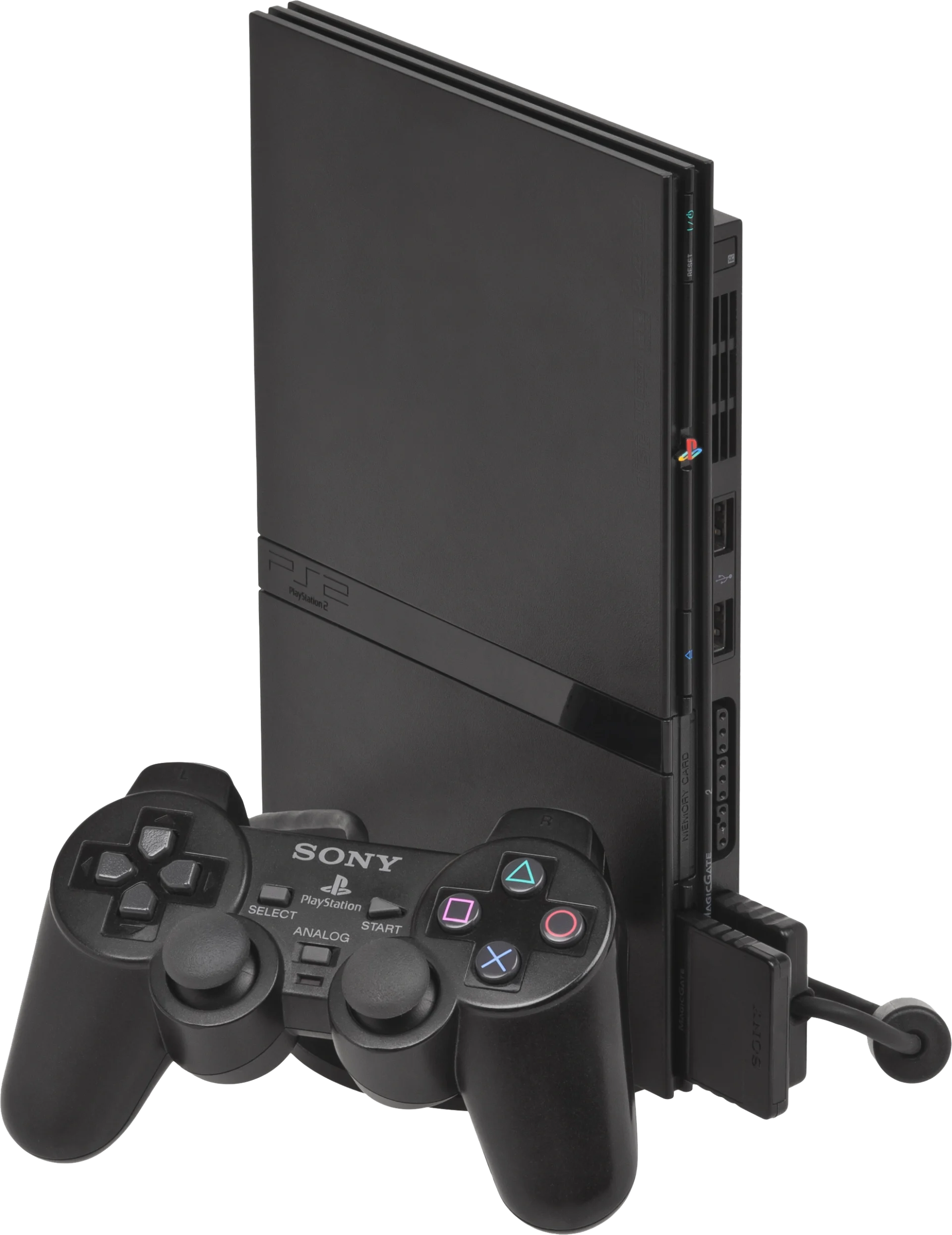
The 7 Hardest PS2 Bosses That Pushed Players to the Breaking Point

Share via:

The PlayStation 2 era is often remembered as a golden age of gaming. It delivered iconic franchises, experimental mechanics, and some of the most emotionally resonant titles ever made. But it also gave players something else: boss fights so punishing that frustration became part of the experience.

Unlike modern games, which often include generous checkpoints, difficulty sliders, and accessibility options, many PS2 games demanded near-perfect execution. Bosses were designed to test patience, pattern recognition, and mechanical mastery, sometimes with little forgiveness for mistakes.

Over time, certain encounters gained legendary status. Not because they were fun, but because they broke players mentally and, in some cases, physically through shattered controllers. These bosses became rites of passage for PS2 owners, stories shared years later with equal parts pride and trauma.

Ares – God of War

God of War introduced players to brutal combat and cinematic scale, but nothing prepared them for the final battle against Ares. The fight was infamous not just for its difficulty, but for how it constantly shifted expectations.

The battle forced players to adapt to multiple phases, each with different mechanics. One moment required precise dodging and combos, the next demanded defense of helpless NPCs, all while Ares unleashed overwhelming attacks.

What truly pushed players over the edge was the lack of checkpoints during critical sequences. One mistake meant replaying long sections, erasing minutes of progress. The pressure was relentless, and the margin for error was slim.

For many, Ares represented the PS2 design philosophy at its harshest. Victory felt earned, but the journey there was often fueled by rage.

Sephiroth – Kingdom Hearts
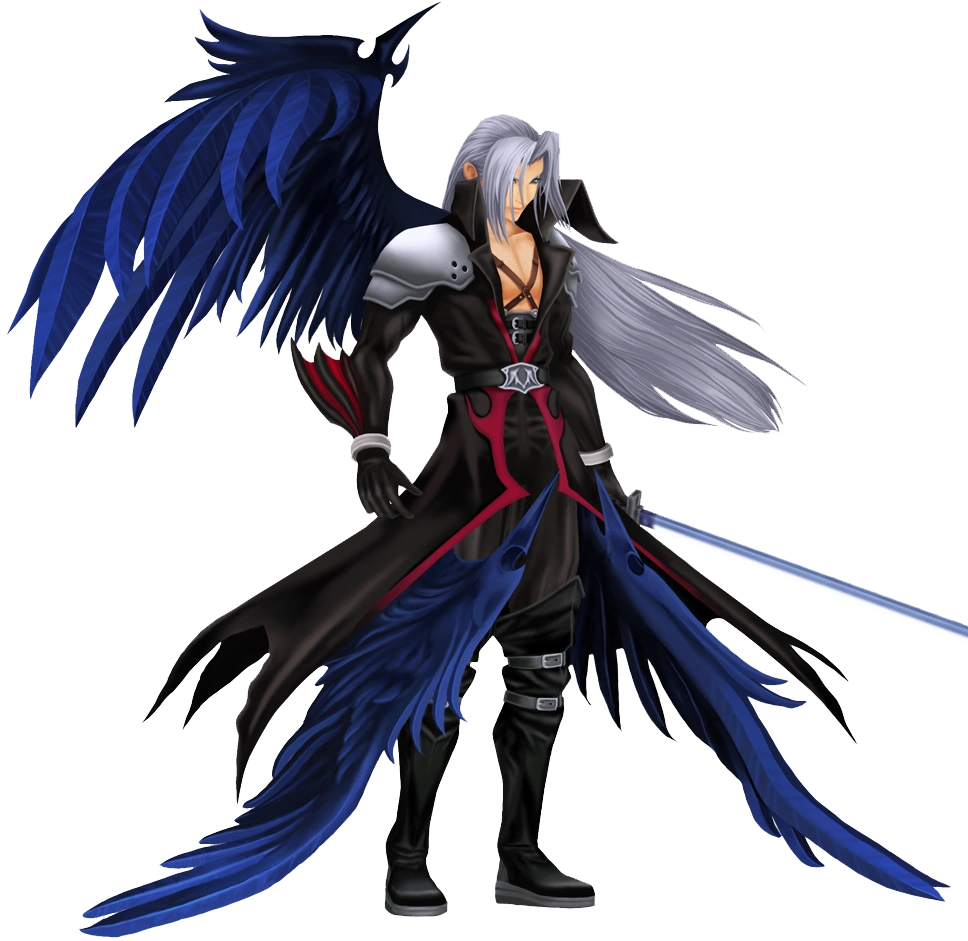
Kingdom Hearts blended Disney charm with Final Fantasy combat, lulling players into a sense of comfort before unleashing one of the most punishing optional bosses ever created.

Sephiroth was not required to finish the game, but players who encountered him quickly realized they were facing something different. He could eliminate the player’s entire health bar in seconds, often before a proper strategy could be established.

The fight demanded mastery of movement, magic timing, and resource management. Even overleveled characters could be destroyed instantly if positioning or reaction time slipped.

What made Sephiroth especially infamous was how little the game prepared players for this level of difficulty. Many walked in expecting a tough challenge and walked out questioning their skills, their patience, and sometimes their controller’s durability.

Vergil – Devil May Cry 3
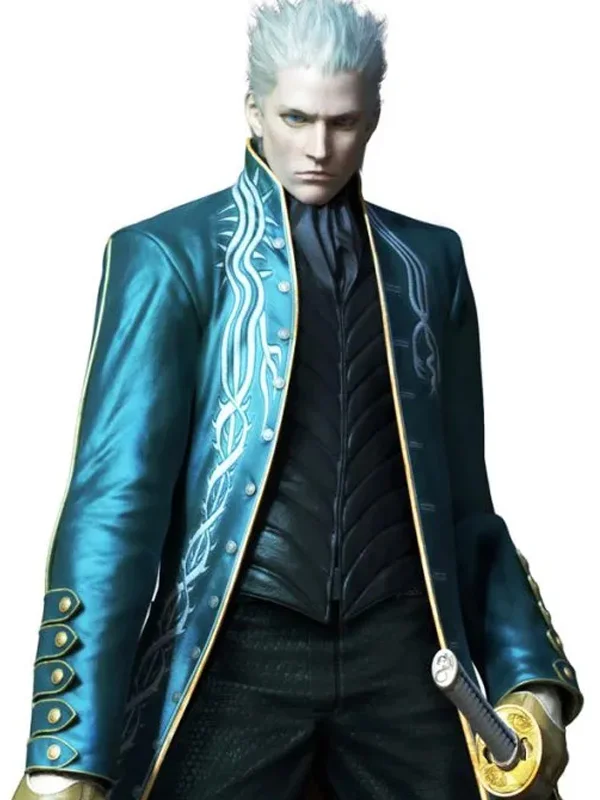
Devil May Cry 3 is remembered as one of the hardest action games of its generation, and Vergil stands as the embodiment of that reputation.

Vergil was fast, aggressive, and relentless. Unlike many bosses who telegraphed attacks, Vergil punished hesitation. His moves mirrored the player’s abilities, turning the fight into a mirror match where mistakes were instantly exploited.

The difficulty was amplified by the original release’s brutal tuning, which later prompted Capcom to re-release the game with adjusted difficulty. At launch, many players found themselves overwhelmed by how unforgiving the encounter was.

Vergil became a benchmark for skill-based combat. Beating him required precision, memorization, and emotional restraint. Losing often resulted in explosive frustration, especially after long attempts.

Solidus Snake – Metal Gear Solid 2
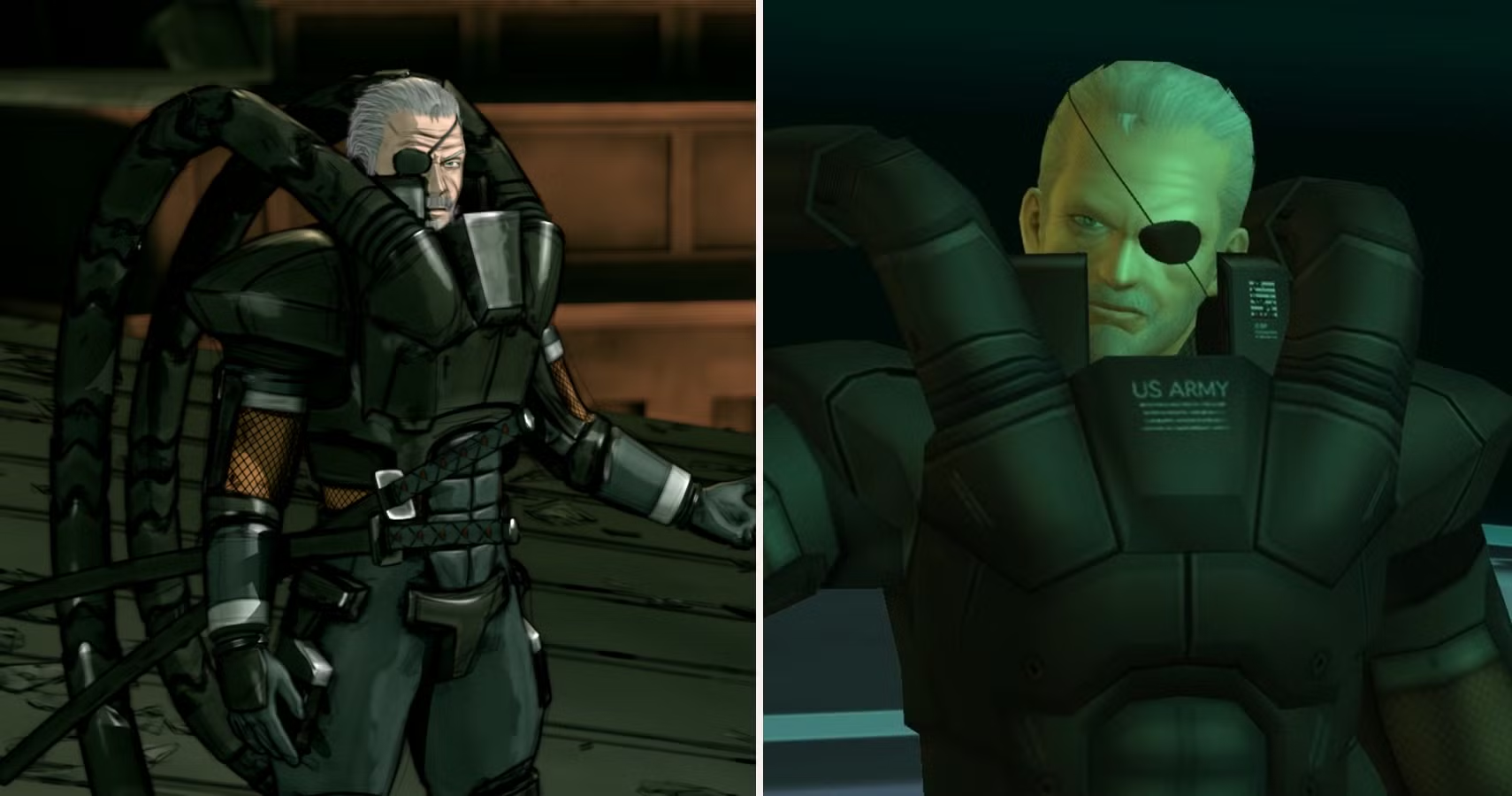
Metal Gear Solid 2 built its reputation on cinematic storytelling and stealth mechanics, but its final boss fight surprised players by discarding firearms altogether.

The duel against Solidus Snake forced players into close-quarters sword combat, a mechanic used sparingly throughout the game. This sudden shift left many unprepared, struggling to adapt under pressure.

Solidus was aggressive, fast, and punishing. The confined arena amplified every mistake, and limited healing options increased tension.

What frustrated players most was the contrast between expectation and execution. After hours of stealth and shooting, the game demanded mastery of a largely unfamiliar system. The result was a boss fight that felt both epic and infuriating.

Seymour Flux – Final Fantasy X
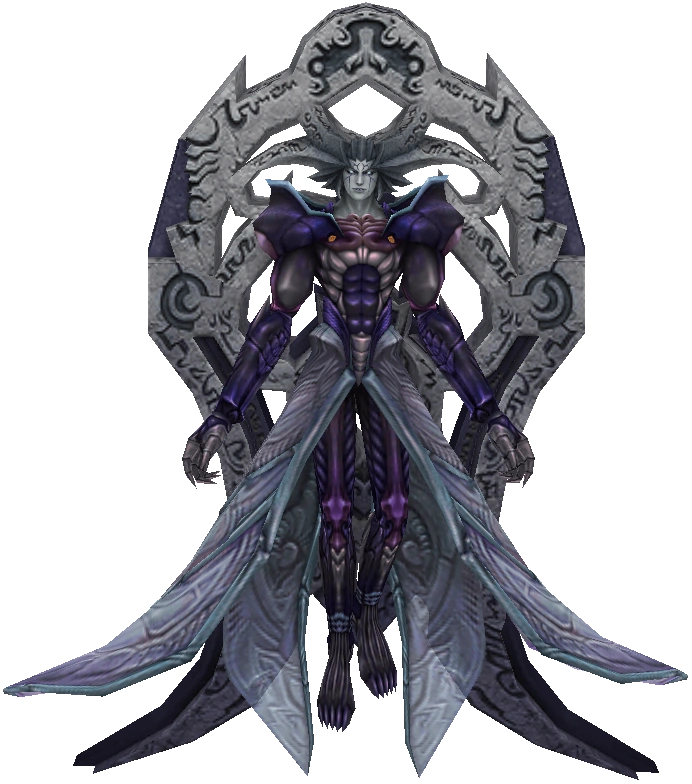
Final Fantasy X featured many memorable boss fights, but Seymour Flux stands out for how abruptly it punished unprepared players.

This encounter arrived at a point where retreat was impossible. Seymour unleashed devastating attacks that could wipe out entire parties in a single turn. Without the right strategy, items, or character builds, the fight became a wall.

Many players reached Seymour Flux without fully understanding advanced mechanics, making the fight feel unfair. Grinding was often required, forcing players to reload earlier saves or endure repeated defeats.

The psychological impact came from the sense of being trapped. Seymour Flux taught players that preparation mattered, but it did so through relentless punishment.

The Colossi – Shadow of the Colossus
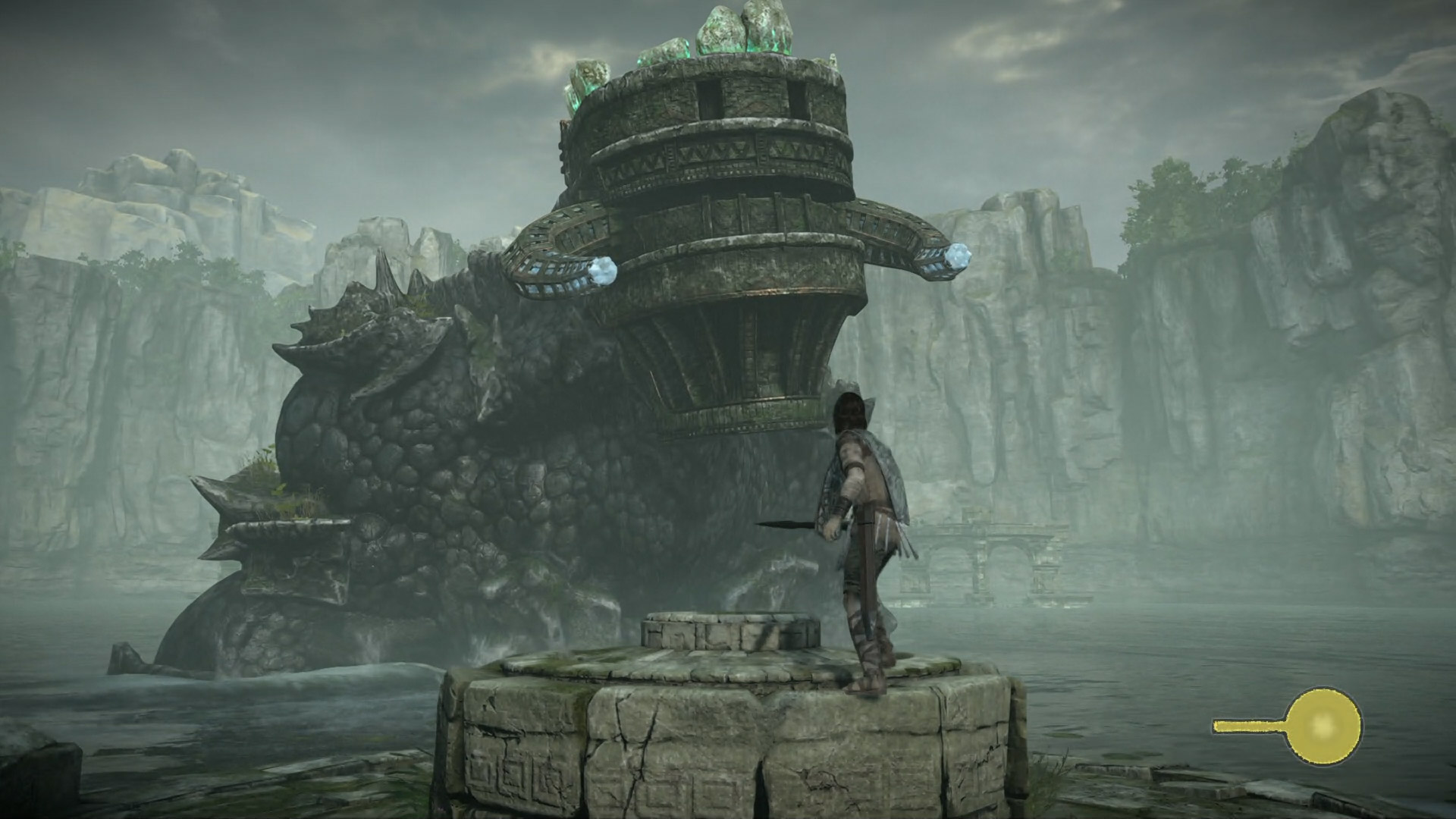
Shadow of the Colossus approached boss design differently. Each colossus was a puzzle as much as a battle, but that did not make them easy.

The difficulty came from scale, controls, and limited guidance. Players had to climb massive creatures while managing stamina and camera angles that often worked against them.

One slip could send the player falling, restarting long climbing sequences. Precision was required, but the game offered little margin for error.

While Shadow of the Colossus is praised for its artistry, it also tested patience in ways few games dared. Controllers were clenched tightly during these encounters, and frustration was often masked by awe.

Nightmare of Druaga – .hack//Infection
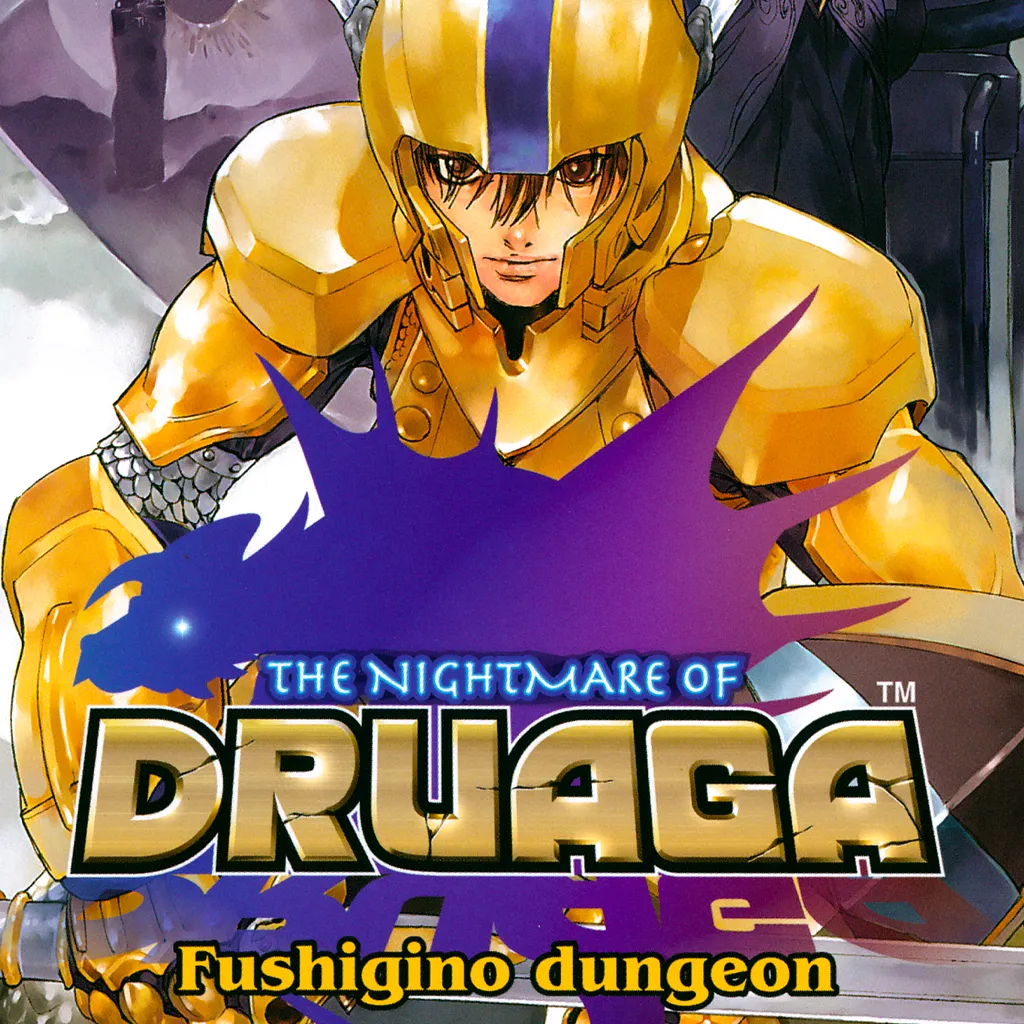
.hack//Infection delivered one of the most infamous difficulty spikes on the PS2. The Nightmare of Druaga boss fight is remembered less for mechanics and more for its sheer imbalance.

The boss hit hard, moved unpredictably, and required specific preparation that many players missed. Without the right setup, victory was nearly impossible.

This fight exemplified early PS2 RPG design, where experimentation and punishment went hand in hand. Players who failed to read guides or understand systems were brutally corrected.

For many, this encounter marked the moment when frustration outweighed enjoyment, cementing its place in PS2 difficulty folklore.

Why PS2 Bosses Felt So Brutal

These bosses shared common traits that made them controller-breaking experiences. Limited checkpoints increased pressure. Poor camera angles added difficulty. Tutorials were minimal, and experimentation was often punished.

Developers assumed persistence. Failure was expected, and success came only through repetition and learning. While this design philosophy created memorable moments, it also created intense frustration.

Modern games often smooth these edges, but PS2-era bosses remain memorable precisely because they refused to compromise.


Disclaimer

We strive to uphold the highest ethical standards in all of our reporting and coverage. We StartupNews.fyi want to be transparent with our readers about any potential conflicts of interest that may arise in our work. It’s possible that some of the investors we feature may have connections to other businesses, including competitors or companies we write about. However, we want to assure our readers that this will not have any impact on the integrity or impartiality of our reporting. We are committed to delivering accurate, unbiased news and information to our audience, and we will continue to uphold our ethics and principles in all of our work. Thank you for your trust and support.

Popular

More Like this

The 7 Hardest PS2 Bosses That Pushed Players to the Breaking Point

The PlayStation 2 era is often remembered as a golden age of gaming. It delivered iconic franchises, experimental mechanics, and some of the most emotionally resonant titles ever made. But it also gave players something else: boss fights so punishing that frustration became part of the experience.

Unlike modern games, which often include generous checkpoints, difficulty sliders, and accessibility options, many PS2 games demanded near-perfect execution. Bosses were designed to test patience, pattern recognition, and mechanical mastery, sometimes with little forgiveness for mistakes.

Over time, certain encounters gained legendary status. Not because they were fun, but because they broke players mentally and, in some cases, physically through shattered controllers. These bosses became rites of passage for PS2 owners, stories shared years later with equal parts pride and trauma.

Ares – God of War

God of War introduced players to brutal combat and cinematic scale, but nothing prepared them for the final battle against Ares. The fight was infamous not just for its difficulty, but for how it constantly shifted expectations.

The battle forced players to adapt to multiple phases, each with different mechanics. One moment required precise dodging and combos, the next demanded defense of helpless NPCs, all while Ares unleashed overwhelming attacks.

What truly pushed players over the edge was the lack of checkpoints during critical sequences. One mistake meant replaying long sections, erasing minutes of progress. The pressure was relentless, and the margin for error was slim.

For many, Ares represented the PS2 design philosophy at its harshest. Victory felt earned, but the journey there was often fueled by rage.

Sephiroth – Kingdom Hearts

Kingdom Hearts blended Disney charm with Final Fantasy combat, lulling players into a sense of comfort before unleashing one of the most punishing optional bosses ever created.

Sephiroth was not required to finish the game, but players who encountered him quickly realized they were facing something different. He could eliminate the player’s entire health bar in seconds, often before a proper strategy could be established.

The fight demanded mastery of movement, magic timing, and resource management. Even overleveled characters could be destroyed instantly if positioning or reaction time slipped.

What made Sephiroth especially infamous was how little the game prepared players for this level of difficulty. Many walked in expecting a tough challenge and walked out questioning their skills, their patience, and sometimes their controller’s durability.

Vergil – Devil May Cry 3

Devil May Cry 3 is remembered as one of the hardest action games of its generation, and Vergil stands as the embodiment of that reputation.

Vergil was fast, aggressive, and relentless. Unlike many bosses who telegraphed attacks, Vergil punished hesitation. His moves mirrored the player’s abilities, turning the fight into a mirror match where mistakes were instantly exploited.

The difficulty was amplified by the original release’s brutal tuning, which later prompted Capcom to re-release the game with adjusted difficulty. At launch, many players found themselves overwhelmed by how unforgiving the encounter was.

Vergil became a benchmark for skill-based combat. Beating him required precision, memorization, and emotional restraint. Losing often resulted in explosive frustration, especially after long attempts.

Solidus Snake – Metal Gear Solid 2

Metal Gear Solid 2 built its reputation on cinematic storytelling and stealth mechanics, but its final boss fight surprised players by discarding firearms altogether.

The duel against Solidus Snake forced players into close-quarters sword combat, a mechanic used sparingly throughout the game. This sudden shift left many unprepared, struggling to adapt under pressure.

Solidus was aggressive, fast, and punishing. The confined arena amplified every mistake, and limited healing options increased tension.

What frustrated players most was the contrast between expectation and execution. After hours of stealth and shooting, the game demanded mastery of a largely unfamiliar system. The result was a boss fight that felt both epic and infuriating.

Seymour Flux – Final Fantasy X

Final Fantasy X featured many memorable boss fights, but Seymour Flux stands out for how abruptly it punished unprepared players.

This encounter arrived at a point where retreat was impossible. Seymour unleashed devastating attacks that could wipe out entire parties in a single turn. Without the right strategy, items, or character builds, the fight became a wall.

Many players reached Seymour Flux without fully understanding advanced mechanics, making the fight feel unfair. Grinding was often required, forcing players to reload earlier saves or endure repeated defeats.

The psychological impact came from the sense of being trapped. Seymour Flux taught players that preparation mattered, but it did so through relentless punishment.

The Colossi – Shadow of the Colossus

Shadow of the Colossus approached boss design differently. Each colossus was a puzzle as much as a battle, but that did not make them easy.

The difficulty came from scale, controls, and limited guidance. Players had to climb massive creatures while managing stamina and camera angles that often worked against them.

One slip could send the player falling, restarting long climbing sequences. Precision was required, but the game offered little margin for error.

While Shadow of the Colossus is praised for its artistry, it also tested patience in ways few games dared. Controllers were clenched tightly during these encounters, and frustration was often masked by awe.

Nightmare of Druaga – .hack//Infection

.hack//Infection delivered one of the most infamous difficulty spikes on the PS2. The Nightmare of Druaga boss fight is remembered less for mechanics and more for its sheer imbalance.

The boss hit hard, moved unpredictably, and required specific preparation that many players missed. Without the right setup, victory was nearly impossible.

This fight exemplified early PS2 RPG design, where experimentation and punishment went hand in hand. Players who failed to read guides or understand systems were brutally corrected.

For many, this encounter marked the moment when frustration outweighed enjoyment, cementing its place in PS2 difficulty folklore.

Why PS2 Bosses Felt So Brutal

These bosses shared common traits that made them controller-breaking experiences. Limited checkpoints increased pressure. Poor camera angles added difficulty. Tutorials were minimal, and experimentation was often punished.

Developers assumed persistence. Failure was expected, and success came only through repetition and learning. While this design philosophy created memorable moments, it also created intense frustration.

Modern games often smooth these edges, but PS2-era bosses remain memorable precisely because they refused to compromise.

Disclaimer

We strive to uphold the highest ethical standards in all of our reporting and coverage. We StartupNews.fyi want to be transparent with our readers about any potential conflicts of interest that may arise in our work. It’s possible that some of the investors we feature may have connections to other businesses, including competitors or companies we write about. However, we want to assure our readers that this will not have any impact on the integrity or impartiality of our reporting. We are committed to delivering accurate, unbiased news and information to our audience, and we will continue to uphold our ethics and principles in all of our work. Thank you for your trust and support.

Website Upgradation is going on for any glitch kindly connect at office@startupnews.fyi

More like this

Predicting a 10X Rally for $TAP Following the Visa...

Payments are heating up again as stablecoins scale...

AI became democratic, its future to be written in...

Imphal, Jan 19 (PTI) Nasscom director Nirupam Chaudhuri...

Popular

melhor-iptv-portugal melhor-iptv-portugal melhor-iptv-portugal melhor-iptv-portugal melhor-iptv-portugal melhor-iptv-portugal melhor-iptv-portugal melhor-iptv-portugal melhor-iptv-portugal melhor-iptv-portugal melhor-iptv-portugal melhor-iptv-portugal melhor-iptv-portugal melhor-iptv-portugal melhor-iptv-portugal melhor-iptv-portugal melhor-iptv-portugal melhor-iptv-portugal melhor-iptv-portugal melhor-iptv-portugal melhor-iptv-portugal melhor-iptv-portugal melhor-iptv-portugal melhor-iptv-portugal melhor-iptv-portugal melhor-iptv-portugal melhor-iptv-portugal melhor-iptv-portugal melhor-iptv-portugal melhor-iptv-portugal melhor-iptv-portugal melhor-iptv-portugal melhor-iptv-portugal melhor-iptv-portugal melhor-iptv-portugal melhor-iptv-portugal melhor-iptv-portugal melhor-iptv-portugal melhor-iptv-portugal melhor-iptv-portugal melhor-iptv-portugal melhor-iptv-portugal melhor-iptv-portugal melhor-iptv-portugal melhor-iptv-portugal melhor-iptv-portugal melhor-iptv-portugal melhor-iptv-portugal melhor-iptv-portugal melhor-iptv-portugal melhor-iptv-portugal melhor-iptv-portugal melhor-iptv-portugal melhor-iptv-portugal melhor-iptv-portugal melhor-iptv-portugal melhor-iptv-portugal melhor-iptv-portugal melhor-iptv-portugal melhor-iptv-portugal melhor-iptv-portugal melhor-iptv-portugal melhor-iptv-portugal melhor-iptv-portugal melhor-iptv-portugal melhor-iptv-portugal melhor-iptv-portugal melhor-iptv-portugal melhor-iptv-portugal melhor-iptv-portugal melhor-iptv-portugal melhor-iptv-portugal melhor-iptv-portugal melhor-iptv-portugal