PDAs, Tube TVs and $13,000 VCRs: How CES Jump-Starts the Tech of Tomorrow

Share via:

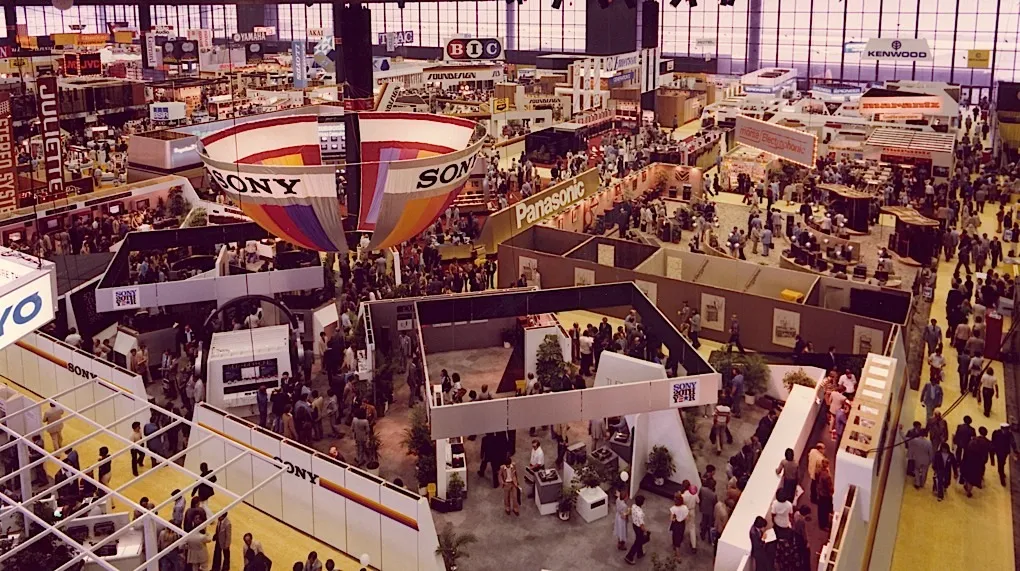
Every January, the Consumer Electronics Show feels like a glimpse into the future. But long before AI assistants, foldable screens, and smart homes dominated headlines, CES was already shaping what everyday technology would eventually become. From bulky tube televisions and eye-wateringly expensive VCRs to early personal digital assistants that looked decades ahead of their time, CES has repeatedly proven to be a launchpad where tomorrow’s mainstream technology first appeared in awkward, expensive, and often misunderstood forms.

As chronicled in a deep historical look by CNET, CES is not just a trade show. It is a living archive of ambition, failure, reinvention, and progress. The products that debuted on its floors often failed commercially at first, yet many laid the groundwork for entire industries that followed.

CES Was Never About What You Could Buy That Year

One of the biggest misconceptions about CES is that it exists to showcase products consumers will buy immediately. Historically, that has almost never been the case.

CES has always been about signaling direction. The show reveals what companies are experimenting with, what they believe might matter in five or ten years, and what they are willing to gamble on publicly. Many of the most influential CES products were impractical, overpriced, or technologically premature when they debuted.

Yet their presence mattered because it introduced ideas into the mainstream conversation.

The Era of Tube TVs and Technological Awe

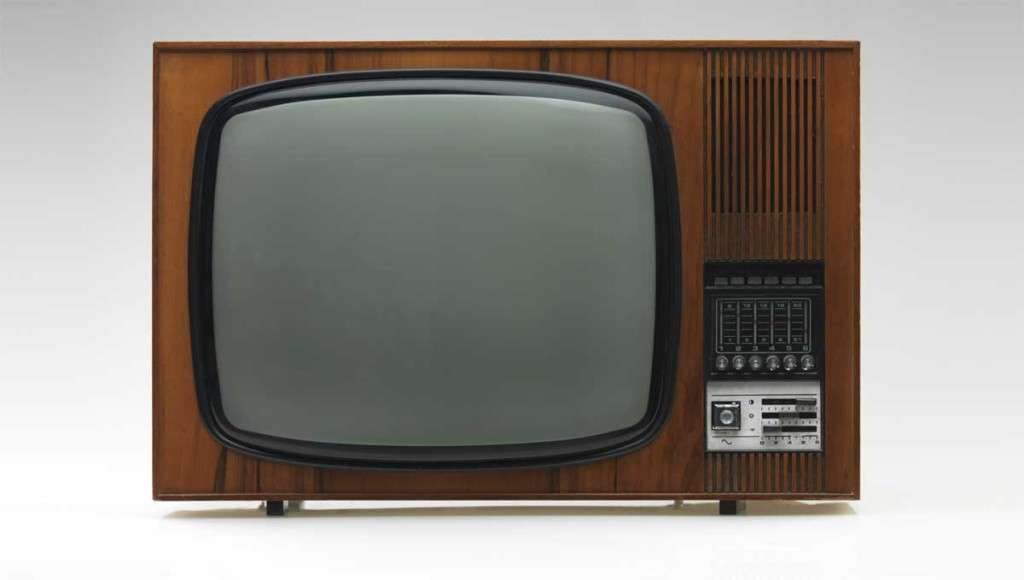
In CES’s early decades, televisions were the star attraction. Towering cathode-ray tube TVs dominated show floors, often drawing crowds simply because of their size.

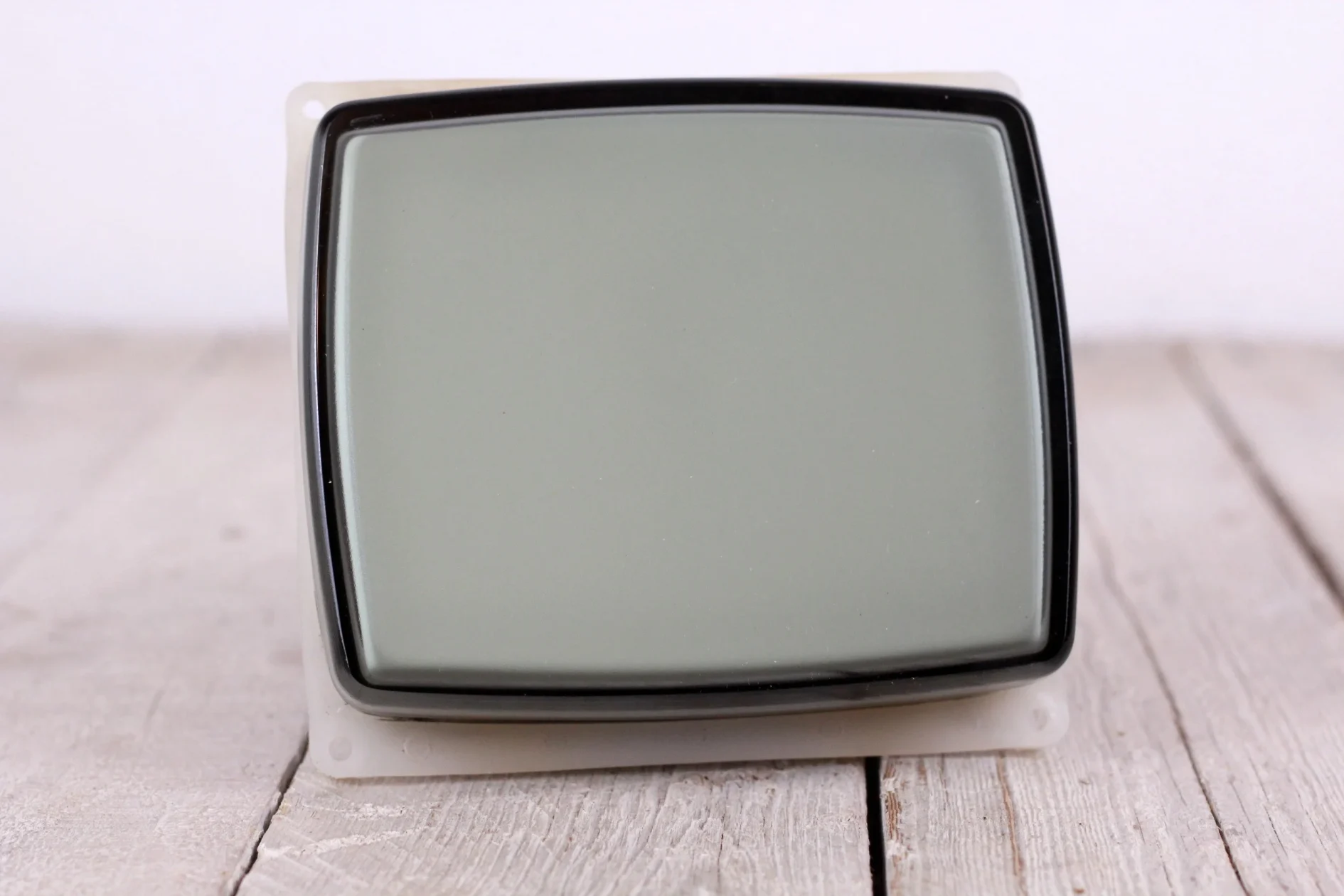
At the time, a bigger, brighter TV felt revolutionary. These sets were heavy, power-hungry, and expensive, but they pushed manufacturers to compete on picture quality, color accuracy, and sound. The race to improve CRT technology eventually created the conditions that made flat-panel displays viable.

What seemed like excess was actually experimentation.

The $13,000 VCR That Changed Everything

Perhaps no CES artifact better illustrates the show’s role than the early VCR. Some of the first consumer VCRs displayed at CES carried price tags equivalent to a small car—around $13,000 in today’s money.

These machines were clearly not mass-market products. Yet they introduced a radical idea: time-shifting television. Recording broadcasts and watching them later transformed how people interacted with media.

That concept, not the price or form factor, was the breakthrough. Once costs fell and formats stabilized, the VCR reshaped entertainment permanently.

Why Expensive Prototypes Matter

Looking back, it is easy to laugh at absurd prices and impractical designs. But CES has always functioned as a proving ground.

High prices fund experimentation. Early adopters validate concepts. Engineers learn what fails under real-world scrutiny.

Without those early, expensive failures, later affordable successes would not exist. CES provides a safe stage for that process to unfold publicly.

The Rise of the PDA: A Vision Before Its Time

Long before smartphones, CES showcased personal digital assistants. Early PDAs promised calendars, contacts, notes, and computing power in your pocket.

They were slow, limited, and awkward. Yet they represented a radical shift in thinking: computers as personal companions rather than stationary tools.

Many PDAs failed commercially, but their core ideas lived on. Touch input, mobile operating systems, and portable productivity all trace roots back to those early CES demos.

CES as a Graveyard of Formats

Not every CES innovation survives. The show is littered with formats that never found their audience.

LaserDisc, MiniDisc, HD DVD, and countless proprietary media standards all had moments of CES glory before fading away. These failures were not pointless. They clarified what consumers actually wanted and what compromises they would tolerate.

Each dead format narrowed the path forward.\

Gaming’s Early CES Year

Before E3 existed, CES was where video games were unveiled. Early consoles from companies like Atari and Nintendo used CES to reach retailers and media.

Gaming was once considered a novelty category within consumer electronics. CES gave it legitimacy, positioning it alongside televisions and audio equipment.

That validation helped gaming grow into the global industry it is today.

Apple’s Complicated Relationship With CES

Apple’s history with CES is uneven. While Apple has rarely used CES as a major launch venue, its influence is still present in the show’s evolution.

Early Apple computers appeared during CES’s formative years, contributing to the normalization of personal computing. Later, Apple’s absence itself became a statement, reinforcing CES’s role as a platform for the broader industry rather than singular brands.

CES does not belong to one company. That is part of its power.

Why CES Rewards Vision Over Polish

Unlike tightly controlled product launches, CES thrives on imperfection. Booths are crowded. Demos break. Prototypes crash.

This chaos is productive. It exposes weaknesses early and forces companies to confront real-world conditions.

Polished products often emerge years later, shaped by lessons learned on noisy CES floors.

From Hardware Obsession to Experience Design

Historically, CES focused heavily on hardware. Bigger screens. More buttons. Faster chips.

Over time, the emphasis shifted toward experiences. Software, connectivity, and ecosystems became as important as physical specs.

That evolution mirrors consumer priorities. CES adapted by becoming less about individual devices and more about how technologies fit into daily life.
Why CES Keeps Predicting the Future—Badly and Brilliantly

CES is famous for predicting futures that never arrive exactly as imagined. Smart fridges, 3D TVs, and gesture-controlled everything all had CES moments.

But even failed predictions reveal something true. They show what companies believe technology could enable, even if the execution misses the mark.

CES is less about accuracy and more about ambition.

The Pattern Behind CES Success Stories

Looking back, successful CES technologies share common traits:
They solve real problems.
They become cheaper over time.
They integrate smoothly into existing habits.

VCRs, PDAs, flat-screen TVs, and later smartphones all followed this pattern. CES introduces them when they are still rough. The market refines them afterward.
Why CES Still Matters in the AI Era

Even as product launches move online and companies host their own events, CES remains relevant because of scale and diversity.

No other show brings together televisions, cars, chips, appliances, health tech, and experimental prototypes under one roof. That cross-pollination sparks ideas that isolated launches cannot.

CES is where trends collide.

Learning From CES’s Oldest Lessons

The history of CES teaches patience. Revolutionary technology rarely arrives fully formed. It stumbles, overcharges, and disappoints before it succeeds.

Judging innovation too early misses the point. CES shows us beginnings, not endings.

Understanding that makes the show more valuable, not less.

Why Nostalgia Matters at CES

Looking back at tube TVs and PDAs is not just nostalgia. It contextualizes modern innovation.

When today’s prototypes look impractical or overpriced, CES history reminds us that this is normal. Today’s oddity is tomorrow’s necessity.

Perspective tempers hype and skepticism alike.

CES as a Mirror of Consumer Desir

CES does not invent desire—it reflects it. Each era’s show reveals what people hope technology will fix.

From convenience to entertainment to connection, CES tracks shifting priorities. The devices change, but the motivations remain familiar.

That continuity explains why CES endures.
Conclusion: CES Is the Future, Before It Makes Sense

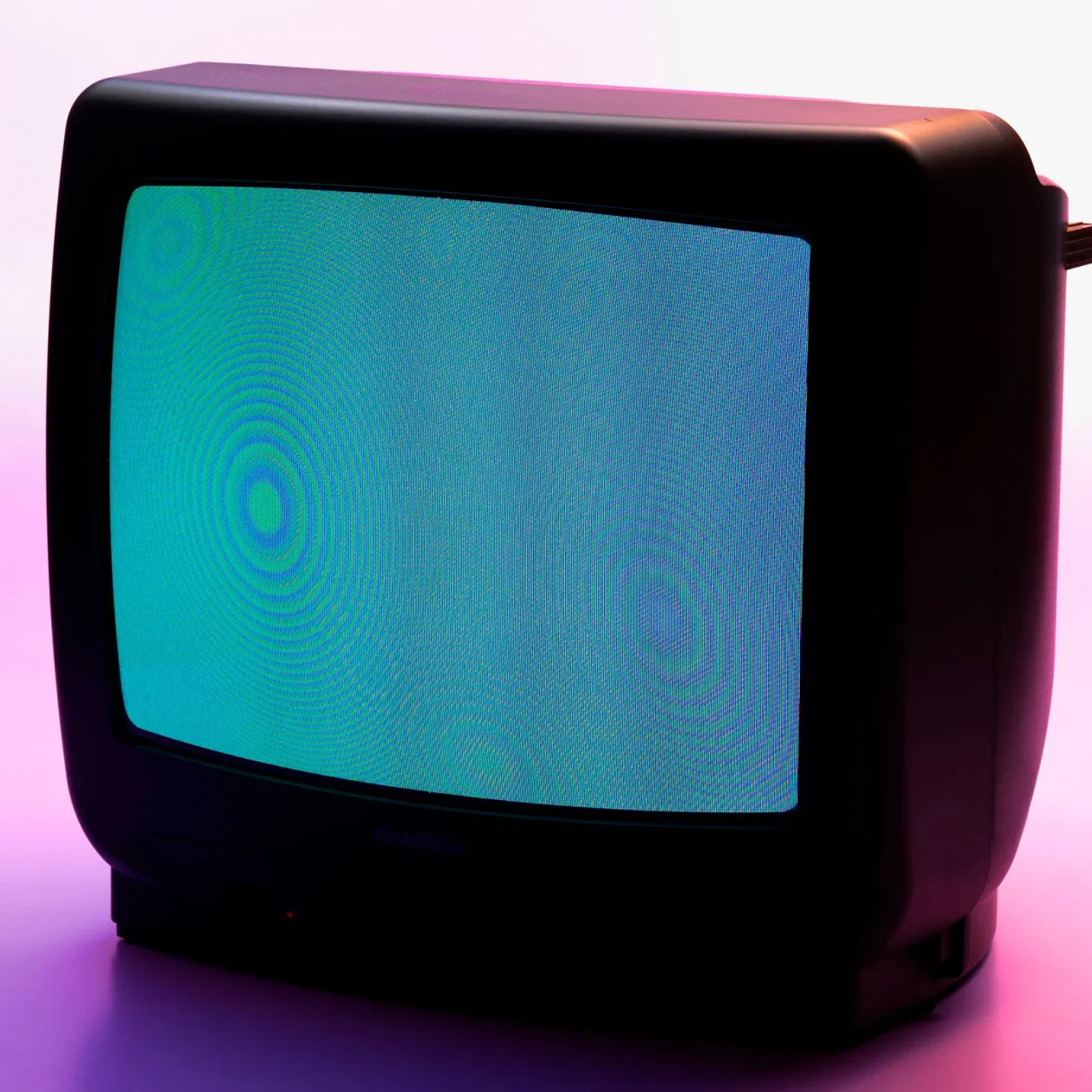
From $13,000 VCRs and room-filling tube TVs to fragile PDAs that foreshadowed smartphones, CES has always been where unfinished futures appear first.

Most CES products are not meant to succeed as-is. They exist to test ideas, spark competition, and normalize possibilities.

The tech of tomorrow rarely looks impressive at birth. CES proves that innovation often begins awkwardly, expensively, and imperfectly—long before it becomes inevitable.

That is why CES still matters.

Disclaimer

We strive to uphold the highest ethical standards in all of our reporting and coverage. We StartupNews.fyi want to be transparent with our readers about any potential conflicts of interest that may arise in our work. It’s possible that some of the investors we feature may have connections to other businesses, including competitors or companies we write about. However, we want to assure our readers that this will not have any impact on the integrity or impartiality of our reporting. We are committed to delivering accurate, unbiased news and information to our audience, and we will continue to uphold our ethics and principles in all of our work. Thank you for your trust and support.

Popular

More Like this

PDAs, Tube TVs and $13,000 VCRs: How CES Jump-Starts the Tech of Tomorrow

Every January, the Consumer Electronics Show feels like a glimpse into the future. But long before AI assistants, foldable screens, and smart homes dominated headlines, CES was already shaping what everyday technology would eventually become. From bulky tube televisions and eye-wateringly expensive VCRs to early personal digital assistants that looked decades ahead of their time, CES has repeatedly proven to be a launchpad where tomorrow’s mainstream technology first appeared in awkward, expensive, and often misunderstood forms.

As chronicled in a deep historical look by CNET, CES is not just a trade show. It is a living archive of ambition, failure, reinvention, and progress. The products that debuted on its floors often failed commercially at first, yet many laid the groundwork for entire industries that followed.

CES Was Never About What You Could Buy That Year

One of the biggest misconceptions about CES is that it exists to showcase products consumers will buy immediately. Historically, that has almost never been the case.

CES has always been about signaling direction. The show reveals what companies are experimenting with, what they believe might matter in five or ten years, and what they are willing to gamble on publicly. Many of the most influential CES products were impractical, overpriced, or technologically premature when they debuted.

Yet their presence mattered because it introduced ideas into the mainstream conversation.

The Era of Tube TVs and Technological Awe

In CES’s early decades, televisions were the star attraction. Towering cathode-ray tube TVs dominated show floors, often drawing crowds simply because of their size.

At the time, a bigger, brighter TV felt revolutionary. These sets were heavy, power-hungry, and expensive, but they pushed manufacturers to compete on picture quality, color accuracy, and sound. The race to improve CRT technology eventually created the conditions that made flat-panel displays viable.

What seemed like excess was actually experimentation.

The $13,000 VCR That Changed Everything

Perhaps no CES artifact better illustrates the show’s role than the early VCR. Some of the first consumer VCRs displayed at CES carried price tags equivalent to a small car—around $13,000 in today’s money.

These machines were clearly not mass-market products. Yet they introduced a radical idea: time-shifting television. Recording broadcasts and watching them later transformed how people interacted with media.

That concept, not the price or form factor, was the breakthrough. Once costs fell and formats stabilized, the VCR reshaped entertainment permanently.

Why Expensive Prototypes Matter

Looking back, it is easy to laugh at absurd prices and impractical designs. But CES has always functioned as a proving ground.

High prices fund experimentation. Early adopters validate concepts. Engineers learn what fails under real-world scrutiny.

Without those early, expensive failures, later affordable successes would not exist. CES provides a safe stage for that process to unfold publicly.

The Rise of the PDA: A Vision Before Its Time

Long before smartphones, CES showcased personal digital assistants. Early PDAs promised calendars, contacts, notes, and computing power in your pocket.

They were slow, limited, and awkward. Yet they represented a radical shift in thinking: computers as personal companions rather than stationary tools.

Many PDAs failed commercially, but their core ideas lived on. Touch input, mobile operating systems, and portable productivity all trace roots back to those early CES demos.

CES as a Graveyard of Formats

Not every CES innovation survives. The show is littered with formats that never found their audience.

LaserDisc, MiniDisc, HD DVD, and countless proprietary media standards all had moments of CES glory before fading away. These failures were not pointless. They clarified what consumers actually wanted and what compromises they would tolerate.

Each dead format narrowed the path forward.\

Gaming’s Early CES Year

Before E3 existed, CES was where video games were unveiled. Early consoles from companies like Atari and Nintendo used CES to reach retailers and media.

Gaming was once considered a novelty category within consumer electronics. CES gave it legitimacy, positioning it alongside televisions and audio equipment.

That validation helped gaming grow into the global industry it is today.

Apple’s Complicated Relationship With CES

Apple’s history with CES is uneven. While Apple has rarely used CES as a major launch venue, its influence is still present in the show’s evolution.

Early Apple computers appeared during CES’s formative years, contributing to the normalization of personal computing. Later, Apple’s absence itself became a statement, reinforcing CES’s role as a platform for the broader industry rather than singular brands.

CES does not belong to one company. That is part of its power.

Why CES Rewards Vision Over Polish

Unlike tightly controlled product launches, CES thrives on imperfection. Booths are crowded. Demos break. Prototypes crash.

This chaos is productive. It exposes weaknesses early and forces companies to confront real-world conditions.

Polished products often emerge years later, shaped by lessons learned on noisy CES floors.

From Hardware Obsession to Experience Design

Historically, CES focused heavily on hardware. Bigger screens. More buttons. Faster chips.

Over time, the emphasis shifted toward experiences. Software, connectivity, and ecosystems became as important as physical specs.

That evolution mirrors consumer priorities. CES adapted by becoming less about individual devices and more about how technologies fit into daily life.

Why CES Keeps Predicting the Future—Badly and Brilliantly

CES is famous for predicting futures that never arrive exactly as imagined. Smart fridges, 3D TVs, and gesture-controlled everything all had CES moments.

But even failed predictions reveal something true. They show what companies believe technology could enable, even if the execution misses the mark.

CES is less about accuracy and more about ambition.

The Pattern Behind CES Success Stories

Looking back, successful CES technologies share common traits:
They solve real problems.
They become cheaper over time.
They integrate smoothly into existing habits.

VCRs, PDAs, flat-screen TVs, and later smartphones all followed this pattern. CES introduces them when they are still rough. The market refines them afterward.

Why CES Still Matters in the AI Era

Even as product launches move online and companies host their own events, CES remains relevant because of scale and diversity.

No other show brings together televisions, cars, chips, appliances, health tech, and experimental prototypes under one roof. That cross-pollination sparks ideas that isolated launches cannot.

CES is where trends collide.

Learning From CES’s Oldest Lessons

The history of CES teaches patience. Revolutionary technology rarely arrives fully formed. It stumbles, overcharges, and disappoints before it succeeds.

Judging innovation too early misses the point. CES shows us beginnings, not endings.

Understanding that makes the show more valuable, not less.

Why Nostalgia Matters at CES

Looking back at tube TVs and PDAs is not just nostalgia. It contextualizes modern innovation.

When today’s prototypes look impractical or overpriced, CES history reminds us that this is normal. Today’s oddity is tomorrow’s necessity.

Perspective tempers hype and skepticism alike.

CES as a Mirror of Consumer Desir

CES does not invent desire—it reflects it. Each era’s show reveals what people hope technology will fix.

From convenience to entertainment to connection, CES tracks shifting priorities. The devices change, but the motivations remain familiar.

That continuity explains why CES endures.

Conclusion: CES Is the Future, Before It Makes Sense

From $13,000 VCRs and room-filling tube TVs to fragile PDAs that foreshadowed smartphones, CES has always been where unfinished futures appear first.

Most CES products are not meant to succeed as-is. They exist to test ideas, spark competition, and normalize possibilities.

The tech of tomorrow rarely looks impressive at birth. CES proves that innovation often begins awkwardly, expensively, and imperfectly—long before it becomes inevitable.

That is why CES still matters.

Disclaimer

We strive to uphold the highest ethical standards in all of our reporting and coverage. We StartupNews.fyi want to be transparent with our readers about any potential conflicts of interest that may arise in our work. It’s possible that some of the investors we feature may have connections to other businesses, including competitors or companies we write about. However, we want to assure our readers that this will not have any impact on the integrity or impartiality of our reporting. We are committed to delivering accurate, unbiased news and information to our audience, and we will continue to uphold our ethics and principles in all of our work. Thank you for your trust and support.

Website Upgradation is going on for any glitch kindly connect at office@startupnews.fyi

More like this

JioHotstar Monthly Cost of Mobile, Super and Premium Plans

JioHotstar, the largest over-the-top (OTT) platform in the...

JioHotstar Monthly Cost of Mobile, Super and Premium Plans

JioHotstar, the largest over-the-top (OTT) platform in the...

G2 Esports Secures League of Legends Betting Deal With...

Esports organisations are increasingly redefining how they generate revenue,...

Popular

melhor-iptv-portugal melhor-iptv-portugal melhor-iptv-portugal melhor-iptv-portugal melhor-iptv-portugal melhor-iptv-portugal melhor-iptv-portugal melhor-iptv-portugal melhor-iptv-portugal melhor-iptv-portugal melhor-iptv-portugal melhor-iptv-portugal melhor-iptv-portugal melhor-iptv-portugal melhor-iptv-portugal melhor-iptv-portugal melhor-iptv-portugal melhor-iptv-portugal melhor-iptv-portugal melhor-iptv-portugal melhor-iptv-portugal melhor-iptv-portugal melhor-iptv-portugal melhor-iptv-portugal melhor-iptv-portugal melhor-iptv-portugal melhor-iptv-portugal melhor-iptv-portugal melhor-iptv-portugal melhor-iptv-portugal melhor-iptv-portugal melhor-iptv-portugal melhor-iptv-portugal melhor-iptv-portugal melhor-iptv-portugal melhor-iptv-portugal melhor-iptv-portugal melhor-iptv-portugal melhor-iptv-portugal melhor-iptv-portugal melhor-iptv-portugal melhor-iptv-portugal melhor-iptv-portugal melhor-iptv-portugal melhor-iptv-portugal melhor-iptv-portugal melhor-iptv-portugal melhor-iptv-portugal melhor-iptv-portugal melhor-iptv-portugal melhor-iptv-portugal melhor-iptv-portugal melhor-iptv-portugal melhor-iptv-portugal melhor-iptv-portugal melhor-iptv-portugal melhor-iptv-portugal melhor-iptv-portugal melhor-iptv-portugal melhor-iptv-portugal melhor-iptv-portugal melhor-iptv-portugal melhor-iptv-portugal melhor-iptv-portugal melhor-iptv-portugal melhor-iptv-portugal melhor-iptv-portugal melhor-iptv-portugal melhor-iptv-portugal melhor-iptv-portugal melhor-iptv-portugal melhor-iptv-portugal melhor-iptv-portugal melhor-iptv-portugal
