Microsoft’s First Windows 11 Update of 2026 Stopped Some Computers From Shutting Down, Exposing Ongoing Update Challenges

Share via:

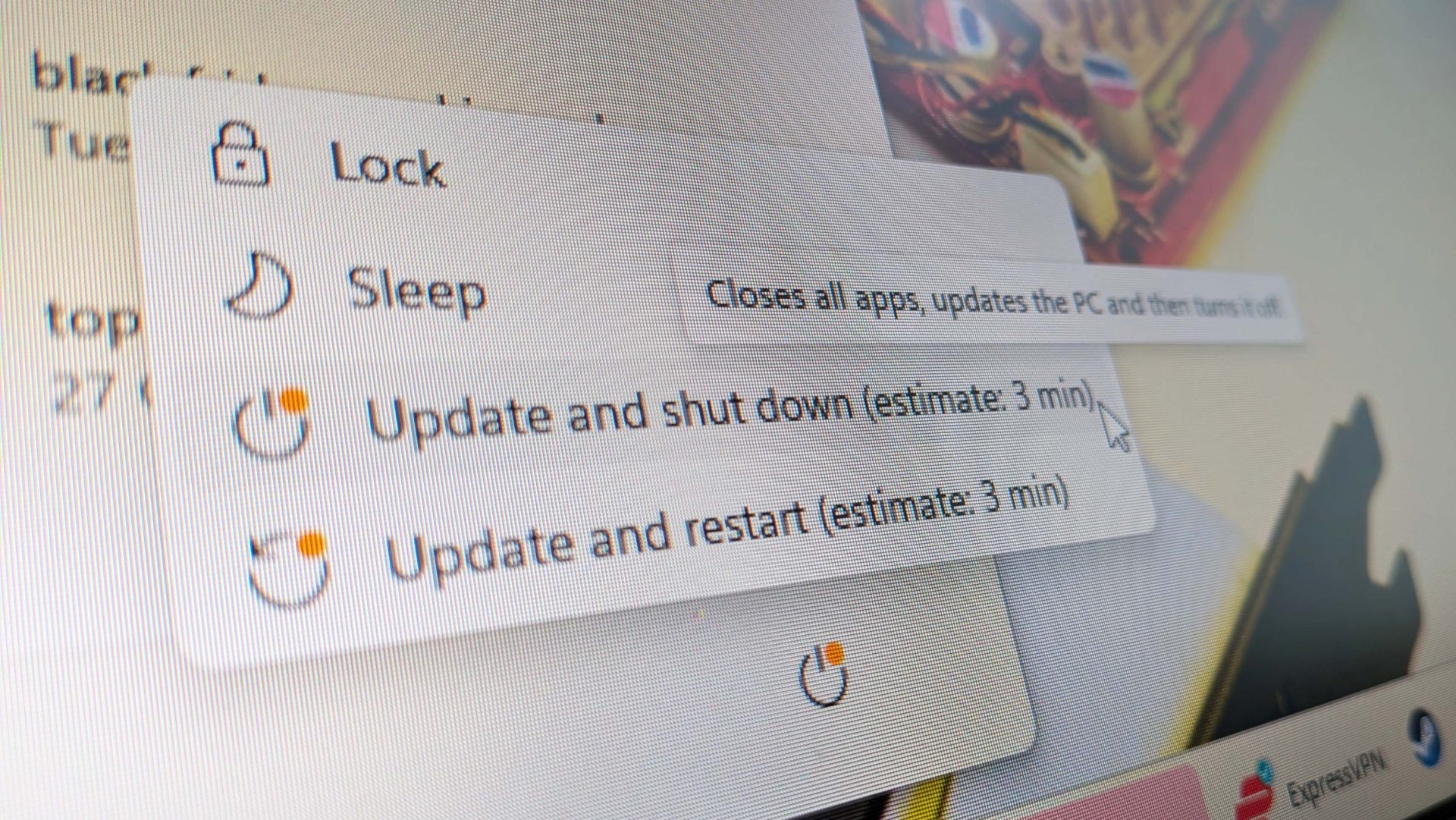
Microsoft’s first Windows 11 update of 2026 was intended to be a low-profile, out-of-band release focused on improving system stability and security. Instead, it triggered a frustrating and highly disruptive bug for some users: their computers could no longer shut down properly after installing the update. The issue, first highlighted by The Verge, quickly drew attention across the Windows community and reignited long-standing concerns about Microsoft’s update quality control.

While the number of affected users appears limited, the nature of the bug touches one of the most basic operating system functions. When a computer cannot shut down as expected, it undermines trust in the platform and raises questions about the reliability of even “minor” updates. For Microsoft, this was not the kind of headline it wanted at the start of a new year.

What Went Wrong With the January 2026 Windows 11 Update

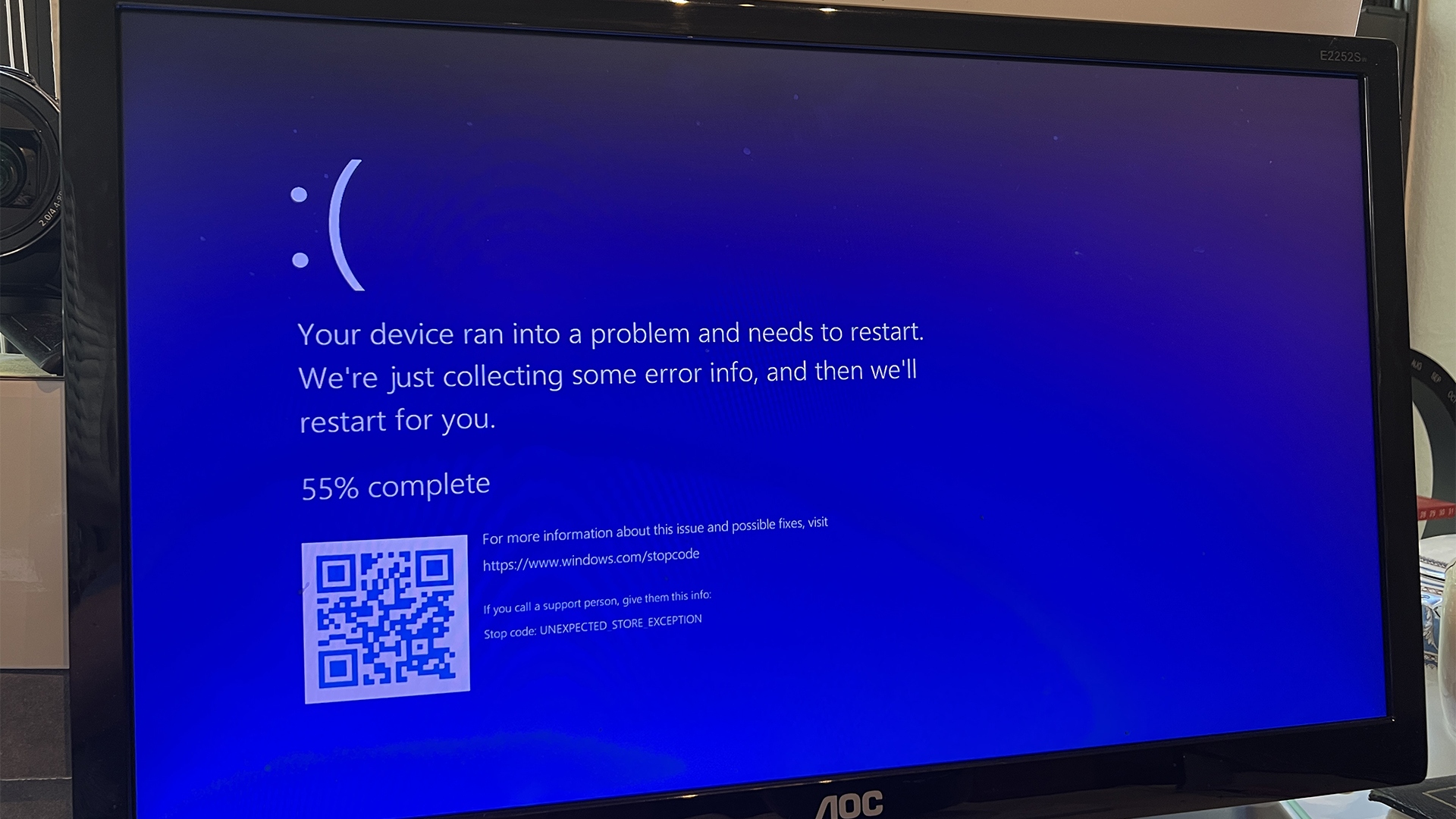
According to reports, the issue surfaced after users installed Microsoft’s out-of-band Windows 11 update released in early January 2026. Instead of powering down normally, affected systems would either hang indefinitely on the shutdown screen or restart unexpectedly.

Out-of-band updates are typically released to address urgent problems outside Microsoft’s regular Patch Tuesday cycle. They are supposed to be tightly scoped and carefully tested. That context makes this bug particularly concerning, as it suggests that even targeted fixes can introduce serious regressions.

Microsoft acknowledged the issue after user reports began to surface, confirming that it was actively investigating the cause.

Why Shutdown Bugs Are Especially Serious

A shutdown failure is not a cosmetic glitch. It affects core system behavior and can lead to secondary problems, including:

• Increased risk of data corruption
• Battery drain on laptops that never fully power off
• Forced hard shutdowns that stress hardware
• User uncertainty about system stability

For enterprise users and IT administrators, shutdown reliability is critical. Systems that cannot power down properly complicate maintenance, updates, and energy management policies.

Even if only a small percentage of users are affected, the severity of the issue amplifies its impact.

Which Systems Were Affected

Microsoft has not published a complete list of affected hardware configurations. However, early reports suggest the bug appeared on a mix of desktops and laptops running Windows 11, rather than being isolated to a single manufacturer.

This lack of clear pattern made troubleshooting more difficult for users. Some reported temporary workarounds, such as forcing a restart or disabling certain background services, but none were official or guaranteed to work.

The uncertainty added to user frustration and fueled online discussion.

Microsoft’s Response and Initial Mitigation Efforts

Microsoft moved relatively quickly to acknowledge the problem. In statements referenced by multiple outlets, the company confirmed it was aware of the shutdown issue and was working on a fix.

In some cases, Microsoft has historically resolved similar issues by:
• Rolling back problematic updates
• Releasing follow-up out-of-band patches
• Disabling specific features server-side

However, at the time of early reporting, no immediate universal fix was available. Users were advised to monitor official update channels for further guidance.

Why This Feels Familiar to Windows Users

For many Windows users, this incident felt uncomfortably familiar. Over the past several years, Microsoft’s rapid update cadence has occasionally led to unintended consequences, from printer failures to broken taskbars and performance regressions.

Windows 11 was introduced with promises of improved stability and consistency. Incidents like this challenge that narrative, even if they affect only a minority of systems.

The perception problem is as significant as the technical issue itself.

Out-of-Band Updates: Helpful but Risky

Out-of-band updates exist for a reason. They allow Microsoft to respond quickly to serious security vulnerabilities or widespread bugs without waiting for the monthly Patch Tuesday schedule.

However, speed can come at the cost of broader testing. While Microsoft uses extensive telemetry and automated validation, real-world hardware diversity is difficult to fully simulate.

This shutdown bug highlights the trade-off between responsiveness and reliability.

The Enterprise Perspective

In enterprise environments, Windows updates are often delayed or staged specifically to avoid surprises like this. IT teams typically test updates internally before wide deployment.

For organizations that allowed the January 2026 update to install quickly, the shutdown issue reinforces why cautious rollout policies exist. It also adds pressure on Microsoft to provide clearer communication about update risks.

Enterprise trust is hard-earned and easily shaken.

Consumer Impact and User Trust

For everyday users, Windows updates are largely automatic. Most people expect them to “just work” without requiring technical intervention.

When a basic action like shutting down fails, it creates anxiety. Users may worry about hardware damage, data loss, or malware—even if none of those are actually occurring.

This emotional response matters. Operating systems are infrastructure, and infrastructure failures erode confidence quickly.

Why Basic Functions Matter More Than New Features

Windows 11 has evolved steadily with design refinements, AI integrations, and performance optimizations. However, incidents like this remind users that reliability matters more than novelty.

A system that cannot shut down reliably undermines all other improvements. No amount of new features compensates for broken fundamentals.

This is a lesson Microsoft has learned repeatedly—and one it must continue to address.
Testing at Scale Remains a Core Challenge

Microsoft’s Windows ecosystem spans an enormous range of hardware configurations, drivers, and third-party software. Even small changes can behave differently across systems.

The shutdown bug underscores how difficult it is to test updates at true global scale. What works flawlessly in Microsoft’s labs may fail under specific real-world conditions.

That complexity does not excuse failures, but it does explain why they persist.

The Role of Telemetry and Feedback

One reason Microsoft can respond quickly to issues like this is its extensive telemetry and user feedback systems. When shutdown failures began occurring, signals were detected rapidly.

However, relying on post-release detection still means some users experience problems before fixes are available. This reactive model is efficient, but imperfect.

Improving pre-release validation remains an ongoing challenge.

What Users Can Do in the Meantime

While waiting for an official fix, users affected by the shutdown bug were advised to:
• Avoid forcing shutdowns unless necessary
• Keep important data backed up
• Watch for follow-up updates from Microsoft

Some advanced users attempted workarounds, but Microsoft generally discourages unofficial fixes that could introduce new issues.

Patience, while frustrating, is often the safest option.

How This Affects Windows 11’s 2026 Narrative

The first update of a new year sets the tone. Unfortunately for Microsoft, this incident does not inspire confidence.

That said, early missteps do not define the entire year. Microsoft has time to correct course, deliver stable patches, and demonstrate improved reliability.

What matters is how quickly and transparently the company resolves the issue.

Lessons Microsoft Needs to Take Forward

This incident reinforces several lessons:
• Even small updates require rigorous testing
• Core system functions must be protected above all else
• Communication matters as much as technical fixes

Users are generally forgiving when problems are acknowledged and resolved quickly. Silence or ambiguity compounds frustration.

Why Windows Still Endures Despite These Issues

Despite periodic update problems, Windows remains the dominant desktop operating system globally. Its flexibility, compatibility, and ecosystem depth are unmatched.

However, dominance does not guarantee goodwill. Each high-profile bug chips away at user patience, especially as alternatives improve.

Reliability is Windows’ most important competitive advantage—and vulnerability.

The Bigger Picture: Software Complexity Is Growing

Modern operating systems are vastly more complex than those of the past. Features like AI acceleration, background services, and deep hardware integration increase the surface area for bugs.

This complexity makes absolute stability harder to achieve, not easier. Microsoft’s challenge is managing that complexity without sacrificing user trust.

The shutdown bug is a symptom of that tension.

Conclusion: A Small Bug With Big Implications

Microsoft’s first Windows 11 update of 2026 stopping some computers from shutting down may ultimately affect only a limited number of users. But its implications are broader.

It highlights the fragility of trust in system updates, the difficulty of testing at scale, and the importance of prioritizing core functionality over rapid iteration.

As Microsoft works to resolve the issue, users will be watching closely—not just for a fix, but for reassurance that the lessons learned will carry forward.


Disclaimer

We strive to uphold the highest ethical standards in all of our reporting and coverage. We StartupNews.fyi want to be transparent with our readers about any potential conflicts of interest that may arise in our work. It’s possible that some of the investors we feature may have connections to other businesses, including competitors or companies we write about. However, we want to assure our readers that this will not have any impact on the integrity or impartiality of our reporting. We are committed to delivering accurate, unbiased news and information to our audience, and we will continue to uphold our ethics and principles in all of our work. Thank you for your trust and support.

Popular

More Like this

Microsoft’s First Windows 11 Update of 2026 Stopped Some Computers From Shutting Down, Exposing Ongoing Update Challenges

Microsoft’s first Windows 11 update of 2026 was intended to be a low-profile, out-of-band release focused on improving system stability and security. Instead, it triggered a frustrating and highly disruptive bug for some users: their computers could no longer shut down properly after installing the update. The issue, first highlighted by The Verge, quickly drew attention across the Windows community and reignited long-standing concerns about Microsoft’s update quality control.

While the number of affected users appears limited, the nature of the bug touches one of the most basic operating system functions. When a computer cannot shut down as expected, it undermines trust in the platform and raises questions about the reliability of even “minor” updates. For Microsoft, this was not the kind of headline it wanted at the start of a new year.

What Went Wrong With the January 2026 Windows 11 Update

According to reports, the issue surfaced after users installed Microsoft’s out-of-band Windows 11 update released in early January 2026. Instead of powering down normally, affected systems would either hang indefinitely on the shutdown screen or restart unexpectedly.

Out-of-band updates are typically released to address urgent problems outside Microsoft’s regular Patch Tuesday cycle. They are supposed to be tightly scoped and carefully tested. That context makes this bug particularly concerning, as it suggests that even targeted fixes can introduce serious regressions.

Microsoft acknowledged the issue after user reports began to surface, confirming that it was actively investigating the cause.

Why Shutdown Bugs Are Especially Serious

A shutdown failure is not a cosmetic glitch. It affects core system behavior and can lead to secondary problems, including:

• Increased risk of data corruption
• Battery drain on laptops that never fully power off
• Forced hard shutdowns that stress hardware
• User uncertainty about system stability

For enterprise users and IT administrators, shutdown reliability is critical. Systems that cannot power down properly complicate maintenance, updates, and energy management policies.

Even if only a small percentage of users are affected, the severity of the issue amplifies its impact.

Which Systems Were Affected

Microsoft has not published a complete list of affected hardware configurations. However, early reports suggest the bug appeared on a mix of desktops and laptops running Windows 11, rather than being isolated to a single manufacturer.

This lack of clear pattern made troubleshooting more difficult for users. Some reported temporary workarounds, such as forcing a restart or disabling certain background services, but none were official or guaranteed to work.

The uncertainty added to user frustration and fueled online discussion.

Microsoft’s Response and Initial Mitigation Efforts

Microsoft moved relatively quickly to acknowledge the problem. In statements referenced by multiple outlets, the company confirmed it was aware of the shutdown issue and was working on a fix.

In some cases, Microsoft has historically resolved similar issues by:
• Rolling back problematic updates
• Releasing follow-up out-of-band patches
• Disabling specific features server-side

However, at the time of early reporting, no immediate universal fix was available. Users were advised to monitor official update channels for further guidance.

Why This Feels Familiar to Windows Users

For many Windows users, this incident felt uncomfortably familiar. Over the past several years, Microsoft’s rapid update cadence has occasionally led to unintended consequences, from printer failures to broken taskbars and performance regressions.

Windows 11 was introduced with promises of improved stability and consistency. Incidents like this challenge that narrative, even if they affect only a minority of systems.

The perception problem is as significant as the technical issue itself.

Out-of-Band Updates: Helpful but Risky

Out-of-band updates exist for a reason. They allow Microsoft to respond quickly to serious security vulnerabilities or widespread bugs without waiting for the monthly Patch Tuesday schedule.

However, speed can come at the cost of broader testing. While Microsoft uses extensive telemetry and automated validation, real-world hardware diversity is difficult to fully simulate.

This shutdown bug highlights the trade-off between responsiveness and reliability.

The Enterprise Perspective

In enterprise environments, Windows updates are often delayed or staged specifically to avoid surprises like this. IT teams typically test updates internally before wide deployment.

For organizations that allowed the January 2026 update to install quickly, the shutdown issue reinforces why cautious rollout policies exist. It also adds pressure on Microsoft to provide clearer communication about update risks.

Enterprise trust is hard-earned and easily shaken.

Consumer Impact and User Trust

For everyday users, Windows updates are largely automatic. Most people expect them to “just work” without requiring technical intervention.

When a basic action like shutting down fails, it creates anxiety. Users may worry about hardware damage, data loss, or malware—even if none of those are actually occurring.

This emotional response matters. Operating systems are infrastructure, and infrastructure failures erode confidence quickly.

Why Basic Functions Matter More Than New Features

Windows 11 has evolved steadily with design refinements, AI integrations, and performance optimizations. However, incidents like this remind users that reliability matters more than novelty.

A system that cannot shut down reliably undermines all other improvements. No amount of new features compensates for broken fundamentals.

This is a lesson Microsoft has learned repeatedly—and one it must continue to address.

Testing at Scale Remains a Core Challenge

Microsoft’s Windows ecosystem spans an enormous range of hardware configurations, drivers, and third-party software. Even small changes can behave differently across systems.

The shutdown bug underscores how difficult it is to test updates at true global scale. What works flawlessly in Microsoft’s labs may fail under specific real-world conditions.

That complexity does not excuse failures, but it does explain why they persist.

The Role of Telemetry and Feedback

One reason Microsoft can respond quickly to issues like this is its extensive telemetry and user feedback systems. When shutdown failures began occurring, signals were detected rapidly.

However, relying on post-release detection still means some users experience problems before fixes are available. This reactive model is efficient, but imperfect.

Improving pre-release validation remains an ongoing challenge.

What Users Can Do in the Meantime

While waiting for an official fix, users affected by the shutdown bug were advised to:
• Avoid forcing shutdowns unless necessary
• Keep important data backed up
• Watch for follow-up updates from Microsoft

Some advanced users attempted workarounds, but Microsoft generally discourages unofficial fixes that could introduce new issues.

Patience, while frustrating, is often the safest option.

How This Affects Windows 11’s 2026 Narrative

The first update of a new year sets the tone. Unfortunately for Microsoft, this incident does not inspire confidence.

That said, early missteps do not define the entire year. Microsoft has time to correct course, deliver stable patches, and demonstrate improved reliability.

What matters is how quickly and transparently the company resolves the issue.

Lessons Microsoft Needs to Take Forward

This incident reinforces several lessons:
• Even small updates require rigorous testing
• Core system functions must be protected above all else
• Communication matters as much as technical fixes

Users are generally forgiving when problems are acknowledged and resolved quickly. Silence or ambiguity compounds frustration.

Why Windows Still Endures Despite These Issues

Despite periodic update problems, Windows remains the dominant desktop operating system globally. Its flexibility, compatibility, and ecosystem depth are unmatched.

However, dominance does not guarantee goodwill. Each high-profile bug chips away at user patience, especially as alternatives improve.

Reliability is Windows’ most important competitive advantage—and vulnerability.

The Bigger Picture: Software Complexity Is Growing

Modern operating systems are vastly more complex than those of the past. Features like AI acceleration, background services, and deep hardware integration increase the surface area for bugs.

This complexity makes absolute stability harder to achieve, not easier. Microsoft’s challenge is managing that complexity without sacrificing user trust.

The shutdown bug is a symptom of that tension.

Conclusion: A Small Bug With Big Implications

Microsoft’s first Windows 11 update of 2026 stopping some computers from shutting down may ultimately affect only a limited number of users. But its implications are broader.

It highlights the fragility of trust in system updates, the difficulty of testing at scale, and the importance of prioritizing core functionality over rapid iteration.

As Microsoft works to resolve the issue, users will be watching closely—not just for a fix, but for reassurance that the lessons learned will carry forward.

Disclaimer

We strive to uphold the highest ethical standards in all of our reporting and coverage. We StartupNews.fyi want to be transparent with our readers about any potential conflicts of interest that may arise in our work. It’s possible that some of the investors we feature may have connections to other businesses, including competitors or companies we write about. However, we want to assure our readers that this will not have any impact on the integrity or impartiality of our reporting. We are committed to delivering accurate, unbiased news and information to our audience, and we will continue to uphold our ethics and principles in all of our work. Thank you for your trust and support.

Website Upgradation is going on for any glitch kindly connect at office@startupnews.fyi

More like this

Indian IT set for AI-led growth spurt in 2026:...

Indian IT services companies are set to see...

IMF: AI Boom Helps Keep Global Growth on Track...

The global economy is entering 2026 under a cloud...

Popular

melhor-iptv-portugal melhor-iptv-portugal melhor-iptv-portugal melhor-iptv-portugal melhor-iptv-portugal melhor-iptv-portugal melhor-iptv-portugal melhor-iptv-portugal melhor-iptv-portugal melhor-iptv-portugal melhor-iptv-portugal melhor-iptv-portugal melhor-iptv-portugal melhor-iptv-portugal melhor-iptv-portugal melhor-iptv-portugal melhor-iptv-portugal melhor-iptv-portugal melhor-iptv-portugal melhor-iptv-portugal melhor-iptv-portugal melhor-iptv-portugal melhor-iptv-portugal melhor-iptv-portugal melhor-iptv-portugal melhor-iptv-portugal melhor-iptv-portugal melhor-iptv-portugal melhor-iptv-portugal melhor-iptv-portugal melhor-iptv-portugal melhor-iptv-portugal melhor-iptv-portugal melhor-iptv-portugal melhor-iptv-portugal melhor-iptv-portugal melhor-iptv-portugal melhor-iptv-portugal melhor-iptv-portugal melhor-iptv-portugal melhor-iptv-portugal melhor-iptv-portugal melhor-iptv-portugal melhor-iptv-portugal melhor-iptv-portugal melhor-iptv-portugal melhor-iptv-portugal melhor-iptv-portugal melhor-iptv-portugal melhor-iptv-portugal melhor-iptv-portugal melhor-iptv-portugal melhor-iptv-portugal melhor-iptv-portugal melhor-iptv-portugal melhor-iptv-portugal melhor-iptv-portugal melhor-iptv-portugal melhor-iptv-portugal melhor-iptv-portugal melhor-iptv-portugal melhor-iptv-portugal melhor-iptv-portugal melhor-iptv-portugal melhor-iptv-portugal melhor-iptv-portugal melhor-iptv-portugal melhor-iptv-portugal melhor-iptv-portugal melhor-iptv-portugal melhor-iptv-portugal melhor-iptv-portugal melhor-iptv-portugal melhor-iptv-portugal