
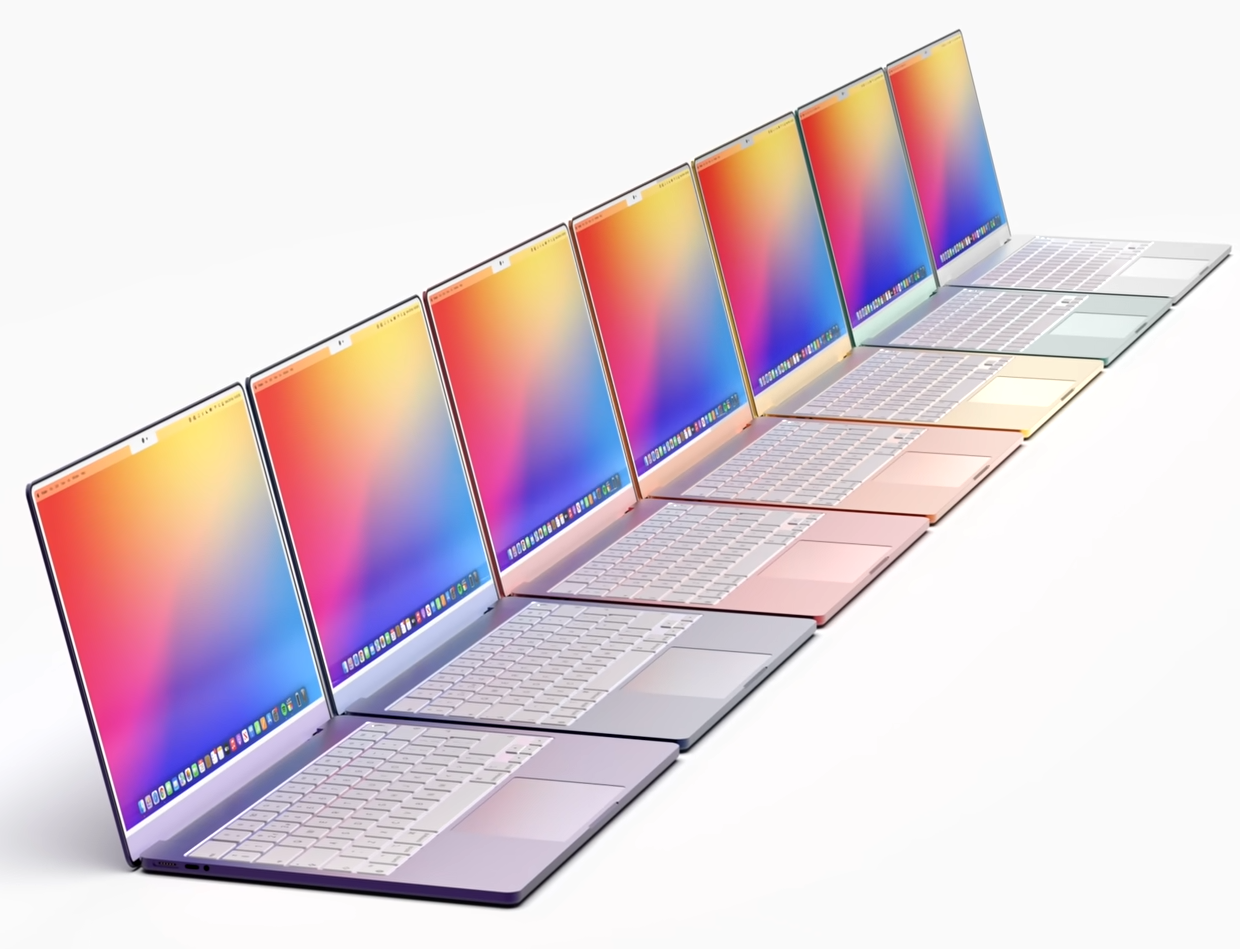
Apple is preparing to do something it has never done before: enter the low-cost laptop market. According to a detailed report from Bloomberg, the company is working on an affordable Mac laptop designed to compete directly with Chromebooks and entry-level Windows PCs. If the plan moves forward, it would represent one of the most significant strategic shifts in Apple’s modern history—one that could reshape education, emerging markets, and the perception of what a “Mac” is meant to be.
For decades, Apple has resisted the idea of budget computing. Instead, it focused on premium hardware, high margins, and tightly controlled product tiers. The move toward a low-cost laptop signals that Apple believes the market has changed—and that the risks of staying out now outweigh the risks of entering.
Why Apple Is Rethinking Its Pricing Philosophy
Apple’s reluctance to sell inexpensive laptops has long been deliberate. The company has argued that quality, performance, and user experience suffer when costs are cut too deeply. Instead of competing on price, Apple competed on value.
However, the rise of Apple silicon has fundamentally altered that equation. By designing its own chips, Apple dramatically reduced reliance on third-party processors and gained unprecedented control over cost, efficiency, and performance.
This shift makes a low-cost Mac technically viable in ways it never was during the Intel era.
The Chromebook Problem Apple Can No Longer Ignore
Chromebooks dominate the global education market, particularly in the United States. Schools favor them because they are:
• Inexpensive
• Easy to manage
• Secure by default
• Built for cloud-first workflows
For years, Apple largely ceded this segment, offering iPads as an alternative rather than competing directly with laptops. While iPads gained traction, Chromebooks remained the default choice for many institutions.
According to Bloomberg, Apple now sees this as a strategic vulnerability—especially as students trained on Chromebooks become lifelong users of competing ecosystems.
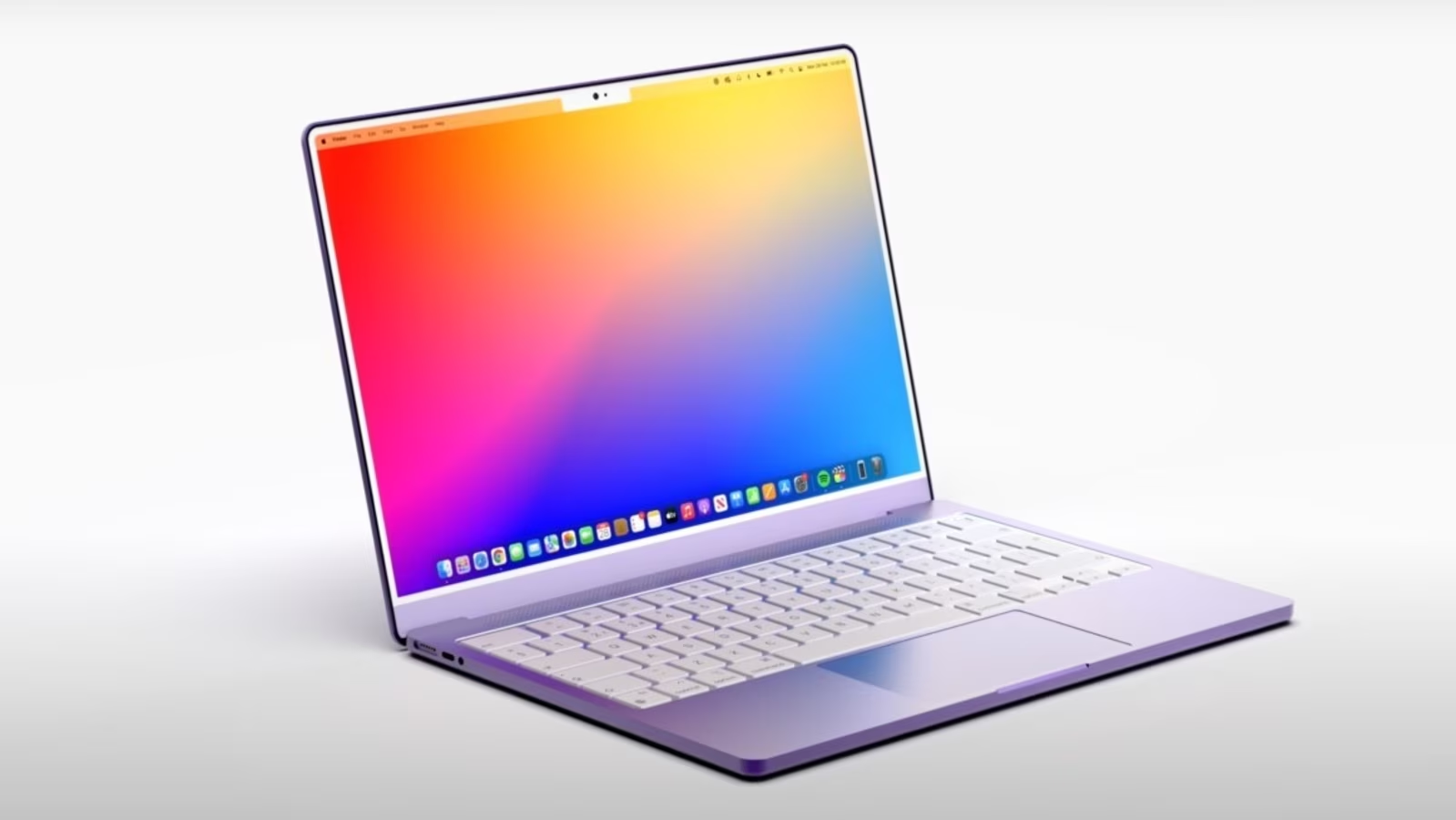
A Low-Cost Mac Would Be a First
Apple has never sold a truly budget laptop. Even its most affordable MacBooks remained well above Chromebook pricing.
The rumored low-cost laptop would break that tradition. While Apple has not disclosed pricing, analysts expect it to target a range competitive with higher-end Chromebooks and entry-level Windows PCs.
This would mark Apple’s first attempt to win customers primarily on affordability rather than prestige.
How Apple Silicon Makes This Possible
The key enabler is Apple silicon. Chips designed in-house allow Apple to:
• Optimize performance per watt
• Reduce component costs
• Extend battery life
• Maintain acceptable performance at lower price points
An entry-level Apple silicon chip can outperform many budget Intel and AMD processors while consuming less power. This efficiency advantage allows Apple to cut costs without delivering a compromised experience.
In short, Apple silicon changes the economics.
Who This Laptop Is Really For
While consumers may benefit, the primary targets appear to be:
• Education institutions
• Students
• Emerging markets
• First-time Mac buyers
These are users Apple historically struggled to reach with Macs due to price barriers. A low-cost laptop would directly address that gap.
For Apple, the long-term value lies not in immediate profit margins, but in ecosystem expansion.
macOS vs ChromeOS: A Philosophical Clash
Chromebooks run ChromeOS, a lightweight, cloud-centric operating system built around the browser. macOS, by contrast, is a full desktop OS with deep local capabilities.
Apple’s challenge is to deliver macOS in a form that feels approachable for users accustomed to simpler systems—without dumbing it down.
If Apple succeeds, it could offer a compelling alternative: a full-featured laptop that remains affordable and easy to manage.
Why Apple Didn’t Do This Earlier
Before Apple silicon, low-cost Macs were impractical. Intel chips required active cooling, consumed more power, and demanded higher prices.
Apple also lacked the cost flexibility needed to compete with mass-produced Windows laptops. Apple silicon removes those constraints.
The timing reflects technological readiness, not a change of values.
The Education Market Is Strategic, Not Just Profitable
Education is not Apple’s biggest revenue stream—but it is one of its most important pipelines.
Students who learn on Apple devices often remain within the ecosystem as adults. Losing schools to Chromebooks risks long-term erosion of Apple’s user base.
A low-cost Mac would help Apple reclaim relevance in classrooms without relying solely on iPads.
Potential Impact on Windows PC Makers
If Apple enters the low-cost laptop segment, pressure on Windows OEMs will intensify. Many budget Windows laptops already struggle with:
• Performance limitations
• Battery inefficiency
• Software bloat
An affordable Mac with strong battery life and smooth performance could expose those weaknesses.
Competition at the low end may become more about experience than specifications.
Will Apple Compromise on Build Quality?
One of the biggest questions is whether Apple can maintain its build standards at a lower price.
Historically, Apple has preferred aluminum enclosures and premium materials. To reduce costs, the new laptop may adopt alternative materials or simplified designs.
The challenge will be cutting costs without undermining Apple’s reputation for durability and longevity.
Why This Is a Risk for Apple’s Brand
Apple’s brand is built on aspiration. Introducing a low-cost laptop risks diluting that image if not executed carefully.
Apple must ensure that affordability does not equal disposability. The product must still feel like a Mac.
If it feels cheap rather than accessible, the strategy could backfire.
Apple’s Advantage: Software Longevity
One area where Apple holds a decisive advantage is software support. Macs receive years of OS updates, often far longer than budget Windows laptops.
For schools and families, longevity matters. A device that lasts six or seven years is more economical than a cheaper device that must be replaced sooner.
Apple can frame affordability as long-term value rather than short-term savings.
What This Means for macOS Development
A broader, more diverse user base will influence macOS priorities. Apple may invest more in:
• Performance optimization on entry-level hardware
• Simplified onboarding
• Education-focused features
This could benefit all Mac users, not just budget buyers.
Why Apple Is Likely to Avoid the Word “Cheap”
Apple rarely uses language that emphasizes low cost. Expect the company to frame the product around:
• Accessibility
• Education
• Efficiency
• Sustainability
The messaging will matter as much as the hardware.
The Global Implications
Outside the U.S., budget laptops dominate many markets. Apple’s premium pricing limited its reach in regions where affordability is critical.
A low-cost Mac could expand Apple’s global footprint significantly, particularly in Asia, Latin America, and parts of Europe.
This expansion aligns with Apple’s long-term growth strategy.
Why This Move Signals Confidence, Not Desperation
Entering the low-cost market is not a defensive move. It reflects confidence in Apple silicon and ecosystem stickiness.
Apple believes it can compete on experience even at lower price points. That belief did not exist a decade ago.
This confidence is earned.
The Competitive Landscape Will Shift
If Apple succeeds, competitors will be forced to respond. Windows OEMs may improve build quality. Google may expand ChromeOS capabilities.
Consumers benefit from that pressure.
Apple’s entry raises the bar across the segment.
Timing and Expectations
Apple has not announced a launch date. Bloomberg suggests development is underway, but plans could change.
Even so, the intent alone signals a strategic shift worth paying attention to.
The low-cost Mac is no longer unthinkable.
Conclusion: A Historic Pivot for Apple
Apple preparing to enter the low-cost laptop market marks a historic moment. It challenges decades of pricing philosophy and opens the door to entirely new audiences.
Powered by Apple silicon, this device could redefine what affordable computing looks like—offering performance, longevity, and ecosystem benefits that budget laptops rarely deliver.
If Apple executes well, the move will not cheapen the Mac brand. It will expand it.


