

Apple is reportedly preparing one of its most significant display transitions in years, with new reports suggesting the company is planning to bring OLED technology to the iPad Air, iMac, and MacBook Air. According to coverage originating from LiveMint, Apple is evaluating OLED panels for a wider range of mainstream devices, expanding beyond its current use of advanced LCD and mini-LED technologies. If this plan materializes, it would mark a pivotal shift in how Apple differentiates displays across its product lineup and could redefine expectations for everyday Apple devices.
For Apple, display quality has long been a defining advantage. Moving OLED beyond flagship tiers signals not just a hardware upgrade, but a broader strategy aimed at improving visual consistency, power efficiency, and long-term competitiveness across tablets and Macs.
Why OLED Is the Next Big Step for Apple Displays
OLED displays differ fundamentally from traditional LCD panels. Each pixel emits its own light, eliminating the need for backlighting. This enables deeper blacks, higher contrast ratios, more vibrant colors, and improved energy efficiency—especially when displaying darker content.
Apple has already embraced OLED in iPhones and Apple Watch models, where its benefits are immediately noticeable. Expanding OLED to the iPad Air, MacBook Air, and iMac suggests Apple believes the technology has matured enough to meet its quality, longevity, and supply-chain requirements at scale.
This move would align Apple’s mid-range products more closely with its premium visual standards.
Why the iPad Air Is a Logical Starting Point
The iPad Air occupies a critical middle ground in Apple’s tablet lineup. It is more affordable than the iPad Pro but significantly more capable than the entry-level iPad.
Currently, the iPad Air relies on an LCD display that delivers solid color accuracy but lacks the contrast and HDR performance of OLED or mini-LED. An OLED upgrade would immediately elevate the device’s appeal for:
• Media consumption
• Creative work
• Casual gaming
Because the iPad Air already targets users who want premium features without Pro pricing, OLED could become a powerful differentiator without pushing the device into ultra-high-end territory.
MacBook Air and OLED: Efficiency Meets Portability
The MacBook Air is Apple’s most popular laptop, valued for its thin design, long battery life, and everyday performance. OLED could enhance all three aspects.
OLED panels consume less power when displaying dark UI elements, which macOS increasingly emphasizes. This efficiency could extend battery life even further—already one of the MacBook Air’s strongest selling points.
Visually, OLED would also help the MacBook Air close the perceived gap with MacBook Pro displays, which currently enjoy superior contrast and HDR capabilities.
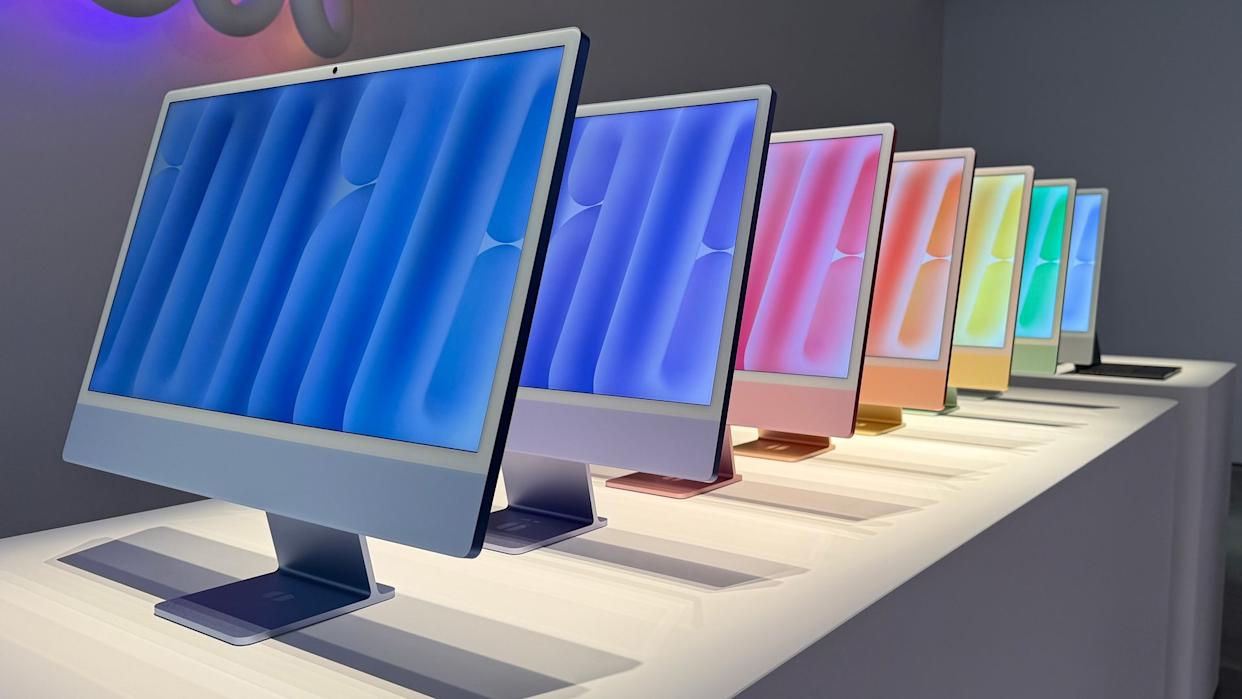
Why OLED Matters for the iMac
The iMac has long been associated with excellent displays. However, its current panel technology lags behind Apple’s latest laptop screens in contrast and black levels.
An OLED iMac would:
• Deliver deeper blacks and richer colors
• Improve HDR photo and video workflows
• Enhance visual immersion for everyday users
For creative professionals who rely on color accuracy, an OLED iMac could become an even more compelling all-in-one solution.
Why Apple Is Expanding OLED Now
For years, Apple relied heavily on LCD and later mini-LED for larger displays due to cost, yield, and burn-in concerns. OLED panels for large screens were expensive and less reliable.
Recent improvements in OLED manufacturing have changed that equation. Panel makers can now produce larger OLED displays with better durability and consistency, making them suitable for laptops and desktops.
Apple’s move reflects confidence that OLED can meet its long-term quality standards.
Mini-LED vs OLED: Why Apple May Use Both
Apple is unlikely to abandon mini-LED entirely. Instead, it may adopt a tiered approach.
Mini-LED offers high brightness and excellent HDR performance, particularly useful for professional workflows. OLED excels in contrast, color depth, and efficiency.
By using both technologies strategically, Apple can:
• Reserve mini-LED for certain Pro devices
• Deploy OLED across thin, portable, and mainstream products
This allows Apple to tailor display technology to each product’s strengths.
The Supply Chain Challenge Apple Must Solve
One of the biggest hurdles to widespread OLED adoption is supply. Apple requires massive volumes of panels with extremely tight quality control.
Reports suggest Apple is working closely with multiple display partners to ensure reliable OLED production at scale. Diversifying suppliers reduces risk and allows Apple to negotiate pricing as volumes increase.
Supply chain readiness is often the deciding factor in Apple’s technology rollouts.
How OLED Could Reshape Apple’s Product Differentiation
Historically, Apple differentiated devices primarily by performance, size, and features. Display technology is becoming an equally important axis.
If iPad Air, MacBook Air, and iMac adopt OLED, Apple may rely more on:
• Refresh rates
• Chip performance
• Pro-only features
to distinguish higher-end models. OLED becoming mainstream would raise baseline expectations across the lineup.
The Impact on Pricing
OLED panels remain more expensive than LCDs, though costs are falling. Apple faces a decision: absorb the added cost or pass it on to consumers.
Apple may choose a balanced approach—slight price increases offset by longer device lifespans, better efficiency, and improved user experience.
Given Apple’s pricing history, OLED is more likely to be framed as added value rather than a cost driver.
Why Consumers Will Notice the Difference Immediately
Unlike some internal upgrades, OLED is instantly visible. Users will notice:
• Truer blacks
• Higher perceived sharpness
• More vibrant images
• Better viewing angles
For everyday tasks like watching videos, browsing photos, or reading, OLED’s advantages are obvious even to non-technical users.
This makes OLED a powerful marketing feature.
How This Fits Apple’s Long-Term Display Strategy
Apple’s display roadmap appears increasingly unified. From iPhone to iPad to Mac, the company is pushing toward higher contrast, better efficiency, and consistent visual experiences.
OLED supports that vision by offering similar qualities across different screen sizes.
Consistency strengthens the Apple ecosystem by making transitions between devices feel seamless.
The Risk of Burn-In and How Apple Addresses It
OLED’s biggest historical drawback is burn-in, where static elements leave permanent marks. Apple has mitigated this risk on iPhones through:
• Pixel-shifting
• UI adjustments
• Intelligent brightness management
Applying similar techniques to macOS and iPadOS would be essential. Apple’s control over both hardware and software gives it an advantage in managing OLED limitations.
Why Timing Matters
Apple rarely adopts new display technology prematurely. The fact that OLED expansion is being considered now suggests Apple believes:
• Panel quality is stable
• Costs are manageable
• Software is ready
Timing OLED adoption too early could damage trust. Waiting until now reduces that risk.
What This Means for Competitors
If Apple brings OLED to mainstream Macs and iPads, competitors will face pressure to follow suit.
Windows laptops and Android tablets increasingly advertise OLED panels. Apple cannot afford to appear behind in a category where visual quality matters so much.
OLED adoption helps Apple maintain parity—and potentially leadership.
Potential Rollout Timeline
While Apple has not confirmed launch dates, industry watchers expect OLED adoption to happen gradually rather than all at once.
The iPad Air may be the first candidate, followed by MacBook Air and eventually iMac.
Apple typically staggers major hardware changes to manage supply and messaging.
Why This Is a Bigger Deal Than It Sounds
At first glance, a display upgrade may seem incremental. In reality, displays define how users experience their devices every day.
OLED adoption across mainstream Apple products would influence:
• Battery life
• Design decisions
• Software interfaces
• Consumer expectations
It would shape Apple devices for the next several years.
How OLED Could Influence macOS and iPadOS Design
With OLED’s deep blacks, Apple may further embrace darker UI themes, refined animations, and higher contrast elements.
This could subtly reshape how Apple designs interfaces, prioritizing clarity and visual comfort.
Software and hardware would evolve together.
Why Apple’s Cautious Approach Still Makes Sense
Apple does not rush technology adoption. Each step is calculated to protect user experience and brand trust.
OLED expansion reflects maturity, not experimentation.
When Apple moves, it expects the technology to last.
Conclusion: Apple’s Display Future Is Getting Brighter—and Darker
Reports that Apple is eyeing OLED upgrades for the iPad Air, iMac, and MacBook Air suggest a major evolution in its display strategy. By bringing OLED to mainstream devices, Apple could deliver better visuals, improved efficiency, and greater consistency across its ecosystem.
While timelines and specifics remain unconfirmed, the direction is clear. Apple is preparing for a future where premium display quality is no longer limited to Pro devices.
If executed well, this shift could make everyday Apple products feel more immersive, more efficient, and more future-proof—strengthening Apple’s position in an increasingly competitive hardware landscape.


