Asus Confirms Its Smartphone Business Is on Indefinite Hiatus, Marking the Quiet End of a Bold Mobile Experiment

Share via:

Asus has officially confirmed that its smartphone business is entering an indefinite hiatus, effectively bringing its mobile ambitions to a standstill. The confirmation, reported by Ars Technica, puts an end to months of speculation following the absence of new Zenfone and ROG Phone launches. While Asus stops short of declaring a permanent exit, the wording leaves little doubt that smartphones are no longer a priority for the Taiwanese technology company.

For an industry defined by relentless competition and shrinking margins, Asus’s decision reflects a broader reality: the global smartphone market has become increasingly unforgiving for mid-sized players, even those with strong engineering reputations and loyal niche audiences.

Why Asus’s Smartphone Pause Matters

Asus was never the largest smartphone brand, but it played a distinctive role. Its phones often targeted enthusiasts rather than mass-market buyers, prioritizing performance, clean software, and unique hardware decisions.

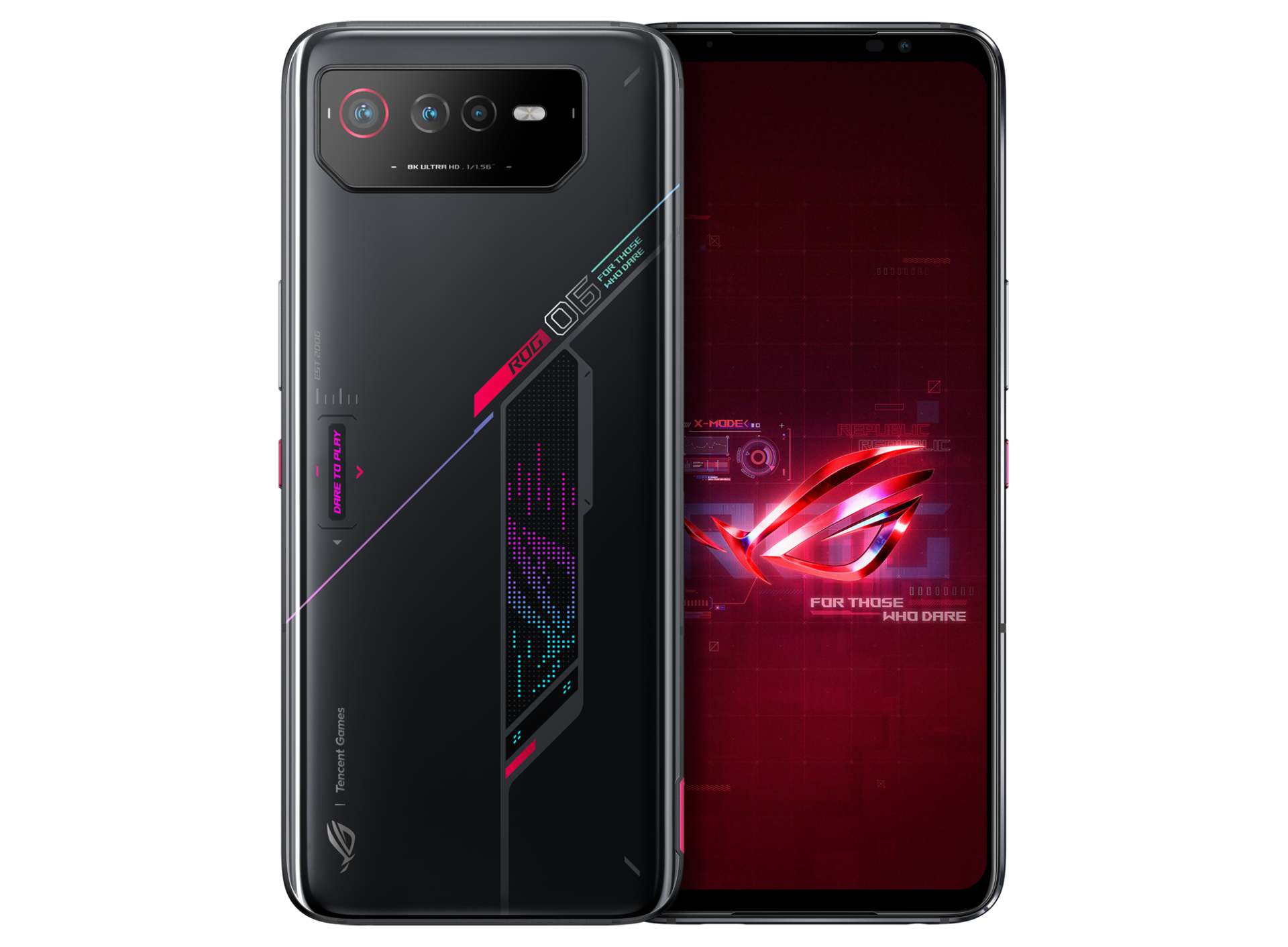
The Zenfone line appealed to users who wanted compact, powerful Android devices at a time when most manufacturers chased larger screens. Meanwhile, the ROG Phone series carved out a dedicated following among mobile gamers by pushing performance, cooling, and accessories beyond industry norms.

An indefinite hiatus signals that even well-regarded niche strategies are no longer enough to sustain a smartphone business.

What Asus Actually Confirmed

According to Ars Technica, Asus confirmed that its smartphone division is effectively paused with no active roadmap for new consumer smartphone launches. The company did not announce layoffs tied directly to the decision, nor did it rule out a return.

However, Asus emphasized that resources would be redirected toward areas with stronger growth and profitability, including PCs, gaming hardware, AI-enabled devices, and enterprise solutions.

In corporate language, “indefinite hiatus” often translates to strategic withdrawal without a fixed return date.

The Zenfone Problem: Great Phones, Limited Reach

Zenfone devices were frequently praised by reviewers for their balance of size, performance, and software restraint. Yet praise did not translate into scale.

As smartphone markets matured, distribution and marketing became just as important as product quality. Asus struggled to match the retail presence, carrier partnerships, and advertising budgets of larger rivals.

Without massive volume, component costs remained higher, margins thinner, and long-term sustainability uncertain.

ROG Phone: A Niche Too Small to Survive Alone

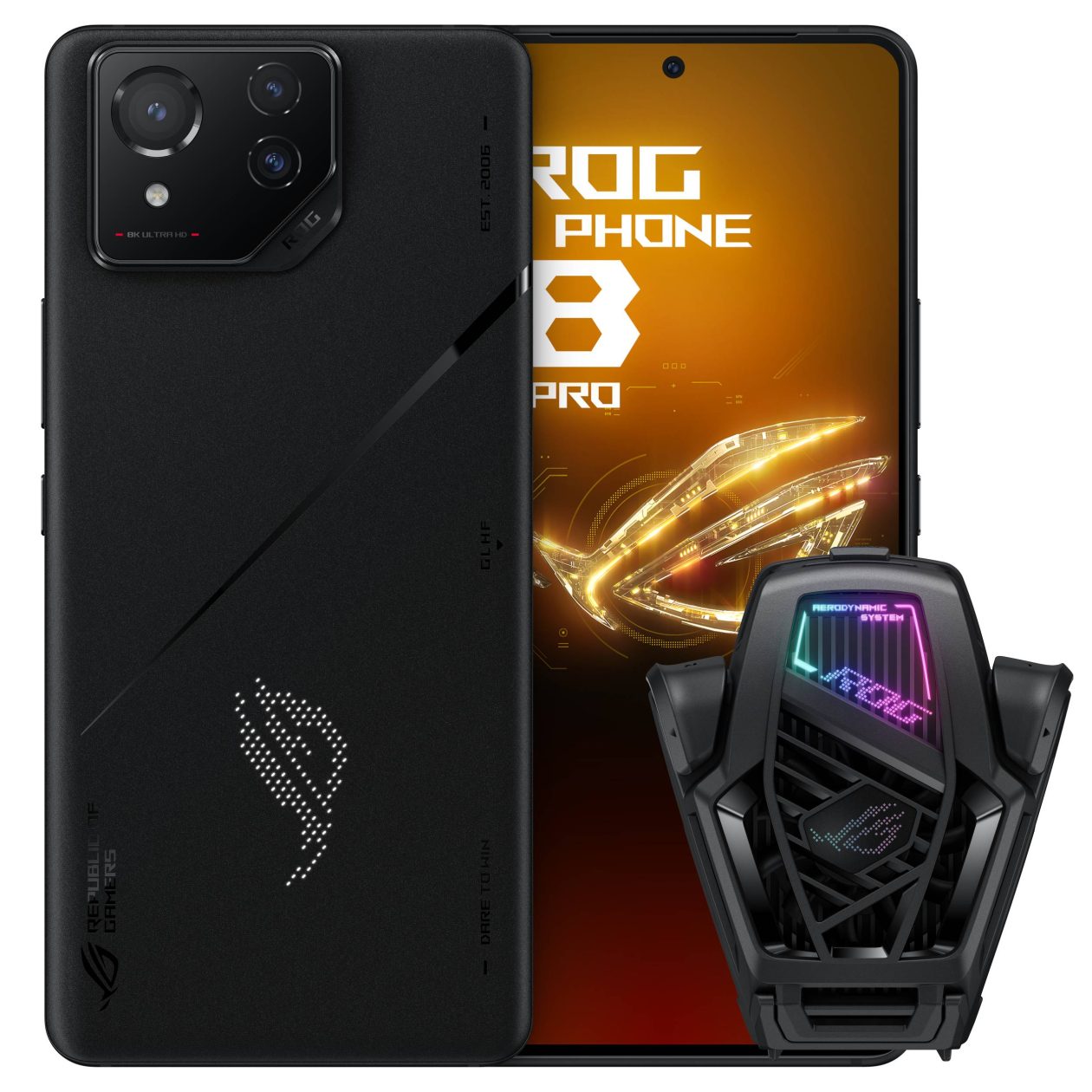
The ROG Phone series represented one of the boldest attempts to differentiate in smartphones. Features like active cooling, high-refresh-rate displays, shoulder triggers, and modular accessories made it a standout gaming device.

However, mobile gaming hardware remains a niche within a niche. Even as mobile gaming revenue grew globally, the number of users willing to buy specialized gaming phones remained limited.

Asus essentially built some of the most powerful phones on the market—but for an audience too small to sustain an entire mobile division.

The Smartphone Market Has Become Brutal

Asus’s retreat cannot be understood in isolation. The global smartphone market has consolidated dramatically.

A handful of companies now dominate:
• Massive supply chains
• Vertical integration
• Software ecosystems
• Carrier relationships

Competing requires not just good hardware, but scale, services, and recurring revenue. For companies without those advantages, profitability becomes elusive.

Asus found itself squeezed between giants and low-cost manufacturers.
Why Mid-Tier Brands Are Disappearing

The smartphone industry once supported dozens of recognizable brands. Today, many have either exited or been absorbed.

Margins have shrunk. Innovation cycles have slowed. Consumers hold onto phones longer. Replacement demand is weaker.

For companies like Asus, continuing smartphone development meant high investment with uncertain returns.

Pausing the business is a rational response to structural market pressure.

Asus’s Core Strengths Lie Elsewhere

Asus is not struggling as a company. In fact, it remains strong in several segments.

Its PC business is thriving, particularly in:
• Gaming laptops and desktops
• High-performance motherboards
• Creator-focused hardware
• AI-ready computing systems

The company’s ROG and TUF brands dominate gaming hardware markets where Asus has clear differentiation and pricing power.

Redirecting resources away from smartphones allows Asus to double down where it wins.

Why Asus Didn’t Go “All In” on Services

One reason smartphone giants survive thin hardware margins is services. App stores, cloud subscriptions, and ecosystems create recurring revenue.

Asus never built a comparable services platform. Its phones relied almost entirely on hardware sales, leaving little buffer against market volatility.

In today’s smartphone economy, hardware-only strategies are increasingly risky.

The Software Challenge

Asus maintained relatively clean Android software, which appealed to enthusiasts. But long-term software support requires scale and investment.

Major players now promise extended OS updates and security patches. Meeting those expectations adds cost and complexity.

For a smaller smartphone operation, keeping up with those commitments becomes harder every year.

Why Asus Chose “Indefinite Hiatus” Over Exit

The phrasing matters. Asus did not say it is permanently abandoning smartphones.

By choosing an indefinite hiatus, Asus:
• Preserves optionality
• Avoids damaging brand goodwill
• Leaves the door open for future re-entry

If market conditions change or new opportunities emerge, Asus can return without rebuilding from scratch.

It is a strategic pause, not a funeral.

Could Asus Return With a Different Strategy?

A future return would likely look very different. Rather than broad consumer phones, Asus could:
• Focus on ultra-niche devices
• Partner with other manufacturers
• Target enterprise or industrial markets
• Leverage AI-specific hardware

Any comeback would require a clearer path to profitability than before.

What This Means for Existing Asus Phone Users

Current Zenfone and ROG Phone owners are unlikely to see immediate disruption. Asus has not announced an end to support for existing devices.

However, the absence of new models raises questions about:
• Long-term updates
• Accessory ecosystems
• Repair availability

Over time, users may need to plan transitions to other brands.

The Industry Trend Is Clear

Asus’s decision fits a broader pattern. The smartphone market no longer rewards experimentation unless it leads directly to scale or ecosystem lock-in.

Companies that cannot dominate either volume or services increasingly step back.

Innovation alone is no longer enough.

What Asus’s Exit Says About Android Diversity

The Android ecosystem once thrived on diversity—different designs, sizes, and philosophies.

As mid-sized brands exit, that diversity shrinks. Consumers are left with fewer distinctive options and more incremental updates.

Asus’s departure makes the Android landscape more homogeneous.

Why This Is Not a Failure of Engineering

It is important to distinguish business outcomes from engineering quality.

Asus phones were often excellent. The decision to pause smartphones reflects economics, not incompetence.

Many well-designed products fail not because they are bad, but because the market no longer supports them.

How This Affects Asus’s Brand Identity

Asus built credibility among enthusiasts partly through its phones. Exiting the market may narrow its brand identity—but also sharpen it.

By focusing on PCs, gaming, and AI hardware, Asus reinforces its core strengths rather than spreading itself thin.

Brand focus can be a competitive advantage.

Why the Timing Makes Sense

The smartphone market in 2026 is mature, saturated, and slow-growing. AI features dominate marketing, but real differentiation is limited.

Pausing now allows Asus to avoid investing heavily during a period of uncertain returns.

Strategically, this is a defensive move that preserves capital and talent.

What This Means for the Future of Smartphones

Asus’s hiatus is a reminder that the smartphone era is entering a different phase.

Growth is no longer guaranteed. Only companies with scale, ecosystems, or deep specialization can survive long-term.

The days of mid-sized hardware-only phone makers are fading.

The ROG Phone raised an important question: is gaming alone enough to sustain a smartphone brand?

So far, the answer appears to be no. Gaming features add cost and complexity without expanding the addressable market sufficiently.

Future gaming experiences may shift toward software and cloud services rather than specialized hardware.

Lessons From Asus’s Smartphone Journey

Asus’s smartphone story offers several lessons:
• Great hardware does not guarantee success
• Distribution and scale matter
• Ecosystems outlast features
• Niche appeal has limits

These lessons apply far beyond Asus.

Conclusion: A Quiet, Telling Exit From Smartphones

Asus confirming that its smartphone business is on indefinite hiatus marks the end of a distinctive chapter in Android history. Zenfone and ROG Phone devices proved that innovation and enthusiast focus still mattered—but they also revealed how unforgiving the modern smartphone market has become.

Rather than stubbornly chasing shrinking returns, Asus has chosen to step back, protect its strengths, and focus on areas where it can lead.

The decision is pragmatic, not dramatic. But it is deeply telling.

As smartphones mature into commodities dominated by a few giants, stories like Asus’s may become increasingly common—reminding us that in technology, even good products sometimes need to make way for better business realities.


Disclaimer

We strive to uphold the highest ethical standards in all of our reporting and coverage. We StartupNews.fyi want to be transparent with our readers about any potential conflicts of interest that may arise in our work. It’s possible that some of the investors we feature may have connections to other businesses, including competitors or companies we write about. However, we want to assure our readers that this will not have any impact on the integrity or impartiality of our reporting. We are committed to delivering accurate, unbiased news and information to our audience, and we will continue to uphold our ethics and principles in all of our work. Thank you for your trust and support.

Popular

More Like this

Asus Confirms Its Smartphone Business Is on Indefinite Hiatus, Marking the Quiet End of a Bold Mobile Experiment

Asus has officially confirmed that its smartphone business is entering an indefinite hiatus, effectively bringing its mobile ambitions to a standstill. The confirmation, reported by Ars Technica, puts an end to months of speculation following the absence of new Zenfone and ROG Phone launches. While Asus stops short of declaring a permanent exit, the wording leaves little doubt that smartphones are no longer a priority for the Taiwanese technology company.

For an industry defined by relentless competition and shrinking margins, Asus’s decision reflects a broader reality: the global smartphone market has become increasingly unforgiving for mid-sized players, even those with strong engineering reputations and loyal niche audiences.

Why Asus’s Smartphone Pause Matters

Asus was never the largest smartphone brand, but it played a distinctive role. Its phones often targeted enthusiasts rather than mass-market buyers, prioritizing performance, clean software, and unique hardware decisions.

The Zenfone line appealed to users who wanted compact, powerful Android devices at a time when most manufacturers chased larger screens. Meanwhile, the ROG Phone series carved out a dedicated following among mobile gamers by pushing performance, cooling, and accessories beyond industry norms.

An indefinite hiatus signals that even well-regarded niche strategies are no longer enough to sustain a smartphone business.

What Asus Actually Confirmed

According to Ars Technica, Asus confirmed that its smartphone division is effectively paused with no active roadmap for new consumer smartphone launches. The company did not announce layoffs tied directly to the decision, nor did it rule out a return.

However, Asus emphasized that resources would be redirected toward areas with stronger growth and profitability, including PCs, gaming hardware, AI-enabled devices, and enterprise solutions.

In corporate language, “indefinite hiatus” often translates to strategic withdrawal without a fixed return date.

The Zenfone Problem: Great Phones, Limited Reach

Zenfone devices were frequently praised by reviewers for their balance of size, performance, and software restraint. Yet praise did not translate into scale.

As smartphone markets matured, distribution and marketing became just as important as product quality. Asus struggled to match the retail presence, carrier partnerships, and advertising budgets of larger rivals.

Without massive volume, component costs remained higher, margins thinner, and long-term sustainability uncertain.

ROG Phone: A Niche Too Small to Survive Alone

The ROG Phone series represented one of the boldest attempts to differentiate in smartphones. Features like active cooling, high-refresh-rate displays, shoulder triggers, and modular accessories made it a standout gaming device.

However, mobile gaming hardware remains a niche within a niche. Even as mobile gaming revenue grew globally, the number of users willing to buy specialized gaming phones remained limited.

Asus essentially built some of the most powerful phones on the market—but for an audience too small to sustain an entire mobile division.

The Smartphone Market Has Become Brutal

Asus’s retreat cannot be understood in isolation. The global smartphone market has consolidated dramatically.

A handful of companies now dominate:
• Massive supply chains
• Vertical integration
• Software ecosystems
• Carrier relationships

Competing requires not just good hardware, but scale, services, and recurring revenue. For companies without those advantages, profitability becomes elusive.

Asus found itself squeezed between giants and low-cost manufacturers.

Why Mid-Tier Brands Are Disappearing

The smartphone industry once supported dozens of recognizable brands. Today, many have either exited or been absorbed.

Margins have shrunk. Innovation cycles have slowed. Consumers hold onto phones longer. Replacement demand is weaker.

For companies like Asus, continuing smartphone development meant high investment with uncertain returns.

Pausing the business is a rational response to structural market pressure.

Asus’s Core Strengths Lie Elsewhere

Asus is not struggling as a company. In fact, it remains strong in several segments.

Its PC business is thriving, particularly in:
• Gaming laptops and desktops
• High-performance motherboards
• Creator-focused hardware
• AI-ready computing systems

The company’s ROG and TUF brands dominate gaming hardware markets where Asus has clear differentiation and pricing power.

Redirecting resources away from smartphones allows Asus to double down where it wins.

Why Asus Didn’t Go “All In” on Services

One reason smartphone giants survive thin hardware margins is services. App stores, cloud subscriptions, and ecosystems create recurring revenue.

Asus never built a comparable services platform. Its phones relied almost entirely on hardware sales, leaving little buffer against market volatility.

In today’s smartphone economy, hardware-only strategies are increasingly risky.

The Software Challenge

Asus maintained relatively clean Android software, which appealed to enthusiasts. But long-term software support requires scale and investment.

Major players now promise extended OS updates and security patches. Meeting those expectations adds cost and complexity.

For a smaller smartphone operation, keeping up with those commitments becomes harder every year.

Why Asus Chose “Indefinite Hiatus” Over Exit

The phrasing matters. Asus did not say it is permanently abandoning smartphones.

By choosing an indefinite hiatus, Asus:
• Preserves optionality
• Avoids damaging brand goodwill
• Leaves the door open for future re-entry

If market conditions change or new opportunities emerge, Asus can return without rebuilding from scratch.

It is a strategic pause, not a funeral.

Could Asus Return With a Different Strategy?

A future return would likely look very different. Rather than broad consumer phones, Asus could:
• Focus on ultra-niche devices
• Partner with other manufacturers
• Target enterprise or industrial markets
• Leverage AI-specific hardware

Any comeback would require a clearer path to profitability than before.

What This Means for Existing Asus Phone Users

Current Zenfone and ROG Phone owners are unlikely to see immediate disruption. Asus has not announced an end to support for existing devices.

However, the absence of new models raises questions about:
• Long-term updates
• Accessory ecosystems
• Repair availability

Over time, users may need to plan transitions to other brands.

The Industry Trend Is Clear

Asus’s decision fits a broader pattern. The smartphone market no longer rewards experimentation unless it leads directly to scale or ecosystem lock-in.

Companies that cannot dominate either volume or services increasingly step back.

Innovation alone is no longer enough.

What Asus’s Exit Says About Android Diversity

The Android ecosystem once thrived on diversity—different designs, sizes, and philosophies.

As mid-sized brands exit, that diversity shrinks. Consumers are left with fewer distinctive options and more incremental updates.

Asus’s departure makes the Android landscape more homogeneous.

Why This Is Not a Failure of Engineering

It is important to distinguish business outcomes from engineering quality.

Asus phones were often excellent. The decision to pause smartphones reflects economics, not incompetence.

Many well-designed products fail not because they are bad, but because the market no longer supports them.

How This Affects Asus’s Brand Identity

Asus built credibility among enthusiasts partly through its phones. Exiting the market may narrow its brand identity—but also sharpen it.

By focusing on PCs, gaming, and AI hardware, Asus reinforces its core strengths rather than spreading itself thin.

Brand focus can be a competitive advantage.

Why the Timing Makes Sense

The smartphone market in 2026 is mature, saturated, and slow-growing. AI features dominate marketing, but real differentiation is limited.

Pausing now allows Asus to avoid investing heavily during a period of uncertain returns.

Strategically, this is a defensive move that preserves capital and talent.

What This Means for the Future of Smartphones

Asus’s hiatus is a reminder that the smartphone era is entering a different phase.

Growth is no longer guaranteed. Only companies with scale, ecosystems, or deep specialization can survive long-term.

The days of mid-sized hardware-only phone makers are fading.

The ROG Phone raised an important question: is gaming alone enough to sustain a smartphone brand?

So far, the answer appears to be no. Gaming features add cost and complexity without expanding the addressable market sufficiently.

Future gaming experiences may shift toward software and cloud services rather than specialized hardware.

Lessons From Asus’s Smartphone Journey

Asus’s smartphone story offers several lessons:
• Great hardware does not guarantee success
• Distribution and scale matter
• Ecosystems outlast features
• Niche appeal has limits

These lessons apply far beyond Asus.

Conclusion: A Quiet, Telling Exit From Smartphones

Asus confirming that its smartphone business is on indefinite hiatus marks the end of a distinctive chapter in Android history. Zenfone and ROG Phone devices proved that innovation and enthusiast focus still mattered—but they also revealed how unforgiving the modern smartphone market has become.

Rather than stubbornly chasing shrinking returns, Asus has chosen to step back, protect its strengths, and focus on areas where it can lead.

The decision is pragmatic, not dramatic. But it is deeply telling.

As smartphones mature into commodities dominated by a few giants, stories like Asus’s may become increasingly common—reminding us that in technology, even good products sometimes need to make way for better business realities.

Disclaimer

We strive to uphold the highest ethical standards in all of our reporting and coverage. We StartupNews.fyi want to be transparent with our readers about any potential conflicts of interest that may arise in our work. It’s possible that some of the investors we feature may have connections to other businesses, including competitors or companies we write about. However, we want to assure our readers that this will not have any impact on the integrity or impartiality of our reporting. We are committed to delivering accurate, unbiased news and information to our audience, and we will continue to uphold our ethics and principles in all of our work. Thank you for your trust and support.

Website Upgradation is going on for any glitch kindly connect at office@startupnews.fyi

More like this

iPhone 18 Display Leak Points to Apple’s Biggest Design...

A reported iPhone 18 display leak suggests Apple is...

Intellend raises $1.2m seed to build embedded MSME lending...

Mumbai-based Intellend has raised $1.2 million in seed funding...

You can still try Logic Pro and Final Cut...

Apple may have replaced standalone 3-month trials of...

Popular

melhor-iptv-portugal melhor-iptv-portugal melhor-iptv-portugal melhor-iptv-portugal melhor-iptv-portugal melhor-iptv-portugal melhor-iptv-portugal melhor-iptv-portugal melhor-iptv-portugal melhor-iptv-portugal melhor-iptv-portugal melhor-iptv-portugal melhor-iptv-portugal melhor-iptv-portugal melhor-iptv-portugal melhor-iptv-portugal melhor-iptv-portugal melhor-iptv-portugal melhor-iptv-portugal melhor-iptv-portugal melhor-iptv-portugal melhor-iptv-portugal melhor-iptv-portugal melhor-iptv-portugal melhor-iptv-portugal melhor-iptv-portugal melhor-iptv-portugal melhor-iptv-portugal melhor-iptv-portugal melhor-iptv-portugal melhor-iptv-portugal melhor-iptv-portugal melhor-iptv-portugal melhor-iptv-portugal melhor-iptv-portugal melhor-iptv-portugal melhor-iptv-portugal melhor-iptv-portugal melhor-iptv-portugal melhor-iptv-portugal melhor-iptv-portugal melhor-iptv-portugal melhor-iptv-portugal melhor-iptv-portugal melhor-iptv-portugal melhor-iptv-portugal melhor-iptv-portugal melhor-iptv-portugal melhor-iptv-portugal melhor-iptv-portugal melhor-iptv-portugal melhor-iptv-portugal melhor-iptv-portugal melhor-iptv-portugal melhor-iptv-portugal melhor-iptv-portugal melhor-iptv-portugal melhor-iptv-portugal melhor-iptv-portugal melhor-iptv-portugal melhor-iptv-portugal melhor-iptv-portugal melhor-iptv-portugal melhor-iptv-portugal melhor-iptv-portugal melhor-iptv-portugal melhor-iptv-portugal melhor-iptv-portugal melhor-iptv-portugal melhor-iptv-portugal melhor-iptv-portugal melhor-iptv-portugal melhor-iptv-portugal melhor-iptv-portugal