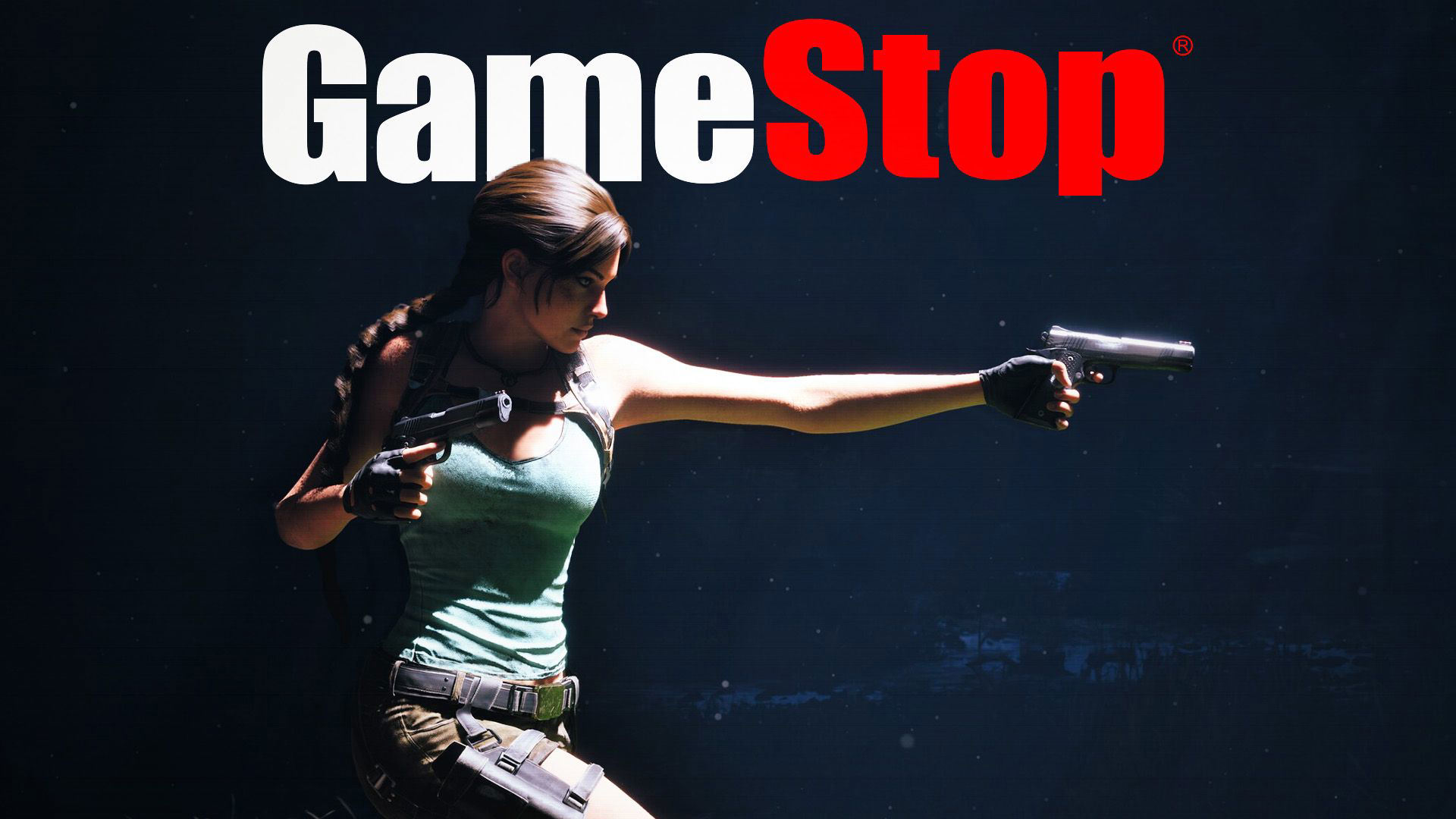
Tomb Raider Debate Reignites After GameStop Rejects Sophie Turner’s Take

Share via:

Few video game characters carry the cultural weight of Lara Croft. Since her debut in the mid-1990s, the protagonist of Tomb Raider has become one of gaming’s most recognisable icons, transcending consoles to appear in films, comics, and popular culture at large.

That legacy is precisely why any reinterpretation of Lara Croft attracts intense scrutiny. The latest flashpoint comes from an unexpected source. GameStop, one of the world’s most visible video game retailers, has publicly rejected a version of Lara Croft associated with Sophie Turner, igniting widespread discussion across gaming and entertainment communities.

The controversy is not simply about casting or creative direction. It reflects a broader debate about ownership, authenticity, and how far modern reinterpretations can stretch established characters before they lose the essence that made them iconic in the first place.
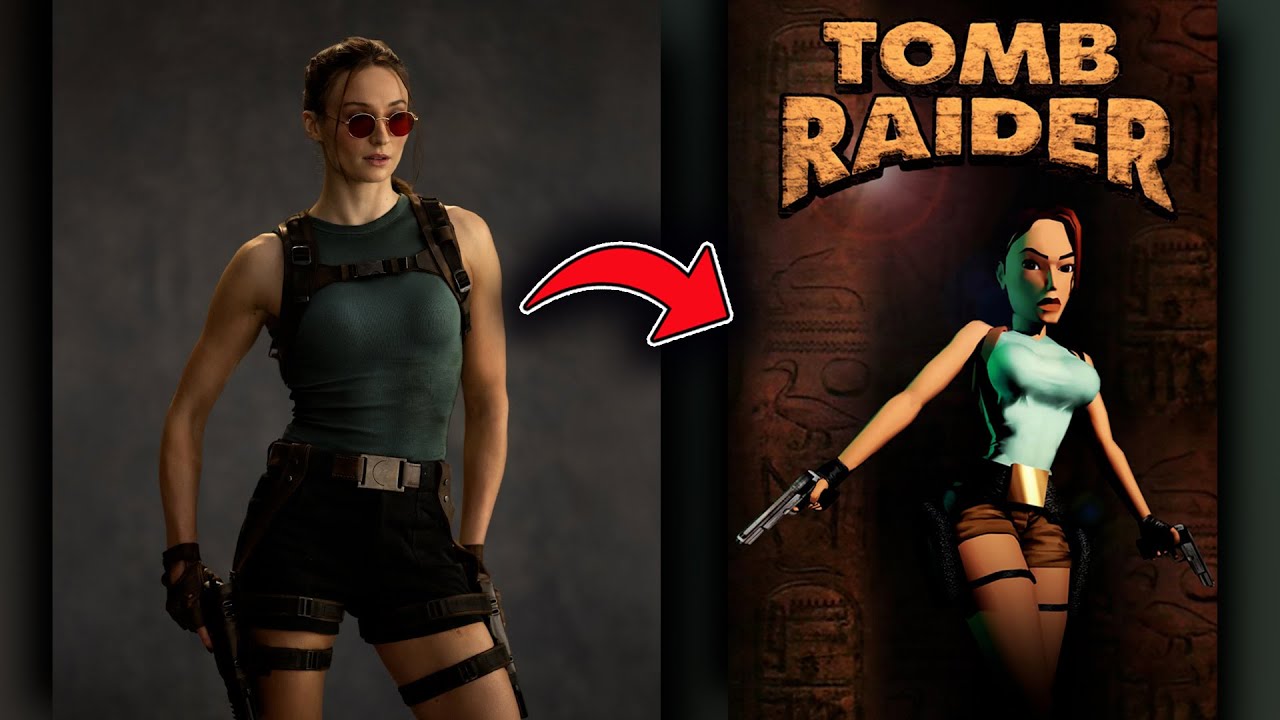
How the Controversy Began

The reaction stems from commentary and promotional material connected to Sophie Turner’s comments and creative vision regarding Lara Croft. While Turner is best known for her work in television and film, her name became linked to discussions around a reimagined version of the Tomb Raider protagonist.

GameStop’s social media response, which rejected this interpretation outright, was brief but unmistakable. The message resonated quickly with fans who already felt uneasy about potential changes to Lara Croft’s identity, personality, or visual presentation.

Retailers rarely weigh in on creative debates. When they do, it usually reflects a strong reading of customer sentiment. In this case, GameStop’s response appeared to align with a segment of the fan base that views Lara Croft as a character whose core traits should remain largely untouched.

Why Lara Croft’s Identity Is So Closely Guarded

Lara Croft is not just a fictional adventurer. She is a symbol of a specific era of gaming, one that helped define the medium’s transition into mainstream entertainment. Over the years, the character has evolved, but those changes were typically incremental rather than radical.

Earlier versions of Lara emphasised confidence, independence, and physical capability. Later reboots introduced vulnerability, emotional depth, and narrative realism. Despite these shifts, fans often argue that the character’s core identity remained intact.

The current debate suggests that many fans believe there is a line between evolution and reinvention. When reinterpretations appear to prioritise contemporary trends over established characterisation, backlash becomes almost inevitable.

Sophie Turner and the Question of Creative Fit

Sophie Turner’s involvement in discussions around Lara Croft immediately drew attention because of her high-profile career and recognisable screen presence. However, casting or creative alignment is only one part of the issue.

For many fans, the concern is less about Turner as an individual and more about what her interpretation symbolises. They worry that a new take could prioritise external messaging over the internal logic of the Tomb Raider universe.

GameStop’s rejection appears to tap into this sentiment. By distancing itself from Turner’s take, the retailer effectively positioned itself as a proxy for traditionalist fans who prefer interpretations grounded firmly in the franchise’s established tone and themes.

The Role of GameStop in Fan Culture

GameStop occupies a unique position in gaming culture. As a retailer, it interacts directly with consumers, hearing feedback long before it appears in sales data or online metrics.

Its social media presence has increasingly leaned into fan discourse, memes, and commentary. While this strategy boosts engagement, it also places the company in the middle of cultural debates it once avoided.

By rejecting Sophie Turner’s take on Lara Croft, GameStop signalled that it is willing to reflect fan sentiment even when that sentiment intersects with broader entertainment conversations. This approach can strengthen community loyalty, but it also risks alienating audiences who support reinterpretation and change.

A Broader Pattern in Gaming and Hollywood

This controversy fits into a larger pattern seen across gaming and film adaptations. Iconic characters are increasingly reimagined to align with modern storytelling norms, audience expectations, and cultural conversations.

Some reboots succeed by carefully balancing respect for source material with contemporary sensibilities. Others struggle when fans perceive changes as superficial or disconnected from what made the original work resonate.

Lara Croft sits at the centre of this tension. As a character who has already undergone multiple reboots, she represents both adaptability and fragility. Each new version must justify its existence in the shadow of what came before.

Fan Expectations Versus Creative Freedom

The tension between fan expectations and creative freedom is not new, but social media has amplified it. Fans now have direct channels to express approval or disapproval, and companies monitor those reactions closely.

GameStop’s response demonstrates how even secondary stakeholders can influence the narrative. While the retailer does not control Tomb Raider’s creative direction, its stance reinforces the idea that fan perception matters at every stage of a franchise’s lifecycle.

For creators, this creates a challenging environment. Innovation is expected, but deviation is scrutinised. Finding the balance between originality and fidelity has become one of the central challenges of modern franchise management.

What This Means for the Tomb Raider Franchise

The Tomb Raider brand is currently navigating a complex phase. With new games, adaptations, and cross-media projects in development, maintaining a coherent identity is critical.

GameStop’s rejection does not determine the franchise’s future, but it highlights the sensitivity surrounding any major creative decisions. Developers and producers are likely paying close attention to this reaction as they shape upcoming projects.

The message from fans, amplified by GameStop, is clear. Evolution is welcome, but only when it feels authentic to Lara Croft’s legacy.

Industry Implications Beyond Tomb Raider

Beyond this specific case, the incident raises questions about how much influence retailers and fan-facing platforms should have over creative discussions. When companies with large audiences take sides, they can shape narratives in ways that extend beyond their traditional roles.

This dynamic is becoming more common across entertainment industries. Streaming platforms, publishers, and retailers increasingly engage directly with fan culture, blurring the lines between commerce, commentary, and curation.

For better or worse, these voices now play a role in how franchises are perceived long before audiences experience the final product.

Cultural Ownership and Iconic Characters

At the heart of the debate is a question of cultural ownership. Who defines Lara Croft in 2026? Is it the original creators, the current rights holders, or the millions of fans who have grown up with the character?

GameStop’s reaction suggests that, at least commercially, fan perception carries enormous weight. Retailers depend on consumer trust, and aligning with audience sentiment can be a strategic decision as much as an emotional one.

This does not mean reinterpretations are impossible. It means they must be framed carefully, with clear respect for the character’s history and significance.

The Conversation Is Far From Over

The rejection of Sophie Turner’s take on Lara Croft is unlikely to be the final word on the matter. As Tomb Raider continues to evolve, similar debates will almost certainly re-emerge.

What this moment illustrates is the intensity of attachment fans have to long-running franchises. Lara Croft is not just a character. She is a symbol of gaming’s past, present, and future.

As studios, actors, and creatives continue to reinterpret iconic figures, reactions like GameStop’s serve as reminders that legacy remains a powerful force. In an era of constant reinvention, some characters still demand continuity as much as creativity.

Global Relevance and Audience Impact

The discussion surrounding Lara Croft resonates globally, particularly in markets such as the USA, UK, Europe, and Asia, where the Tomb Raider franchise has long-standing popularity. Fan reactions vary by region, but the core debate remains consistent.

Across markets, audiences are increasingly vocal about how beloved characters are portrayed. This global conversation shapes not only sales and viewership, but also long-term brand perception.

In that sense, GameStop’s rejection is less about one interpretation and more about a shared expectation. Lara Croft, for many fans worldwide, represents something enduring, and any attempt to redefine her will be judged against that legacy.

A Franchise at a Crossroads

The Tomb Raider series has reinvented itself before, and it will likely do so again. Whether future adaptations lean closer to tradition or experimentation remains to be seen.

What is clear is that stakeholders across the industry are paying attention. From retailers to fans to creators, everyone has a stake in how Lara Croft moves forward.

GameStop’s public stance underscores a simple reality. In today’s entertainment landscape, even the most iconic characters are shaped not just by creators, but by the communities that continue to care deeply about them.


Disclaimer

We strive to uphold the highest ethical standards in all of our reporting and coverage. We StartupNews.fyi want to be transparent with our readers about any potential conflicts of interest that may arise in our work. It’s possible that some of the investors we feature may have connections to other businesses, including competitors or companies we write about. However, we want to assure our readers that this will not have any impact on the integrity or impartiality of our reporting. We are committed to delivering accurate, unbiased news and information to our audience, and we will continue to uphold our ethics and principles in all of our work. Thank you for your trust and support.

Popular

More Like this

Tomb Raider Debate Reignites After GameStop Rejects Sophie Turner’s Take

Few video game characters carry the cultural weight of Lara Croft. Since her debut in the mid-1990s, the protagonist of Tomb Raider has become one of gaming’s most recognisable icons, transcending consoles to appear in films, comics, and popular culture at large.

That legacy is precisely why any reinterpretation of Lara Croft attracts intense scrutiny. The latest flashpoint comes from an unexpected source. GameStop, one of the world’s most visible video game retailers, has publicly rejected a version of Lara Croft associated with Sophie Turner, igniting widespread discussion across gaming and entertainment communities.

The controversy is not simply about casting or creative direction. It reflects a broader debate about ownership, authenticity, and how far modern reinterpretations can stretch established characters before they lose the essence that made them iconic in the first place.

How the Controversy Began

The reaction stems from commentary and promotional material connected to Sophie Turner’s comments and creative vision regarding Lara Croft. While Turner is best known for her work in television and film, her name became linked to discussions around a reimagined version of the Tomb Raider protagonist.

GameStop’s social media response, which rejected this interpretation outright, was brief but unmistakable. The message resonated quickly with fans who already felt uneasy about potential changes to Lara Croft’s identity, personality, or visual presentation.

Retailers rarely weigh in on creative debates. When they do, it usually reflects a strong reading of customer sentiment. In this case, GameStop’s response appeared to align with a segment of the fan base that views Lara Croft as a character whose core traits should remain largely untouched.

Why Lara Croft’s Identity Is So Closely Guarded

Lara Croft is not just a fictional adventurer. She is a symbol of a specific era of gaming, one that helped define the medium’s transition into mainstream entertainment. Over the years, the character has evolved, but those changes were typically incremental rather than radical.

Earlier versions of Lara emphasised confidence, independence, and physical capability. Later reboots introduced vulnerability, emotional depth, and narrative realism. Despite these shifts, fans often argue that the character’s core identity remained intact.

The current debate suggests that many fans believe there is a line between evolution and reinvention. When reinterpretations appear to prioritise contemporary trends over established characterisation, backlash becomes almost inevitable.

Sophie Turner and the Question of Creative Fit

Sophie Turner’s involvement in discussions around Lara Croft immediately drew attention because of her high-profile career and recognisable screen presence. However, casting or creative alignment is only one part of the issue.

For many fans, the concern is less about Turner as an individual and more about what her interpretation symbolises. They worry that a new take could prioritise external messaging over the internal logic of the Tomb Raider universe.

GameStop’s rejection appears to tap into this sentiment. By distancing itself from Turner’s take, the retailer effectively positioned itself as a proxy for traditionalist fans who prefer interpretations grounded firmly in the franchise’s established tone and themes.

The Role of GameStop in Fan Culture

GameStop occupies a unique position in gaming culture. As a retailer, it interacts directly with consumers, hearing feedback long before it appears in sales data or online metrics.

Its social media presence has increasingly leaned into fan discourse, memes, and commentary. While this strategy boosts engagement, it also places the company in the middle of cultural debates it once avoided.

By rejecting Sophie Turner’s take on Lara Croft, GameStop signalled that it is willing to reflect fan sentiment even when that sentiment intersects with broader entertainment conversations. This approach can strengthen community loyalty, but it also risks alienating audiences who support reinterpretation and change.

A Broader Pattern in Gaming and Hollywood

This controversy fits into a larger pattern seen across gaming and film adaptations. Iconic characters are increasingly reimagined to align with modern storytelling norms, audience expectations, and cultural conversations.

Some reboots succeed by carefully balancing respect for source material with contemporary sensibilities. Others struggle when fans perceive changes as superficial or disconnected from what made the original work resonate.

Lara Croft sits at the centre of this tension. As a character who has already undergone multiple reboots, she represents both adaptability and fragility. Each new version must justify its existence in the shadow of what came before.

Fan Expectations Versus Creative Freedom

The tension between fan expectations and creative freedom is not new, but social media has amplified it. Fans now have direct channels to express approval or disapproval, and companies monitor those reactions closely.

GameStop’s response demonstrates how even secondary stakeholders can influence the narrative. While the retailer does not control Tomb Raider’s creative direction, its stance reinforces the idea that fan perception matters at every stage of a franchise’s lifecycle.

For creators, this creates a challenging environment. Innovation is expected, but deviation is scrutinised. Finding the balance between originality and fidelity has become one of the central challenges of modern franchise management.

What This Means for the Tomb Raider Franchise

The Tomb Raider brand is currently navigating a complex phase. With new games, adaptations, and cross-media projects in development, maintaining a coherent identity is critical.

GameStop’s rejection does not determine the franchise’s future, but it highlights the sensitivity surrounding any major creative decisions. Developers and producers are likely paying close attention to this reaction as they shape upcoming projects.

The message from fans, amplified by GameStop, is clear. Evolution is welcome, but only when it feels authentic to Lara Croft’s legacy.

Industry Implications Beyond Tomb Raider

Beyond this specific case, the incident raises questions about how much influence retailers and fan-facing platforms should have over creative discussions. When companies with large audiences take sides, they can shape narratives in ways that extend beyond their traditional roles.

This dynamic is becoming more common across entertainment industries. Streaming platforms, publishers, and retailers increasingly engage directly with fan culture, blurring the lines between commerce, commentary, and curation.

For better or worse, these voices now play a role in how franchises are perceived long before audiences experience the final product.

Cultural Ownership and Iconic Characters

At the heart of the debate is a question of cultural ownership. Who defines Lara Croft in 2026? Is it the original creators, the current rights holders, or the millions of fans who have grown up with the character?

GameStop’s reaction suggests that, at least commercially, fan perception carries enormous weight. Retailers depend on consumer trust, and aligning with audience sentiment can be a strategic decision as much as an emotional one.

This does not mean reinterpretations are impossible. It means they must be framed carefully, with clear respect for the character’s history and significance.

The Conversation Is Far From Over

The rejection of Sophie Turner’s take on Lara Croft is unlikely to be the final word on the matter. As Tomb Raider continues to evolve, similar debates will almost certainly re-emerge.

What this moment illustrates is the intensity of attachment fans have to long-running franchises. Lara Croft is not just a character. She is a symbol of gaming’s past, present, and future.

As studios, actors, and creatives continue to reinterpret iconic figures, reactions like GameStop’s serve as reminders that legacy remains a powerful force. In an era of constant reinvention, some characters still demand continuity as much as creativity.

Global Relevance and Audience Impact

The discussion surrounding Lara Croft resonates globally, particularly in markets such as the USA, UK, Europe, and Asia, where the Tomb Raider franchise has long-standing popularity. Fan reactions vary by region, but the core debate remains consistent.

Across markets, audiences are increasingly vocal about how beloved characters are portrayed. This global conversation shapes not only sales and viewership, but also long-term brand perception.

In that sense, GameStop’s rejection is less about one interpretation and more about a shared expectation. Lara Croft, for many fans worldwide, represents something enduring, and any attempt to redefine her will be judged against that legacy.

A Franchise at a Crossroads

The Tomb Raider series has reinvented itself before, and it will likely do so again. Whether future adaptations lean closer to tradition or experimentation remains to be seen.

What is clear is that stakeholders across the industry are paying attention. From retailers to fans to creators, everyone has a stake in how Lara Croft moves forward.

GameStop’s public stance underscores a simple reality. In today’s entertainment landscape, even the most iconic characters are shaped not just by creators, but by the communities that continue to care deeply about them.

Disclaimer

We strive to uphold the highest ethical standards in all of our reporting and coverage. We StartupNews.fyi want to be transparent with our readers about any potential conflicts of interest that may arise in our work. It’s possible that some of the investors we feature may have connections to other businesses, including competitors or companies we write about. However, we want to assure our readers that this will not have any impact on the integrity or impartiality of our reporting. We are committed to delivering accurate, unbiased news and information to our audience, and we will continue to uphold our ethics and principles in all of our work. Thank you for your trust and support.

Website Upgradation is going on for any glitch kindly connect at office@startupnews.fyi

More like this

Popular

melhor-iptv-portugal melhor-iptv-portugal melhor-iptv-portugal melhor-iptv-portugal melhor-iptv-portugal melhor-iptv-portugal melhor-iptv-portugal melhor-iptv-portugal melhor-iptv-portugal melhor-iptv-portugal melhor-iptv-portugal melhor-iptv-portugal melhor-iptv-portugal melhor-iptv-portugal melhor-iptv-portugal melhor-iptv-portugal melhor-iptv-portugal melhor-iptv-portugal melhor-iptv-portugal melhor-iptv-portugal melhor-iptv-portugal melhor-iptv-portugal melhor-iptv-portugal melhor-iptv-portugal melhor-iptv-portugal melhor-iptv-portugal melhor-iptv-portugal melhor-iptv-portugal melhor-iptv-portugal melhor-iptv-portugal melhor-iptv-portugal melhor-iptv-portugal melhor-iptv-portugal melhor-iptv-portugal melhor-iptv-portugal melhor-iptv-portugal melhor-iptv-portugal melhor-iptv-portugal melhor-iptv-portugal melhor-iptv-portugal melhor-iptv-portugal melhor-iptv-portugal melhor-iptv-portugal melhor-iptv-portugal melhor-iptv-portugal melhor-iptv-portugal melhor-iptv-portugal melhor-iptv-portugal melhor-iptv-portugal melhor-iptv-portugal melhor-iptv-portugal melhor-iptv-portugal melhor-iptv-portugal melhor-iptv-portugal melhor-iptv-portugal melhor-iptv-portugal melhor-iptv-portugal melhor-iptv-portugal melhor-iptv-portugal melhor-iptv-portugal melhor-iptv-portugal melhor-iptv-portugal melhor-iptv-portugal melhor-iptv-portugal melhor-iptv-portugal melhor-iptv-portugal melhor-iptv-portugal melhor-iptv-portugal melhor-iptv-portugal melhor-iptv-portugal melhor-iptv-portugal melhor-iptv-portugal melhor-iptv-portugal melhor-iptv-portugal