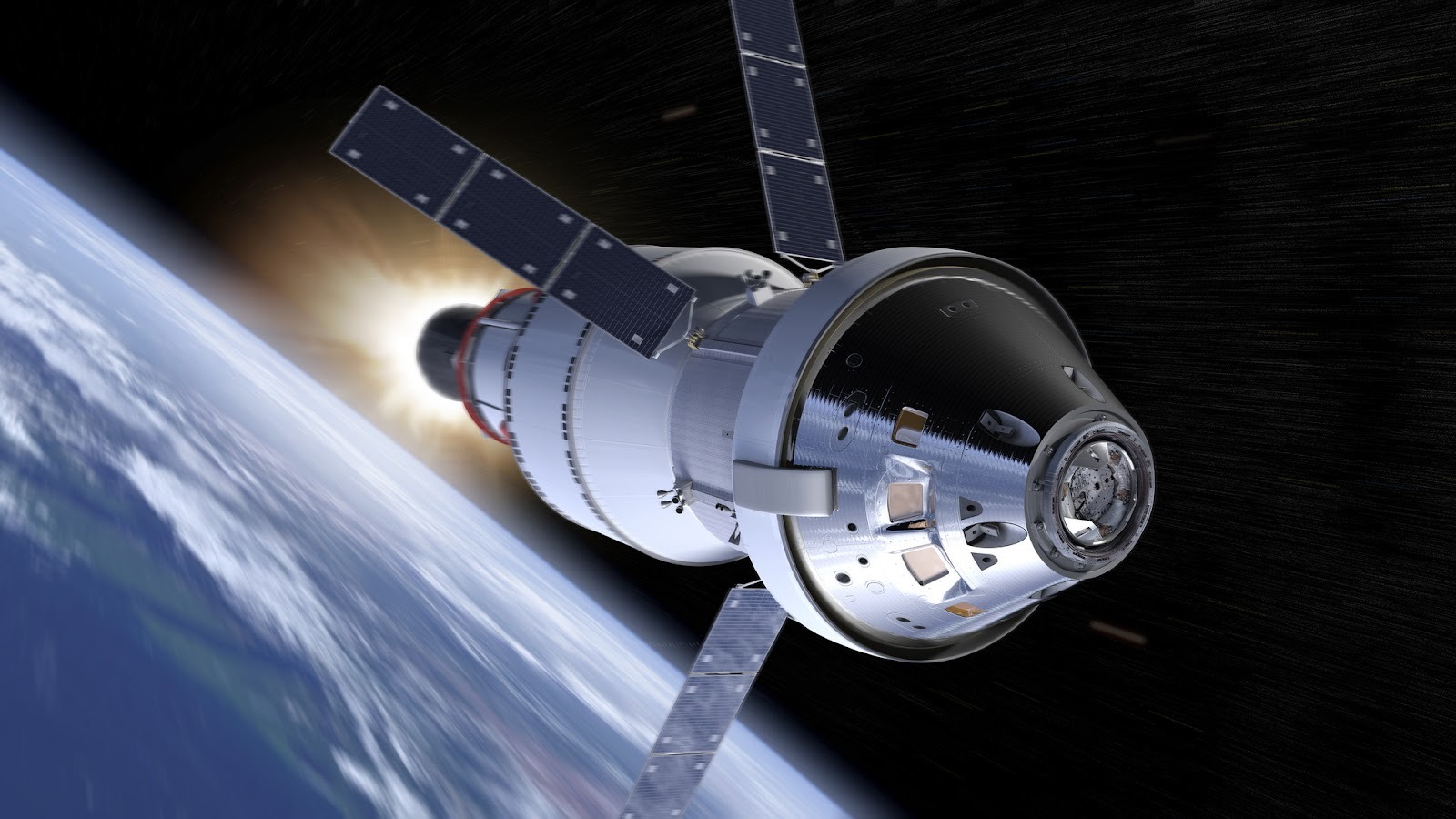
NASA’s Artemis II Mission Marks a Pivotal Step Back to the Moon

Share via:

NASA’s Artemis II mission will carry astronauts around the Moon, marking the first crewed lunar flight in more than 50 years. The mission is a critical test of NASA’s deep-space systems and a cornerstone of the United States’ long-term lunar strategy.

More than half a century after the Apollo era ended, the United States is preparing to send astronauts back toward the Moon. According to CNN, NASA’s Artemis II mission is scheduled to carry a crew on a lunar flyby, a milestone that will test the agency’s deep-space capabilities and set the stage for future landings.

Unlike the uncrewed Artemis I mission, which validated core systems in 2022, Artemis II will put humans aboard NASA’s Orion spacecraft for a journey around the Moon and back to Earth. The mission represents the first time since 1972 that humans will venture beyond low Earth orbit—a symbolic and technical turning point for modern spaceflight.

For the global space industry, Artemis II is not just a NASA mission. It is a signal that government-led lunar exploration is re-entering an operational phase, with implications for startups, international partners, and commercial space infrastructure.

What Artemis II is designed to prove

NASA describes Artemis II as a systems test with people onboard. The mission will evaluate life-support systems, propulsion, navigation, and human performance during a multi-day deep-space flight.

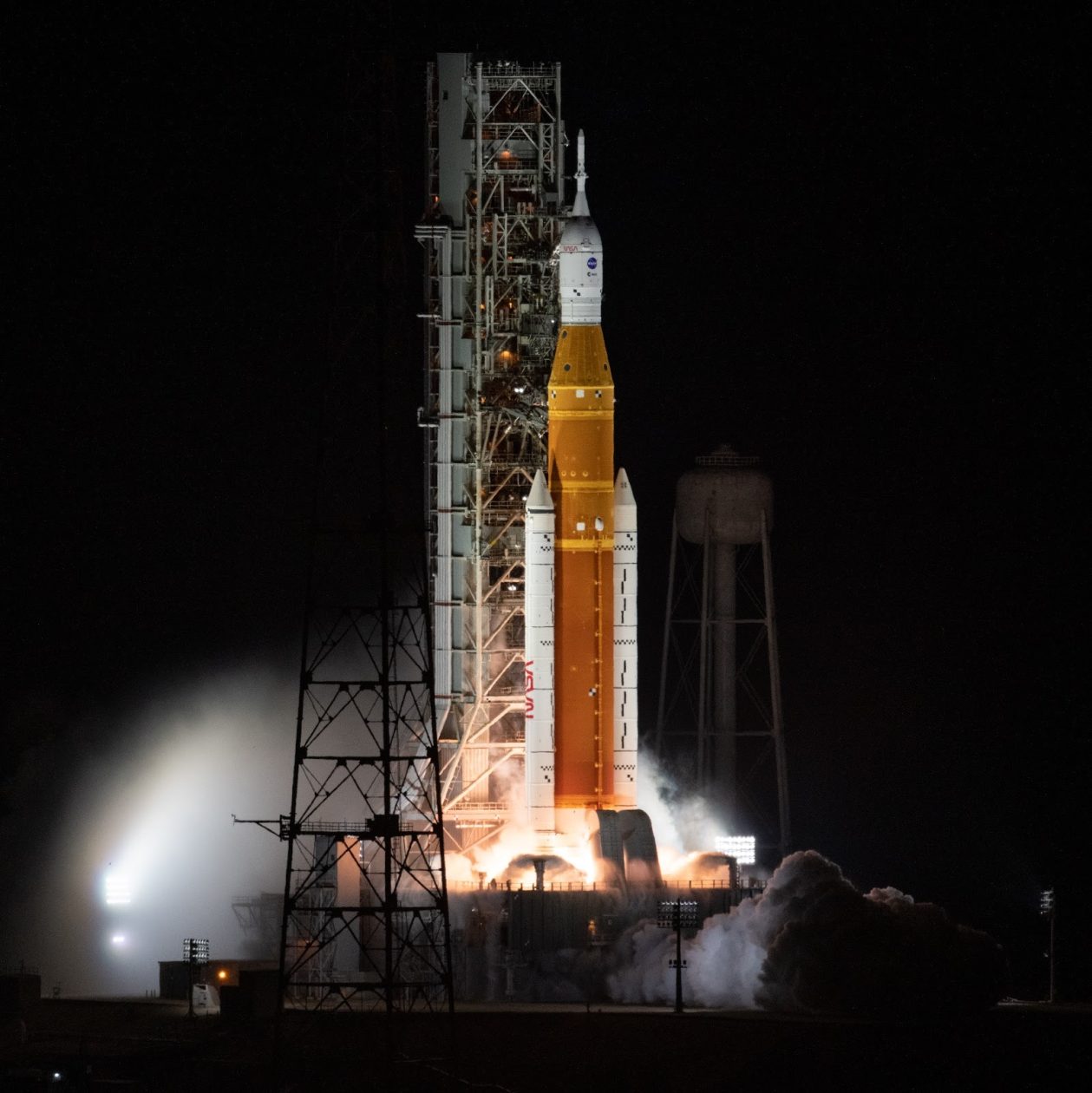
Astronauts will orbit the Moon without landing, following a trajectory designed to stress-test Orion and the Space Launch System rocket under real mission conditions. The flight is intended to reduce risk ahead of Artemis III, which is planned to attempt the first crewed lunar landing of the Artemis era.

NASA has confirmed the crew selection and broad mission objectives, though some technical details—such as exact flight duration and contingency scenarios—may evolve as final readiness reviews are completed.

Why Artemis II matters now

Artemis II arrives at a moment of renewed geopolitical and commercial interest in the Moon. The mission underpins U.S. efforts to establish a sustained lunar presence, positioning the Moon as both a scientific destination and a staging ground for future missions to Mars.

From a policy perspective, the mission reinforces U.S. leadership in space exploration at a time when other nations, including China, are accelerating their own lunar ambitions. Demonstrating reliable crewed lunar flight capability is as much about strategic credibility as it is about science.

The mission also reflects NASA’s hybrid approach: government-led exploration supported by an expanding network of commercial and international partners.

The startup and commercial space angle

Artemis II highlights how deeply intertwined NASA’s ambitions have become with the private sector. From spacecraft components to ground systems and data analysis, a wide range of contractors and startups contribute to the Artemis program.

For space startups, Artemis represents a long-term demand signal. Technologies related to propulsion, autonomous navigation, in-space communications, and human health in deep space are all areas seeing increased investment and experimentation.

While Artemis II itself is a NASA-operated mission, its success—or failure—will influence confidence in downstream commercial lunar projects, including surface infrastructure, cargo delivery, and future private missions.

Technical and schedule risks remain

Despite progress, Artemis II is not without risk. Crewed deep-space missions carry inherent dangers, and NASA has faced delays and cost pressures across the Artemis program.

CNN notes that while the mission is moving forward, timelines in spaceflight are fluid. Hardware readiness, testing outcomes, and funding considerations could still affect launch schedules.

NASA has emphasized that safety, rather than speed, will dictate final decisions—an approach shaped by lessons from both Apollo and more recent programs.

A bridge between eras of spaceflight

Artemis II occupies a unique place in space history. It is neither a landing mission nor an experiment, but a bridge between proving capability and achieving sustained exploration.

For the public, it marks the return of humans to lunar distances. For industry, it represents validation of a new model where government exploration catalyzes private-sector growth rather than replacing it.

If successful, Artemis II will do more than loop astronauts around the Moon. It will confirm that deep-space human exploration is no longer a historical achievement—but an active, evolving enterprise.

This article is based on publicly available reporting from CNN and official NASA statements. Mission timelines and technical details may evolve as launch preparations continue.

Disclaimer

We strive to uphold the highest ethical standards in all of our reporting and coverage. We StartupNews.fyi want to be transparent with our readers about any potential conflicts of interest that may arise in our work. It’s possible that some of the investors we feature may have connections to other businesses, including competitors or companies we write about. However, we want to assure our readers that this will not have any impact on the integrity or impartiality of our reporting. We are committed to delivering accurate, unbiased news and information to our audience, and we will continue to uphold our ethics and principles in all of our work. Thank you for your trust and support.

Sreejit
Sreejit Kumar is a media and communications professional with over two years of experience across digital publishing, social media marketing, and content management. With a background in journalism and advertising, he focuses on crafting and managing multi-platform news content that drives audience engagement and measurable growth.

Popular

More Like this

NASA’s Artemis II Mission Marks a Pivotal Step Back to the Moon

NASA’s Artemis II mission will carry astronauts around the Moon, marking the first crewed lunar flight in more than 50 years. The mission is a critical test of NASA’s deep-space systems and a cornerstone of the United States’ long-term lunar strategy.

More than half a century after the Apollo era ended, the United States is preparing to send astronauts back toward the Moon. According to CNN, NASA’s Artemis II mission is scheduled to carry a crew on a lunar flyby, a milestone that will test the agency’s deep-space capabilities and set the stage for future landings.

Unlike the uncrewed Artemis I mission, which validated core systems in 2022, Artemis II will put humans aboard NASA’s Orion spacecraft for a journey around the Moon and back to Earth. The mission represents the first time since 1972 that humans will venture beyond low Earth orbit—a symbolic and technical turning point for modern spaceflight.

For the global space industry, Artemis II is not just a NASA mission. It is a signal that government-led lunar exploration is re-entering an operational phase, with implications for startups, international partners, and commercial space infrastructure.

What Artemis II is designed to prove

NASA describes Artemis II as a systems test with people onboard. The mission will evaluate life-support systems, propulsion, navigation, and human performance during a multi-day deep-space flight.

Astronauts will orbit the Moon without landing, following a trajectory designed to stress-test Orion and the Space Launch System rocket under real mission conditions. The flight is intended to reduce risk ahead of Artemis III, which is planned to attempt the first crewed lunar landing of the Artemis era.

NASA has confirmed the crew selection and broad mission objectives, though some technical details—such as exact flight duration and contingency scenarios—may evolve as final readiness reviews are completed.

Why Artemis II matters now

Artemis II arrives at a moment of renewed geopolitical and commercial interest in the Moon. The mission underpins U.S. efforts to establish a sustained lunar presence, positioning the Moon as both a scientific destination and a staging ground for future missions to Mars.

From a policy perspective, the mission reinforces U.S. leadership in space exploration at a time when other nations, including China, are accelerating their own lunar ambitions. Demonstrating reliable crewed lunar flight capability is as much about strategic credibility as it is about science.

The mission also reflects NASA’s hybrid approach: government-led exploration supported by an expanding network of commercial and international partners.

The startup and commercial space angle

Artemis II highlights how deeply intertwined NASA’s ambitions have become with the private sector. From spacecraft components to ground systems and data analysis, a wide range of contractors and startups contribute to the Artemis program.

For space startups, Artemis represents a long-term demand signal. Technologies related to propulsion, autonomous navigation, in-space communications, and human health in deep space are all areas seeing increased investment and experimentation.

While Artemis II itself is a NASA-operated mission, its success—or failure—will influence confidence in downstream commercial lunar projects, including surface infrastructure, cargo delivery, and future private missions.

Technical and schedule risks remain

Despite progress, Artemis II is not without risk. Crewed deep-space missions carry inherent dangers, and NASA has faced delays and cost pressures across the Artemis program.

CNN notes that while the mission is moving forward, timelines in spaceflight are fluid. Hardware readiness, testing outcomes, and funding considerations could still affect launch schedules.

NASA has emphasized that safety, rather than speed, will dictate final decisions—an approach shaped by lessons from both Apollo and more recent programs.

A bridge between eras of spaceflight

Artemis II occupies a unique place in space history. It is neither a landing mission nor an experiment, but a bridge between proving capability and achieving sustained exploration.

For the public, it marks the return of humans to lunar distances. For industry, it represents validation of a new model where government exploration catalyzes private-sector growth rather than replacing it.

If successful, Artemis II will do more than loop astronauts around the Moon. It will confirm that deep-space human exploration is no longer a historical achievement—but an active, evolving enterprise.

This article is based on publicly available reporting from CNN and official NASA statements. Mission timelines and technical details may evolve as launch preparations continue.

Disclaimer

We strive to uphold the highest ethical standards in all of our reporting and coverage. We StartupNews.fyi want to be transparent with our readers about any potential conflicts of interest that may arise in our work. It’s possible that some of the investors we feature may have connections to other businesses, including competitors or companies we write about. However, we want to assure our readers that this will not have any impact on the integrity or impartiality of our reporting. We are committed to delivering accurate, unbiased news and information to our audience, and we will continue to uphold our ethics and principles in all of our work. Thank you for your trust and support.

Website Upgradation is going on for any glitch kindly connect at office@startupnews.fyi

Sreejit
Sreejit Kumar is a media and communications professional with over two years of experience across digital publishing, social media marketing, and content management. With a background in journalism and advertising, he focuses on crafting and managing multi-platform news content that drives audience engagement and measurable growth.

More like this

Access Denied

Access Denied You don't have permission to access...

Man to plead guilty to hacking US Supreme Court...

A resident of Springfield, Tennessee, is expected to...

Tech cos wooing graduates with AI, cloud, other specialised...

Tech companies are offering higher salaries to freshers...

Popular

melhor-iptv-portugal melhor-iptv-portugal melhor-iptv-portugal melhor-iptv-portugal melhor-iptv-portugal melhor-iptv-portugal melhor-iptv-portugal melhor-iptv-portugal melhor-iptv-portugal melhor-iptv-portugal melhor-iptv-portugal melhor-iptv-portugal melhor-iptv-portugal melhor-iptv-portugal melhor-iptv-portugal melhor-iptv-portugal melhor-iptv-portugal melhor-iptv-portugal melhor-iptv-portugal melhor-iptv-portugal melhor-iptv-portugal melhor-iptv-portugal melhor-iptv-portugal melhor-iptv-portugal melhor-iptv-portugal melhor-iptv-portugal melhor-iptv-portugal melhor-iptv-portugal melhor-iptv-portugal melhor-iptv-portugal melhor-iptv-portugal melhor-iptv-portugal melhor-iptv-portugal melhor-iptv-portugal melhor-iptv-portugal melhor-iptv-portugal melhor-iptv-portugal melhor-iptv-portugal melhor-iptv-portugal melhor-iptv-portugal melhor-iptv-portugal melhor-iptv-portugal melhor-iptv-portugal melhor-iptv-portugal melhor-iptv-portugal melhor-iptv-portugal melhor-iptv-portugal melhor-iptv-portugal melhor-iptv-portugal melhor-iptv-portugal melhor-iptv-portugal melhor-iptv-portugal melhor-iptv-portugal melhor-iptv-portugal melhor-iptv-portugal melhor-iptv-portugal melhor-iptv-portugal melhor-iptv-portugal melhor-iptv-portugal melhor-iptv-portugal melhor-iptv-portugal melhor-iptv-portugal melhor-iptv-portugal melhor-iptv-portugal melhor-iptv-portugal melhor-iptv-portugal melhor-iptv-portugal melhor-iptv-portugal melhor-iptv-portugal melhor-iptv-portugal melhor-iptv-portugal melhor-iptv-portugal melhor-iptv-portugal melhor-iptv-portugal
