Many smart TVs can gain new features, performance improvements, and app support through free software updates. This quiet shift is extending device lifespans and reshaping how consumers and companies think about hardware upgrades.
For years, upgrading a television meant buying a bigger screen or a sharper panel. Increasingly, it means waiting for a software update. As Pocket-lint recently highlighted, many smart TV owners can upgrade their TVs for free—not through new hardware, but via operating system updates, app refreshes, and platform-level improvements delivered over the internet.
The trend reflects a broader shift in consumer technology: hardware is becoming more durable, while software is doing more of the work. For manufacturers, startups, and streaming platforms, that shift is quietly redefining competition in the living room.
How smart TVs are improving over time
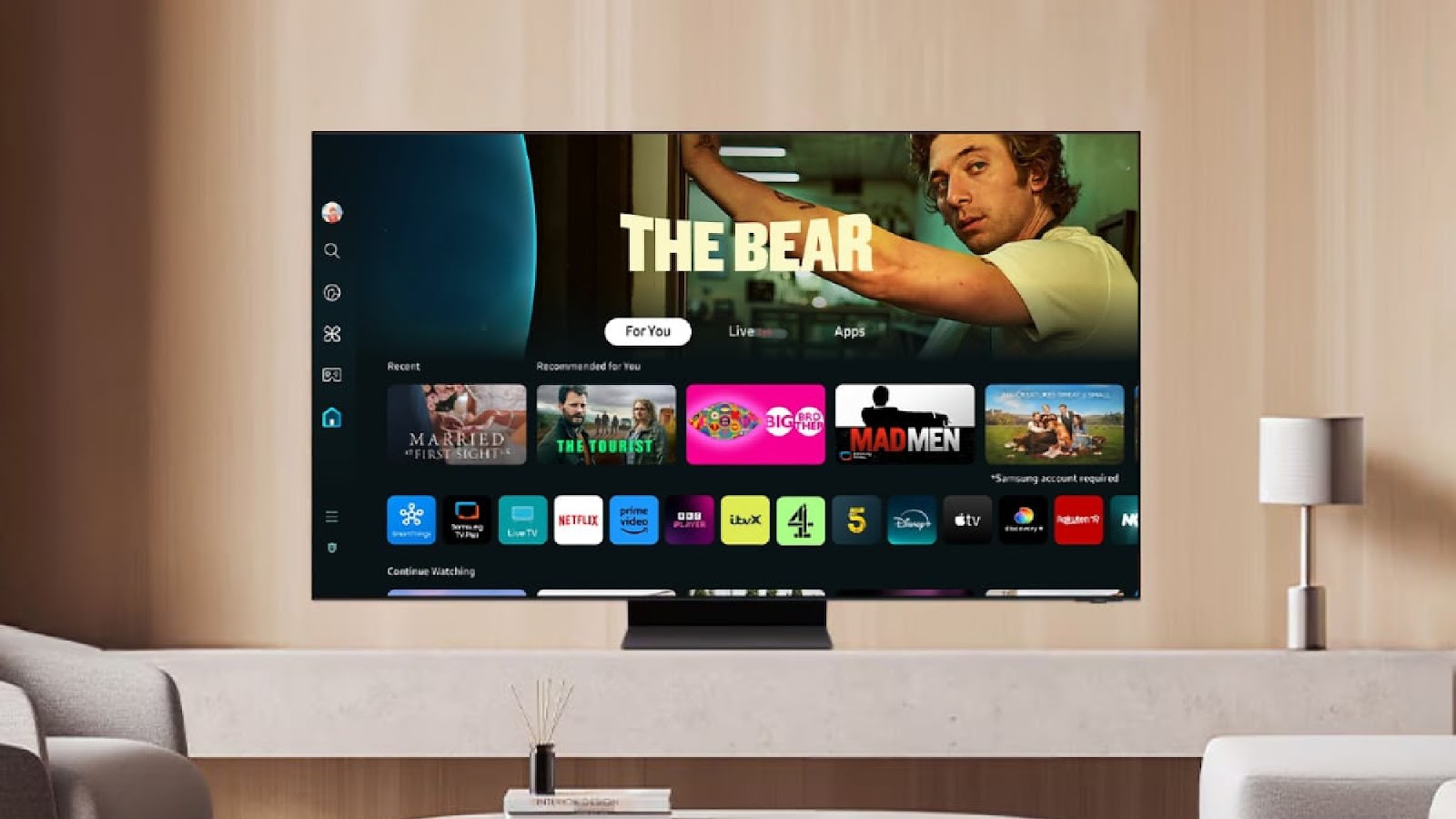
Modern smart TVs run full operating systems that can evolve long after purchase. Updates may introduce new streaming apps, refreshed user interfaces, improved voice control, or performance optimizations that make older TVs feel faster and more capable.
In some cases, updates also expand compatibility with external devices or newer standards, such as improved casting, gaming modes, or smart home integration.
Manufacturers typically roll out these updates automatically or prompt users to install them, meaning many improvements arrive without direct user action. However, update frequency and longevity vary widely by brand and model.
The platforms behind the updates
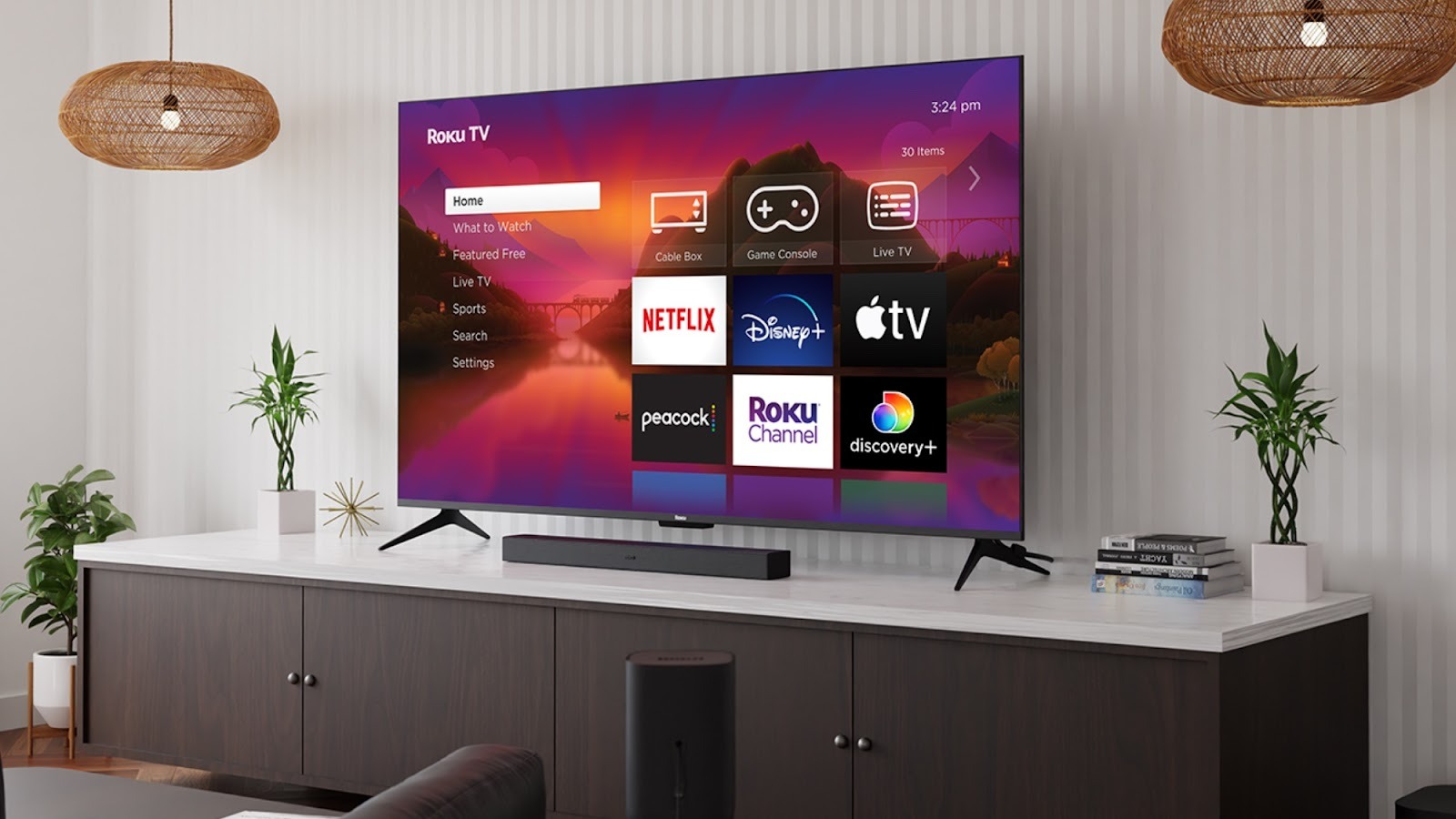
Smart TVs today are less defined by their screens and more by their software platforms. Systems such as Google TV, Roku, and Amazon Fire TV act as ongoing services rather than static features.
These platforms compete not just on app availability, but on update cadence, personalization, and ecosystem integration. A TV running an actively maintained platform can remain relevant for years longer than one tied to a neglected or proprietary system.
For consumers, this means the real value of a TV increasingly depends on software support rather than display specs alone.
Why this matters for consumers
Free upgrades challenge the assumption that smart TVs become obsolete quickly. While hardware limits still exist—older processors may struggle with demanding features—many everyday improvements do not require new silicon.
That can delay replacement cycles, saving consumers money and reducing electronic waste. It also changes buying decisions, pushing shoppers to consider platform reputation and update history as much as picture quality.
At the same time, not all TVs receive equal treatment. Budget models or discontinued platforms may see updates slow or stop entirely, leaving some users behind.
Implications for startups and streaming services
For startups building media, gaming, or advertising technology, longer TV lifespans create both opportunity and constraint. A larger installed base of capable devices expands potential reach, but fragmented software versions complicate development and testing.
Streaming services benefit from updates that bring new codecs, performance improvements, or monetization features to older screens. Conversely, they must also navigate platform gatekeepers that control app placement, discovery, and update approval.
The balance of power increasingly favors platforms that can promise longevity and consistency across hardware generations.
A shift in the hardware business model
Free software upgrades reflect a deeper economic change. As TV hardware margins tighten, manufacturers are looking to software, services, and advertising for long-term revenue.
Keeping TVs updated and engaged extends the relationship between brands and users well beyond the initial sale. In that sense, a smart TV is no longer just a product—it is a long-term endpoint in a digital ecosystem.
This model mirrors what has already happened in smartphones, where operating system support has become a major differentiator.
The limits of “free” upgrades
Despite the benefits, software updates are not a cure-all. Older TVs may miss out on features that require newer hardware, and update support eventually ends for every device.
There is also limited transparency around how long manufacturers commit to updates, making it difficult for consumers to predict longevity at purchase time.
As regulators in some regions push for clearer product lifespan disclosures, software support policies may come under greater scrutiny.
A quieter but meaningful change
Upgrading a TV without buying a new one may not feel revolutionary, but its impact is cumulative. It alters replacement cycles, shifts competitive dynamics, and changes how value is delivered in consumer electronics.
For the tech industry, the message is clear: the future of hardware is increasingly written in software.
This article is based on publicly available reporting from Pocket-lint and industry analysis. Software update availability and features vary by manufacturer, model, and region.