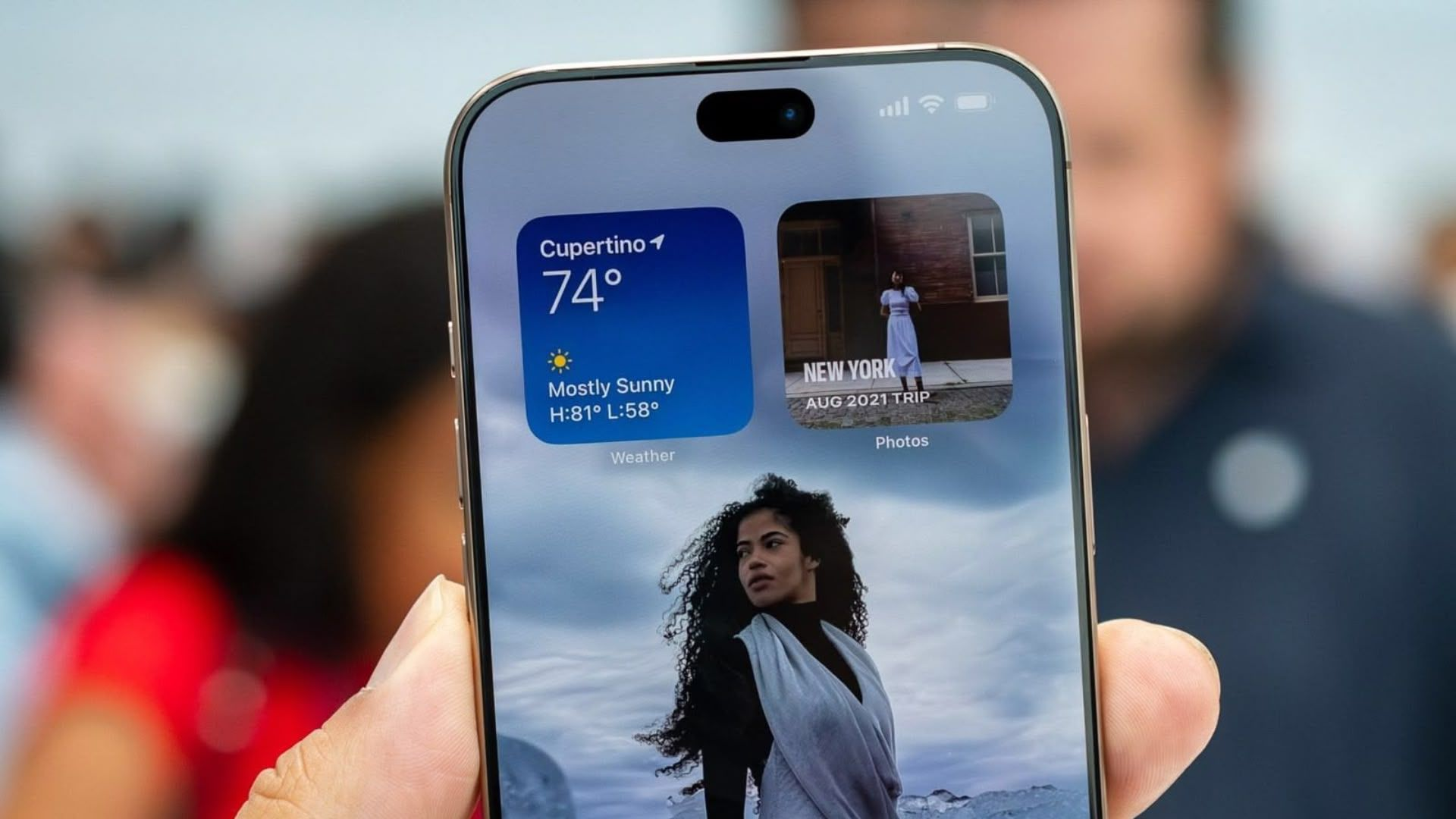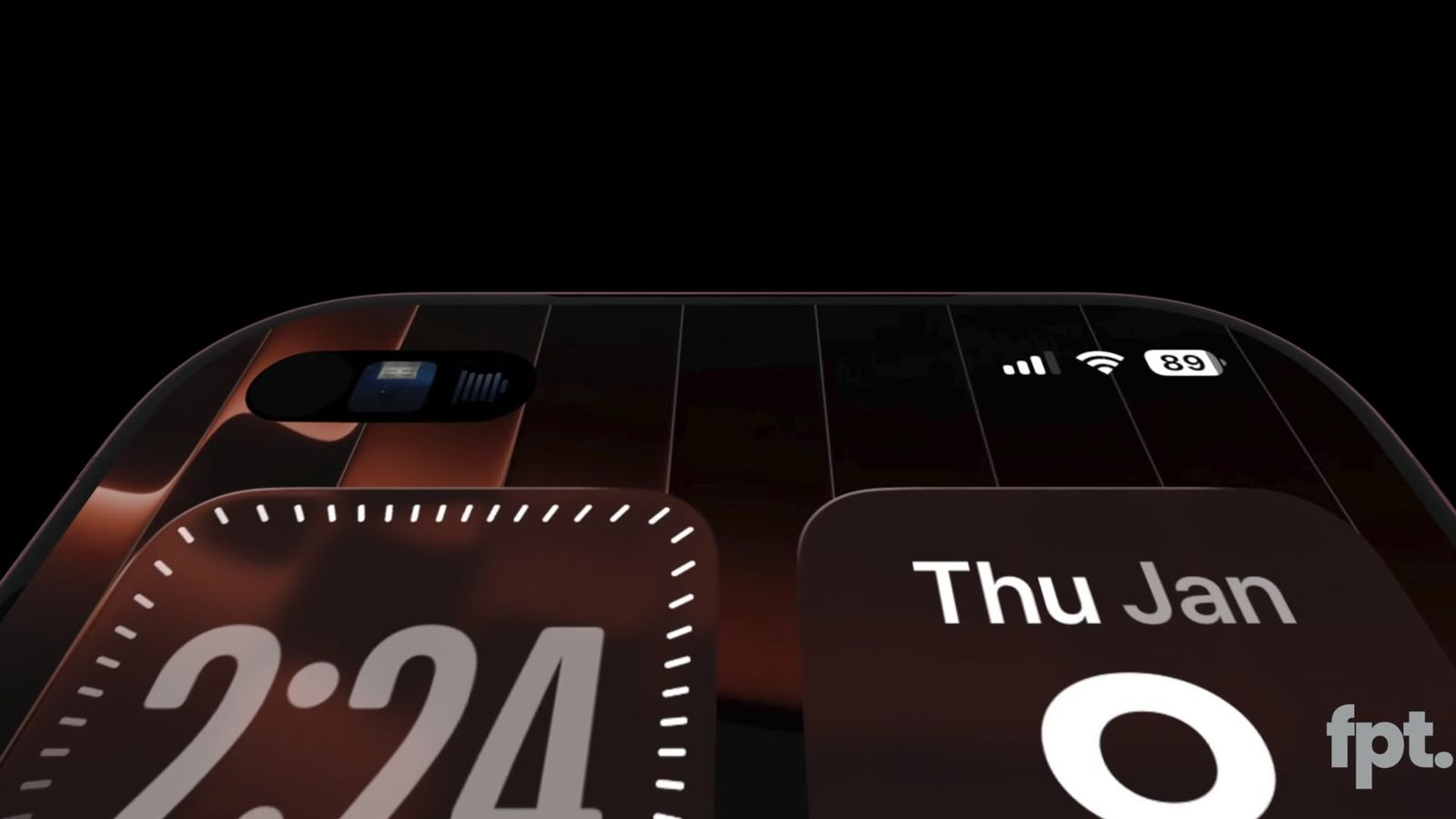
Emerging design details for Apple’s next flagship iPhone—the iPhone 18 Pro—suggest a smaller Dynamic Island interface and no separate top‑left camera hole, contradicting recent claims that the front camera might migrate to an asymmetrical location. These refinements align with broader expectations of subtle but strategic updates ahead of a likely September 2026 launch.
According to recent reports from industry leakers and supply‑chain rumors, Apple appears to be consolidating its front‑facing sensor and display architecture, reducing the visible footprint of what once was a prominent hardware cutout. Instead of adding a distinct camera opening in the display’s top‑left corner, the front sensors and camera may be integrated under or around a smaller Dynamic Island area at the top of the screen—maintaining visual symmetry while shrinking the intrusion into usable display space.
Design Evolution, Not Revolution
The Dynamic Island, introduced in the iPhone 14 Pro series to house sensors and UI elements in a pill‑shaped zone, has become a defining visual and functional feature of Apple’s premium devices. Leaks consolidated over the past week indicate Apple is exploring a more compact iteration of this interface region, enabled in part by relocating components such as the infrared face‑authentication sensor beneath the display.
Earlier rumors—including claims of a top‑left selfie camera—appear to stem from translation errors or misinterpretations of internal component positioning rather than final product design cues. Multiple credible sources have now debunked those corner‑cutout reports, reinforcing that visible design changes will be modest and focused on reducing bezel intrusion rather than rearranging the front camera location.
Despite conflicting narratives circulating in the tech blogosphere, no official confirmation from Apple has been made regarding specific screen layout details. As with all pre‑release information, these claims should be treated as tentative and subject to revision until Apple’s formal announcement.
The Role of Under‑Display Technology
A parallel thread in recent reporting centers on Apple’s long‑rumored interest in under‑display Face ID technology, which could enable fully uninterrupted screens in the future. Technology analysts note that relocating infrared sensors beneath the OLED panel could pave the way for even thinner interface elements, though bringing this hardware into production poses performance and engineering challenges.
For 2026 models, the most realistic scenario appears to be partial under‑display integration: some sensors may sit beneath the glass, while others remain in minimal cutouts managed by an optimized Dynamic Island. This approach balances Apple’s design ambitions with practical manufacturing considerations.
Broader Product Context and Market Implications
The iPhone 18 series—including Pro and Pro Max variants—is widely anticipated to be unveiled in Apple’s customary September event, reinforcing the company’s long cadence of annual upgrades. Analyst speculation suggests these models could feature new silicon (such as the A20 Pro chip), enhanced camera systems, and modest aesthetic changes.
For Apple’s global ecosystem, incremental design evolution underscores a maturing high‑end smartphone market, where refining user experience and display immersion has become a strategic priority. As competitors in the Android ecosystem pursue foldable formats and under‑screen sensors, Apple’s iterative approach underscores its emphasis on holistic integration of hardware and software—particularly around features like the Dynamic Island that double as functional UI elements.
Startups and developers targeting iOS and mobile UX will be watching these developments closely; shifts in front‑facing screen real estate can influence app design patterns, notification behaviors, and immersive content layouts in tools ranging from productivity suites to augmented reality experiences.
What’s Still Uncertain
Key questions remain about the final appearance and internal configuration of the iPhone 18 Pro’s front display. Will Apple fully migrate Face ID beneath the panel? How much smaller will the Dynamic Island become? And will the eventual product diverge from current leaks? Absent an official specification sheet or Apple confirmation, all details remain informed projections based on fragments of supply‑chain data and leaker claims.
What is not in doubt, however, is that Apple’s design decisions for its flagship lineup continue to reverberate across the broader smartphone industry, shaping expectations for innovation, user interaction, and premium hardware differentiation in 2026 and beyond.