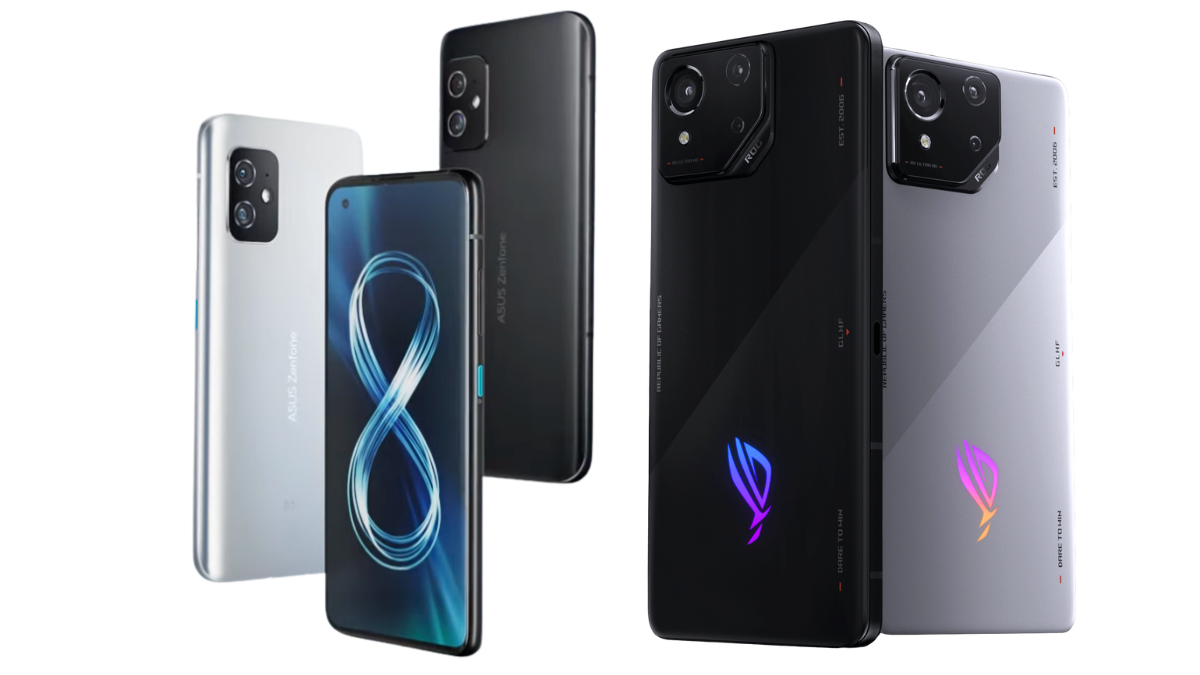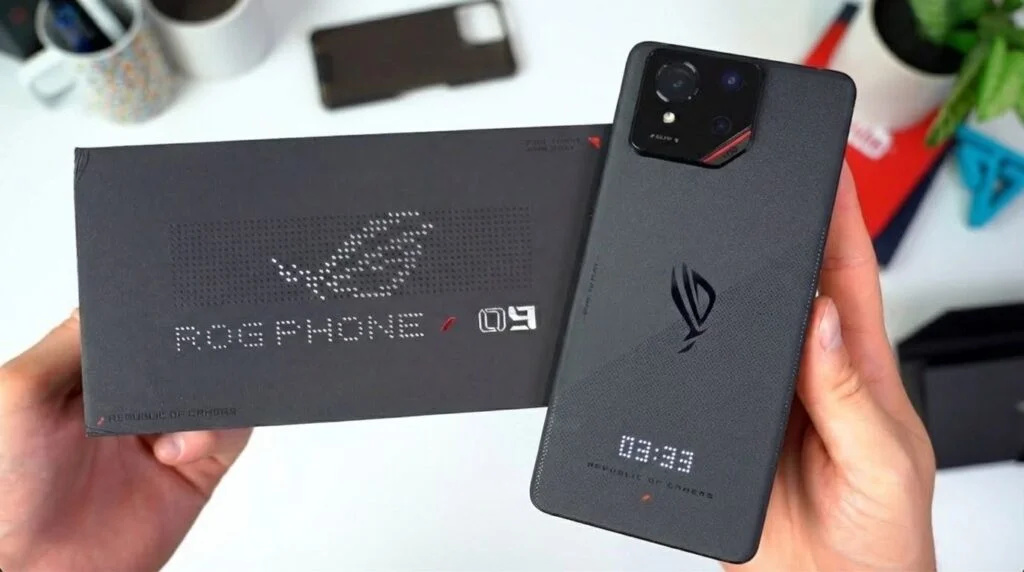
Asus has confirmed it will not launch any new smartphones in 2026, raising the prospect that the Taiwanese hardware maker—once known in tech circles for its Zenfone and Republic of Gamers (ROG) Android phones—is stepping back from the crowded mobile market as it reallocates engineering and investment toward artificial intelligence (AI) and PCs.
At a company event in Taipei in mid‑January, Asus Chairman Jonney Shih said the firm “will no longer add new mobile phone models in the future.” Although Shih stopped short of declaring a permanent exit from smartphones outright, the language has been interpreted by multiple technology outlets as a de facto withdrawal from the Android ecosystem. The company simultaneously assured current phone users of ongoing software updates and warranty support.
For a business that has produced Android devices since the mid‑2010s, including niche flagships with strong gaming credentials, this represents a major strategic shift.
A Legacy in Smartphones Meets Market Realities
Asus entered the smartphone arena with its Zenfone series, a broad lineup of Android handsets designed to compete across mainstream and premium segments. Over time, it also carved out a loyalty‑driven niche in mobile gaming with ROG Phones, devices that paired high‑end performance with gamer‑focused features.
In recent years, however, Asus’s handset launches had slowed. The Zenfone 12 Ultra, released in 2025 with a Qualcomm Snapdragon 8 Elite chipset and extensive AI‑centric marketing, was among its last flagship devices. Its availability was limited in certain key markets, including the United States, reflecting a constrained global footprint.
Industry observers say Asus never captured significant market share compared with giants like Samsung or Apple nor consistently rivaled Chinese manufacturers’ pricing and ecosystem leverage. This structural pressure has intensified as smartphone innovation cycles extend and unit economics tighten. Multiple Taiwanese tech outlets have described Asus’s decision as both a strategic refocus and a necessary response to escalating competition and component costs.
From Smartphones to AI and Business PCs
Asus’s pivot is part of a broader trend in which legacy hardware companies recalibrate around segments with higher growth potential, notably AI‑enabled systems and enterprise solutions. Reports indicate the company plans to shift smartphone R&D talent toward AI hardware such as smart glasses, robotics, and AI‑accelerated business PCs.
The move dovetails with broader industry momentum behind AI innovation. For Asus, focusing on “physical AI” aligns with rising demand for AI‑optimized endpoints and commercial hardware—areas that promise differentiation beyond the saturated smartphone arena.
This realignment could mirror similar strategic exits by other hardware players who have reprioritized resources away from handset manufacturing toward emerging technologies with stronger margins or long‑term growth prospects.
Implications for the Android Ecosystem and Users
Asus’s retreat removes a distinctive voice from the Android hardware landscape, particularly in the gaming‑focused smartphone niche that ROG Phones addressed. While mobile gaming remains a major consumer segment globally, dedicated handheld devices and ecosystem‑driven platforms from larger vendors have crowded out smaller players.
Existing Asus smartphone owners will continue to receive software updates and support, at least in the medium term, as the company winds down its mobile division. However, the absence of future hardware releases could reduce platform diversity and limit consumer choice, especially for enthusiasts who valued Asus’s experimental designs and hardware differentiation.
For startups and mobile developers, the exit of a longstanding Android OEM could reshape opportunity structures. Fragmentation in Android devices historically spurred innovation in niche app experiences; fewer handset makers might lead to tighter platform consolidation around mainstream vendors, potentially affecting app developers targeting a diverse hardware base.
What’s Next for Asus and the Smartphone Market
While Asus has not categorically ruled out revisiting smartphones in the future, its immediate roadmap places AI and enterprise hardware at the center of its growth strategy. The company’s repositioning highlights the shifting contours of the global technology landscape, where traditional consumer electronics units increasingly cede ground to AI‑driven hardware and software ecosystems.
As the smartphone market matures and converges around a few dominant players, Asus’s pivot underscores both the economic pressures on mid‑tier OEMs and the strategic allure of AI as the next frontier of computing.