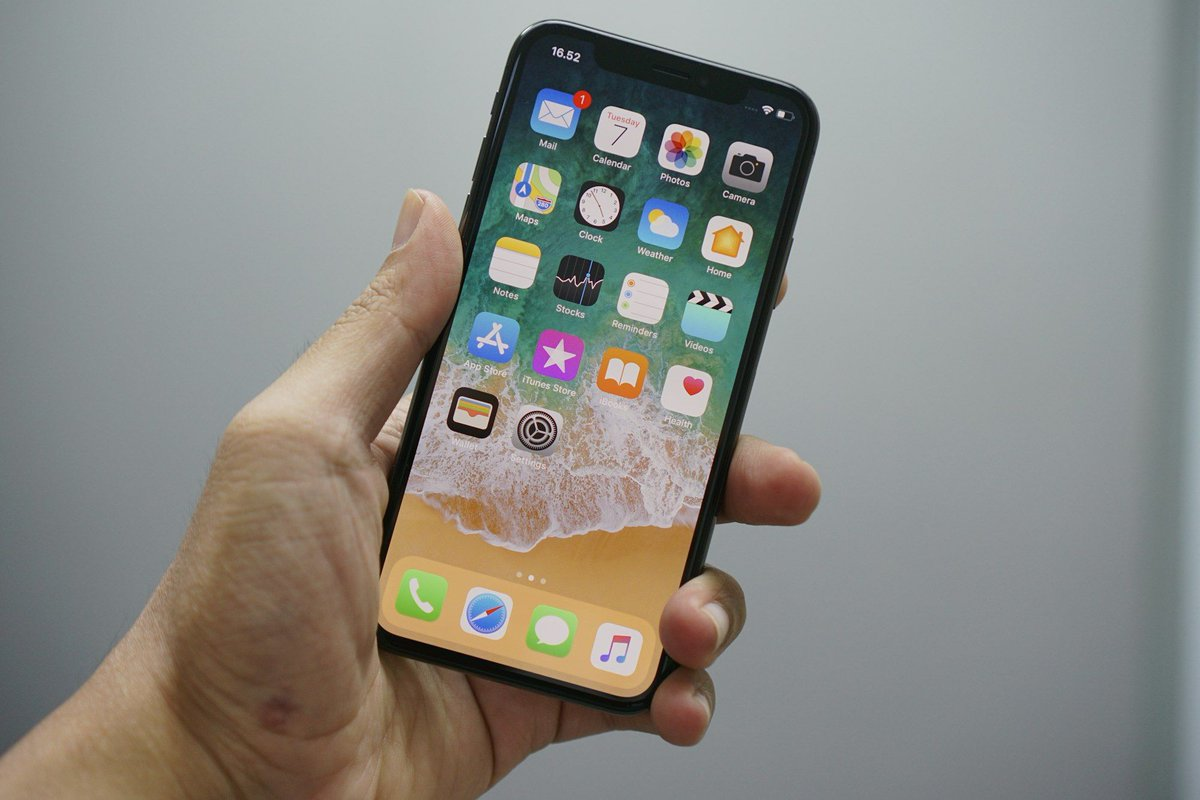
Apple has issued urgent warnings that a critical WebKit vulnerability—the core browser engine behind Safari and all iOS browsers—has left hundreds of millions of iPhones and iPads potentially exposed to cyberattack unless users update to the latest iOS and iPadOS releases.
The flaw, confirmed by Apple and widely reported in security alerts this week, enables malicious websites to deliver harmful code that could execute without user interaction, potentially allowing attackers to steal passwords, payment data, or take control of affected devices.
How the Vulnerability Works and Who Is at Risk
The underlying issue stems from two critical WebKit bugs (tracked in security databases), which mishandle memory when rendering web content—fundamentally insecure behavior that attackers can exploit simply by luring a user to a crafted website. The exploitation method is similar to so‑called “zero‑click” or “drive‑by download” attacks, where no extra user interaction beyond visiting a site triggers the breach.
Apple’s advisory highlights that iPhone 11 and later models, as well as several generations of iPads (including iPad Pro 12.9‑inch 3rd gen and newer, iPad Air 3rd gen and later, iPad 8th gen and newer, and iPad mini 5th gen onward) are affected if they have not installed recent security updates.
Global device usage stats suggest roughly half of iOS users remain on older software versions, meaning hundreds of millions of devices worldwide could still be vulnerable if users delay upgrading. Data from traffic analytics firms indicates that only about 20 % of users have installed the latest patch, underscoring the scale of potential exposure.
Apple’s Patch and Why Users Should Update
Apple has released patches for these vulnerabilities across its ecosystem, with the fixes included in iOS 26.2 and iPadOS 26.2. These updates are essential: there is no alternate mitigation or setting that neutralizes the risk on older versions. Security researchers emphasize that simply running up‑to‑date software is currently the only reliable defense against the exploit.
To install the latest iOS update:
- Open the Settings app on your iPhone or iPad
- Navigate to General → Software Update
- Download and install iOS 26.2/iPadOS 26.2 or later
Apple has stopped issuing standalone security patches for older major releases, meaning devices that cannot run iOS 26 may remain unprotected unless updated to compatible software.
Broader Cybersecurity Context
The WebKit flaws fall into a broader pattern of high‑impact exploits in mobile ecosystems. Similar vulnerabilities in past years—such as nation‑state grade spyware frameworks like Pegasus, which could execute arbitrary code on devices without prompts—highlight how sophisticated attackers can weaponize deep system bugs. Pegasus, for example, leveraged multiple vulnerabilities including in browsers and messaging stacks to infiltrate targets silently.
Security professionals warn that threats exploiting browser engines are especially dangerous because all mobile browsers on iOS must use WebKit by policy, extending the impact across third‑party browsers beyond Safari itself.
Implications for Users, Developers, and Startups
For consumers, the immediate takeaway is clear: installing the latest updates is imperative not just for feature improvements but for core security protection. Delayed adoption of security patches leaves personal and financial data at risk and undermines trust in mobile platforms.
For startups and developers building for iOS, this episode reinforces the importance of secure coding practices and frequent dependency audits; browser‑engine vulnerabilities are particularly disruptive because they can circumvent application‑level safeguards. It also underscores why developers should test apps against the latest OS versions and educate users on upgrading promptly.
More broadly, as mobile devices increasingly anchor digital identity, payments, and enterprise workflows, systemic vulnerabilities in widely deployed components like WebKit pose material threats to the global digital economy. The industry trend toward patch transparency and rapid updates is positive, but adoption lags illustrate ongoing challenges in security hygiene at scale.
What Remains Unclear
While Apple has acknowledged the WebKit vulnerabilities and issued patches, it has not publicly disclosed the full technical details of the exploits—nor has it specified the identity of attackers. Security researchers typically infer such details over time through coordinated disclosure channels, but until that analysis is complete, the full threat profile remains partially opaque.
In the meantime, users and enterprises are advised to update immediately, enable automatic updates, and follow cybersecurity best practices such as avoiding untrusted sites and scrutinizing links—even from familiar contacts—to mitigate exposure.