
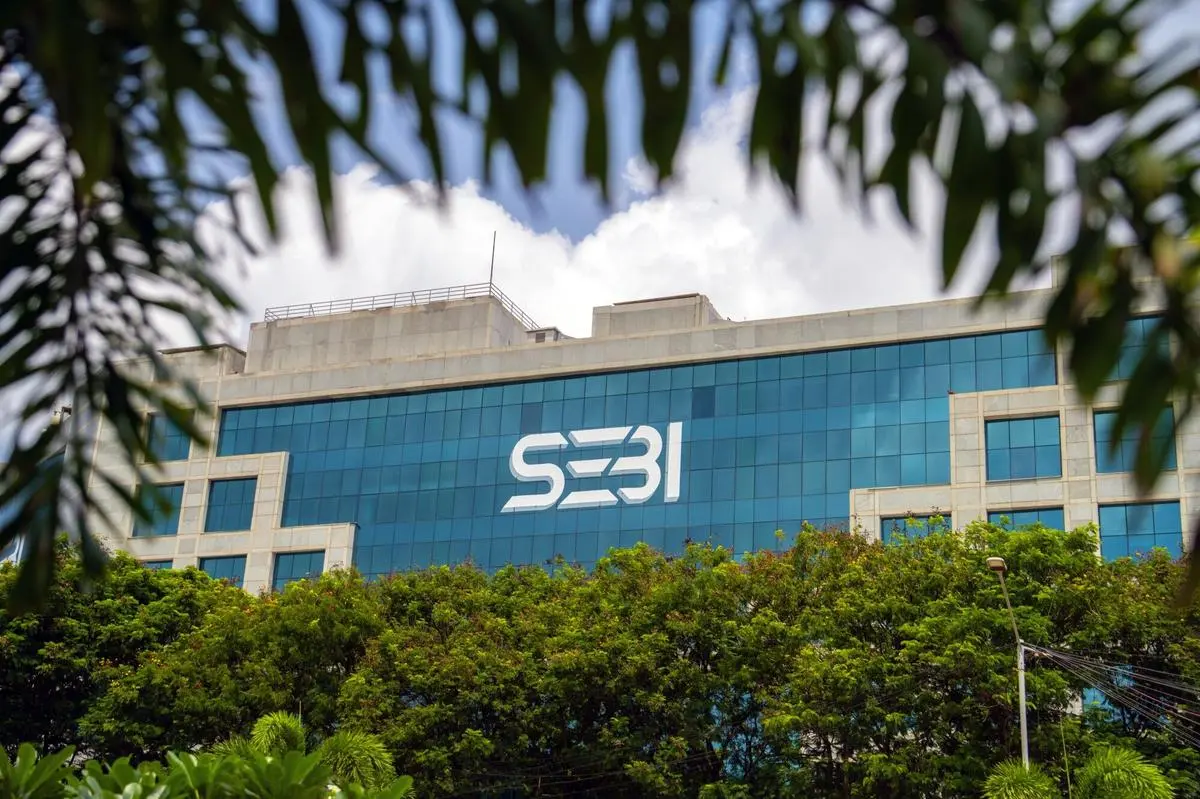
Inflection Point Ventures has launched a free, end-to-end angel investor accreditation initiative to help investors comply with new Securities and Exchange Board of India rules. The move comes ahead of a 7 September deadline that will determine who can continue investing in Indian startups.
India’s early-stage investment ecosystem is facing a regulatory inflection point. From September 7, individuals who want to invest in startups as angel investors must be formally accredited under rules set by the market regulator, the Securities and Exchange Board of India. The change has introduced new compliance requirements that could reshape who participates in the country’s startup funding pipeline.
Against this backdrop, Gurugram-based angel investing platform Inflection Point Ventures (IPV) said on January 22, 2026, that it is offering eligible investors a structured accreditation process at no additional cost as part of its membership. The initiative is designed to help investors meet SEBI’s deadline without friction, while reducing the risk of disruption to early-stage deal flow.
The timing is critical. Under SEBI’s framework, only accredited investors can legally participate in certain startup investments going forward. Accreditation must be obtained through SEBI-recognised agencies such as NSDL or CVL, following checks on income, net worth, and documentation.
According to industry estimates, CVL currently counts fewer than 1,500 accredited investors. Market participants warn that, without facilitation, the new rules could significantly narrow the pool of active angel investors, particularly at a time when startups are already facing tighter funding conditions.
IPV’s initiative seeks to counter that risk by offering end-to-end support across the accreditation lifecycle. This includes eligibility assessment, documentation assistance, application submission, validation, and coordination with SEBI-recognised agencies until an Angel Investor Accreditation Certificate is issued. The certificate is typically valid for two or three years, depending on the option chosen by the investor.
For investors, the practical implication is continuity. Those who fail to complete accreditation by the September deadline may be unable to participate in new startup deals, potentially sidelining a segment of capital that has historically played a crucial role in India’s seed and pre-Series A ecosystem. For founders, a reduced angel base could mean longer fundraising cycles and fewer strategic backers at the earliest stages.
Commenting on the development, Vinay Bansal, founder of IPV, said the platform views regulatory compliance as a shared responsibility. He noted that SEBI’s move represents a significant shift for early-stage investing, introducing new considerations for both investors and startups, but added that supporting investors through the transition is essential to maintaining ecosystem stability.
The regulatory push for accreditation is part of a broader effort by SEBI to formalise private market participation, improve investor protection, and bring greater transparency to startup funding. While policymakers argue that accreditation will ensure only financially sophisticated individuals take on high-risk investments, critics caution that excessive friction could dampen innovation by restricting access to early capital.
IPV’s approach reflects a growing trend among platforms to act as intermediaries not just for deal access, but also for compliance navigation. By bundling accreditation support into its membership offering, IPV is effectively lowering the operational burden on investors who may be unfamiliar with regulatory paperwork or timelines.
The company says investors associated with the platform can work directly with relationship managers for guidance, while others can access information through IPV’s official channels. Participation in the accreditation process remains subject to meeting SEBI’s eligibility criteria, and IPV has emphasised that it is facilitating, not bypassing, regulatory checks.
Founded as an angel investing network, IPV reports a community of more than 24,000 CXOs, high-net-worth individuals, and professionals. Beyond early-stage deals, the firm has also launched a $50 million Category II venture capital fund, Physis Capital, focused on pre-Series A to Series B investments, with six deployments completed so far based on publicly available information.
As the September deadline approaches, investors and startups alike will be watching how smoothly accreditation scales across the market. If successful, initiatives like IPV’s could help ensure that regulatory tightening does not come at the cost of early-stage innovation, preserving the flow of capital that has underpinned India’s startup growth over the past decade.


