
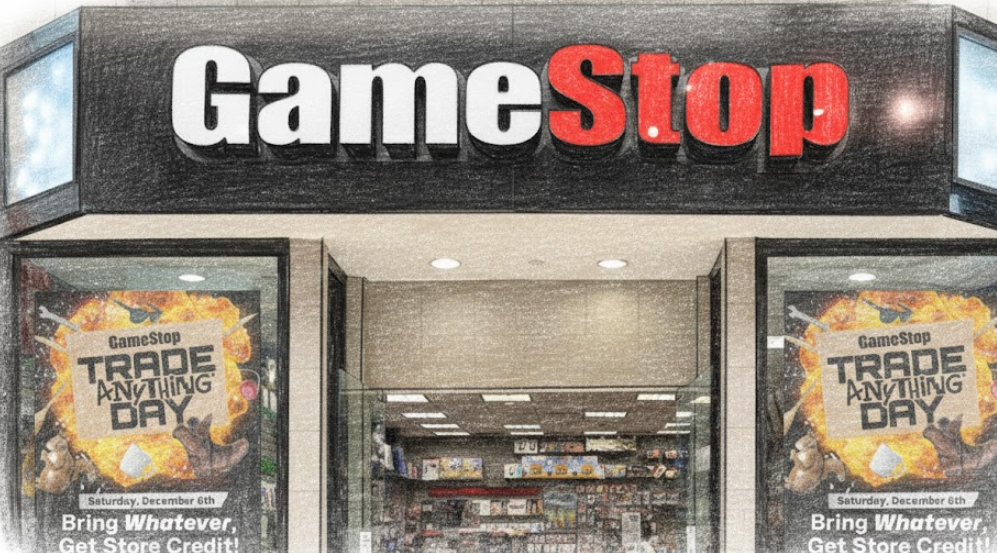
GameStop is investigating reports that some customers briefly received higher-than-advertised in-store credit when trading in Nintendo Switch consoles. The company has not confirmed the scope of the issue and says it is reviewing the matter based on publicly available information.
In recent days, shoppers across the United States reported an unusual spike in trade-in values for Nintendo Switch consoles at physical GameStop locations, triggering a rush among customers hoping to capitalize on what appeared to be a system glitch. The reports surfaced through social media and deal-tracking forums, with users claiming in-store credit far above standard trade-in rates.
The situation matters now because GameStop’s trade-in program remains a core part of its brick-and-mortar strategy, especially as the retailer works to stabilize revenue amid long-term declines in physical game sales. Any disruption—intentional or not—highlights how tightly automated pricing systems are woven into retail operations.
What customers reported in stores
According to customer accounts, standard Nintendo Switch models were temporarily valued at in-store credit amounts significantly higher than those listed online or previously advertised. Some users claimed credits exceeding $200 for older consoles, depending on condition, far above typical rates.
The reports were largely limited to in-person transactions rather than online trade-in estimates, suggesting a point-of-sale pricing or configuration issue rather than a consumer-facing promotion. Employees at some locations reportedly honored the displayed value before the discrepancy was flagged.
GameStop has not publicly detailed how many stores were affected or how long the issue lasted.
How GameStop’s trade-in system works
GameStop relies on dynamic trade-in pricing that adjusts based on inventory levels, demand, and promotional periods. These prices are managed centrally but executed locally through store systems, creating the possibility for mismatches if configurations are updated incorrectly.
Trade-in programs are particularly sensitive during console lifecycle transitions. With Nintendo expected to introduce new hardware in the coming years, demand for used current-generation consoles can fluctuate sharply, increasing the complexity of pricing accuracy.
For retailers, even short-lived pricing errors can have material effects when amplified through social media.
Nintendo Switch demand and timing
The incident comes at a time when the Nintendo Switch remains one of the best-selling consoles of the past decade, despite its age. While sales momentum has slowed from pandemic-era highs, the installed base remains massive, making Switch trade-ins a steady supply source for resale and refurbished units.
Retailers like GameStop often rely on used hardware margins to offset thinner profits on new game sales. A pricing glitch that overvalues trade-ins can quickly compress margins if not caught early.
Company response and consumer uncertainty
GameStop has not issued a formal public statement beyond acknowledging that it is reviewing reports. There is no indication that customers who already completed trade-ins will have credits revoked, though the company has historically reserved the right to correct errors in its terms and conditions.
For customers, the episode underscores a familiar reality of modern retail: automated systems can fail, but outcomes often depend on timing and store-level discretion. Once reports spread online, many shoppers found that stores had already reverted to standard pricing.
Broader implications for retail tech systems
Beyond gaming, the episode illustrates a recurring challenge across large retail chains—balancing centralized pricing control with decentralized execution. As retailers increasingly rely on real-time data and automated adjustments, small configuration errors can cascade rapidly.
For startups and vendors building retail software, the takeaway is clear: observability, rollback mechanisms, and clear employee guidance matter as much as algorithmic pricing sophistication.
Looking ahead, established retailers will likely continue tightening safeguards around promotional logic and trade-in systems, especially as social platforms accelerate the spread of pricing anomalies.


