
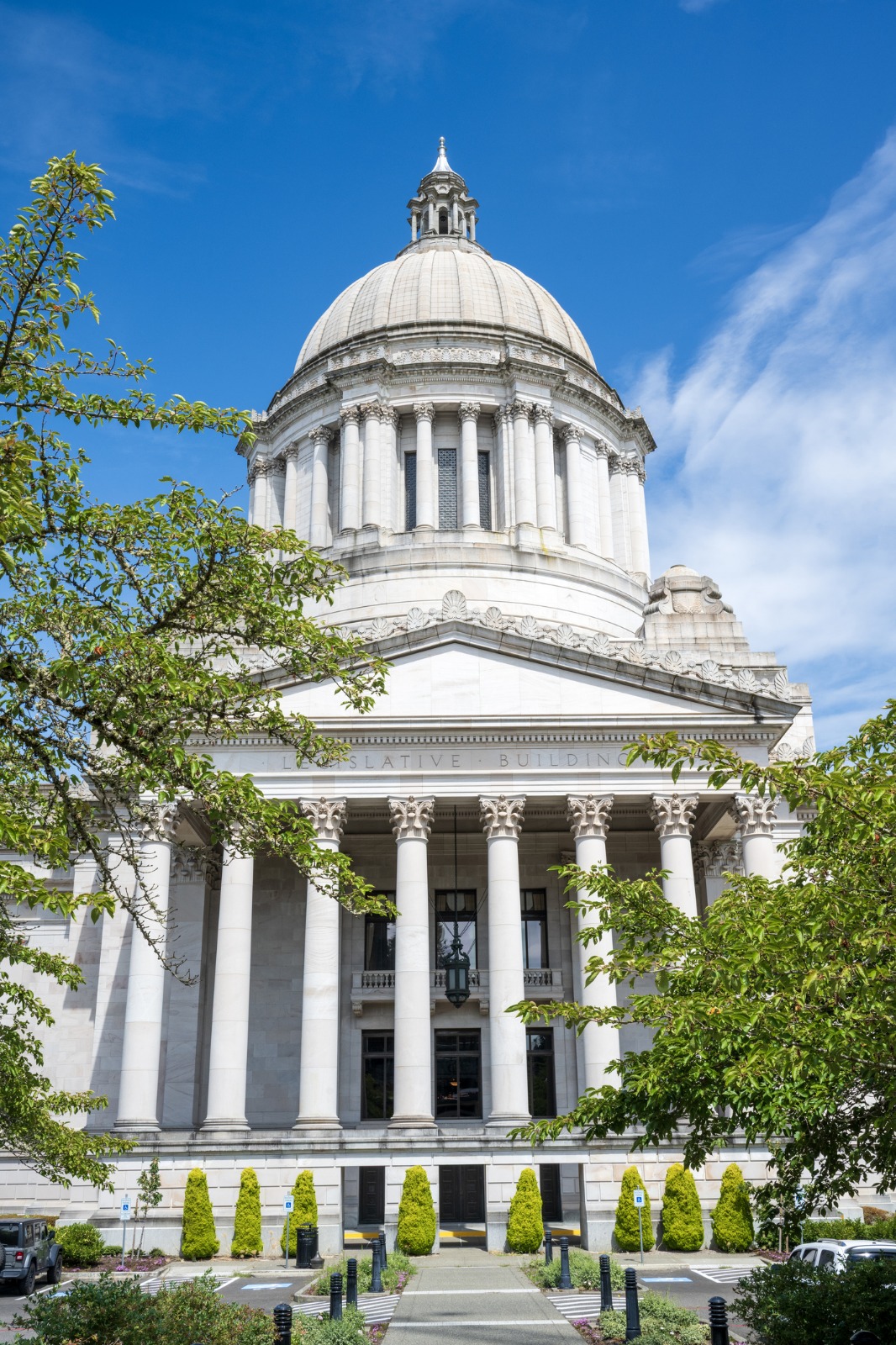
Washington lawmakers are considering expanding the state’s capital gains tax to target startup exits — a move that local founders, investors, and tech leaders warn could dampen innovation, slow job creation, and push entrepreneurs out of the state. The proposal has reignited a deep debate over Washington’s tax structure at a time when the region’s tech ecosystem is under competitive pressure from rival tech hubs nationwide.
Capital Gains Tax Expansion Targets Startup Exits
Washington House Bill 2292 and Senate Bill 6229 — introduced in the state legislature this session — would broaden the state’s existing capital gains tax to include gains from the sale of qualified small business stock (QSBS), even when those gains are currently exempt under federal law. Under current federal tax code, founders, early employees, and investors in early-stage companies can exclude a significant portion of their capital gains after meeting certain holding requirements. The new bills would strip that state exemption, taxing those gains when a startup is sold or goes public.
Depending on equity value, the change could translate into tens to hundreds of thousands of dollars in additional state tax per person, especially on high-growth liquidity events that define startup success.
Local Leaders Call It “Catastrophic” for Innovation
The response from the region’s startup ecosystem was swift and pointed during public testimony. Entrepreneurs, investors, and startup executives framed the proposal as a structural threat to Washington’s competitiveness — one that could dissuade founders from building companies in the state or prompt relocation at the first sign of late-stage growth.
Leslie Feinzaig, a Seattle-based venture investor, described the bills as “catastrophic” for both founders and early employees, urging legislators to reconsider changes to long-standing tax incentives that underpin startup risk-taking. A surge of LinkedIn commentary from tech leaders echoed this view, warning that talent and capital would flow to more tax-friendly states if the proposals become law.
Critics argue that Washington’s unique position — one of the few states without a personal or corporate income tax — has been central to its success nurturing ambitious startups. Altering this balance, they say, undermines that advantage and could begin a decades-long erosion of the region’s entrepreneurial pipeline.
Supporters Highlight Fiscal Needs, Broader Tax Equit
While the opposition has been loud, proponents of the bills argue the change modernizes the tax code to reflect current economic realities and broadens the state’s revenue base. They contend that taxing previously exempt QSBS gains for state purposes helps support critical public services without resorting to more regressive taxes. Some supporters also note that even with the new tax, founders and investors may retain favorable treatment compared with standard federal capital gains rates for many taxpayers.
State legislators backing the bills, including Senate sponsor Noel Frame and a group of House supporters, frame the move as part of broader efforts to stabilize Washington’s fiscal outlook amid budget shortfalls — though implementation details and long-term effects remain hotly contested.

Potential Impact on Startup Strategy and Talent
Tax analysts, legal advisors, and startup practitioners have underscored that the proposal could reshape recruitment, equity compensation, and growth planning. For founders and early employees, knowing that an eventual exit might trigger unexpected state taxes could alter decisions about where to incorporate, where to hire, or how to structure equity incentives long before a liquidity event.
Some industry voices predict that even if the immediate impact is not dramatic, the signal sent by the tax change — that Washington may no longer be as hospitable to high-growth startups — could have a chilling effect on future investment decisions.
A Broader Tax Debate in Washington
This latest proposal lands amid a renewed legislative focus on revenue and tax reform, including discussions around millionaire taxes and other progressive levies aimed at addressing long-term budget challenges. Washington voters recently rejected an initiative to repeal the original capital gains tax, illustrating public ambivalence toward how to balance revenue needs with economic competitiveness.
For now, public hearings remain scheduled in both legislative chambers, and startup leaders are mobilizing testimony and grassroots outreach to influence the outcome. Whether the bills will advance, be amended, or stall entirely remains uncertain — but the debate itself is shaping up to be a defining moment for the region’s innovation economy.


