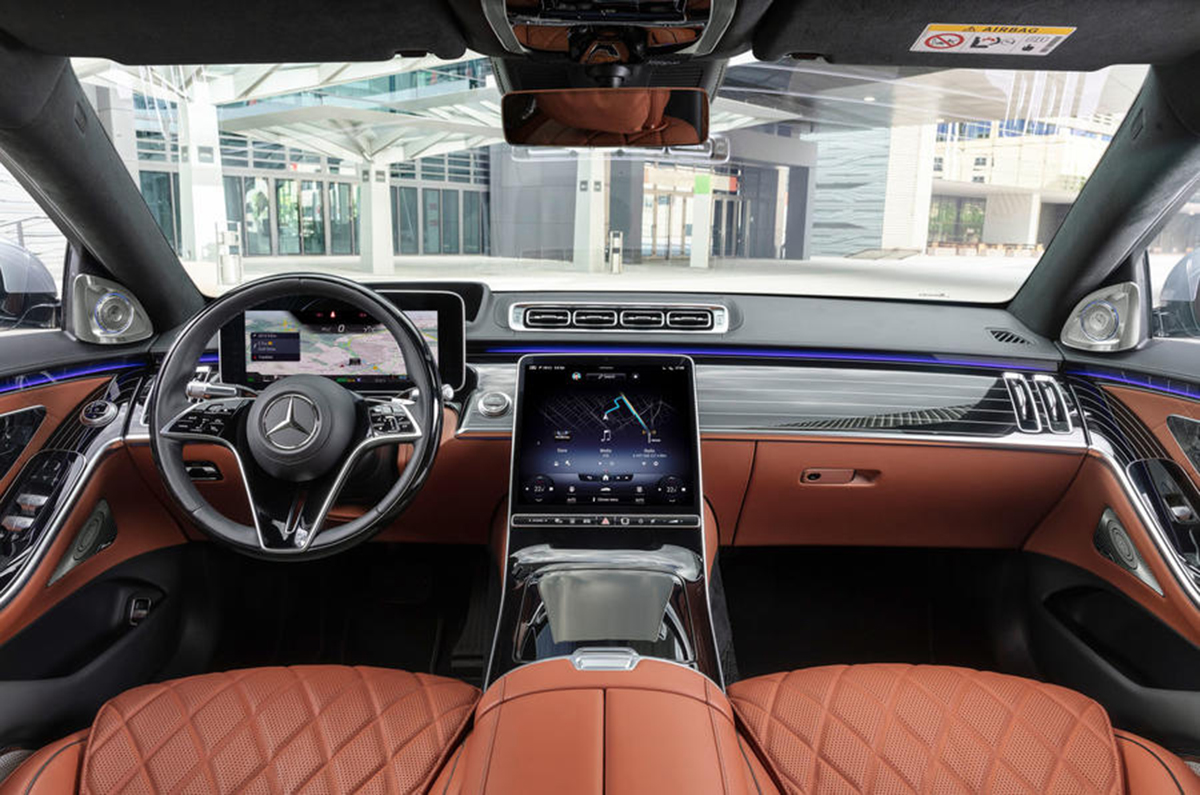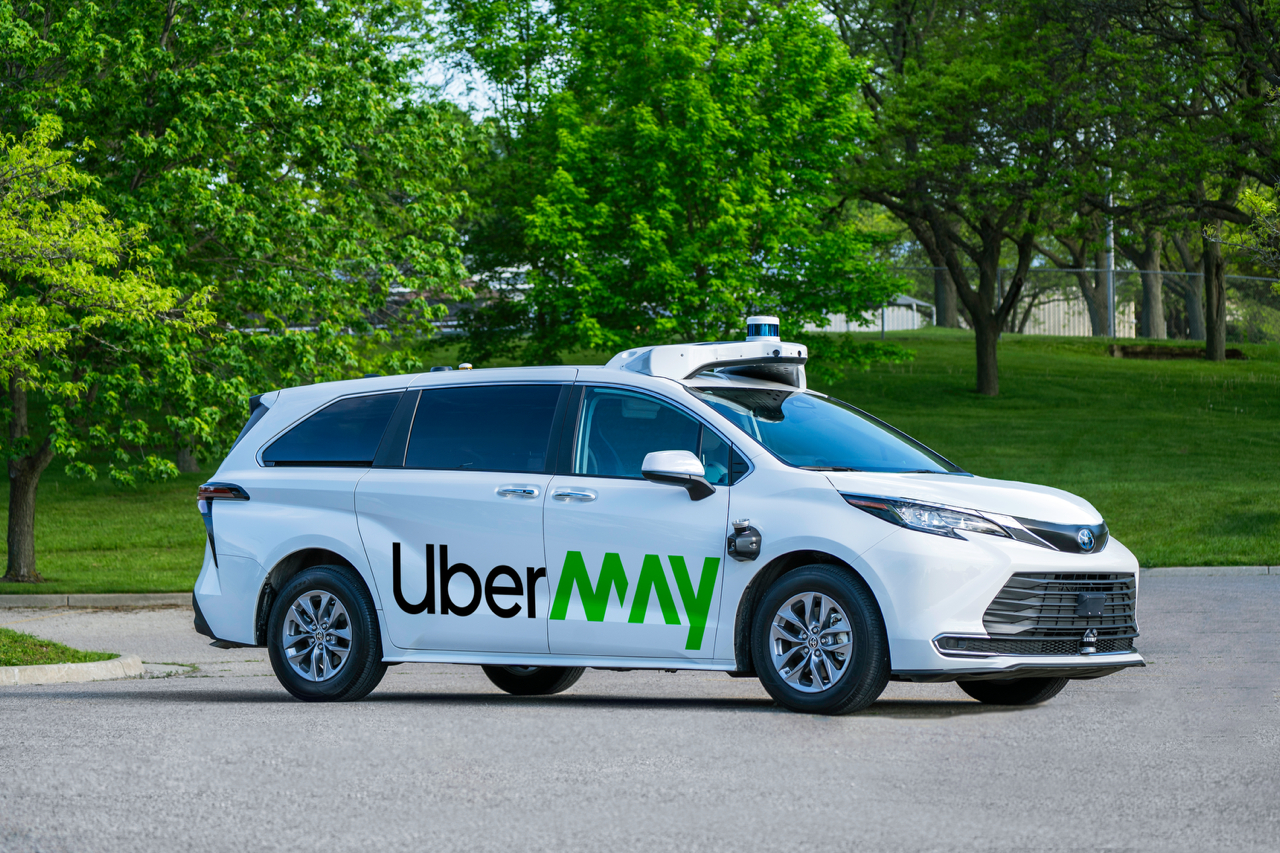
Nvidia, Uber and Mercedes-Benz have announced a strategic collaboration to develop a next-generation robotaxi fleet based on the Mercedes-Benz S-Class. The partnership combines Nvidia’s AI computing stack, Mercedes-Benz’s vehicle engineering, and Uber’s global ride-hailing platform.
A Luxury Sedan Becomes a Testbed for Autonomous Mobility
The global race to commercialise autonomous vehicles is entering a more pragmatic phase, and a new partnership between NVIDIA, Uber, and Mercedes-Benz reflects that shift. The three companies said they will jointly develop a robotaxi fleet built on the Mercedes-Benz S-Class, positioning a high-end production vehicle as the foundation for future autonomous ride-hailing services. Rather than unveiling a purpose-built concept car, the alliance is betting that autonomy can be scaled faster by upgrading an existing luxury platform already designed for safety, comfort and long road lifecycles.
How the Partnership Is Structured
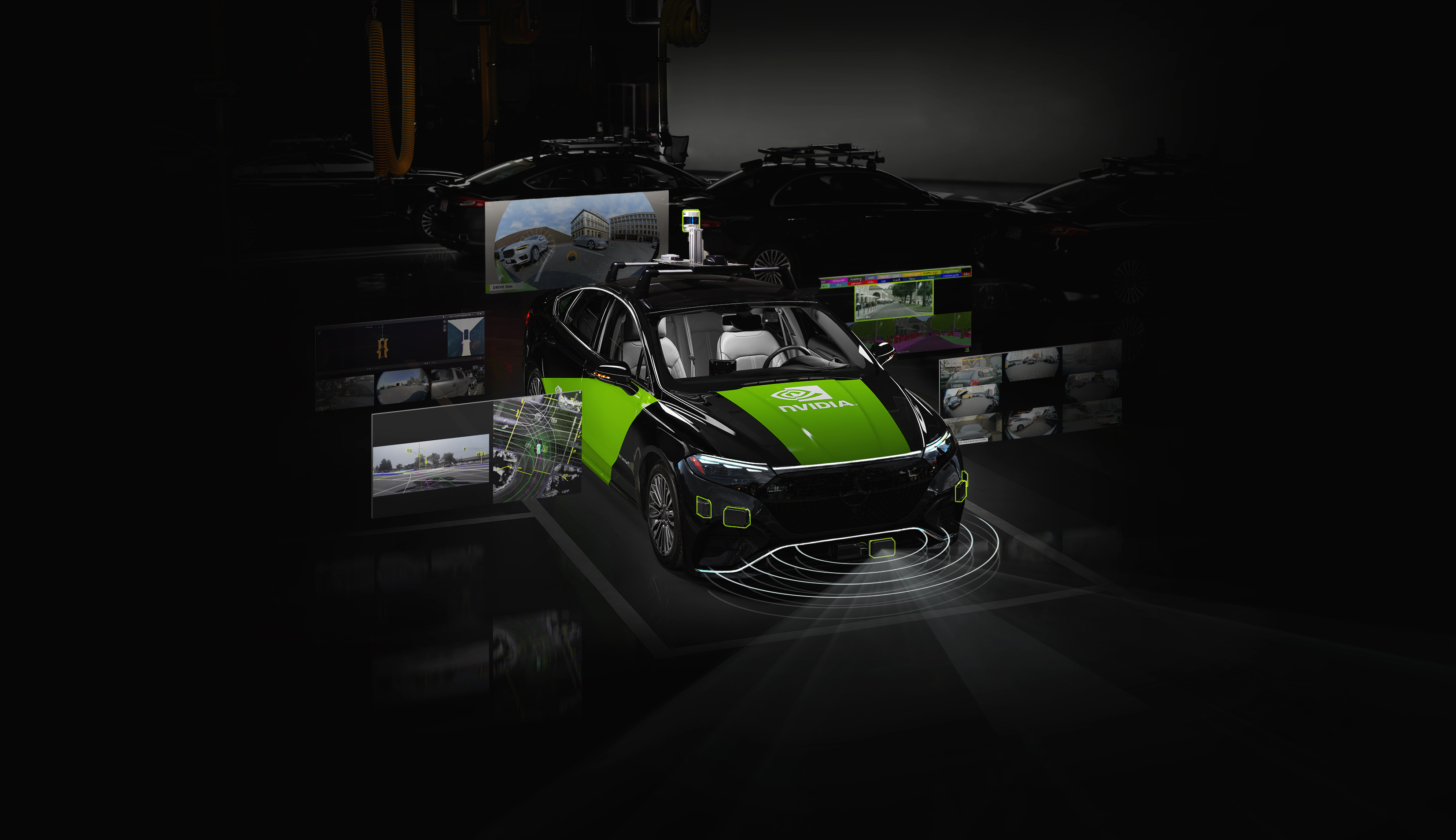
At the core of the collaboration is a clear division of roles. Nvidia will provide the AI computing backbone, including its automotive hardware and software stack used to train, simulate and deploy autonomous driving systems. Mercedes-Benz will contribute vehicle engineering, safety systems and integration of autonomous hardware into the S-Class platform. Uber will serve as the commercial and operational layer, integrating the robotaxi fleet into its ride-hailing network and managing deployment, demand and routing. The companies have not disclosed timelines or commercial terms, but the focus is on building a scalable, production-ready robotaxi architecture rather than running limited pilot experiments.
Why the S-Class Matters
Choosing the S-Class is a strategic signal. Mercedes-Benz’s flagship sedan is already engineered with advanced driver-assistance systems, redundant safety features and premium interiors, making it well-suited for early autonomous services where rider trust and comfort are critical. For Uber, a luxury robotaxi could help reposition autonomous rides as a premium, reliable alternative to human-driven trips, particularly in dense urban markets. For Nvidia, the vehicle becomes a showcase for its end-to-end autonomous platform, strengthening its position as the default AI supplier for the automotive industry.
A Broader Industry Reset on Autonomy
The alliance also reflects a broader reset in autonomous mobility. After years of costly, standalone self-driving programmes, companies are increasingly pooling expertise to reduce risk and accelerate time to market. Uber exited in-house self-driving development in 2020, opting instead for partnerships, while automakers have grown more selective about where they invest in autonomy. Nvidia, meanwhile, has emerged as a neutral technology provider, supplying AI infrastructure to multiple automakers without competing directly in vehicle manufacturing or ride-hailing.
What Comes Next
While details on rollout remain limited, the partnership underscores a shift toward incremental, commercially grounded autonomy. Instead of promising fully driverless cities overnight, Nvidia, Uber and Mercedes-Benz are focusing on production vehicles, proven platforms and existing demand networks. If successful, the S-Class robotaxi fleet could become a template for how autonomous ride-hailing scales globally: fewer bespoke experiments, more integration with real-world vehicles and services, and a tighter alignment between AI, automakers and mobility platforms.