
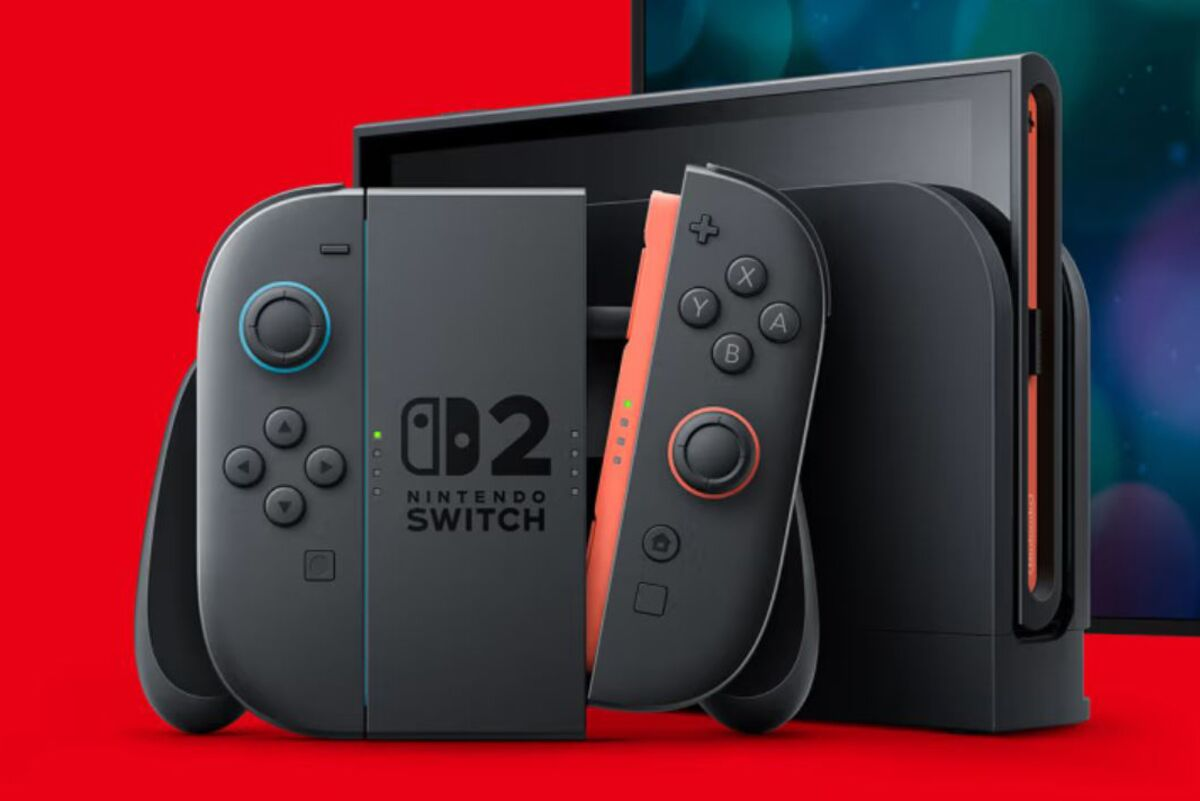
Nintendo and Sony are facing renewed cost pressure as global memory chip prices rise, driven by tighter supply and surging demand from AI and data centre markets. The increase threatens to squeeze margins for game console makers ahead of key product cycles.
Rising memory prices collide with console economics
Global video game giants Nintendo and Sony are coming under fresh pressure as prices for memory components used in gaming consoles continue to climb, complicating manufacturing costs and pricing strategies. According to industry tracking cited by Tech in Asia, both DRAM and NAND flash prices have been trending upward as suppliers tighten output while prioritising higher-margin customers. For console makers, memory is a critical bill-of-materials component, meaning even modest increases can ripple through margins at scale. The timing is particularly sensitive as both companies balance hardware refresh cycles with consumer price sensitivity in a slowing global economy.
Why memory chips are getting more expensive
AI and data centres reshape supply priorities
Memory chipmakers have increasingly redirected capacity toward AI servers and data centres, where demand for high-bandwidth and advanced memory is accelerating. Suppliers including Samsung Electronics, SK Hynix, and Micron Technology are benefiting from stronger pricing power after several quarters of weak demand. As a result, consumer electronics segments such as gaming consoles are no longer the priority customers they once were. This shift has reduced bargaining leverage for hardware makers that rely on large but lower-margin orders.

Supply discipline replaces glut
After years of volatile pricing driven by oversupply, memory manufacturers have adopted stricter production discipline. Capacity additions are being paced more cautiously, limiting excess inventory and supporting higher prices. For Nintendo and Sony, this means less room to negotiate discounts or offset rising component costs through volume commitments, especially if AI-driven demand remains elevated through 2026.
What it means for Nintendo and Sony
For Nintendo, which is widely expected to manage a major hardware transition, higher memory prices could influence component selection, storage configurations, or even launch pricing strategies. Sony faces similar trade-offs as it works to extend the lifecycle of its current console generation while managing profitability across hardware and services. Historically, console makers have been willing to sell hardware at slim margins or even losses to build installed bases, but sustained input cost inflation makes that model harder to maintain. Any attempt to pass costs on to consumers, however, risks dampening demand in price-sensitive markets.

Broader implications for the gaming industry
The pressure on Nintendo and Sony highlights a broader shift in the semiconductor ecosystem, where AI workloads increasingly dictate supply chains and pricing structures. Gaming hardware, once a marquee customer for memory suppliers, now competes with hyperscalers and enterprise buyers with far deeper pockets. For the industry, this could accelerate efforts to optimise memory usage, redesign hardware architectures, or lean more heavily on software and services to offset thinner hardware margins. As memory prices remain elevated, the balance between innovation, affordability, and profitability is likely to become one of the defining challenges for console makers over the next few years.


