
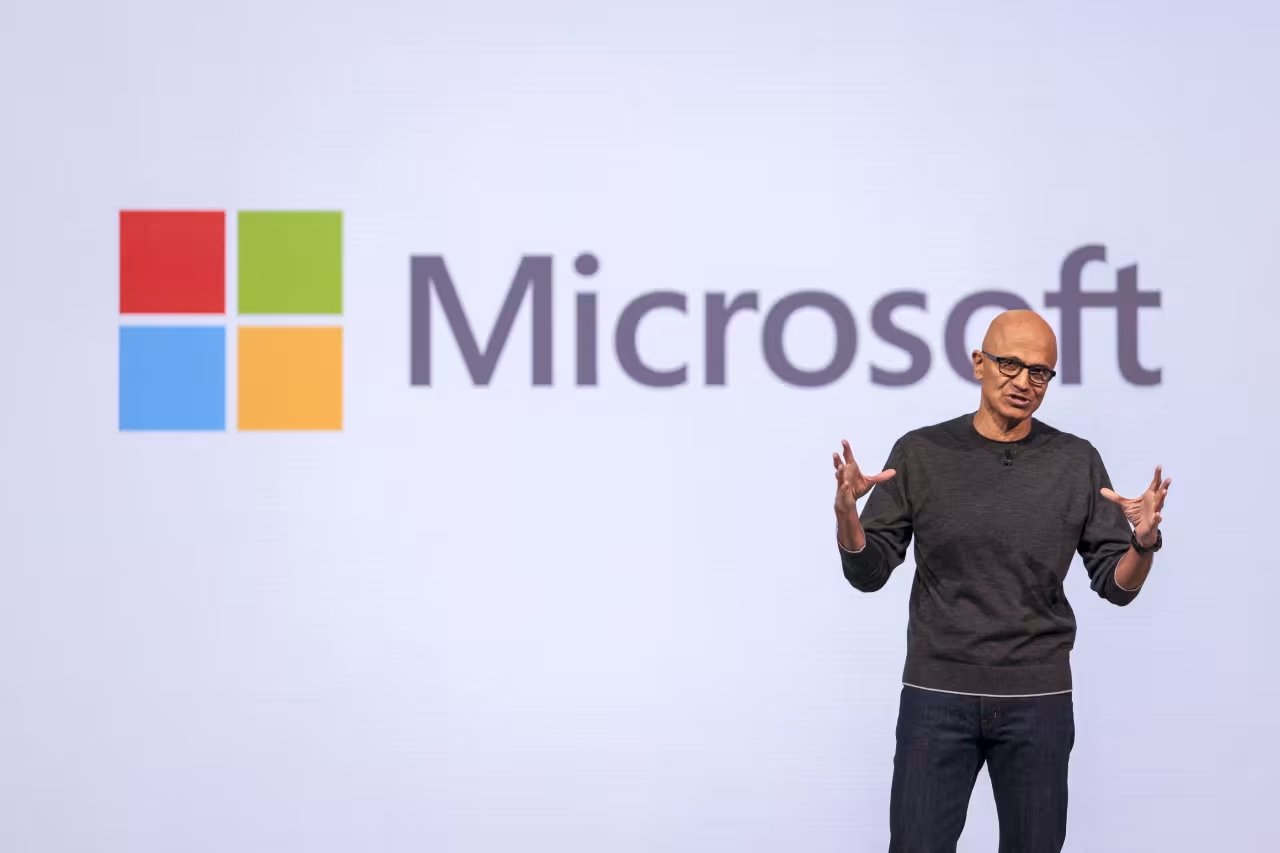
Market Reaction: Historic Drop Despite Earnings Beat
Shares of Microsoft Corporation (MSFT) tumbled sharply on 29 January 2026, erasing roughly $357 billion in market capitalisation in a single session — one of the largest one-day losses in the company’s history. The stock fell about 10 %, leading declines in the technology sector and dragging major indices lower as investors reacted to quarterly results and strategic concerns.
Microsoft’s quarterly earnings did beat consensus expectations on both revenue and earnings, underscoring continued top-line strength. However, investors honed in on more nuanced details: slowing cloud growth, elevated capital expenditure, and heavy spending on AI infrastructure, particularly data-centre build-outs, sparked significant market anxiety.
What Drove the Sell-Off
Most of the recent market pressure traces back to investors’ reassessment of how Microsoft’s core growth drivers are performing:
- Cloud growth slowdown: Azure, a strategic pillar for future revenue, grew at a slower pace than many analysts expected, raising questions about sustained momentum.
- Rising AI and infrastructure costs: Capital expenditures jumped sharply — a reflection of Microsoft’s push to build out capacity for AI workloads — which put near-term profit margins under scrutiny.
- Concentration risk: New disclosures that a substantial portion of Microsoft’s commercial backlog comes from relationships tied to OpenAI have intensified concerns over reliance on a small set of large partners.
This combination of slower-than-expected cloud growth and heavy upfront investment cost has led investors to question the timing and clear monetisation path for Microsoft’s AI-led expansion strategy — even as revenue and profits remain robust.
Broader Market Impact

The stock drop didn’t occur in isolation. Software and technology shares broadly weakened, with major indexes like the Nasdaq Composite and S&P 500 ending lower as tech investors rotated capital and reassessed risk profiles in the sector.
Microsoft’s market cap loss is being compared with historic declines by other tech giants; in some estimates, this rout ranks among the largest valuation drops outside extraordinary market events. The downturn has also reinforced a narrative that investors are becoming more discerning about AI spending versus tangible revenue impact.
What Investors Are Watching Next
Despite the sharp sell-off, many analysts maintain bullish long-term views on Microsoft’s fundamentals, noting that the company’s revenue and earnings remain strong and diversified. However, the stock’s reaction underscores an increasingly short timeframe for big tech to demonstrate that heavy investment in AI and cloud infrastructure will translate into durable margin expansion and scalable monetisation.
Upcoming earnings from other “Magnificent Seven” peers and macroeconomic data will be key reference points for market sentiment as investors navigate a period where even solid top-line performance may not suffice without clear execution on growth drivers.


