
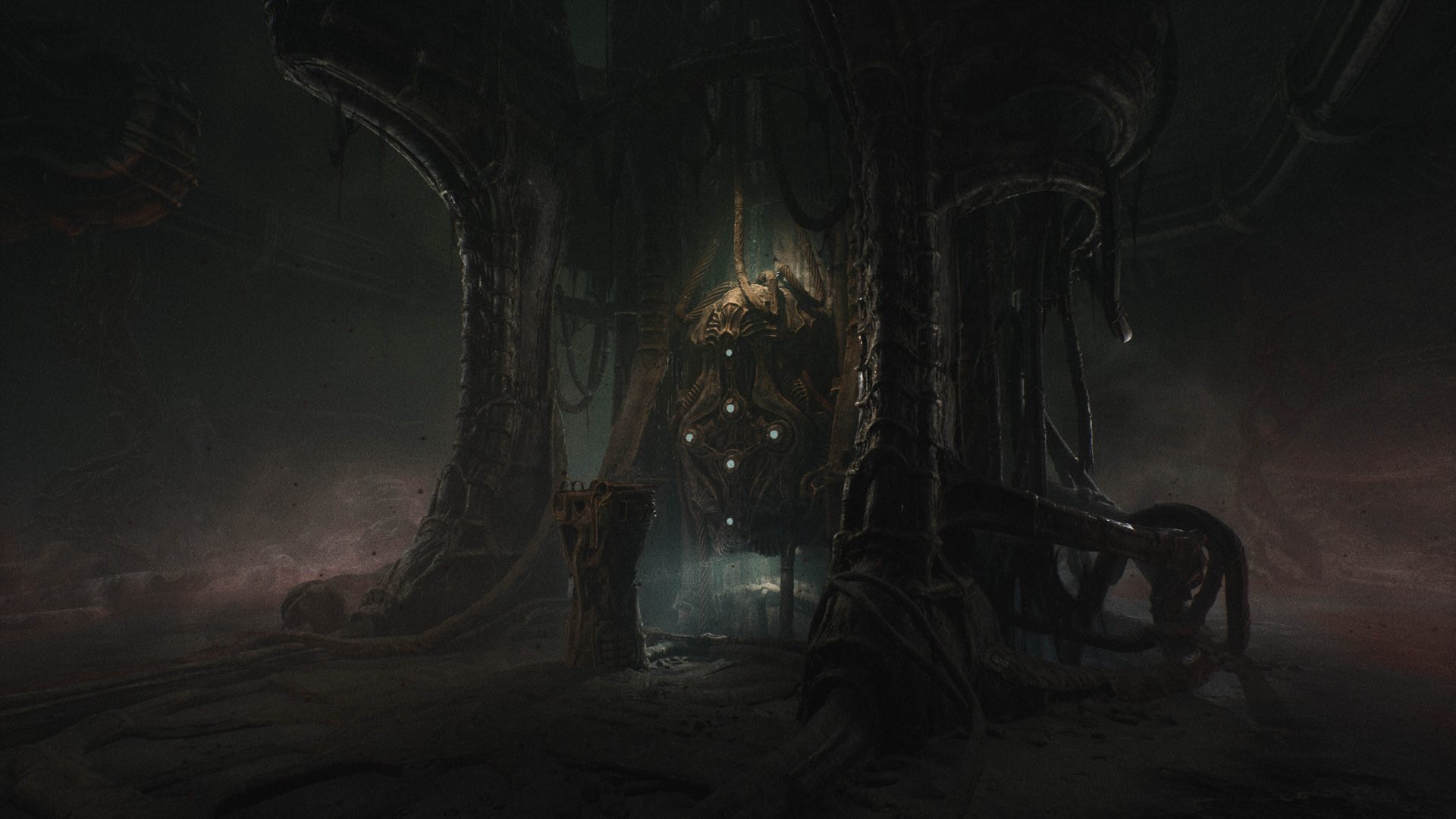
Parasite’s Cake is an experimental indie title that intentionally leans into discomfort, using mechanical friction and unsettling themes as core design elements rather than flaws.
At a time when most games are optimized for smoothness and player empowerment, Parasite’s Cake is moving in the opposite direction — deliberately.
The game, recently spotlighted in critical circles, positions discomfort not as a side effect but as a design goal. Progress is intentionally awkward, feedback is often opaque, and the tone veers toward the unsettling rather than the entertaining. It’s a reminder that not all games are meant to be “fun” in the conventional sense.
Why friction matters here
Rather than smoothing over rough edges, Parasite’s Cake uses them to reinforce its themes. Controls resist mastery, systems feel slightly unreliable, and outcomes are not always clearly telegraphed.
That approach aligns with a broader strain of indie development that treats games as experiential art rather than power fantasies. In this framing, frustration becomes a narrative tool.
For players conditioned by decades of user-friendly design, the result can be jarring — and that appears to be the intent.
A growing appetite for challenging design
Parasite’s Cake fits into a lineage of indie games that reject constant reward loops in favor of emotional or psychological impact. These projects rarely reach mass audiences, but they often exert outsized influence on critical discourse and experimental design.
As the indie scene matures, titles like this suggest there is still room for games that challenge player comfort — not through difficulty alone, but through tone, pacing, and ambiguity.



