Apple’s latest AirTag updates have renewed debate over privacy, consent, and tracking safeguards. While Apple frames the changes as safety improvements, critics argue they expose limits in the company’s privacy-first narrative.
The company has spent years positioning itself as the tech company that takes privacy seriously. That framing is now being tested again — this time by the evolution of AirTag.
Recent updates to Apple’s item-tracking product have reignited familiar concerns about unwanted surveillance, stalking, and misuse. While Apple has introduced safeguards and alerts designed to reduce abuse, critics argue that the fundamental tension remains unresolved: a powerful tracking tool is still, by definition, easy to misuse.
The question is no longer whether Apple is aware of the problem. It’s whether awareness is enough.
AirTag and the limits of “privacy by design”
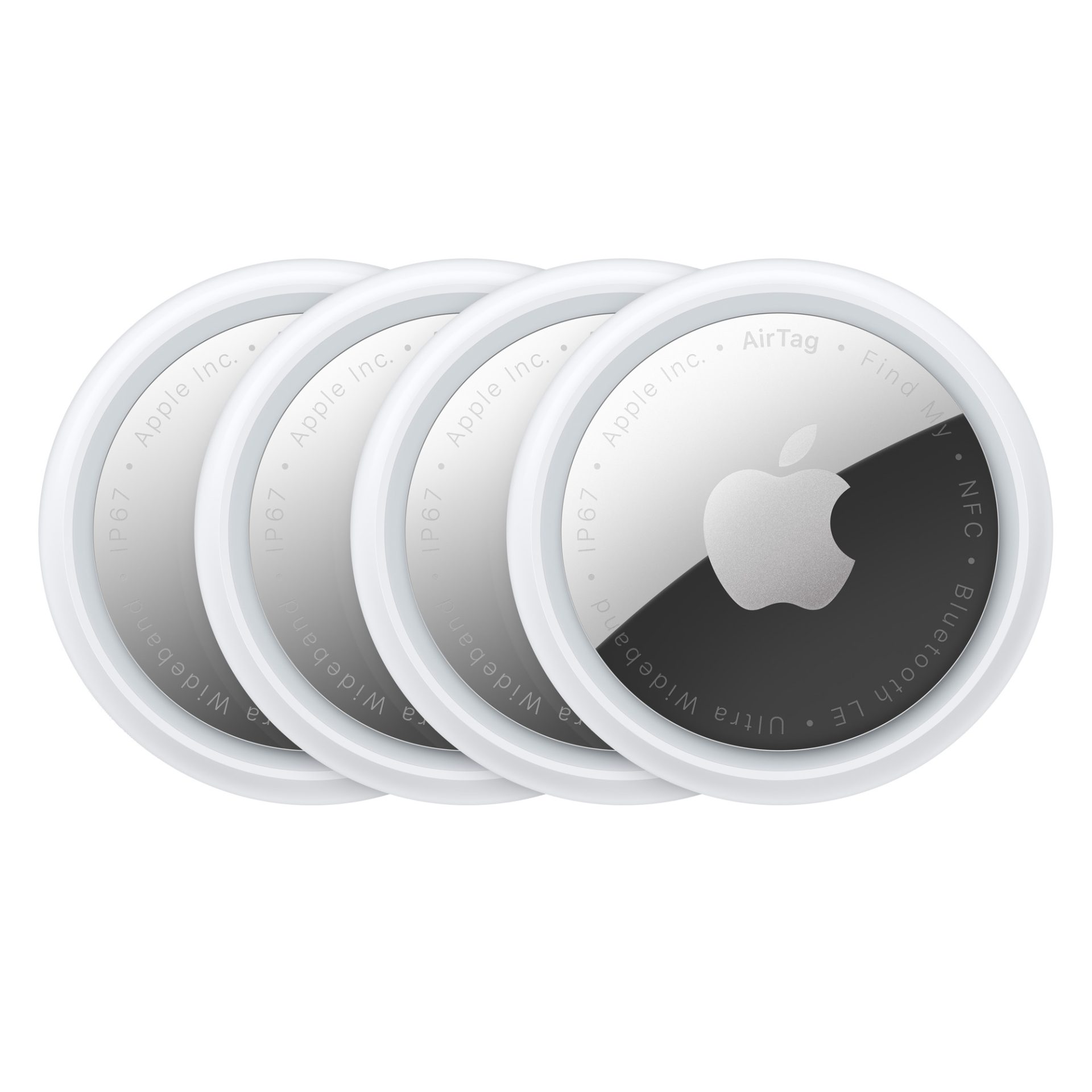
AirTag was launched as a convenience product — a way to locate keys, bags, and luggage. Almost immediately, it became clear that the same features enabling precision tracking could also enable harm.
Apple has since added:
- Audible alerts
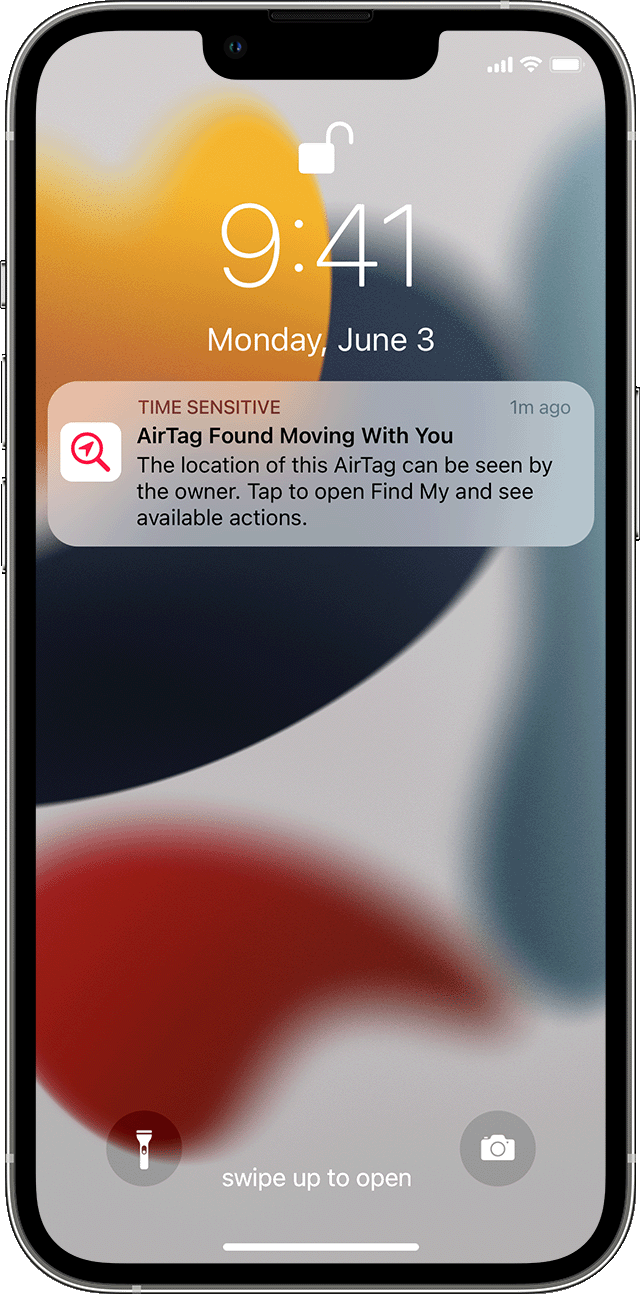
- iPhone notifications for unknown trackers
- Faster warning timelines
Yet advocacy groups argue these measures are reactive rather than structural. They reduce harm after tracking has begun, rather than preventing misuse outright.
For a company led by Tim Cook, whose public messaging has repeatedly framed privacy as a moral stance, that distinction matters.
Why trust erosion is harder to quantify than engagement
The company does not sell user data, does not monetize ads at scale, and does not operate a surveillance-driven business model. That gives it credibility — but also raises expectations.
Each AirTag controversy chips away not at Apple’s revenue, but at its reputation. And reputational damage is difficult to measure, let alone reverse.
Consumers may continue buying iPhones and accessories while quietly recalibrating how much they believe Apple’s privacy claims. Trust loss is rarely binary; it accumulates.
A different standard applies to Apple
If another consumer electronics company released AirTag, backlash would be expected but limited. Apple faces a higher bar precisely because it has set one.
For the company, the AirTag debate underscores a broader reality: building tools that interact with the physical world carries ethical consequences that software-only safeguards cannot fully contain.
The unresolved question
The company will likely continue refining AirTag’s safety features, and regulators have so far stopped short of major intervention. But the reputational calculus is ongoing.
You can’t track lost luggage with an AirTag — but you also can’t easily track how many users quietly lose confidence.
And in a company that trades so heavily on trust, that may be the hardest metric of all.