
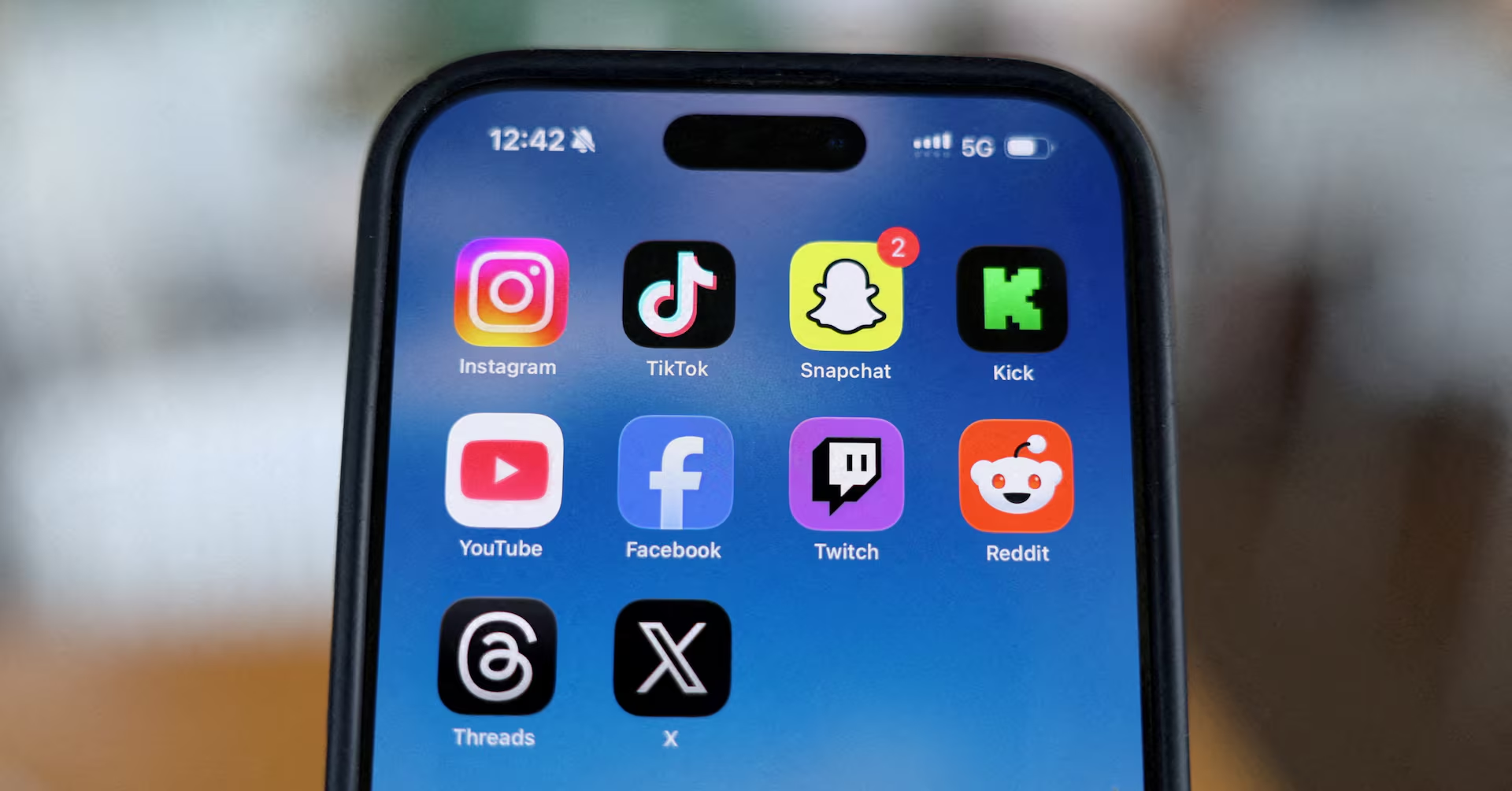
A close ally of Indian Prime Minister Narendra Modi has proposed banning social media use for teenagers, intensifying a global debate over how governments should regulate youth access to digital platforms.
A proposal from a senior political ally of Indian Prime Minister Narendra Modi to restrict or ban teenagers from using social media has pushed India into the center of a widening global debate over youth online safety.
The proposal, raised publicly by a member of Modi’s governing circle, does not yet represent official government policy. But its emergence reflects growing political anxiety — in India and elsewhere — about the impact of social media on mental health, attention, and child development.
India is home to hundreds of millions of young internet users, making any shift in policy potentially consequential not just domestically, but globally.
Why the proposal matters in India

India is one of the world’s largest social media markets, with platforms such as Instagram, YouTube, and WhatsApp deeply embedded in daily life. Teenagers represent a critical growth demographic for these companies.
A ban or age-based restriction would raise immediate questions about:
- Enforcement at scale
- Age verification mechanisms
- Digital inclusion and access
For Narendra Modi, whose government has already shown willingness to regulate digital platforms aggressively, the idea fits a broader pattern of assertive tech governance.
Part of a global policy shift

India’s debate echoes similar discussions underway in the US, Europe, and Australia, where lawmakers are exploring stricter age limits, parental consent requirements, and design restrictions aimed at minors.
What distinguishes India is scale. Even exploratory proposals there can reshape global product decisions, particularly for platforms that rely on emerging markets for future growth.
Technology companies argue that outright bans risk pushing teens toward less regulated spaces. Advocates counter that voluntary safeguards have failed to keep pace with platform incentives.
What happens next
The proposal has not yet been formalized into draft legislation, and Indian officials have emphasized that discussions are ongoing.
Still, the public nature of the suggestion suggests the political Overton window is shifting. For social media companies, India is no longer just a growth market — it is becoming a regulatory bellwether.


