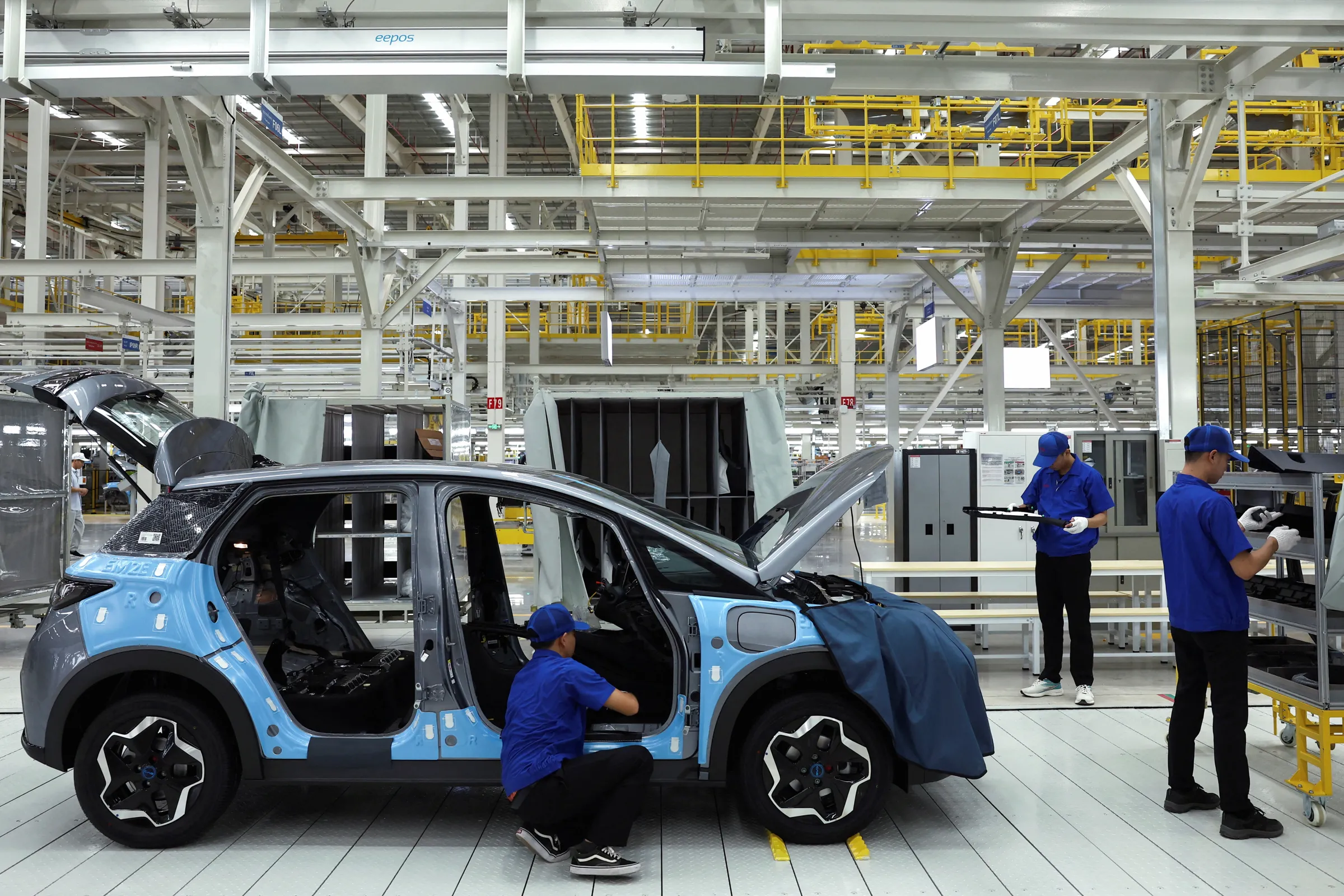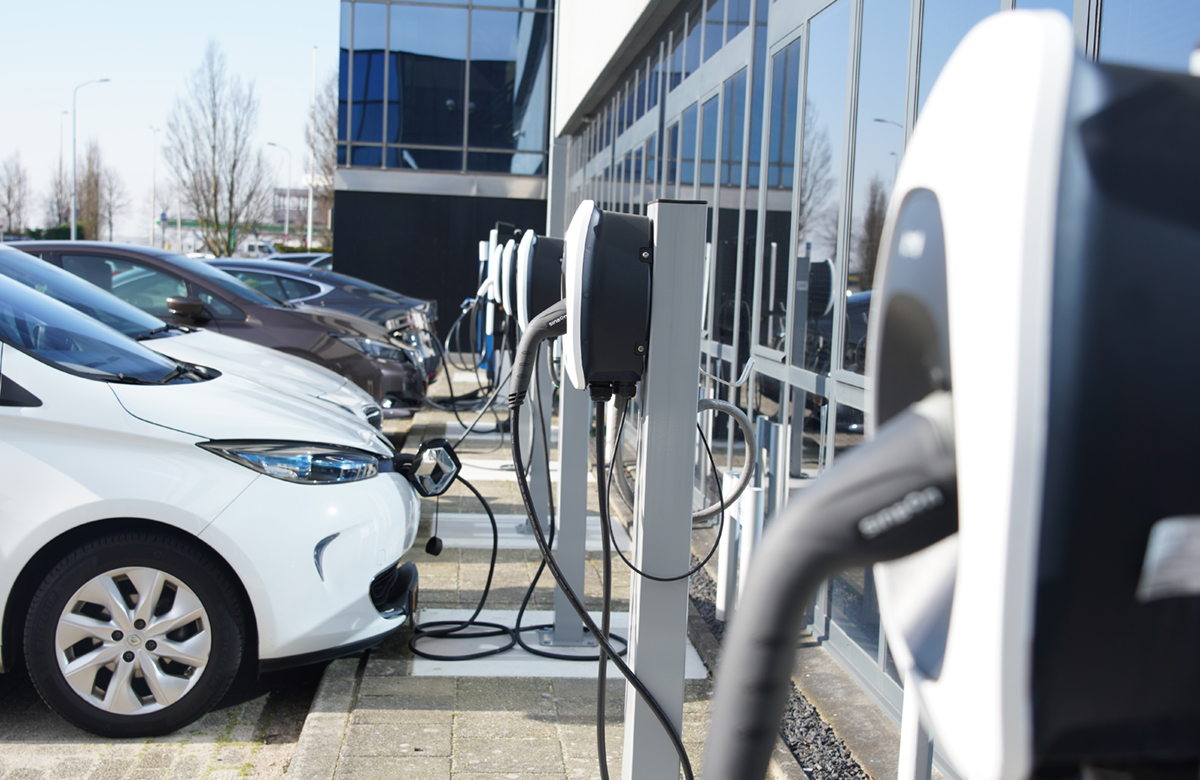
Thailand is weighing higher EV charging prices, a move that could test consumer confidence and slow adoption in a market positioning itself as an Electric Vehicle manufacturing hub.
Thailand’s push to become Southeast Asia’s electric vehicle hub is facing a familiar challenge: economics.
Authorities are reportedly considering raising Electric Vehicle charging prices, a move that could undermine one of the strongest consumer incentives for switching away from internal combustion engines.
Why charging costs matter disproportionately
Electric Vehicle adoption hinges not just on vehicle prices, but on total cost of ownership. Affordable charging has been central to Thailand’s EV narrative.
Higher prices risk:
- Reducing savings versus petrol vehicles
- Slowing first-time adoption
- Affecting ride-hailing and fleet economics
For cost-sensitive consumers, even modest increases can shift behaviour.
The infrastructure balancing act

Charging operators face rising electricity costs and infrastructure investment needs. Governments, meanwhile, want rapid adoption without unsustainable subsidies.
Thailand’s dilemma reflects a broader regional challenge: how to price Electric Vehicle charging fairly while scaling infrastructure.
Strategic implications for Thailand
Thailand has attracted Chinese and global EV manufacturers with incentives and industrial policy. Slower domestic adoption could weaken the ecosystem those manufacturers rely on.
Policy alignment between manufacturing ambition and consumer economics will be critical.
A cautionary signal
Thailand’s charging debate underscores a broader truth: Electric Vehicle transitions are fragile in their early stages.
Infrastructure pricing decisions can accelerate adoption — or quietly stall it.