AI-powered notetaker hardware — from pins to pendants — is gaining traction as companies experiment with always-on, voice-first computing. The trend highlights both new productivity use cases and fresh privacy concerns.
A new category of AI hardware is quietly emerging — devices designed not to replace smartphones, but to listen, record, and remember on behalf of users.
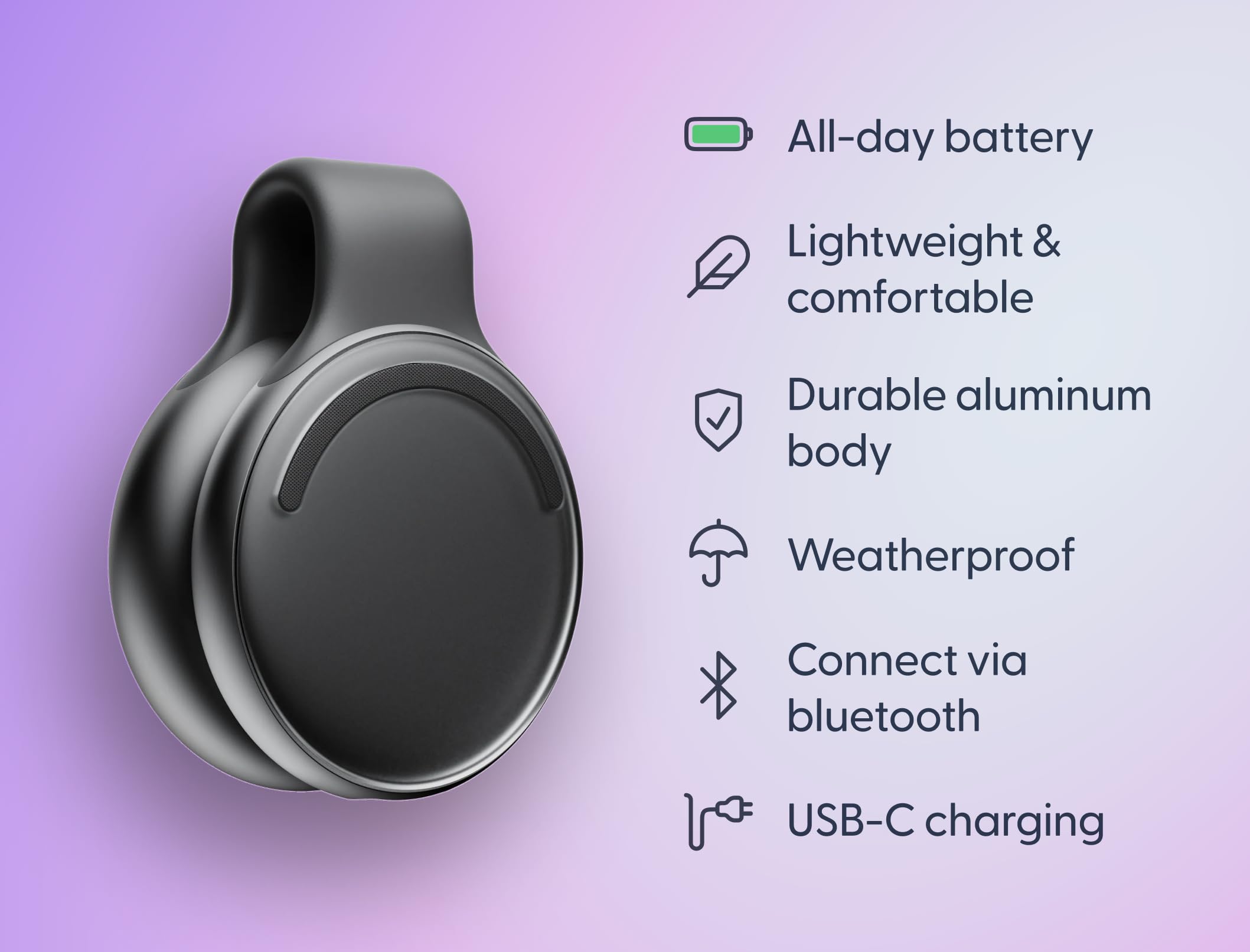
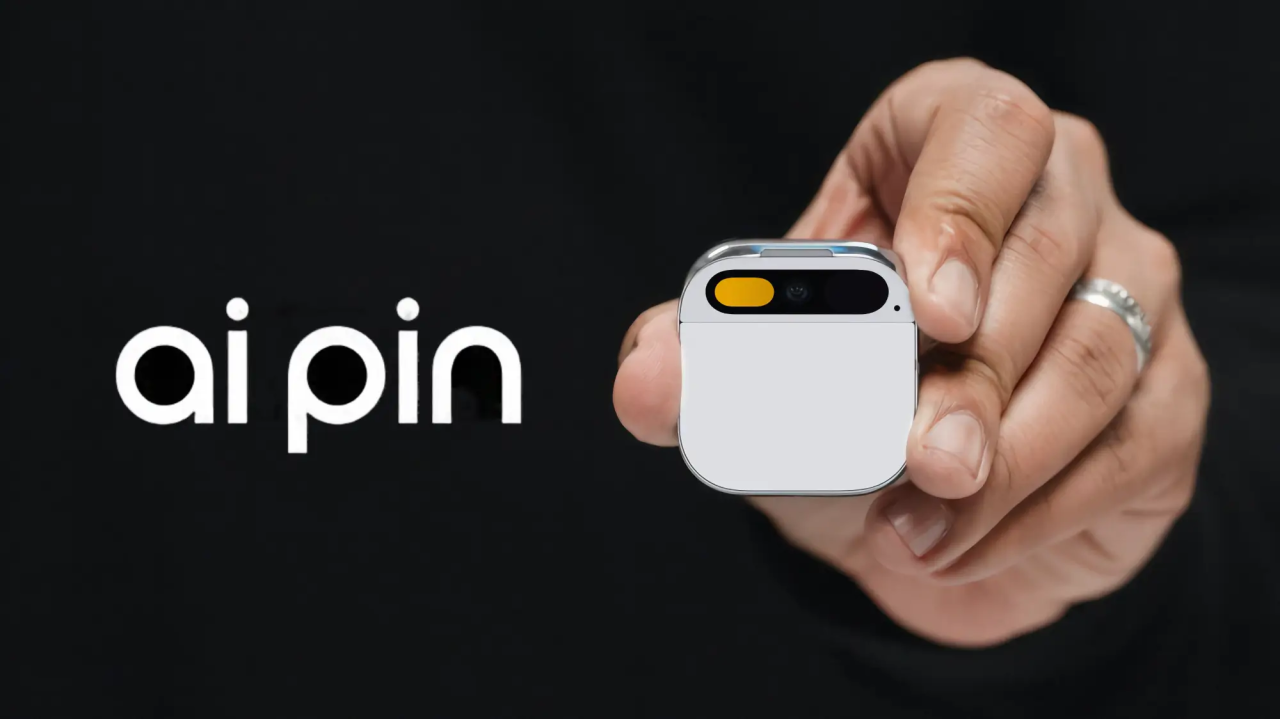
AI-powered notetakers, often worn as pins, pendants, or clip-on devices, promise continuous transcription, summarisation, and contextual recall. Unlike traditional productivity tools, these devices are designed to fade into the background, operating passively while capturing conversations, meetings, and ideas.
This design philosophy places them squarely in the realm of ambient computing.
From active input to passive capture
The appeal of AI notetakers lies in reducing cognitive load. Users no longer need to decide when to take notes or press record. Instead, the device acts as an always-on memory layer, powered by speech recognition and large language models.
Proponents argue this unlocks:
- Better recall of meetings and conversations
- Reduced distraction during discussions
- Automatic documentation for work and study
The form factor — discreet and wearable — is key. These devices are meant to be forgotten, not interacted with.
Hardware’s second chance in AI
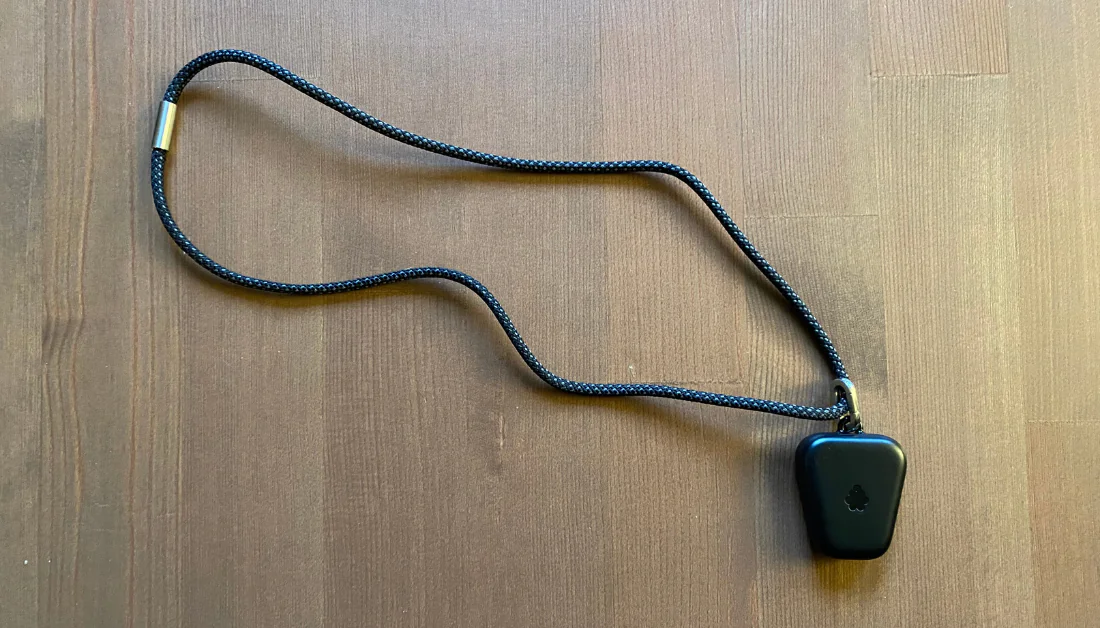
After years of failed attempts at standalone AI hardware, notetakers represent a narrower, more pragmatic ambition. Rather than replacing phones or laptops, they complement existing devices.
This restraint reflects a broader lesson from past failures: AI hardware succeeds when it solves one clear problem exceptionally well.
Still, challenges remain. Battery life, accuracy in noisy environments, and integration with workflows will determine whether these devices stick.
Privacy is the unresolved question
Always-on microphones raise immediate ethical and legal concerns. Recording conversations — even unintentionally — intersects with consent laws, workplace policies, and social norms.
Manufacturers are responding with:
- Visible recording indicators
- On-device processing
- User-controlled data retention
Whether these safeguards are sufficient remains an open question.
AI notetakers may be useful. Whether they become socially acceptable is a harder problem — and one that will shape the future of ambient AI.