
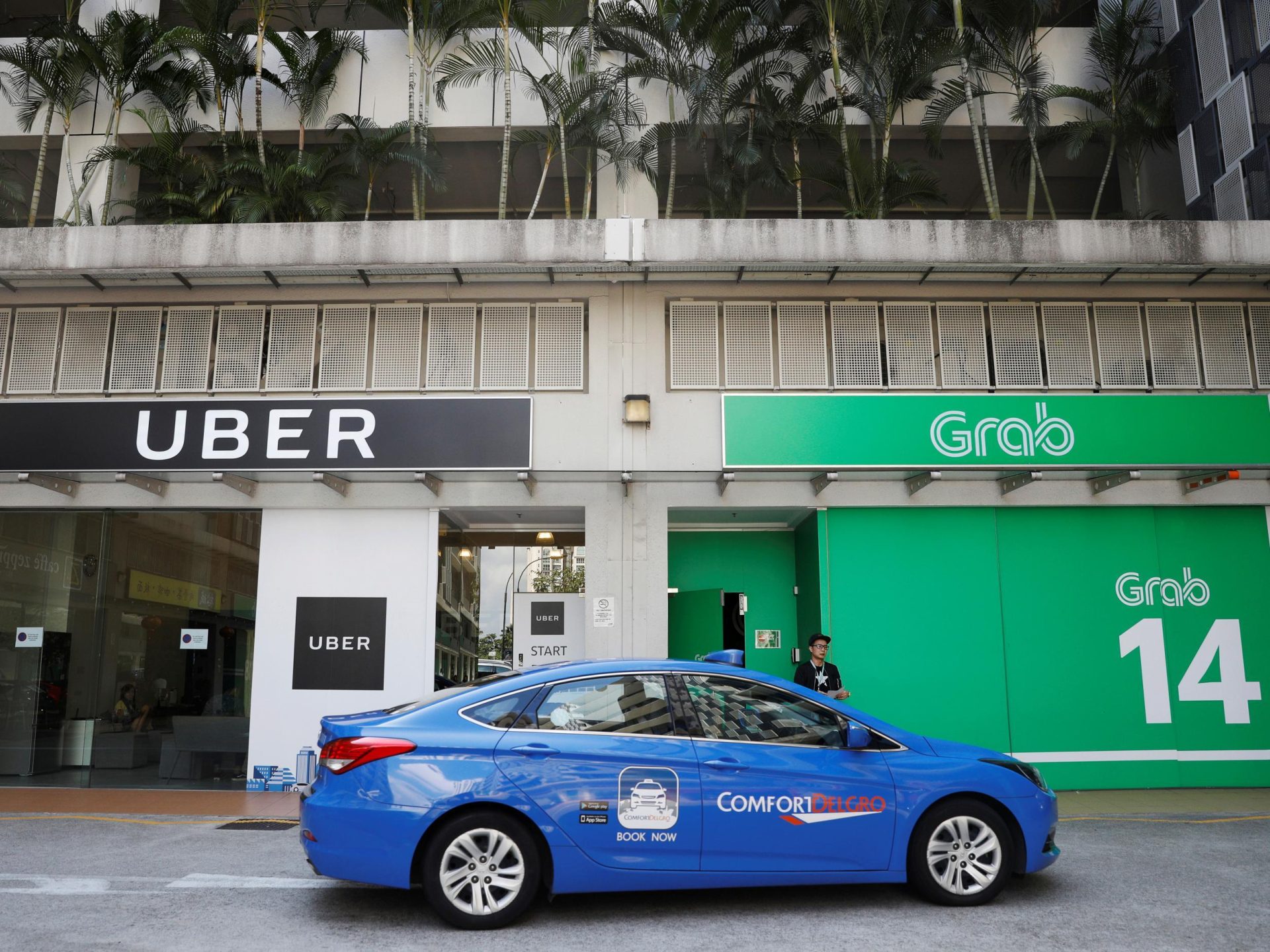
Uber has relaunched ride-hailing services in Macao after years of absence, signaling renewed confidence that regulatory and market conditions can now support platform-based mobility.
Uber is returning to Macao — a market it exited years ago amid regulatory headwinds — marking a cautious re-entry into one of Asia’s most tightly controlled transport environments.
For Uber, the relaunch is less about market size and more about regulatory proof. Macao’s compact geography and conservative transport policies have historically limited ride-hailing platforms, favoring licensed taxis and tightly managed fleets.
Why Macao matters symbolically
Macao is not a volume market like Hong Kong or Singapore. Instead, it represents a regulatory stress test. Authorities in the region have traditionally viewed ride-hailing as a disruption to public order and employment stability.
Its return suggests that:
- Regulatory frameworks may have softened
- Compliance-first models are gaining traction
- Platform operators are adapting to local rules
Unlike earlier expansion phases, the company’s current strategy prioritizes negotiation over confrontation.
A changed Uber strategy

Globally, Uber has shifted from aggressive market entry to regulatory collaboration. The company now emphasizes:
- Driver licensing compliance
- Data sharing with authorities
- Integration with local transport policies
In Macao, the company’s relaunch reportedly reflects these adjustments, aligning service availability with permitted operating models rather than pushing for blanket access.
Competitive and policy implications
If the company succeeds in Macao, it could influence other restrictive Asian jurisdictions reconsidering ride-hailing frameworks. Conversely, a failed relaunch would reinforce skepticism toward platform-based mobility.
The move underscores a broader recalibration: growth is no longer about geography alone, but about governance.



