
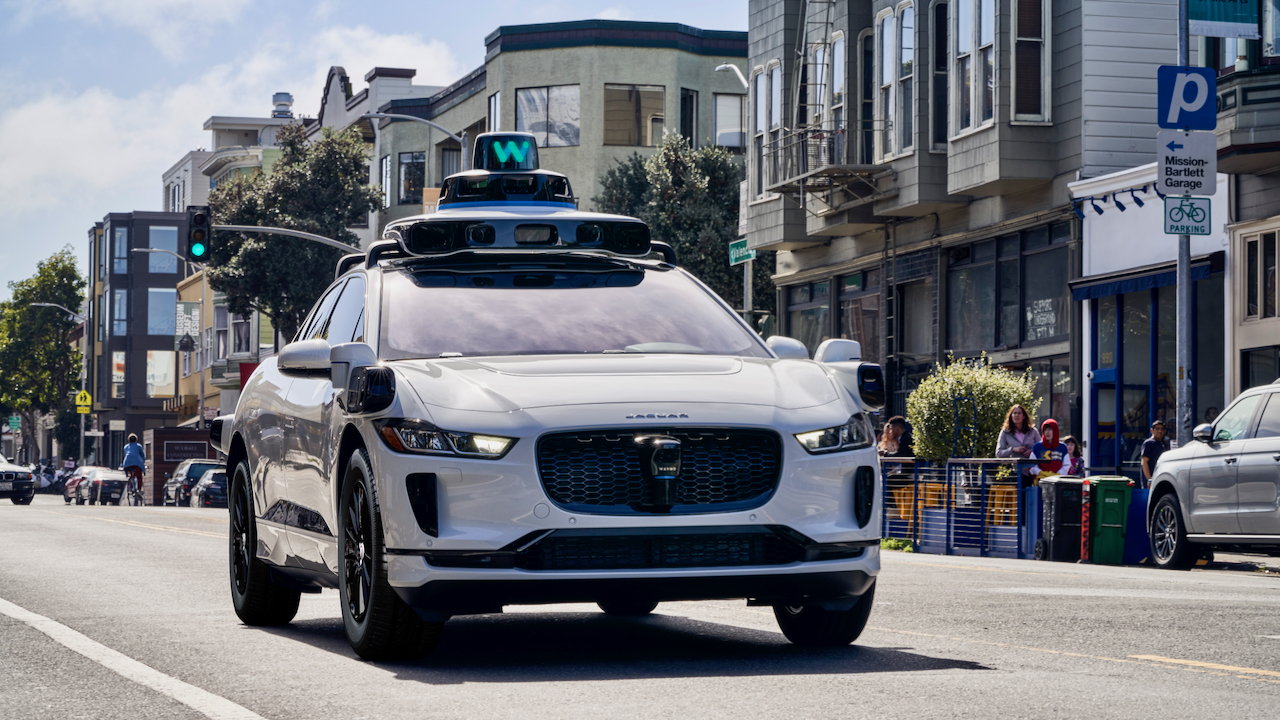
Waymo has raised $16 billion to accelerate the global rollout of its robotaxi fleet, with London and Tokyo identified as priority expansion markets. The funding underscores growing confidence in autonomous ride-hailing as a scalable business.
Waymo’s $16 billion funding round marks one of the largest capital injections yet into autonomous mobility — and signals that the long-promised robotaxi era is shifting from experimentation to global execution.
Backed by Alphabet, Waymo has spent more than a decade refining self-driving technology. What distinguishes this latest raise is not just its size, but its intent: scaling operations beyond US testbeds into complex international cities such as London and Tokyo.
Why London and Tokyo matter
London and Tokyo are not easy markets. Both feature dense urban layouts, heavy pedestrian traffic, unpredictable driving behaviors, and strict regulatory oversight.
If Waymo can operate reliably in these environments, it strengthens the argument that autonomous driving has reached commercial maturity.
These cities also offer:
- High ride-hailing demand
- Strong public transit integration
- Regulatory credibility
Success in either market would have global signaling value.
From pilot to platform
Waymo’s early deployments focused on geofenced areas in US cities. The new funding enables a transition from pilots to platforms — fleets large enough to meaningfully replace human-driven rides.
Key cost drivers include:
- Vehicle procurement and retrofitting
- Sensor and compute hardware
- Mapping and localization updates
- Regulatory and insurance frameworks
At scale, however, robotaxis promise structurally lower operating costs than human-driven services.
A bet on autonomy economics

Skeptics have long argued that autonomous driving would remain stuck in perpetual beta. Waymo’s raise challenges that narrative.
Autonomy economics hinge on utilization. A robotaxi can theoretically operate nearly 24/7, spreading capital costs across far more trips than a human driver.
That math only works at scale — which this funding is designed to unlock.
Competitive landscape
Waymo faces competition from Tesla, Cruise, and Chinese AV players, but remains widely regarded as the most technically advanced.
The difference now is speed. With billions in fresh capital, Waymo is signaling it intends to move faster — before regulatory windows close or competitors catch up.
The long road ahead
Regulatory approval, public trust, and infrastructure integration remain hurdles. But this funding round reframes the conversation: autonomy is no longer a question of “if,” but “where first — and how fast.”



