Rival social media platforms are accelerating user acquisition and creator incentives following a major U.S. ownership change, seeking to capitalise on uncertainty around platform governance and strategy.
A change in U.S. ownership at a major social media platform has triggered a predictable but consequential response across the consumer internet: rivals are moving fast to attract users, creators, and advertisers who may be unsettled by the transition.
While ownership changes do not automatically alter user behaviour, they often create a window of uncertainty — around moderation rules, product direction, and geopolitical exposure — that competitors are eager to exploit.
Why ownership changes matter
For large social platforms, ownership is not just a financial matter. It shapes:
- Content moderation philosophy
- Relationships with regulators
- Data governance and compliance posture
In the current environment, where platforms face heightened scrutiny from governments and advertisers alike, even subtle shifts in governance can prompt creators and brands to reassess their exposure.
How rivals are responding
Competing social platforms are rolling out targeted initiatives, including:
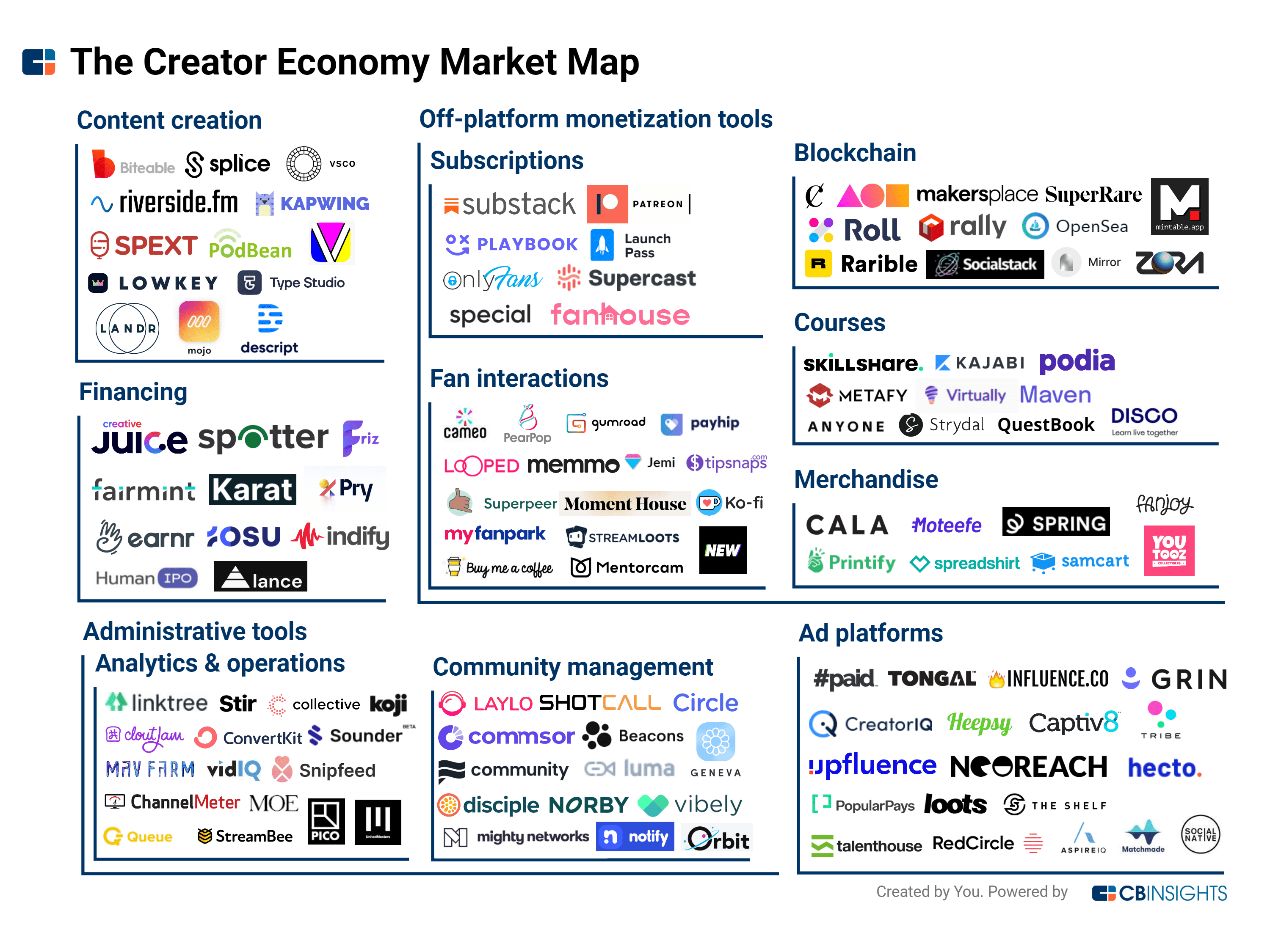
- Creator bonuses and revenue guarantees
- Easier content migration tools
- Messaging emphasising stability and transparency
Some rivals are also positioning themselves as “neutral” or “creator-first” alternatives, contrasting their governance structures with platforms undergoing ownership transitions.
Creators are the first movers

Historically, creators respond faster than general users to social platforms uncertainty. Their livelihoods depend on:
- Predictable monetisation
- Algorithmic stability
- Brand safety assurances
Even small signals of disruption can push creators to diversify their presence — often benefitting rival platforms even if no mass exodus occurs.
Advertisers watch closely

Brands tend to be more cautious than users. Ownership changes can raise questions about:
- Policy enforcement consistency
- Reputational risk
- Alignment with regional regulations
As a result, advertisers often test alternative platforms during periods of transition, reallocating small portions of spend rather than making abrupt exits.
Not all shifts lead to decline
History suggests that most ownership changes do not immediately undermine dominant platforms. Network effects, habit, and scale provide strong defenses.
However, they can accelerate long-term fragmentation — gradually weakening exclusivity rather than triggering sudden collapse.
The bigger platform lesson
In the platform economy, moments of uncertainty are rarely decisive on their own. But they create optionality — for creators, advertisers, and competitors.
Rival apps understand this dynamic well. Their goal is not to replace incumbents overnight, but to be ready if trust erodes incrementally.