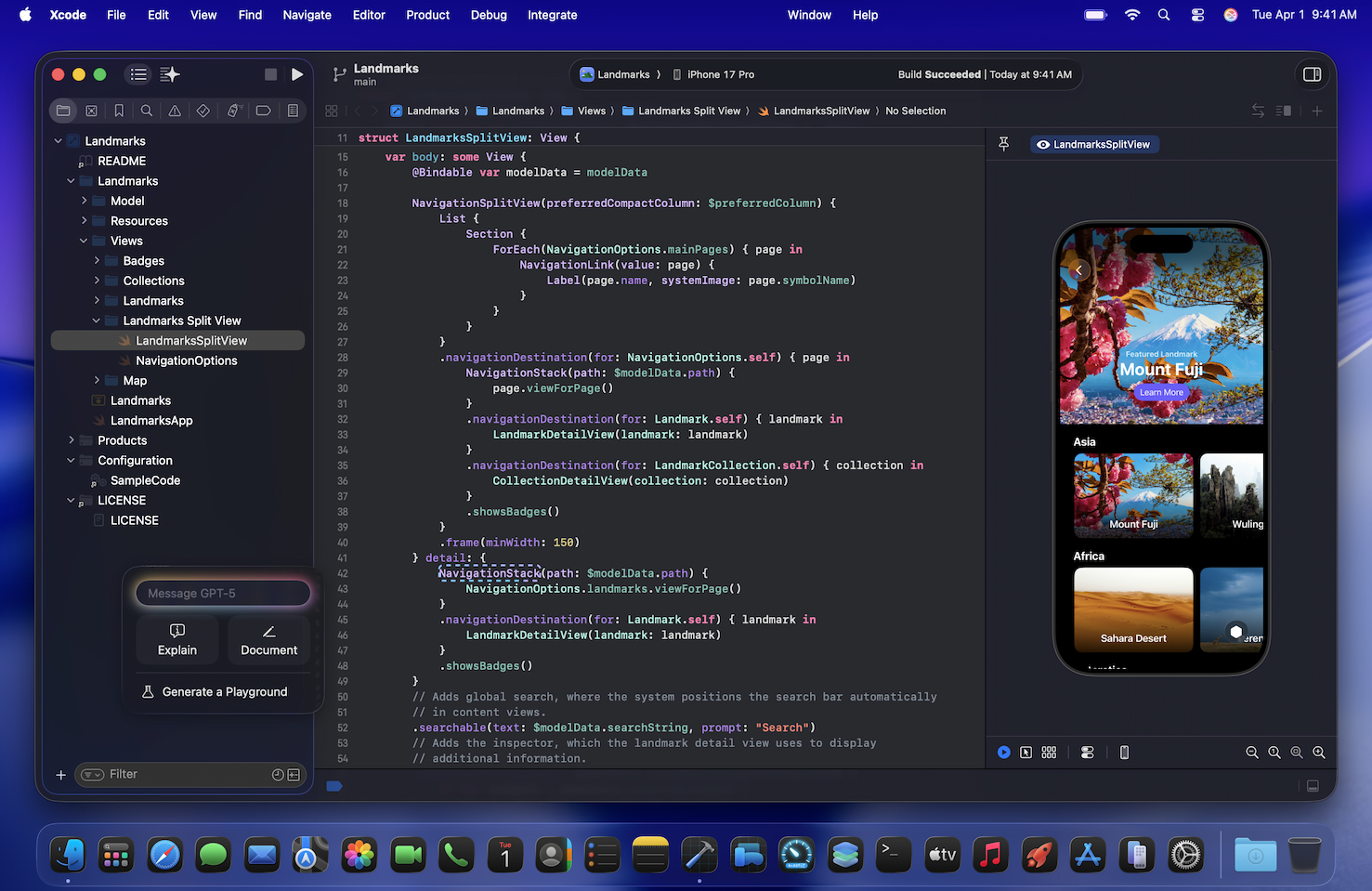
Apple has added AI-powered coding agents to Xcode 26.3, allowing developers to automate tasks such as code generation, refactoring, and testing within Apple’s development environment.
Apple has taken another step toward embedding artificial intelligence deeper into its developer ecosystem with the release of Xcode 26.3, introducing AI-powered coding agents designed to assist developers throughout the software development lifecycle.
The update marks Apple’s most explicit move yet into what the industry increasingly calls agentic coding — systems that do more than suggest snippets, instead acting autonomously across tasks such as generating boilerplate code, refactoring large codebases, identifying bugs, and running contextual tests.
From autocomplete to autonomous assistance
Until recently, Apple’s AI ambitions for developers were comparatively restrained. While competitors pushed aggressive AI copilots, Apple emphasized privacy, on-device processing, and incremental tooling improvements.
Xcode 26.3 changes that balance.
According to Apple, the new AI agents can:
- Generate and modify Swift and Objective-C code
- Refactor existing codebases with context awareness
- Write and execute unit tests
- Identify performance bottlenecks and logic errors
Rather than functioning as a single chat-style assistant, the agents are designed to operate continuously in the background, reacting to developer actions inside Xcode.
Apple’s controlled approach to AI
Unlike many third-party AI coding tools that rely heavily on external cloud models, Apple is positioning Xcode’s AI agents as tightly integrated and policy-aware.
The agents operate within Apple’s tooling boundaries, respecting:
- App Store compliance rules
- Apple’s security and privacy frameworks
- Platform-specific APIs and design patterns
This approach reflects Apple’s broader AI philosophy: less openness, more control — but with deeper platform alignment.
For developers building for iOS, macOS, visionOS, and watchOS, that alignment may outweigh the flexibility offered by general-purpose AI coding tools.
Competitive pressure from agentic development tools
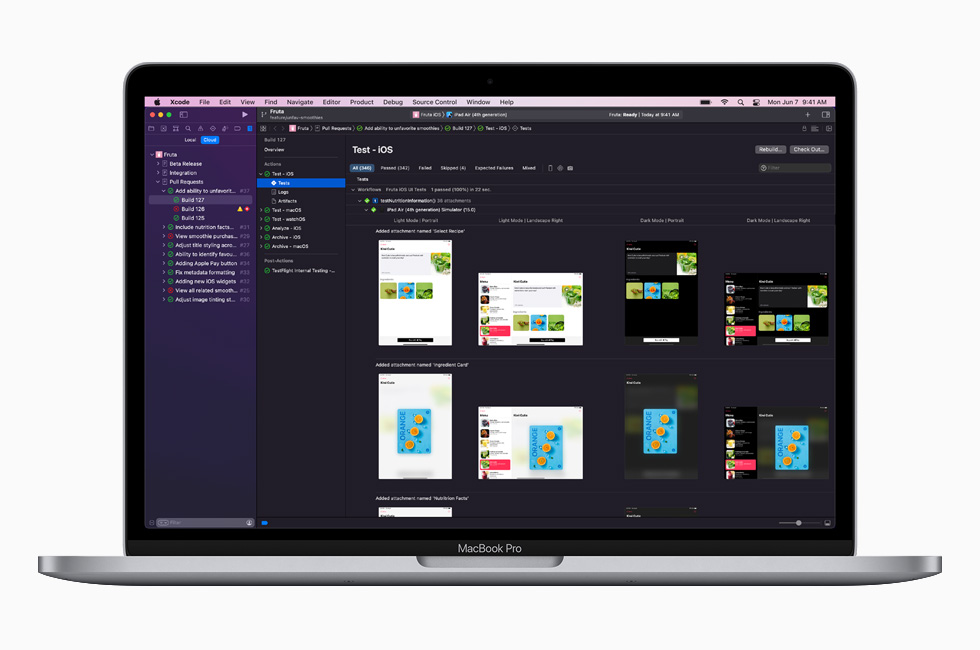
The release comes amid intensifying competition in AI-assisted programming. Tools built on large language models have moved quickly from autocomplete to multi-step automation, challenging traditional IDE workflows.
Apple’s move suggests the company sees agentic coding not as optional, but as a baseline expectation for modern development environments.
By embedding these capabilities directly into Xcode, Apple avoids forcing developers to rely on browser-based or plugin-heavy workflows — a key advantage for teams already deeply invested in Apple’s ecosystem.
Implications for developers and teams
For solo developers and small teams, AI agents could significantly reduce time spent on repetitive tasks, enabling faster iteration and prototyping.
For larger organizations, the implications are more nuanced. While automation can boost productivity, it also raises questions around:
- Code ownership and review processes
- Debugging AI-generated logic
- Long-term maintainability
Apple has emphasized that AI agents are assistive, not authoritative, reinforcing that developers remain responsible for final code decisions.
Privacy and on-device intelligence
A notable aspect of Xcode 26.3’s AI agents is Apple’s continued emphasis on privacy. While Apple has not disclosed full technical details, it has indicated that sensitive code and project data are handled within Apple-controlled environments, with selective on-device processing where possible.
This stance contrasts with many cloud-first AI coding platforms and may appeal to enterprises and regulated industries wary of exposing proprietary code.
A broader signal ahead of WWDC
Although Xcode 26.3 is a point release, its timing and scope suggest Apple is laying groundwork for a larger AI narrative across its platforms.
As Apple prepares future versions of iOS and macOS, AI-assisted development appears set to become a core expectation, not a novelty feature.
For developers, the message is clear: Apple wants AI agents to be part of everyday coding — but on Apple’s terms.