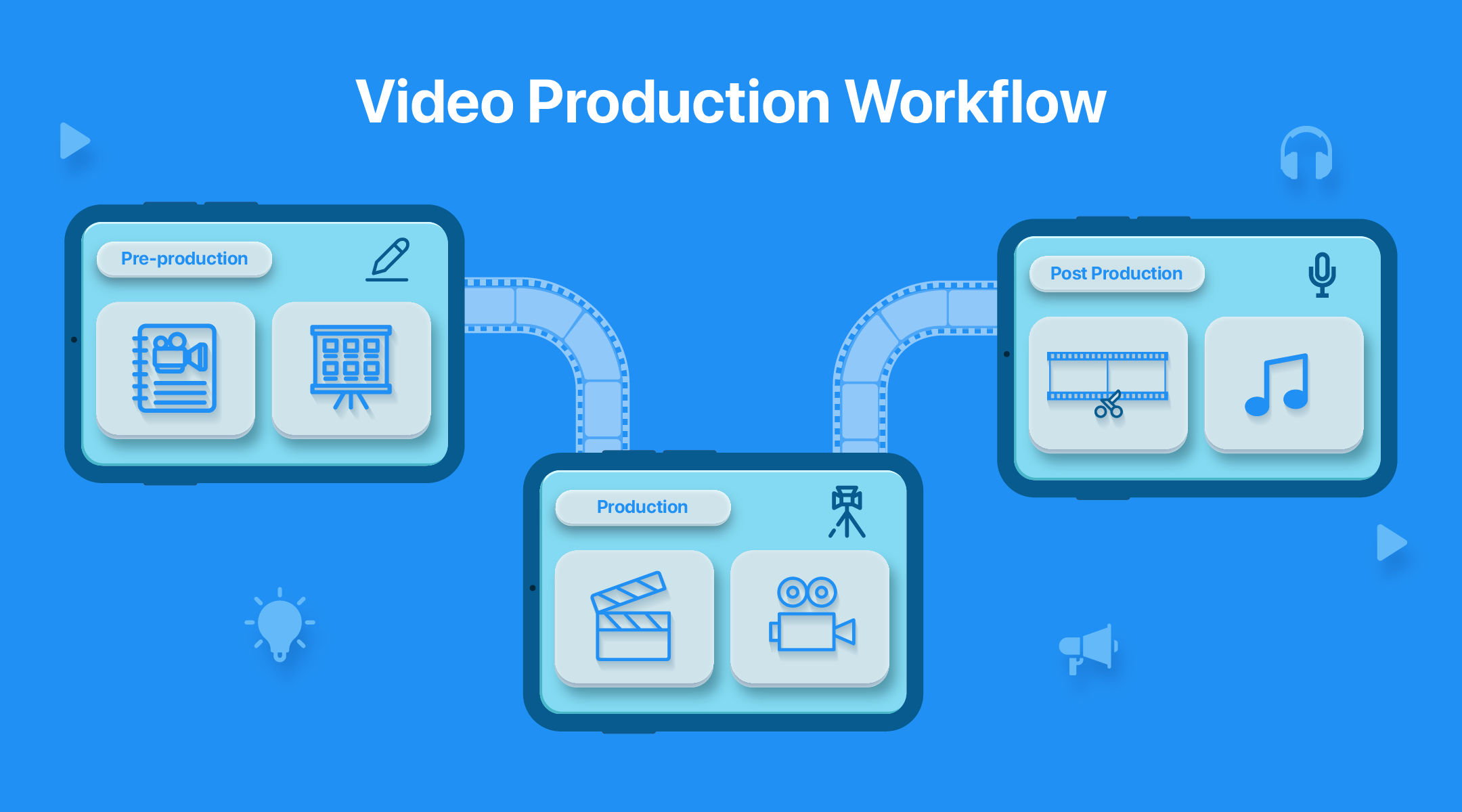
Amazon will begin testing AI-powered tools for film and television production, aiming to streamline workflows and reduce costs while keeping creative control with human teams.
Amazon is preparing to begin internal testing of AI-powered tools for film and television production, marking a significant step in the tech giant’s effort to bring generative AI deeper into Hollywood workflows.
The pilot program, expected to start next month, will explore how AI can assist with specific stages of production without replacing creative decision-making — a delicate balance at a time when the entertainment industry remains highly sensitive to automation.
AI enters the studio pipeline
Amazon’s experimentation will take place primarily within Amazon Studios, which produces original content for Prime Video. According to people familiar with the plans, the tools are designed to support tasks such as:
- Pre-visualization and storyboarding
- Shot planning and scene breakdowns
- Early-stage visual concepts and post-production assistance
The company has emphasized that the tools are meant to augment human creativity, not generate finished scripts or replace directors, writers, or editors.
Why Amazon is moving now
The move comes as studios face rising production costs, tighter margins, and pressure to release more content across global markets. AI tools promise efficiency gains in areas that are traditionally time-consuming but not creatively defining.
For Amazon, the initiative also aligns with its broader strategy of embedding AI across its businesses, from cloud services to consumer devices.
Executives see entertainment as a proving ground for AI systems that can handle complex, collaborative workflows — a capability that could later translate into enterprise and creative software offerings.
Labor tensions still loom large
AI remains a sensitive topic in Hollywood following recent labor disputes, where writers and actors raised concerns about automation, likeness rights, and creative ownership.
Amazon appears to be proceeding cautiously. Early tests are expected to involve small teams and limited use cases, with human approval required at every stage.
By positioning AI as a productivity tool rather than a creative author, Amazon is attempting to avoid the backlash faced by companies perceived as using AI to replace human labor.
A competitive industry shift
Amazon is not alone in exploring AI for entertainment production. Studios, streamers, and post-production houses across the industry are quietly experimenting with generative tools to:
- Accelerate editing and effects work
- Reduce reshoot costs
- Improve localization for global audiences
What distinguishes Amazon is its ability to build and deploy proprietary AI tools at scale, backed by its cloud infrastructure and internal research.
The role of cloud and data
A key advantage for Amazon lies in its integration with Amazon Web Services. Many of the tools being tested are expected to run on AWS, allowing production teams to process large datasets — including video assets — securely and at scale.
This creates a feedback loop where insights from creative use cases inform broader AI product development.
Industry observers note that Amazon’s long-term opportunity may not just be content creation, but selling AI-powered production tools to studios and creators worldwide.
Safeguards and creative control
Amazon has indicated that it will implement guardrails to prevent misuse, including:
- Clear labeling of AI-assisted outputs
- Restrictions on training data sources
- Human oversight for final creative decisions
These measures are designed to address concerns about copyright, originality, and ethical use — issues that remain unresolved across the industry.
What this means for Hollywood

The testing phase suggests a gradual normalization of AI in film and TV production. Rather than disruptive overnight change, the industry appears to be moving toward incremental adoption, starting with behind-the-scenes efficiency gains.
If successful, these tools could reshape production economics, especially for mid-budget projects that struggle with rising costs.
A signal of what’s coming
Amazon’s decision to test AI tools internally sends a clear signal: generative AI is moving from experimentation to operational deployment in entertainment.
While the company is treading carefully, the direction is unmistakable. AI is becoming part of the production toolkit — not as a replacement for creativity, but as infrastructure supporting it.
How far that integration goes will depend not just on technology, but on trust between studios, creators, and audiences.