
The Internet Archive has launched a new Wayback Machine plugin that automatically redirects broken links to archived versions, addressing the growing problem of link rot across the web.
The Internet Archive is rolling out a new plugin for its Wayback Machine that aims to solve one of the web’s most persistent and quietly damaging problems: broken links.
The plugin, unveiled this week, is designed to automatically surface archived versions of webpages when users encounter dead links—an issue known as “link rot” that affects everything from academic research and journalism to government records and everyday browsing.
Why broken links are a growing problem
Link rot has accelerated as websites shut down, redesign their URLs, or remove content entirely. Studies have shown that a significant percentage of links cited in academic papers, news articles, and public records stop working within just a few years.
The consequences are far-reaching:
- Historical context disappears
- Sources cited in journalism become unverifiable
- Public information effectively vanishes
For the open web, broken links represent a slow erosion of collective memory.
How the new plugin works
The Wayback Machine plugin integrates directly into browsers and platforms that support extensions. When a user clicks on a link that returns an error—such as a 404 page—the plugin automatically checks the Internet Archive’s vast database for archived snapshots of the missing page.
If a match exists, the plugin redirects the user to the most relevant archived version, often without requiring manual intervention.
The goal is to make web preservation invisible and seamless, rather than something users must actively seek out.
Preserving context, not just content
Unlike simple URL redirects, archived snapshots preserve the look, structure, and surrounding context of a page at a specific point in time. This is particularly important for:
- Investigative journalism
- Legal and regulatory records
- Academic citations
The plugin helps ensure that when a source disappears, the evidence does not disappear with it.
A response to platform impermanence
Modern web publishing increasingly happens on platforms that can delete, edit, or de-prioritize content without notice. Social networks, blogs, and even corporate websites routinely remove pages as strategies change.
The Wayback Machine has long served as a counterbalance to this impermanence. The new plugin extends that mission by embedding preservation directly into everyday browsing.
Internet Archive officials say the tool is especially relevant as AI-generated content and automated site updates make the web more volatile.
Who benefits most
While anyone can use the plugin, it is expected to be particularly valuable for:
- Journalists verifying old sources
- Researchers accessing historical references
- Lawyers and policymakers tracking regulatory language
- Developers maintaining legacy documentation
By reducing friction, the Archive hopes more users will rely on preserved sources rather than abandoning broken links altogether.
Technical and ethical considerations
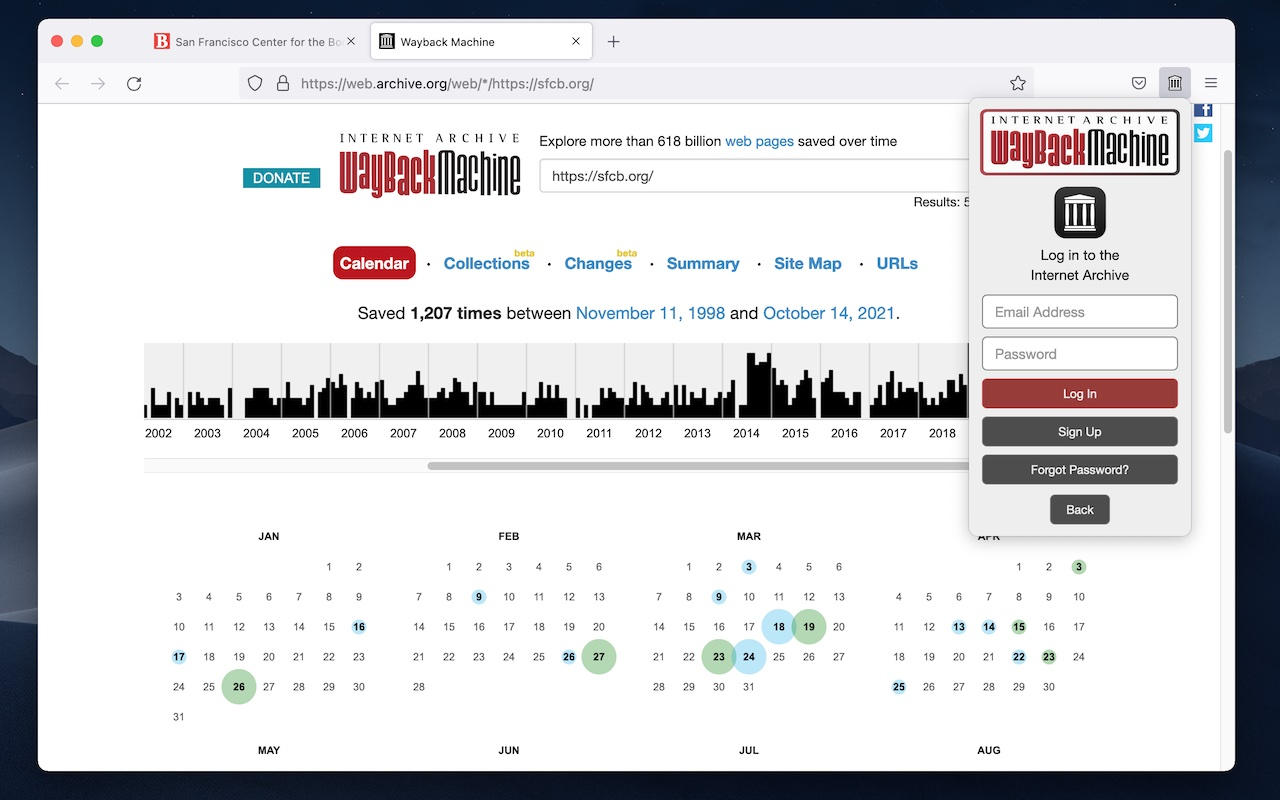
The plugin does not archive new content by default; it only retrieves existing snapshots. This avoids concerns around unauthorized copying or real-time surveillance.
However, the Archive continues to face legal challenges from publishers and content owners who argue that archiving infringes on copyright. The organization maintains that its work falls under fair use and serves the public interest.
The plugin does not bypass paywalls or access controls that were present at the time of archiving.
A broader fight against digital decay
The launch reflects a growing awareness that digital information is fragile. Unlike physical archives, websites can disappear instantly, often without backups.
As governments, media outlets, and institutions increasingly publish exclusively online, the risk of losing public records grows.
The Wayback Machine’s new plugin positions web archiving not as a niche activity, but as critical infrastructure for the internet itself.
What comes next
The Internet Archive plans to expand support for additional platforms and explore partnerships with publishers and educational institutions.
Longer term, the organization hopes tools like this can help establish web preservation as a default expectation rather than an afterthought.
In an internet defined by speed and ephemerality, the Wayback Machine’s plugin is a reminder that memory still matters—and that fixing broken links is about more than convenience. It’s about protecting the continuity of knowledge.



