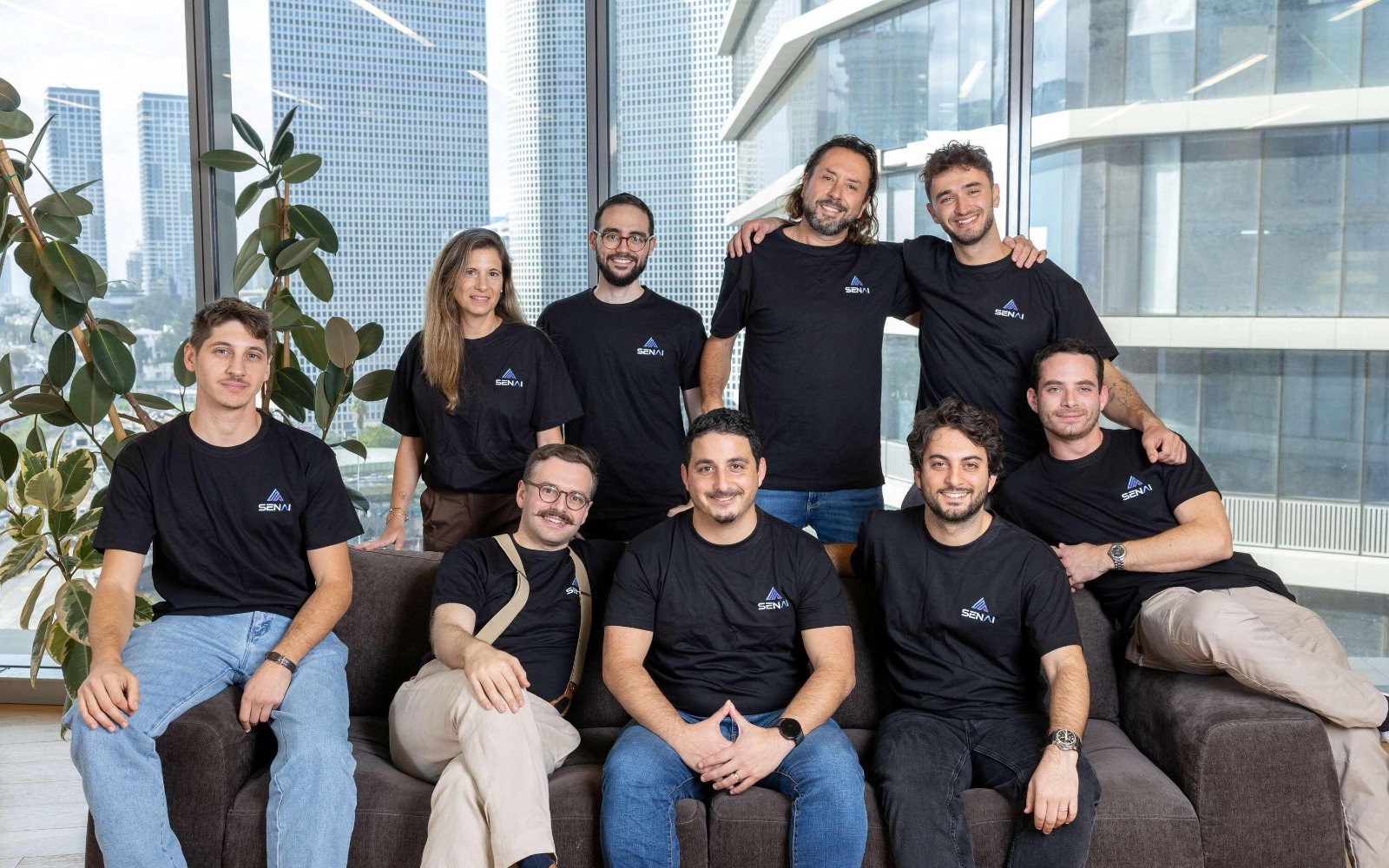
Israeli startup Senai has raised $6.2 million in seed funding to scale its AI-driven video security platform as enterprises seek smarter, real-time surveillance systems.
Israeli artificial intelligence startup Senai has raised $6.2 million in seed funding, as demand accelerates for intelligent video security systems capable of real-time threat detection and automated monitoring.
The funding comes amid growing enterprise concern over physical security, operational risk, and the limitations of traditional camera-based surveillance systems that rely heavily on human monitoring.
From passive cameras to active intelligence
Video surveillance has long generated vast volumes of footage but limited actionable insight. Senai’s platform applies computer vision and machine learning to convert video streams into structured intelligence.
Instead of passively recording incidents, the system can:
- Detect anomalies in real time
- Flag unauthorised access or unsafe behaviour
- Reduce reliance on manual monitoring
This shift reflects a broader move from hardware-centric security to software-driven, AI-enabled systems.
Why enterprises are upgrading now
Security leaders cite several pressures driving adoption:
- Rising labour costs for security staff
- Increased compliance and liability exposure
- Expanding physical footprints across logistics, manufacturing, and infrastructure
AI-powered systems promise not just cost savings, but faster response times and more consistent enforcement of safety protocols.
Israel’s deep security-tech roots
Israel remains a global hub for security and defence technology, with expertise shaped by military R&D and decades of cybersecurity innovation.
Senai’s emergence reflects a new generation of startups applying that heritage to AI-first platforms rather than legacy hardware or rules-based systems.
Investors increasingly view Israeli AI security startups as well-positioned to sell into global enterprise markets.
Competitive landscape heats up
The AI video analytics space is becoming crowded, with competitors ranging from startups to large industrial and cloud providers.
Differentiation hinges on:
- Accuracy under real-world conditions
- Low false-positive rates
- Ease of integration with existing camera infrastructure
Senai’s strategy focuses on software that can run on top of existing systems, lowering deployment friction for customers.
Privacy and regulation challenges
AI surveillance raises sensitive privacy questions, particularly in regulated markets.
Companies like Senai must balance capability with:
- Data minimisation
- Transparent governance
- Compliance with regional privacy laws
Enterprise buyers are increasingly scrutinising vendors’ data handling practices, making trust a critical sales factor.
Scaling beyond Israel

With fresh capital, Senai plans to expand internationally, targeting sectors such as:
- Logistics and warehouses
- Critical infrastructure
- Corporate campuses
Global expansion will test the startup’s ability to adapt its models to diverse environments and regulatory regimes.
A signal of seed-stage confidence
The $6.2 million round reflects continued investor appetite for applied AI solutions with clear enterprise ROI, even as broader tech funding remains cautious.
Rather than speculative AI bets, investors are prioritising products that address immediate operational pain points.
For Senai, execution — not experimentation — will determine whether it can turn early promise into durable scale.