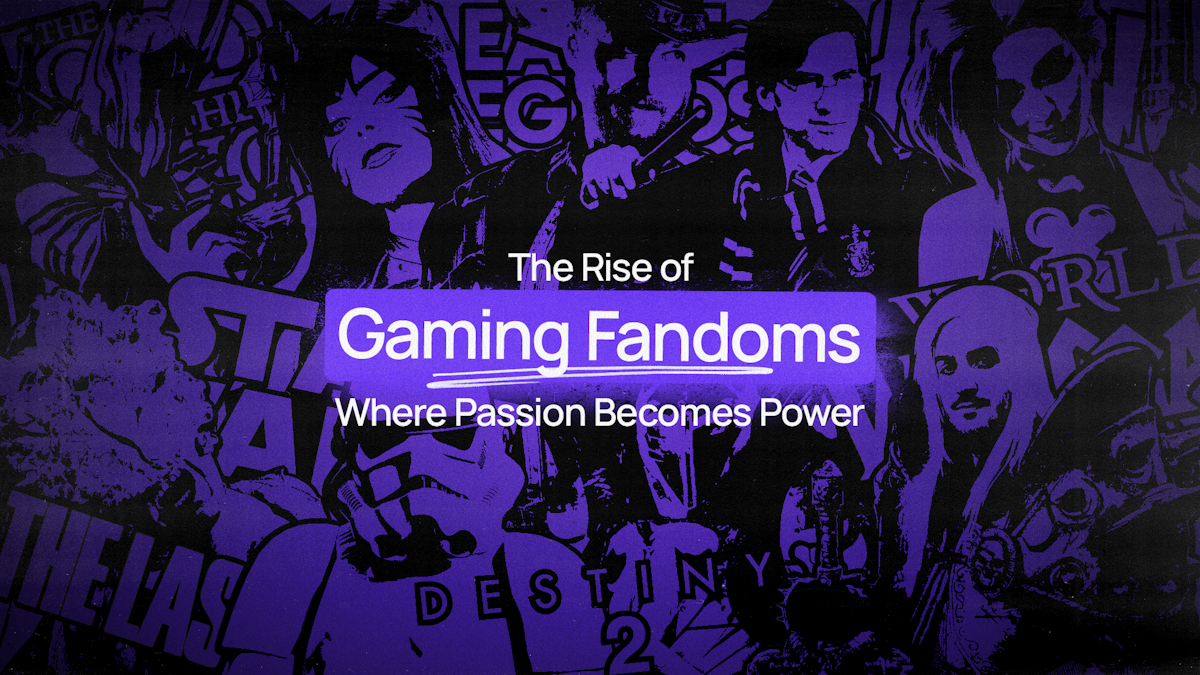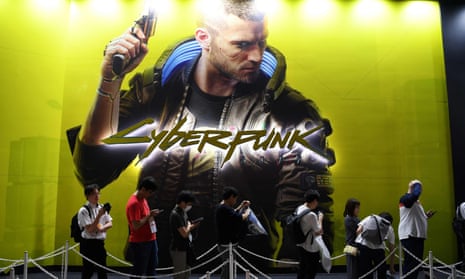
Video games have emerged as the top driver of fandom discovery among young people in the US and the UK, surpassing music, film, and television. New research shows gaming is reshaping how Gen Z and Gen Alpha form cultural identities, connect with communities, and engage with brands.
Video games are no longer just entertainment. For young audiences in the United States and the United Kingdom, gaming has become the primary gateway into fandom, overtaking traditional cultural anchors such as music, film, and television.
According to recent research highlighted by Outlook India Respawn, gaming now plays a central role in how young people discover new interests, form communities, and express identity. The shift reflects deeper changes in media consumption patterns, where interactive and participatory platforms are replacing passive forms of entertainment.
From passive viewing to active participation
Unlike films or music, video games demand participation. Players do not simply consume stories—they shape them through choices, competition, and collaboration. This interactivity is proving especially powerful for Gen Z and Gen Alpha audiences, who have grown up in digital-first environments.
Online multiplayer titles, creator-driven platforms like Twitch and YouTube, and in-game social spaces allow fandoms to form organically. For many young players, discovering a game also means discovering streamers, esports teams, memes, and online communities that extend far beyond the game itself.
This dynamic has transformed Video games into a cultural ecosystem rather than a standalone medium.
Gaming as a social identity
The research suggests that gaming fandoms now function as social identities. Young people increasingly define themselves by the games they play, the platforms they follow, and the communities they belong to. Competitive titles, sandbox games, and narrative-driven franchises all contribute to this identity-building process.
Esports has accelerated this trend. Professional leagues, live-streamed tournaments, and creator-led commentary mirror the structures of traditional sports fandom, but with a stronger sense of accessibility. Fans can interact directly with players and creators, blurring the line between audience and participant.
Implications for media and brands

As gaming becomes the primary discovery channel for youth fandoms, its influence is spilling into other industries. Music artists debut songs inside Video games, film studios promote franchises through interactive experiences, and fashion brands collaborate on digital skins and virtual goods.
For brands, this shift requires a rethink. Traditional advertising struggles to resonate in gaming spaces, where authenticity and community trust matter more than polished messaging. Successful engagement often comes through partnerships with creators, in-game experiences, or long-term community involvement.
A structural cultural shift
The rise of gaming-led fandom is not a short-term trend. It reflects a structural change in how culture is created and shared. Interactive entertainment aligns with how younger generations expect to engage—with agency, immediacy, and social connection.
As gaming continues to expand across platforms and devices, its role as the primary engine of youth fandom discovery in the US and UK is likely to deepen, reshaping the broader entertainment landscape for years to come.