
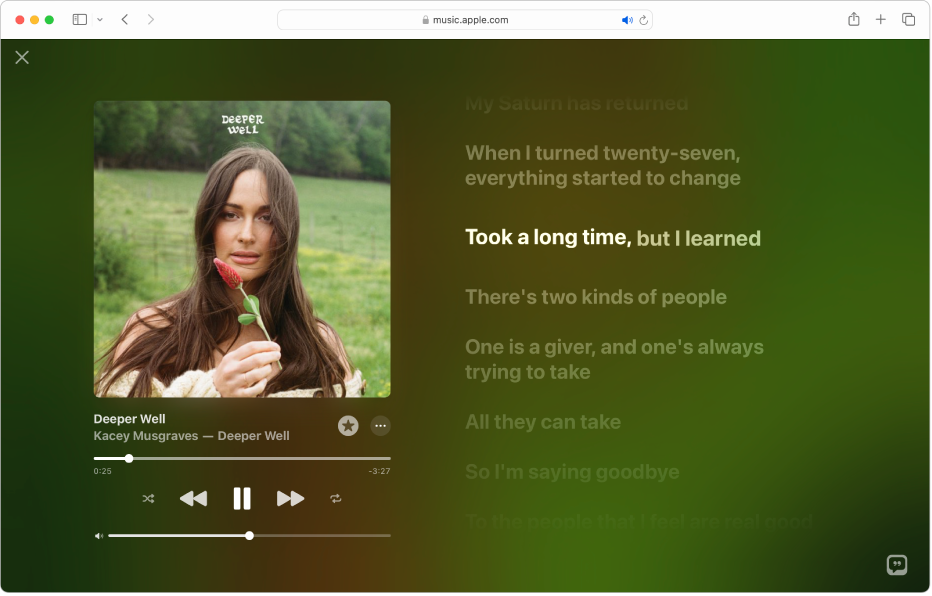
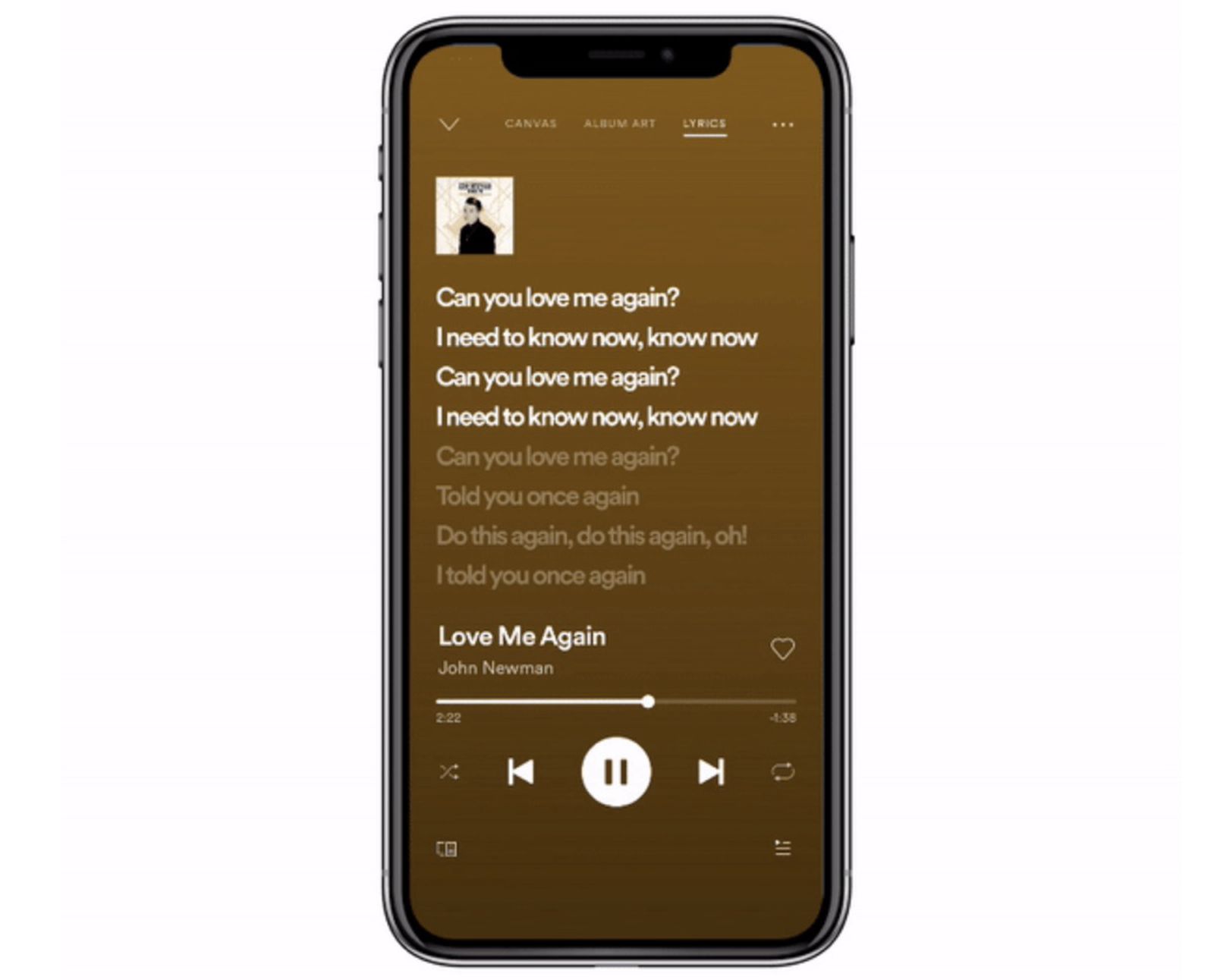
Spotify has rolled out offline support for lyrics and expanded lyric translations globally, making it easier for users to engage with music across languages and connectivity conditions.
Spotify has introduced two significant upgrades to its lyrics feature: the ability to view lyrics while offline and the global expansion of real-time lyric translations. The updates reinforce Spotify’s strategy to move beyond passive listening and position itself as a more immersive, contextual music platform.
Until now, Spotify’s lyrics—powered by Musixmatch—required an active internet connection. With offline support, users can now read lyrics even when listening to downloaded songs without connectivity, a change that addresses one of the most common friction points for mobile listeners.
The second update—expanded lyric translations—pushes Spotify further into multilingual accessibility. Listeners can now view translated lyrics line-by-line in supported languages, allowing them to understand songs performed in languages they may not speak fluently.
Why offline lyrics matter more than they seem
At first glance, offline lyrics may appear incremental. In practice, they significantly alter how users interact with music, especially in regions with inconsistent internet access or high mobile data costs.
In markets across Asia, Latin America, and parts of Europe, offline listening is a primary use case rather than a fallback. Lyrics being unavailable offline created a fragmented experience—particularly for users who rely on lyric read-alongs for karaoke-style listening, learning languages, or understanding unfamiliar genres.
By closing this gap, Spotify improves parity between online and offline usage, reinforcing the value of paid subscriptions that emphasize downloads and mobility.
Translations turn music into a discovery tool
Spotify’s lyric translation feature reflects a broader shift: music is no longer bound by language barriers. K-pop, Latin pop, Afrobeats, and regional Indian music routinely cross borders, but understanding lyrics often lags behind discovery.
By offering translations directly within the app, Spotify enables deeper engagement without forcing users to leave the platform. The feature also supports cultural discovery, allowing listeners to connect emotionally with songs beyond melody and rhythm.
From a product perspective, translations increase time spent per track—an important engagement metric in streaming economics.
Competitive positioning in the streaming wars
The updates arrive amid intensifying competition among streaming platforms. While catalog size has largely plateaued as a differentiator, contextual features—lyrics, podcasts, audiobooks, and AI-powered discovery—are becoming central to user retention.
Spotify has increasingly leaned into features that create “stickiness.” Lyrics, once considered ancillary, are now a core engagement layer. Internal industry data has consistently shown that users who interact with lyrics are more likely to replay songs, save tracks, and share content.
Offline lyrics and translations strengthen that loop.
The role of AI and structured data
Although Spotify has not disclosed technical specifics, real-time lyric translation at scale relies heavily on machine translation models trained on structured linguistic data. As Spotify invests more deeply in AI-driven personalization, features like translations also feed back into recommendation systems by capturing richer signals about listener intent and engagement.
For example, users who consistently translate lyrics from a specific language may be more likely to receive recommendations from that region or genre.
Artist and label implications
For artists, expanded lyric functionality offers a new channel for global reach. Lyrics are often the most direct way fans connect with an artist’s message, and translations can dramatically widen an audience without additional marketing spend.
Labels, meanwhile, benefit from longer engagement cycles and higher replay value—key drivers of streaming revenue. As global hits increasingly emerge from non-English-speaking markets, tools that reduce friction for international listeners become commercially significant.
Accessibility and inclusivity
Lyrics also play an important role in accessibility. Hearing-impaired users rely on synchronized lyrics to fully experience music. Offline access ensures that this experience is not dependent on connectivity, while translations broaden inclusivity for multilingual audiences.
Spotify’s move aligns with broader accessibility expectations placed on major consumer platforms, particularly in regions with diverse linguistic landscapes.
A quiet but strategic evolution
Spotify’s offline lyrics and expanded translations are not headline-grabbing innovations like AI DJs or podcast exclusives. But they represent something more durable: refinement of the core listening experience.
As streaming matures, the battle shifts from acquiring users to keeping them engaged across contexts—online, offline, local, and global. In that sense, these updates are less about features and more about resilience.
Spotify is betting that the future of music streaming lies in making every listen richer, more understandable, and more portable—no matter where, or how, it happens.



