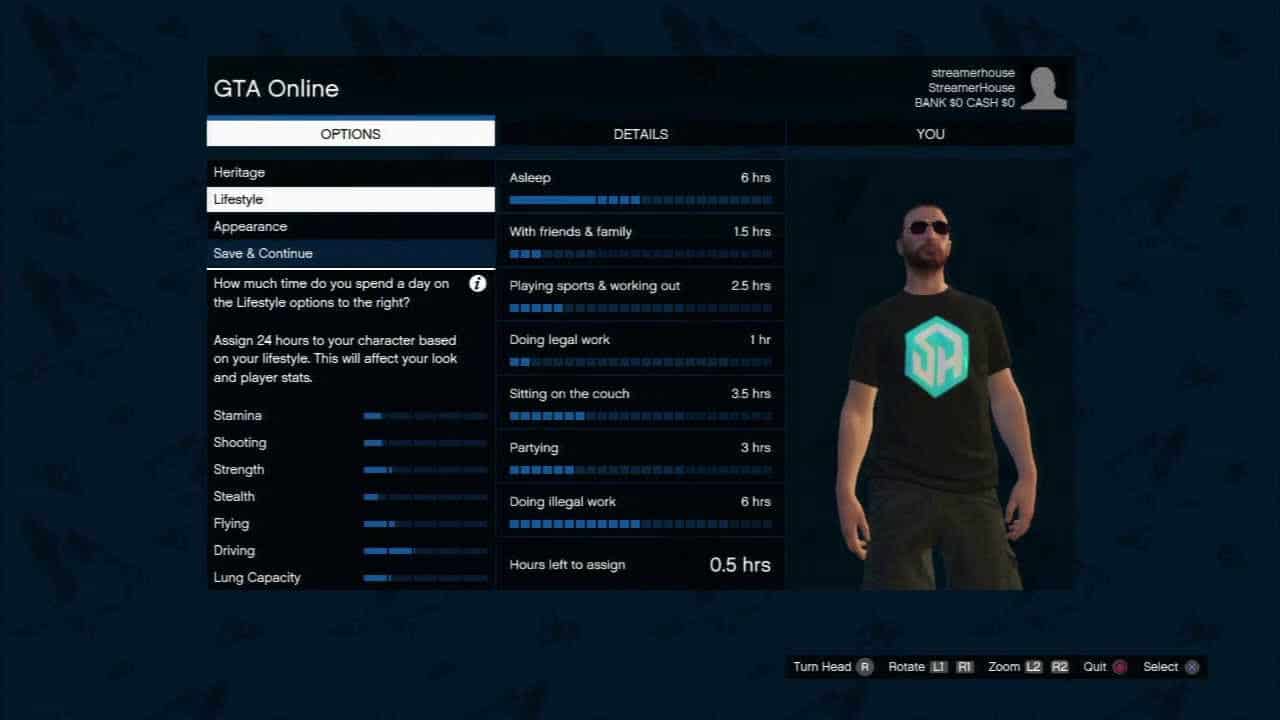
A player profile linked to GTA 6 has appeared online months ahead of launch, sparking widespread speculation about internal testing, accidental exposure, or early backend activation by Rockstar Games.
Months before its official release, Grand Theft Auto VI has once again become the center of intense speculation—this time due to the appearance of what appears to be a live player profile associated with the game on Rockstar-linked services.
The sighting, first noticed by members of the gaming community, quickly spread across forums and social platforms. Screenshots allegedly show a profile tagged with GTA 6-related identifiers, despite the game not yet being publicly available. Rockstar has not commented, but the incident has reignited debates about leaks, testing pipelines, and how much information truly remains hidden in modern game development.
What exactly was spotted?
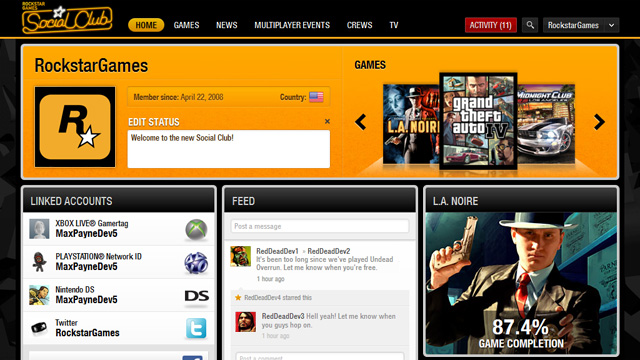
According to community reports, the profile appeared within systems connected to Rockstar’s online infrastructure, often referred to as Rockstar Social Club. While no gameplay footage or direct access was shown, metadata suggested an association with GTA 6 rather than existing titles like GTA V or Red Dead Redemption 2.
Importantly, there is no evidence that a retail build of GTA 6 is playable. Instead, the appearance seems to be tied to backend systems—player accounts, environment flags, or internal testing environments that are normally invisible to the public.
Still, in the current gaming ecosystem, even minor anomalies quickly escalate into viral events.
Likely explanation: backend testing
Industry veterans point to a common explanation: internal QA and infrastructure testing. Large online games require backend services—authentication, progression tracking, matchmaking—to be live and stress-tested long before launch.
In some cases, placeholder or internal accounts can briefly surface due to configuration errors or automated indexing by public-facing services.
Rockstar has experienced similar incidents before. Prior to GTA Online expansions and Red Dead Online updates, backend changes have occasionally been detected by data miners or observant users scanning public APIs.
Why even small leaks matter now
In earlier console generations, such discoveries might have gone unnoticed. Today, gaming communities are hyper-vigilant, especially around a title as anticipated as GTA 6.
Data mining, API monitoring, and automated scraping tools have turned speculation into a real-time activity. The moment anything changes in a publisher’s digital ecosystem, it is documented, shared, and debated at scale.
This environment means that developers are no longer just building games—they are defending information boundaries continuously.
Rockstar’s silence fuels speculation
True to form, Rockstar Games has offered no comment. Historically, Rockstar avoids addressing leaks or rumors unless absolutely necessary, preferring to let official announcements speak for themselves.
However, silence can have unintended effects. Without clarification, speculation fills the gap—ranging from benign explanations like testing accounts to more dramatic theories involving early access, influencer previews, or even accidental public activation.
None of these claims are substantiated, but the absence of official information keeps them alive.
A symptom of modern AAA development
The incident highlights a broader reality of modern AAA game development: the boundary between “in development” and “live” is increasingly blurred.
Massive online titles require infrastructure that mirrors live environments months or years ahead of release. As games become persistent services rather than discrete products, their digital footprints expand—and become harder to fully conceal.
GTA 6, expected to have a significant online component, likely requires extensive pre-launch backend preparation.
Why GTA 6 is uniquely exposed
Few games attract the level of scrutiny GTA 6 does. Every Rockstar system update is examined, every database entry parsed.
This level of attention turns routine technical operations into perceived events. What would be ignored for another franchise becomes headline-worthy for GTA.
The phenomenon speaks less to Rockstar’s secrecy and more to the cultural gravity of the franchise.
Managing expectations before launch
While the appearance of a player profile does not indicate early access or imminent release, it does influence expectations. Fans increasingly interpret backend signals as milestones, even when they are not intended for public consumption.
This creates a risk for developers: technical progress becomes narrative progress in the public mind.
Rockstar will need to carefully manage this environment as launch approaches, balancing secrecy with clarity to prevent misinformation from overshadowing the game itself.
What this means going forward
The GTA 6 player profile incident is unlikely to be the last pre-launch anomaly. As release nears, backend activity will only increase—along with scrutiny.
For players, the episode is a reminder that not every leak is meaningful. For developers, it is a warning that infrastructure transparency has limits in an era of constant observation.
For Rockstar, it is simply another chapter in the long, complex prelude to the most anticipated game of the decade.
And for the internet, it is proof that GTA 6 has already begun—whether Rockstar intended it or not.