
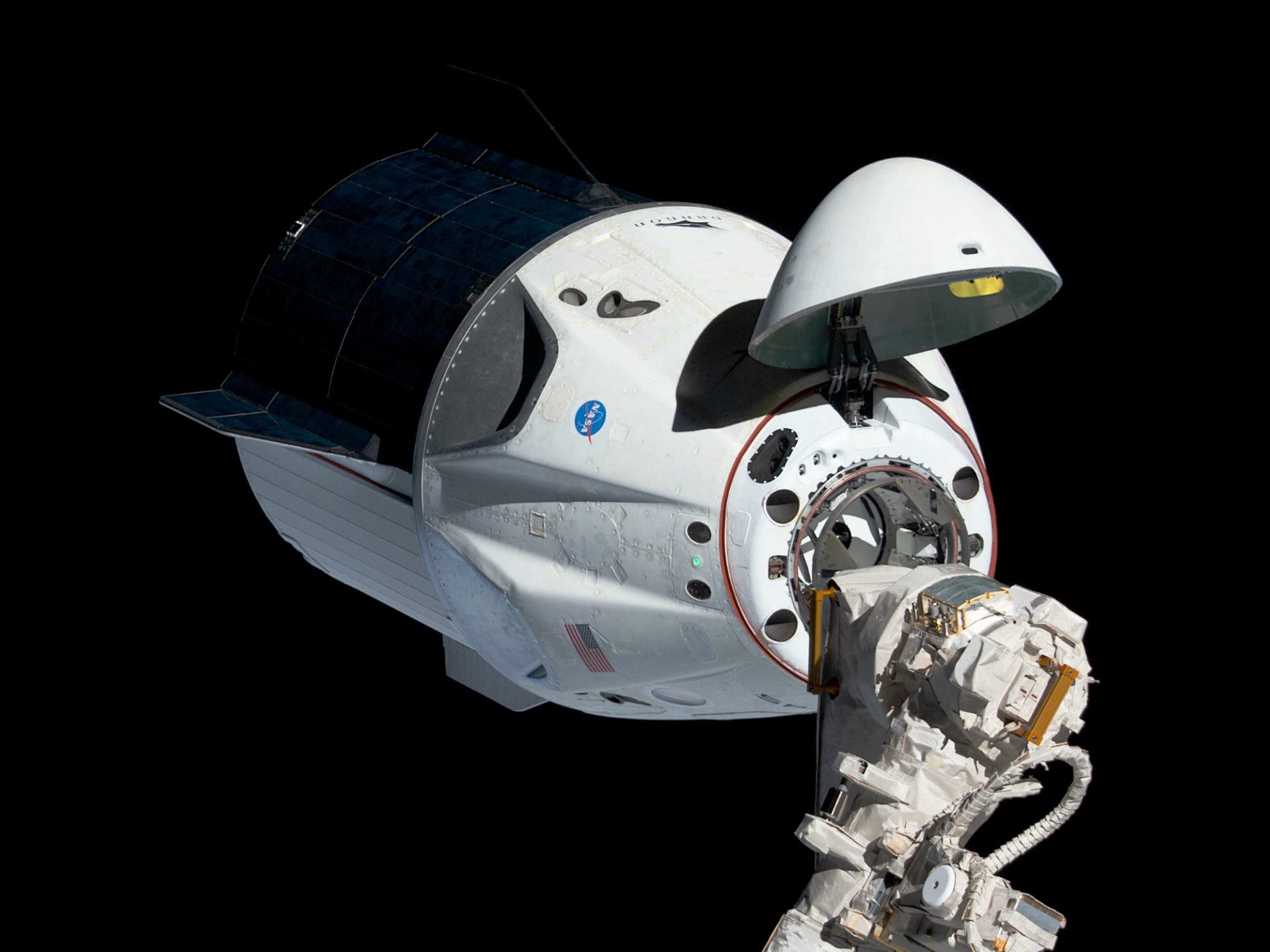
NASA will allow astronauts to bring smartphones on upcoming lunar missions, a shift that highlights how consumer technology is increasingly trusted in deep-space operations.
For decades, personal electronics were largely absent from deep-space missions, replaced by tightly controlled, purpose-built hardware. That boundary is now softening. NASA will allow astronauts to bring smartphones with them on missions to the Moon, according to reporting by TechCrunch.
The decision reflects a broader evolution in spaceflight: consumer devices have become powerful, reliable, and adaptable enough to complement specialized aerospace systems.
Why smartphones are now acceptable in lunar missions
Modern smartphones combine cameras, sensors, processors, and connectivity in a single, lightweight device. For astronauts, that makes them useful for tasks such as photography, note-taking, reference materials, and even certain experimental or backup functions.
NASA has already tested tablets and phones aboard the International Space Station, gradually building confidence in their resilience and utility. Extending their use to lunar missions suggests the agency believes the benefits now outweigh the risks.
Importantly, smartphones are not replacing mission-critical systems. They are supplemental tools—flexible and familiar to astronauts trained in both technical and operational roles.
Part of a larger shift in human spaceflight

The move aligns with the goals of the Artemis program, which aims to establish a sustained human presence on and around the Moon. Longer missions and more complex surface operations increase the value of versatile tools that can adapt to changing needs.
Consumer technology also lowers development costs. Instead of designing custom hardware for every task, space agencies can leverage commercially developed devices, updating software as needed.
This approach mirrors a broader trend in aerospace toward commercial off-the-shelf technology, reducing cost and accelerating innovation.
Implications beyond NASA
Allowing smartphones on lunar missions also reflects growing confidence in the commercial tech ecosystem that supports space exploration. From launch providers to communications networks, public agencies are increasingly relying on private-sector innovation.
For tech companies, space is no longer just a niche market—it is becoming an extension of the broader computing environment, albeit one with extreme constraints.
A small change with symbolic weight
Letting astronauts carry phones may seem minor, but symbolically it underscores how far space technology has converged with everyday tools.
As humans return to the Moon, the boundary between terrestrial and space technology is narrowing—bringing a familiar piece of Earth along for the journey.



