
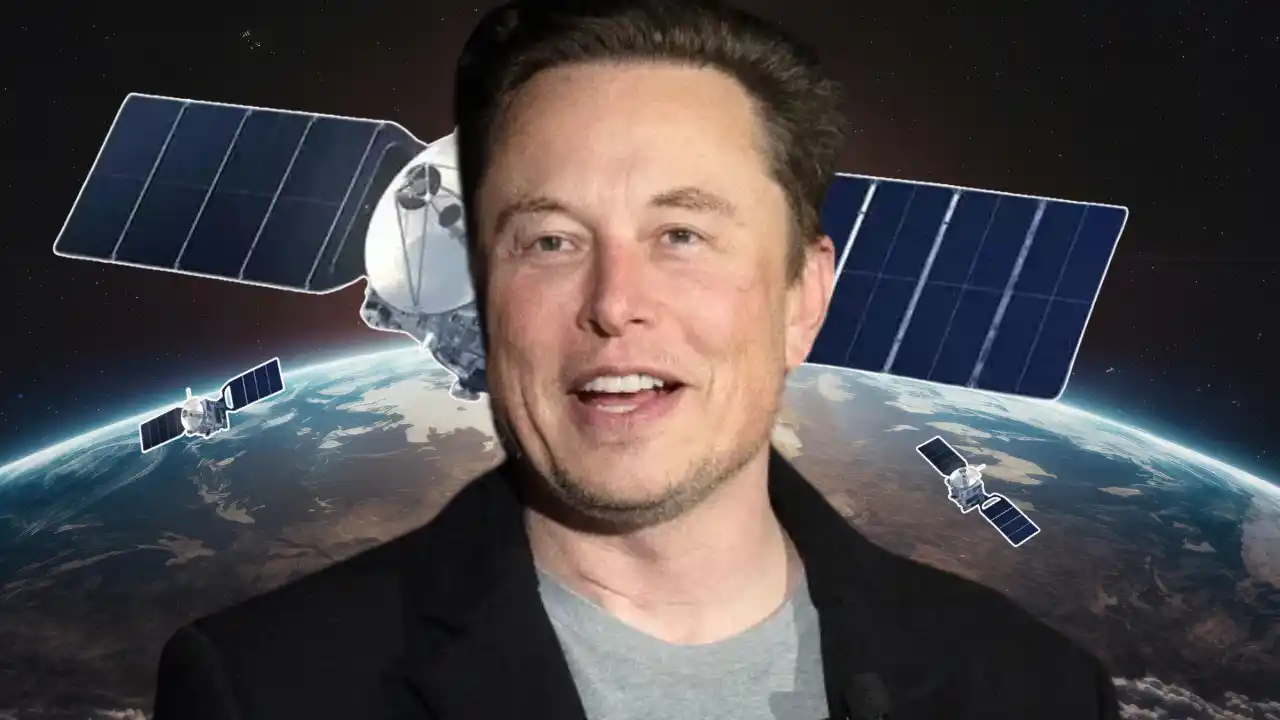
Elon Musk is advancing plans for orbital data centers, signaling interest in moving parts of global computing infrastructure into space.
For years, the idea of data centers in space sounded like science fiction. Elon Musk is now treating it as a serious strategic possibility. According to TechCrunch, Musk is increasingly focused on the concept of orbital data centers—computing infrastructure deployed beyond Earth’s surface.
The idea builds on trends Elon Musk is already driving: reusable rockets, massive satellite constellations, and global connectivity from orbit.
Why put data centers in space?
Orbital data centers offer several theoretical advantages. In space, systems can access abundant solar energy, avoid land constraints, and potentially reduce cooling costs in the vacuum of orbit.
They could also process data closer to where it is generated—particularly by satellites—reducing latency and bandwidth demands for Earth-based networks.
For Elon Musk, whose companies operate across launch, satellites, and communications, orbital computing represents vertical integration taken to its extreme.
Technical and regulatory hurdles remain steep
Despite the vision, challenges are formidable. Launching and maintaining heavy computing hardware in orbit is expensive, even with falling launch costs. Hardware failures are harder to repair, and space radiation poses risks to sensitive electronics.
There are also unresolved regulatory questions. Space-based infrastructure blurs lines between national jurisdictions, raising concerns about data sovereignty, security, and oversight.
Any serious deployment would require coordination with international space and telecommunications regulators.
How this fits into Musk’s broader strategy

Orbital data centers align with Musk’s long-term interest in building off-planet infrastructure—systems designed to function independently of Earth-based limitations.
They also complement satellite networks, where onboard processing could reduce reliance on terrestrial cloud providers and create new service models.
While timelines remain unclear, the shift from speculative talk to concrete planning suggests Musk sees orbital computing as a potential competitive advantage rather than a distant curiosity.
A glimpse of computing’s outer frontier
Whether orbital data centers become mainstream or remain experimental, the concept signals how far the tech industry is willing to go in search of scale, efficiency, and resilience.
If Musk succeeds, the cloud of the future may not just be metaphorical—it may quite literally orbit above us.



