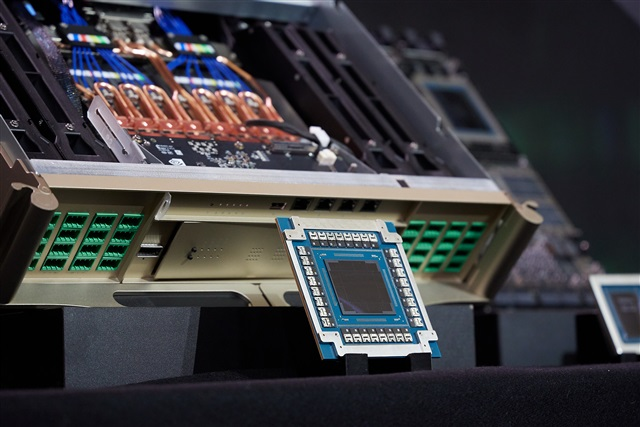
Nvidia is delaying the launch of a new gaming chip because of a shortage of memory components, underscoring how supply chain constraints continue to affect advanced hardware.
Even as artificial intelligence drives unprecedented demand for computing power, traditional supply chain bottlenecks remain stubbornly relevant. Nvidia is delaying the release of a new gaming-focused chip due to a shortage of memory components, according to industry reporting.
The delay is notable because it does not stem from GPU design or fabrication limits, but from constrained availability of the memory chips required to support modern graphics workloads.
Why memory is becoming the bottleneck
High-performance gaming GPUs rely heavily on advanced memory to deliver faster frame rates, higher resolutions, and support for AI-enhanced features such as upscaling and ray tracing. As AI accelerators and data centers consume increasing volumes of high-end memory, competition for supply has intensified.
Memory manufacturers have prioritized products tied to AI infrastructure, where margins are often higher and long-term contracts more predictable. That shift can leave consumer-facing products, including gaming hardware, exposed to shortages.
For Nvidia, which straddles both AI and gaming markets, balancing allocation has become increasingly complex.
Impact on gamers and the PC hardware market
Delays in GPU launches ripple quickly through the PC ecosystem. Gamers waiting to upgrade may face longer cycles, while system builders and retailers must adjust inventories and sales forecasts.
The timing also matters. Gaming hardware launches are often synchronized with major software releases and seasonal buying periods. Any slip risks missing peak demand windows, especially in a market already sensitive to pricing and availability.
While Nvidia has not indicated how long the delay will last, even short disruptions can influence competitive dynamics with rival chipmakers.
A reminder of semiconductor fragility
The episode highlights a broader reality: despite massive investment in chip manufacturing, the semiconductor supply chain remains highly interdependent. Advances in one area—such as AI accelerators—can create pressure points elsewhere.
For the gaming industry, this suggests continued volatility in hardware roadmaps, even as demand remains strong.
Looking ahead
Nvidia’s delay does not signal a slowdown in gaming innovation, but it does illustrate how tightly coupled consumer hardware has become to global semiconductor economics.
As AI continues to reshape priorities across the industry, gaming products may increasingly feel the secondary effects of decisions made far upstream—in memory fabs, not design labs.