
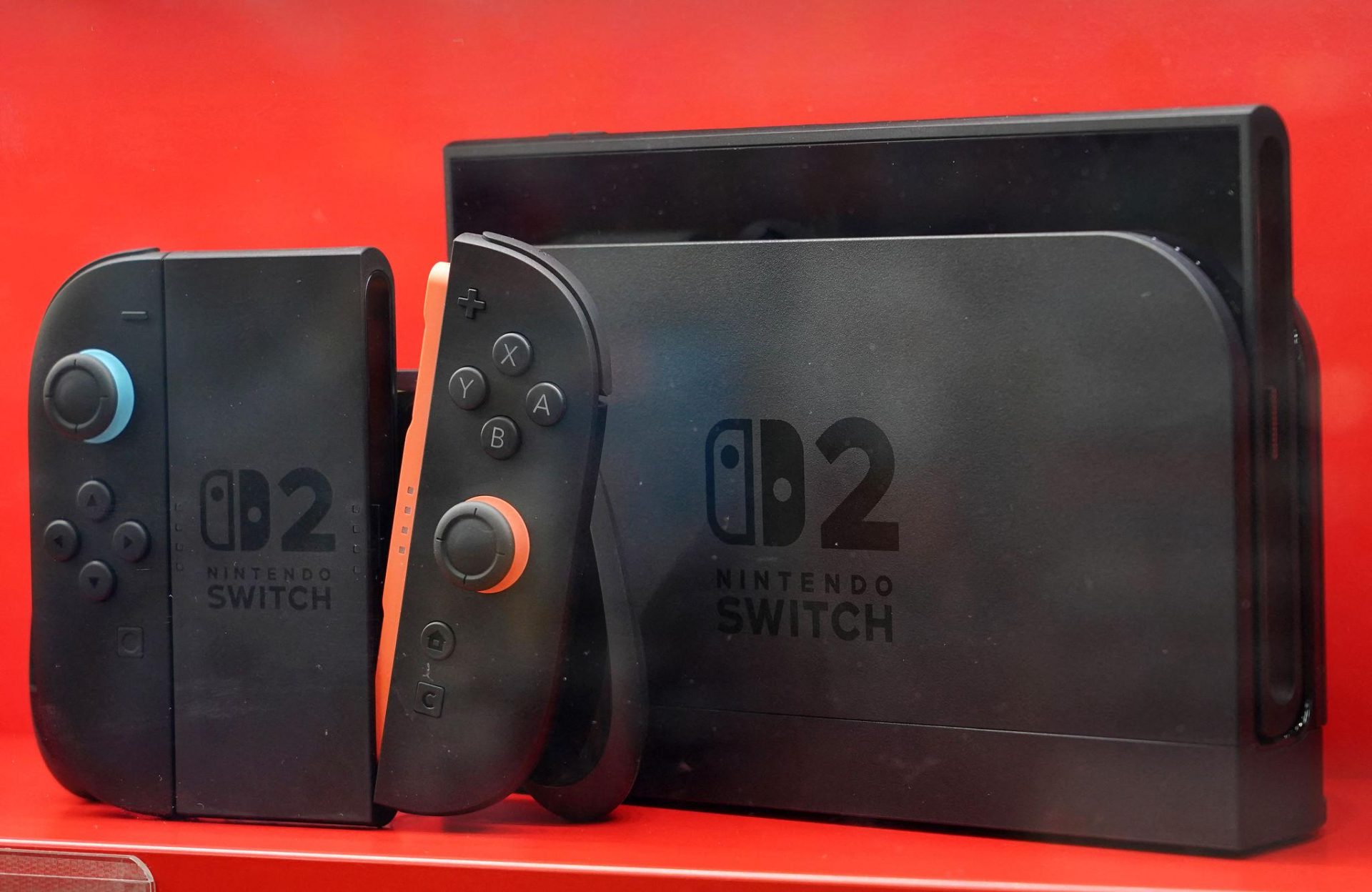
Nintendo is effectively reviving the Virtual Console for Switch 2, though in a hybrid form that blends legacy titles with modern platform and subscription economics.
Nintendo is bringing back one of its most requested ideas—just not in the way longtime fans might expect. With the upcoming Switch 2, Nintendo is introducing what amounts to a modernized take on the Virtual Console, according to details discussed around recent platform announcements.
It is not a straight revival of the à la carte game purchases that defined the Wii and Wii U era. Instead, it reflects how Nintendo now balances nostalgia, subscriptions, and platform longevity.
What made the original Virtual Console matter
When the company launched the Virtual Console, it offered something rare at the time: official, convenient access to decades of classic games across multiple consoles. Players could buy individual titles and keep them tied to their account or hardware.
The model helped preserve the company’s history while generating steady revenue from older content. But it also came with friction—fragmented libraries, repurchasing games across generations, and limited updates.
As digital distribution matured, that model became harder to justify.
How the Switch 2 approach is different
The Switch era already shifted Nintendo toward a subscription-based library through its online services. The Switch 2’s “Virtual Console-like” system builds on that foundation rather than reversing it.
Instead of permanent ownership per title, legacy games are increasingly positioned as ongoing platform value—content that enhances retention and engagement rather than standalone purchases.
This approach aligns with broader industry trends, but Nintendo’s execution remains distinct: curated libraries, slower rollout, and deep integration with hardware identity.
Why Nintendo is doing this now
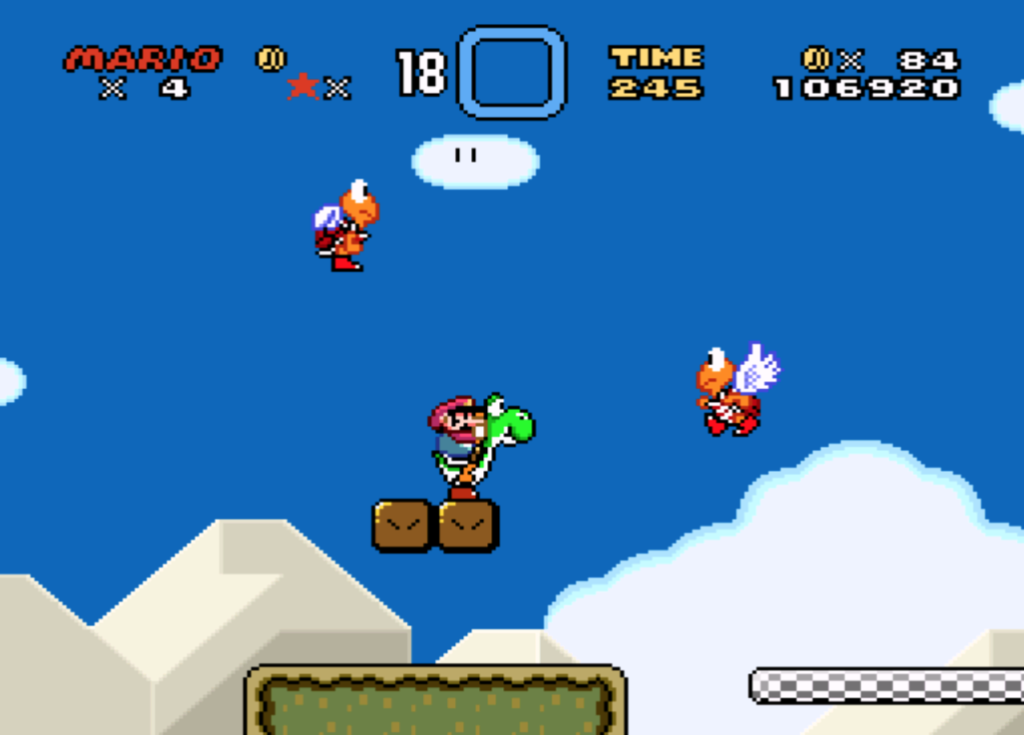
Backward compatibility and legacy access are becoming table stakes in gaming. As competitors invest heavily in preservation and cross-generation libraries, the company faces pressure to make its back catalog more accessible—especially as it transitions to new hardware.
The Switch 2’s version of Virtual Console suggests Nintendo wants to control distribution tightly while avoiding past complaints about repurchasing the same classics again and again.
For Nintendo, the value of its history lies not just in sales, but in reinforcing why its platforms feel unique.
What it means for players and the ecosystem
For players, the tradeoff is clear: less ownership flexibility, but broader access and convenience. For developers and publishers, Nintendo’s strategy highlights how legacy content can coexist with new releases without cannibalizing them.
The bigger signal is philosophical. Nintendo is no longer treating its past as a museum—it is treating it as a living part of the platform experience.
The Virtual Console may be back in spirit, but on the Switch 2, it is firmly a product of modern platform economics.



