Rave Racer, the long-arcade-exclusive sequel to Ridge Racer, is finally coming to home consoles—more than three decades after its original release.
For decades, Rave Racer occupied a peculiar place in racing history: influential, fondly remembered, and largely inaccessible outside arcades. That is finally changing. More than 31 years after its debut, the arcade-only sequel to Ridge Racer is making its first official home console appearance, according to Time Extension.
The release is not just a nostalgic footnote. It represents a broader effort to preserve arcade-era games that shaped modern 3D racing—but were never fully carried forward into the living room.
Why Rave Racer mattered in arcades
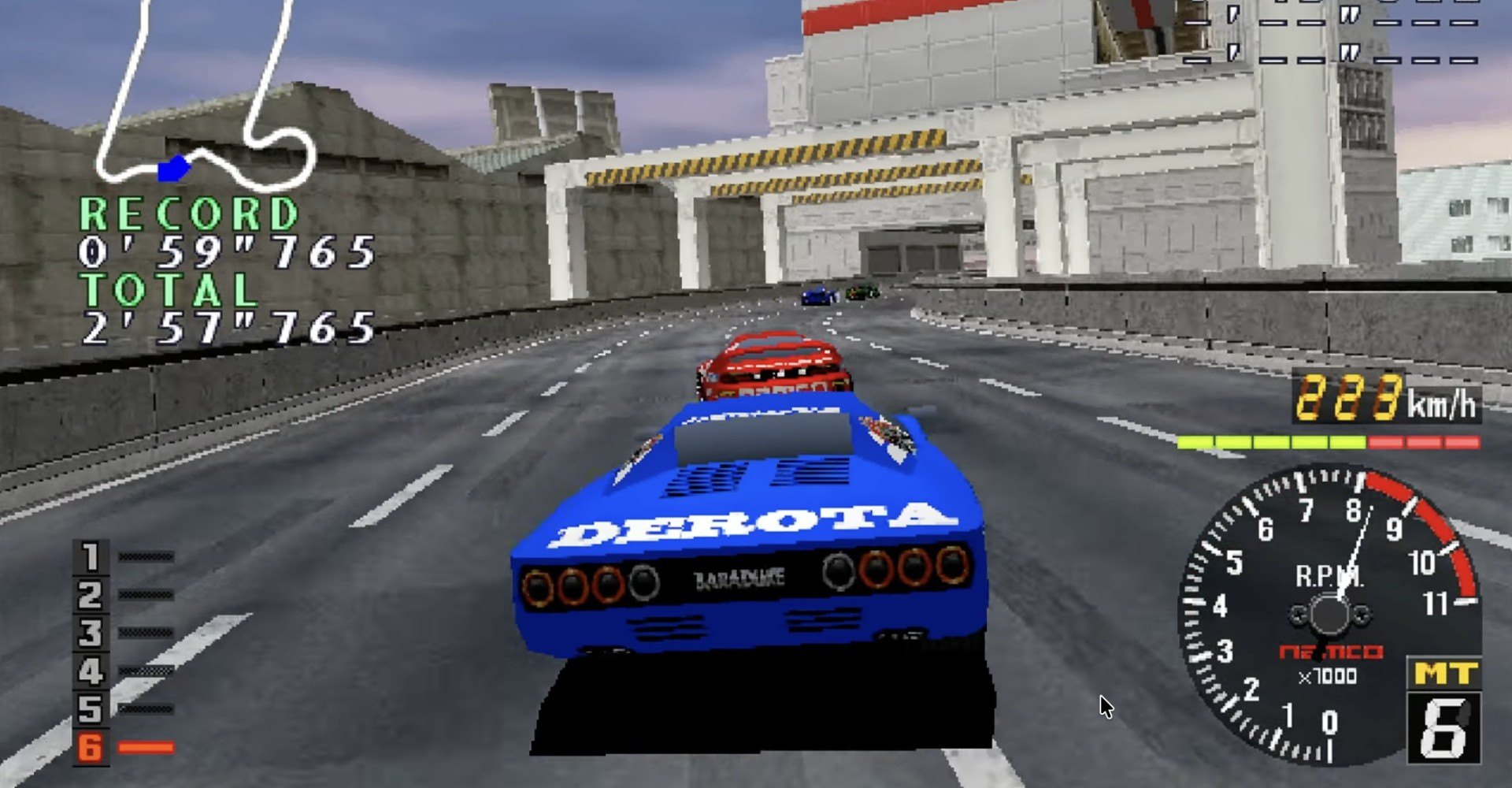
Released by Namco, Rave Racer refined the Ridge Racer formula at a critical moment in arcade history. It introduced sharper visuals, more expressive track design, and an emphasis on spectacle that would later define console racing games.
Yet unlike its siblings, Rave Racer remained locked to arcade hardware, a casualty of shifting priorities as publishers focused on home consoles with larger audiences and faster iteration cycles.
As arcades declined in the late 1990s and 2000s, access to the game dwindled—making it a white whale for fans of classic racers.
Why the home debut matters now

The console release comes amid renewed interest in game preservation. As digital storefronts and emulation initiatives expand, publishers are revisiting older catalogs not just for revenue, but for historical continuity.
For Namco and its parent companies, bringing Rave Racer home fills a conspicuous gap in the Ridge Racer lineage. It also demonstrates how arcade-exclusive titles can be adapted for modern platforms without losing their identity.
For players, it offers something many never had the chance to experience authentically—outside of aging cabinets and specialized venues.
Preservation versus modernization
Crucially, the appeal of Rave Racer lies in restraint. Fans are not necessarily looking for a remake, but for faithful access: original handling, music, and design intact.
That approach reflects a growing understanding within the industry that preservation is not about reinvention—it is about continuity.
As publishers weigh how to monetize their back catalogs, Rave Racer’s return suggests that even niche arcade titles can justify careful revival.
A small release with larger implications
Rave Racer’s console debut will not reshape the modern racing genre. But it sends a quieter, more important message: arcade history still matters, and it is worth carrying forward intact.
After 31 years, one of Namco’s most elusive racers is no longer confined to memory—or to the arcade floor.